
Antique Curved Cupboard
An antique curved cupboard brings architectural fluidity to a room, offering clever storage that softens rigid corners.
Antique Curved Cupboard
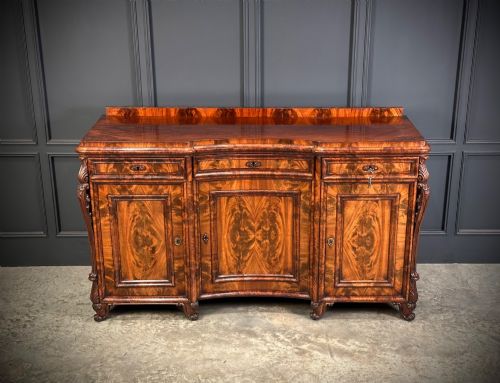
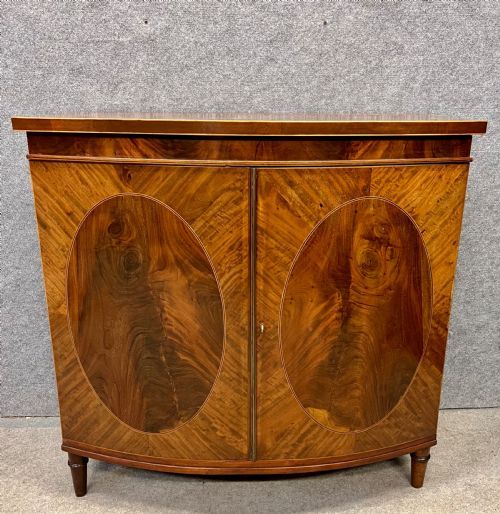
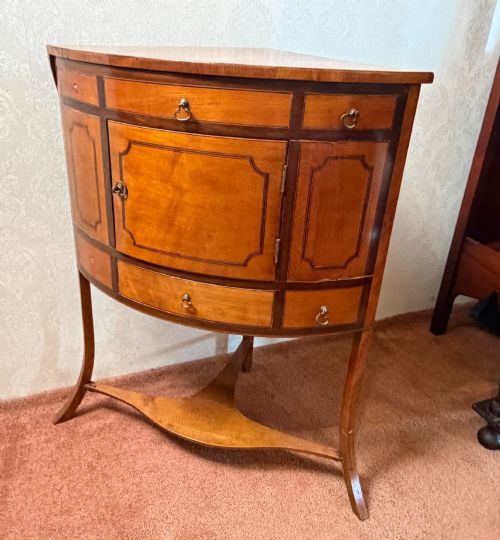
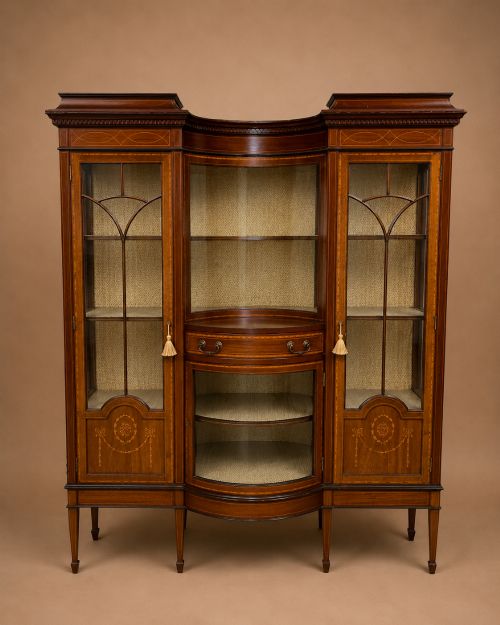
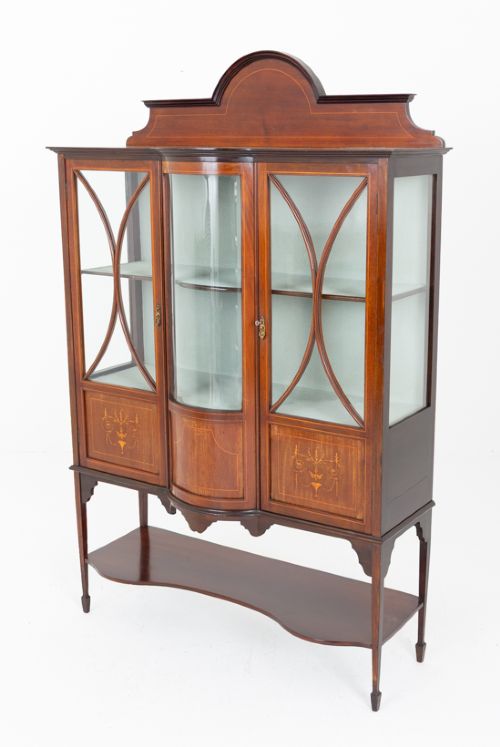
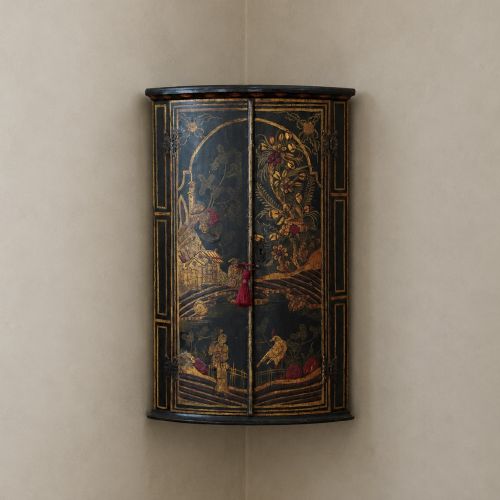
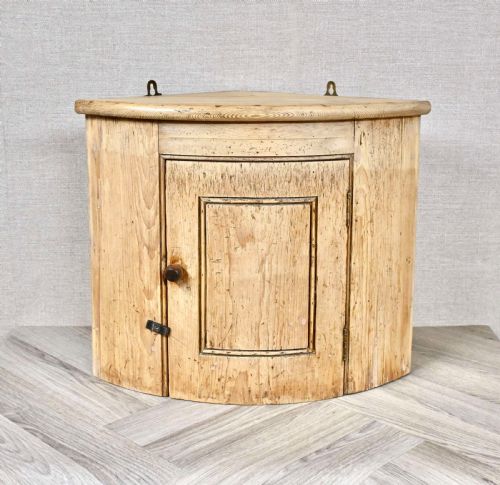
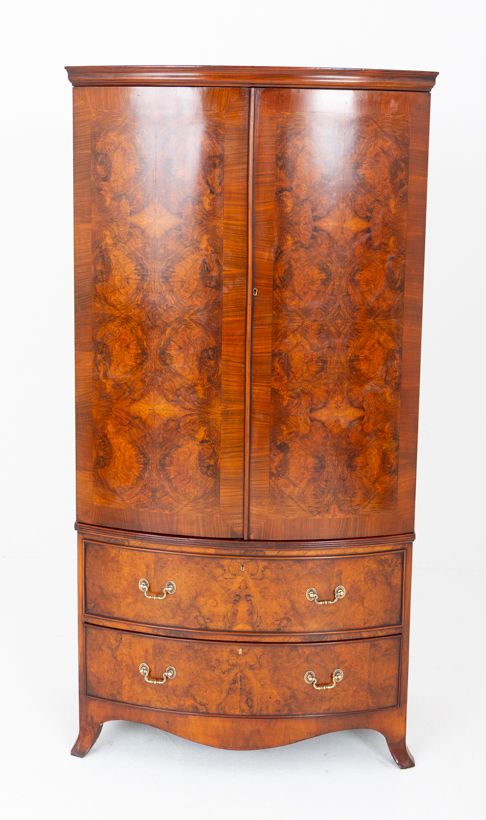
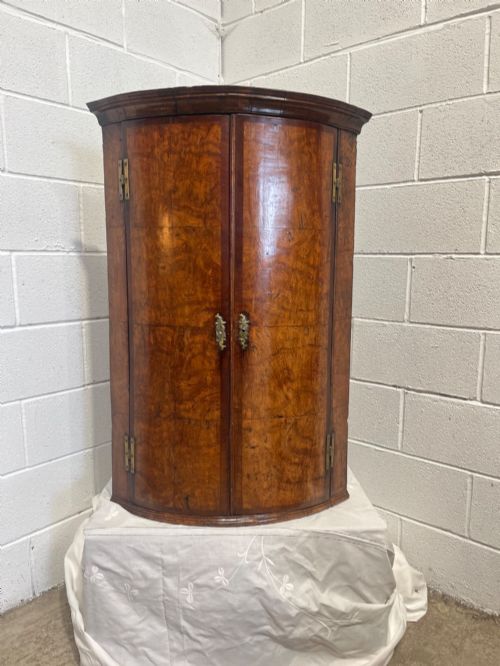
When you search for an antique curved cupboard, you encounter various expressions of radius fronts, from bow-fronted hanging pieces to serpentine display cabinets.
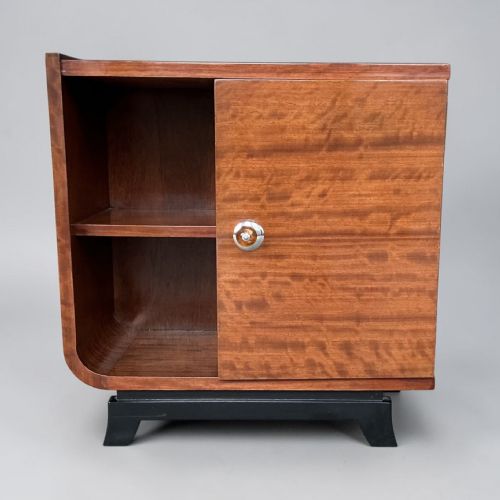
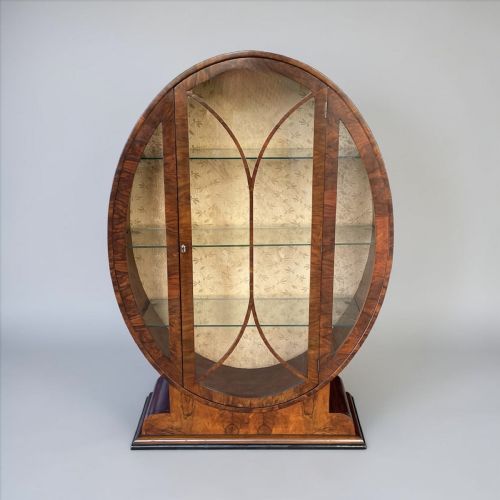
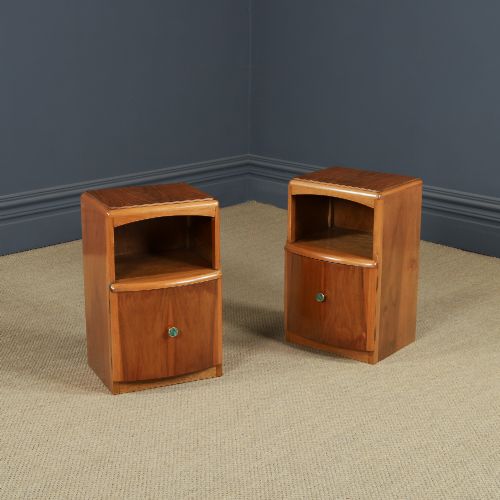
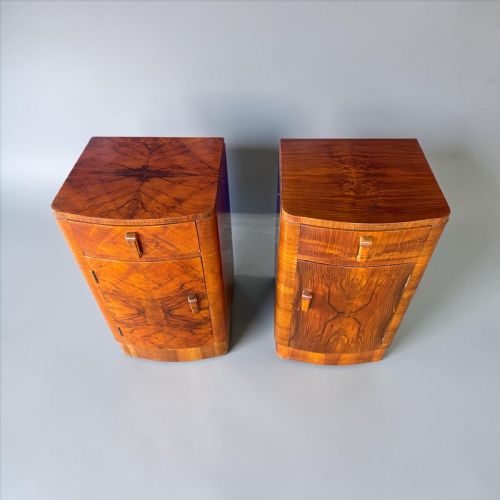
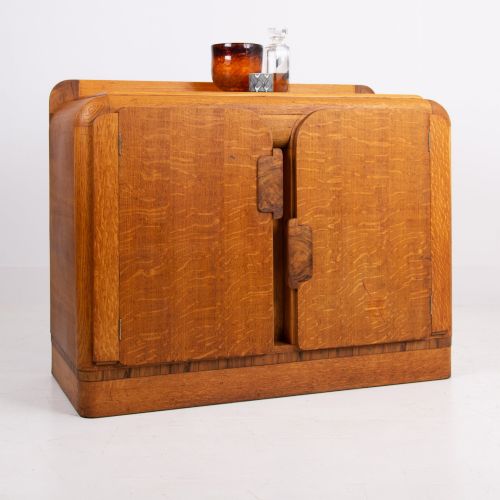
The selections span centuries, reaching from eighteenth-century oak and mahogany corner cupboards through Edwardian satinwood vitrines to nineteen-thirties Art Deco walnut cabinets.
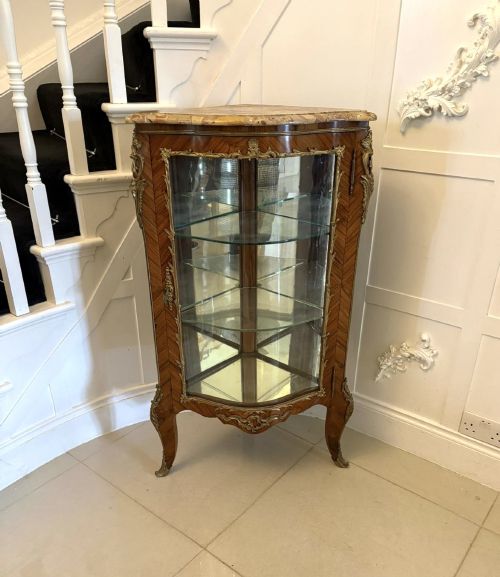
Corner cupboards and display cabinets dominate the offerings, designed specifically to fit snugly into architectural junctions or present precious items with curved glass.
Materials and Construction
Cabinetmakers utilised dense timbers like mahogany, walnut, and oak as foundational structures, often applying veneers such as burr walnut, satinwood, and kingwood to create striking grain patterns.
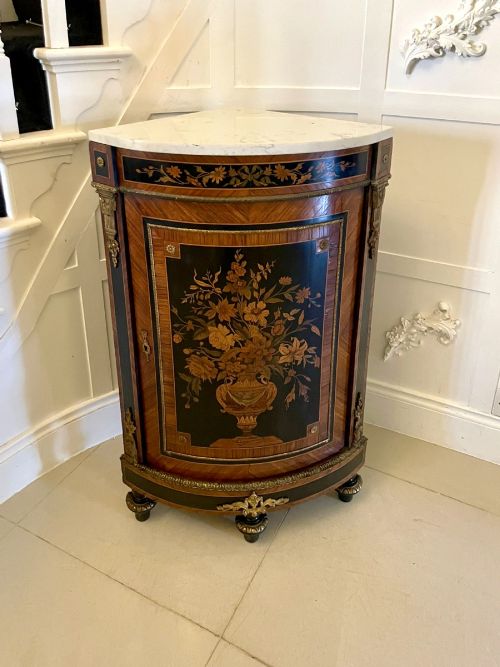
Surface decoration frequently involves intricate marquetry, japanned chinoiserie, and painted finishes, complemented by brass hardware and sometimes ormolu mounts.
Many sophisticated French examples incorporate inset marble tops and curved glass panes to elevate the visual weight of the piece.
One nineteen-thirties maker departed from standard geometry entirely to construct a delightfully unusual clove-shaped display cabinet.
Judging Quality
The distinction between tiers rests upon the choice of timber and the precision required to bend wood or shape veneers to a consistent radius.
Masterful execution appears in the seamless alignment of doors within curved frames and the sophistication of inlaid details or hand-painted motifs.
The Antique Curved Cupboard Glossary
- Bow front
- A convex, outwardly curving front section that swells from the corners of a cabinet. This shape softens the profile of case furniture.
- Serpentine
- A shape featuring a concave centre flanked by convex ends, creating a flowing undulating line. It demands exceptional skill from the cabinetmaker.
- Vitrine
- A glass-fronted cabinet designed for displaying delicate objects and porcelain. These pieces often incorporate curved glass to maximise light entry.
- Ormolu
- Gilded bronze mounts applied to furniture for decorative effect. They frequently accent nineteenth-century French pieces.
- Marquetry
- The art of applying decorative pieces of veneer to a structure to form intricate designs. Craftsmen utilise various coloured woods to achieve pictorial effects.
Antique Curved Cupboard: Frequently Asked Questions
Where should I place a corner cupboard?
These pieces fit naturally into unused room corners, turning dead architectural space into practical storage.
They work effectively in dining rooms for glassware or hallways where floor space is limited.
How do I care for polished mahogany?
Keep wooden surfaces away from direct sunlight and radiators to prevent the timber and veneers from drying out.
Regular dusting with a soft cloth maintains the natural lustre without needing heavy chemical polishes.
How do I identify Art Deco pieces?
Art Deco furniture relies on sleek geometric forms, streamlined silhouettes, and exotic wood veneers like walnut and satin birch.
These pieces usually date from the nineteen-thirties and eschew historical revival ornament in favour of modern styling.
Are hanging corner cupboards sturdy?
Hanging cupboards depend entirely on secure wall fixing through the internal backboards into solid masonry or studs.
When properly anchored, they easily support everyday tableware and display items.