
Antique Cupboard Shelf
These pieces combine open display space with enclosed storage, bringing practical utility and traditional craftsmanship together in domestic furniture.
Antique Cupboard Shelf
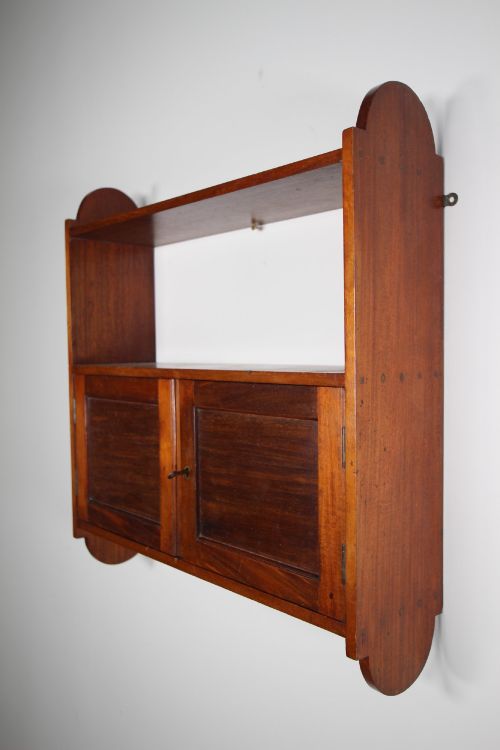
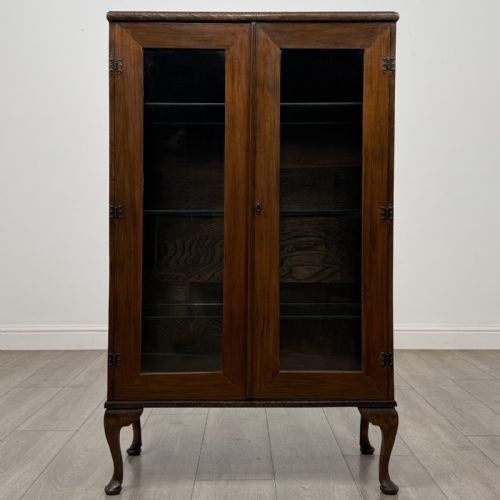
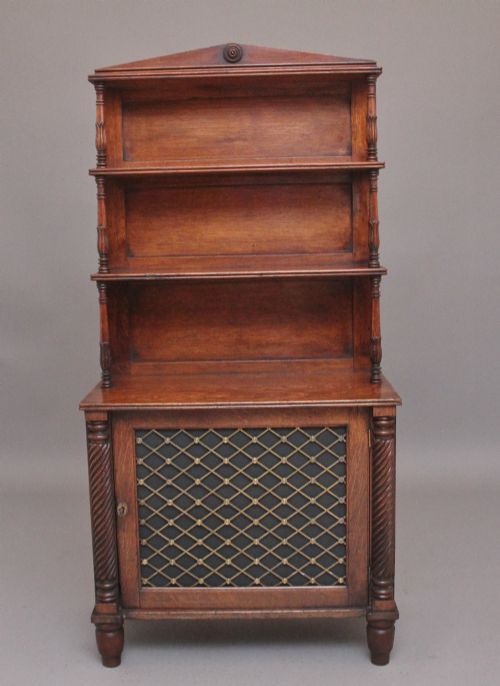
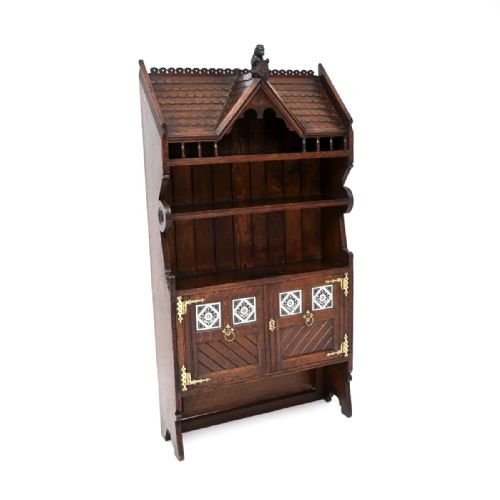
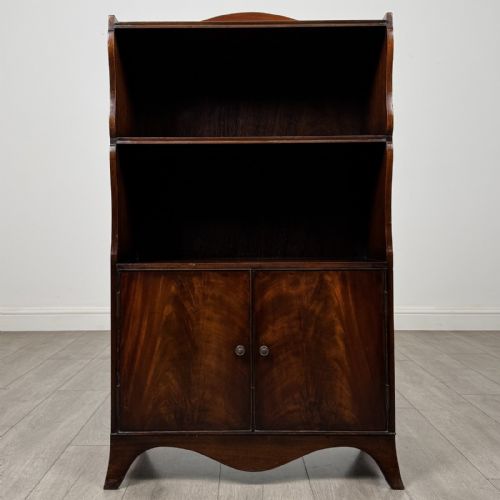
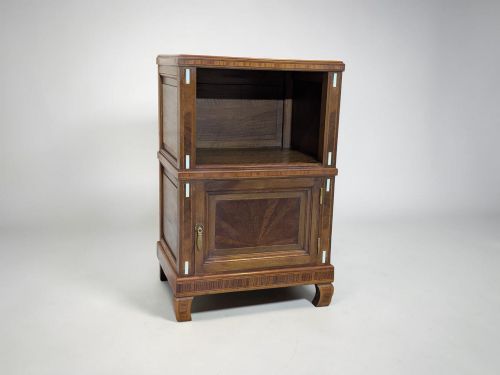
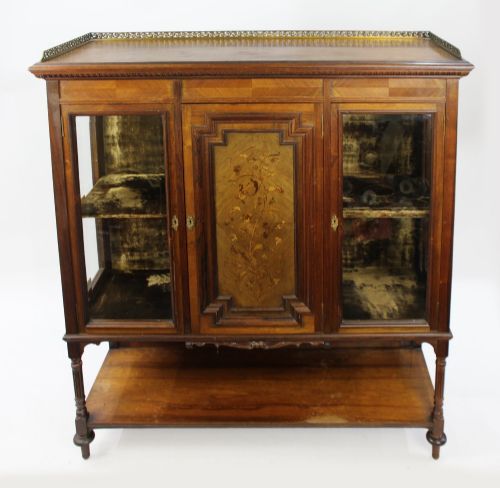
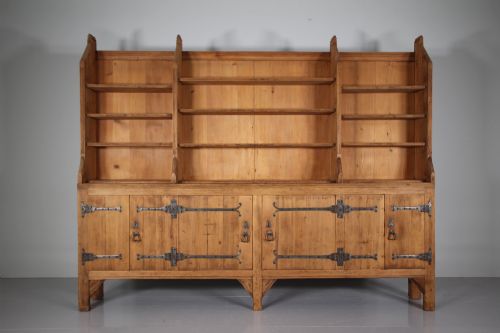
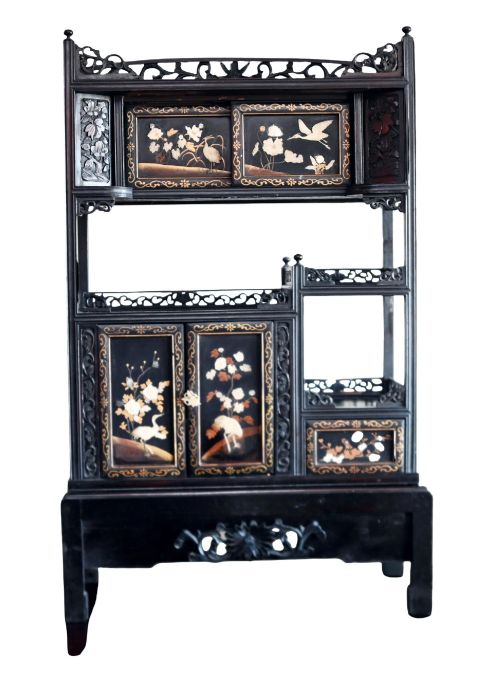
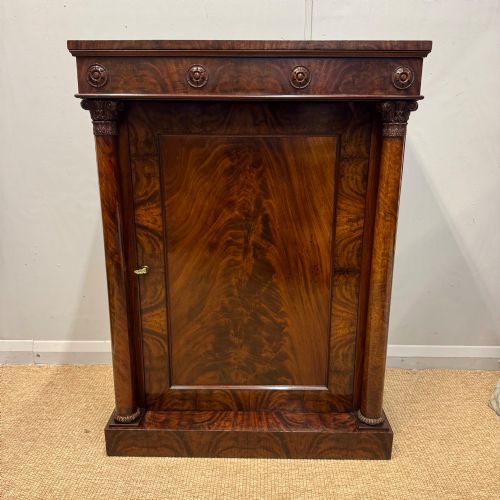
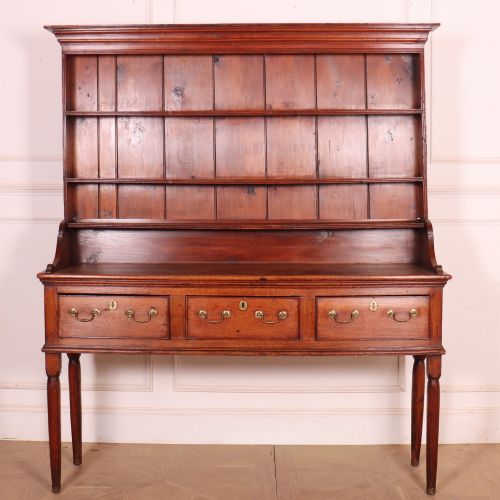
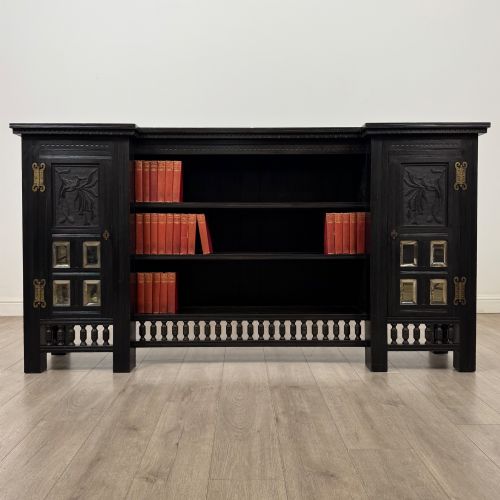
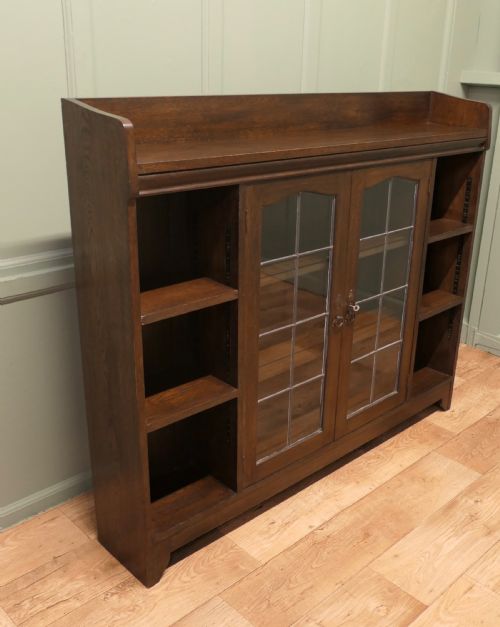
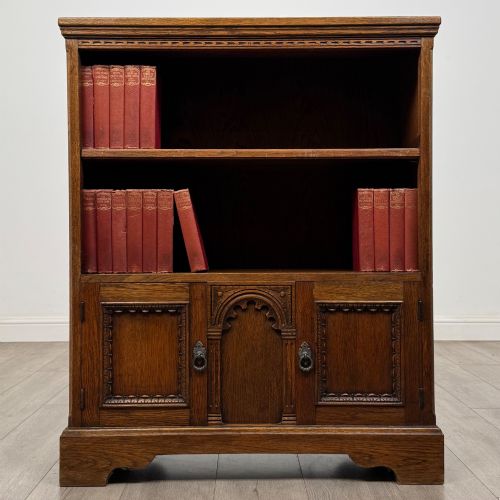
When searching for an antique cupboard shelf, buyers encounter a diverse selection of hybrid furniture forms that merge vertical shelving with secure cabinet storage. These pieces range from compact wall-hanging cabinets and bedside cupboards to large Welsh dressers, bookcases with enclosed bases, and chiffoniers.
The items found here originate across multiple centuries, drawing heavily on Georgian, Regency, and Victorian periods alongside Edwardian and later 20th-century revivals. Oak, mahogany, and pine form the backbone of these pieces, serving functional roles in kitchens, living rooms, and bedrooms alike.
Buyers are most likely to meet mahogany bookcases with lower cupboards, oak Welsh dressers, or smaller bedside cabinets featuring open top shelves. These variations reflect domestic storage needs across the eighteenth, nineteenth, and early twentieth centuries, providing surfaces for both exhibition and concealment.
Materials and construction methods
Cabinetmakers relied predominantly on solid hardwoods such as mahogany, oak, and walnut, paired with softer timbers like pine for internal carcases and secondary elements. Satinwood and rosewood appear in decorative contexts, often utilised for fine veneers or inlaid details on Regency and Victorian examples.
Construction relied on traditional joinery techniques, including dovetail joints for drawer construction and mortise and tenon frames for structural stability. Brass hardware, glass panelling, and hand-carved ornamentation complete the fabrication of these hybrid shelving and cupboard units.
Materials appearing across the inventory include brass, glass, pine, walnut, and satinwood alongside primary hardwoods.
Distinctions in quality and execution
The standard of timber selection heavily dictates quality, with figured mahogany, burr walnut, and quarter-sawn oak representing superior material choices over plain utility pine. Grain matching across drawer fronts and door panels demonstrates the deliberate care taken by the original maker.
Refinement of decorative detail separates standard utility pieces from high-end commissions, such as brass inlay, delicate stringing, and well-executed carving. Original hardware, intact glazing, and balanced proportions further distinguish finer workshop output from simpler vernacular furniture.
Gillows·Maple and Co·Edwards and Roberts·Arthur Simpson of Kendal
The Antique Cupboard Shelf Glossary
- Chiffonier
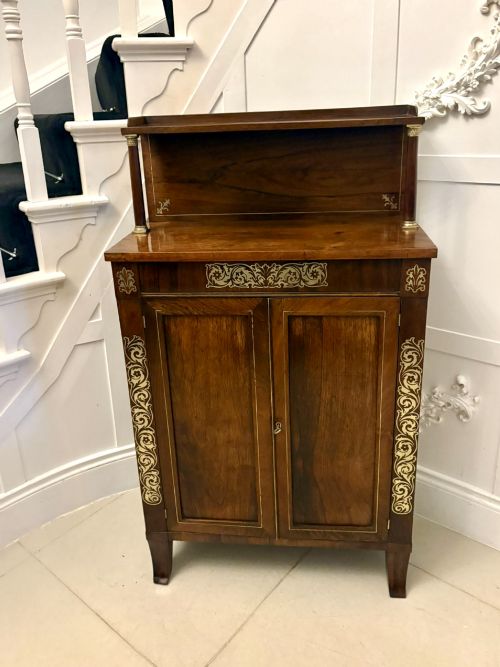
- A low sideboard or cabinet featuring a combination of lower doors and upper shelving or a raised back. These pieces evolved during the Regency and Victorian periods to serve dining and parlour rooms.
- Waterfall bookcase
- A graduated set of open shelves where each tier steps back from the one below it, creating a cascading profile popular in the Regency era.
- Welsh dresser
- A large kitchen or dining room storage unit combining open plate racks or shelves on top with a base of drawers and cupboards.
- Inlay
- A decorative technique where contrasting woods, brass, or shell are inserted into recesses cut into the primary surface of the furniture.
- Carcase
- The main structural body or frame of a cabinet or cupboard, excluding doors, drawers, and removable shelves.
Antique Cupboard Shelf: Frequently Asked Questions
What is an antique cupboard shelf used for?
These dual-purpose items served to display prized tableware, books, or decorative objects on their open upper tiers while concealing household stores behind enclosed lower doors.
In contemporary interiors, they continue this function by providing organised vertical storage and display space in kitchens, living rooms, and hallways.
How do I identify a Regency cupboard shelf?
Regency examples typically showcase rich mahogany timbers, architectural proportions, and classical design influences such as brass inlay or columnar supports.
They often take the form of chiffoniers or tiered waterfall bookcases dating from the early nineteenth century.
Are these pieces suitable for small rooms?
Many variations, such as wall-hanging cabinets, corner units, and petite bedside cupboards, were specifically designed to occupy minimal floor space.
Open top shelves also create a sense of vertical height and visual lightness in compact living areas compared to solid wardrobes.
What distinguishes Victorian pieces from earlier styles?
Victorian cupboard shelves often feature heavier proportions, darker woods like tiger oak and rosewood, and more robust carving traditions.
They also reflect the era's expanding domestic requirements through specialised forms like glazed Welsh dressers and fitted library bookcases.