
Antique Cupboard Doors
Antique cupboard doors are architectural panels salvaged from larger furniture pieces or fitted cabinets, prized by restorers and interior designers for their period timber and craftsmanship.
Antique Cupboard Doors
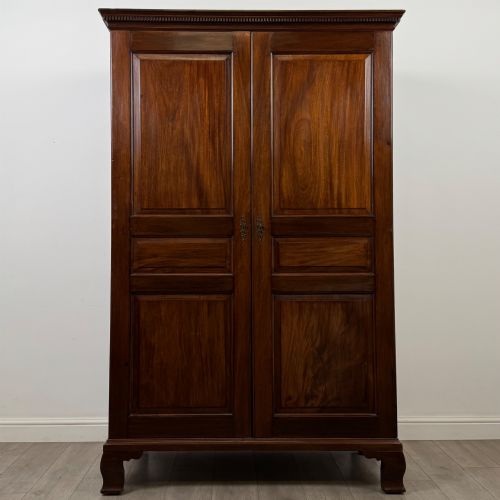
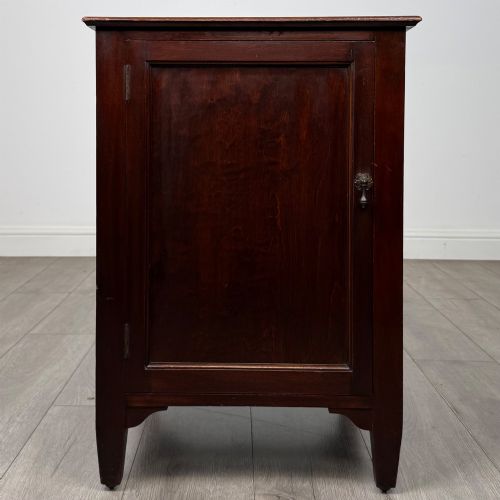
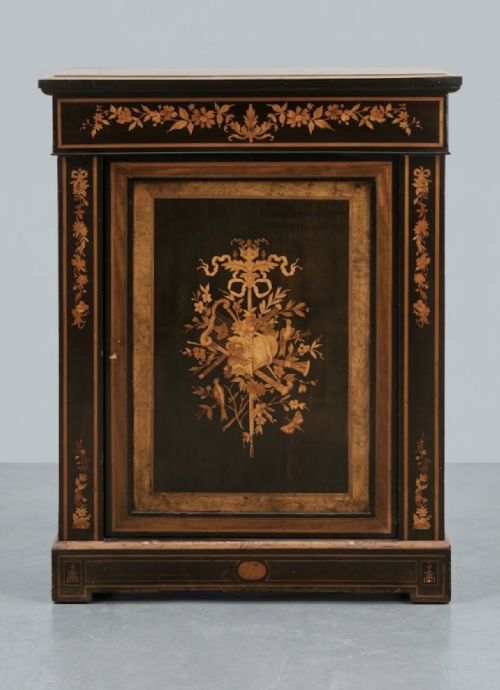
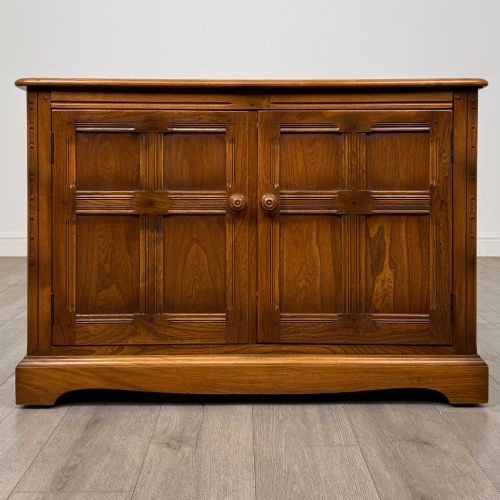
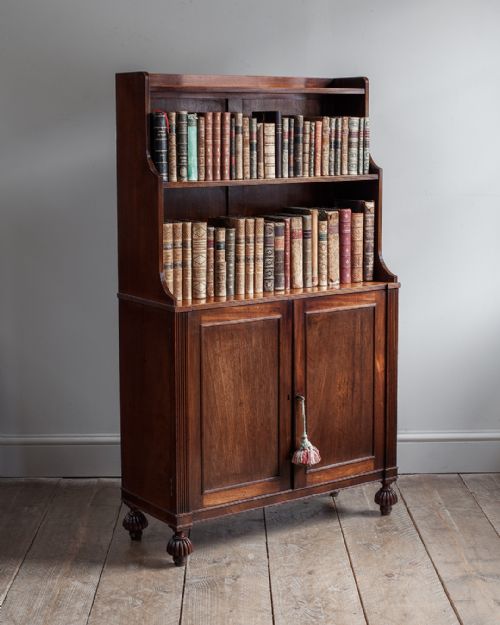
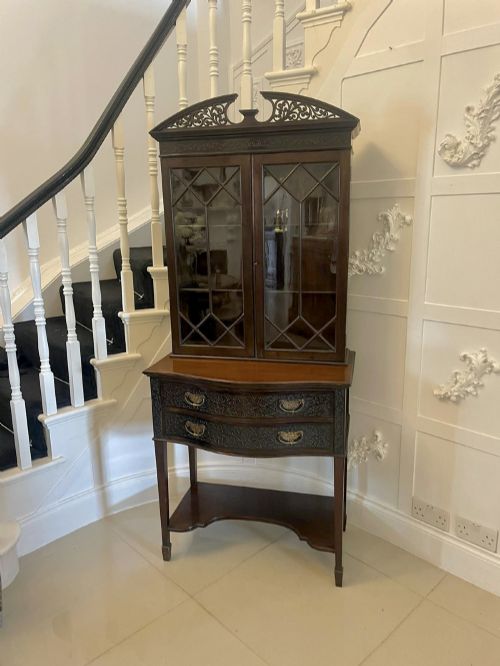
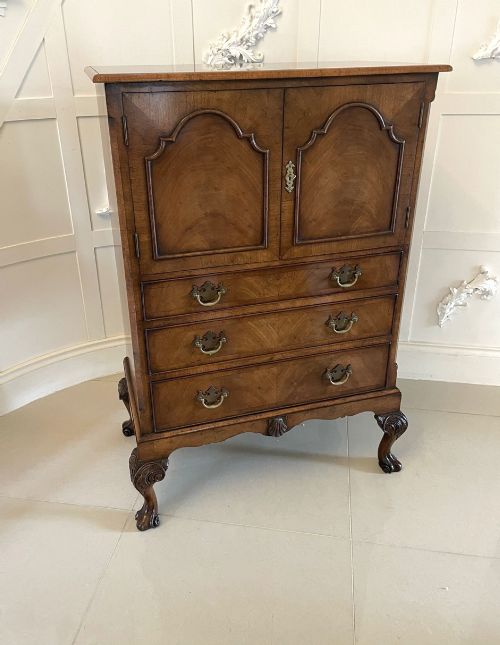
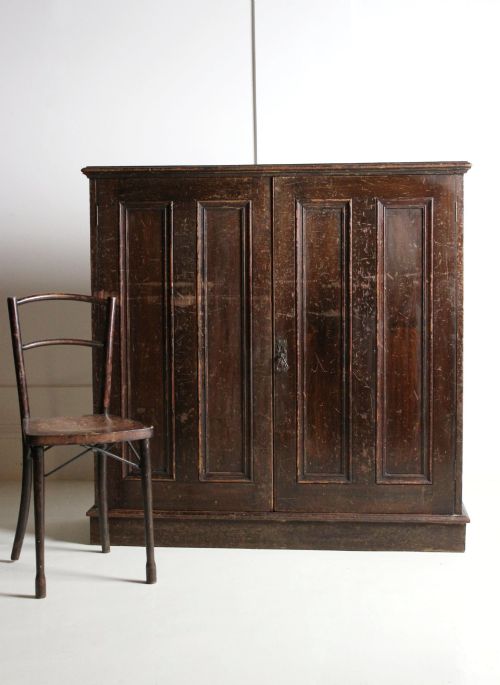
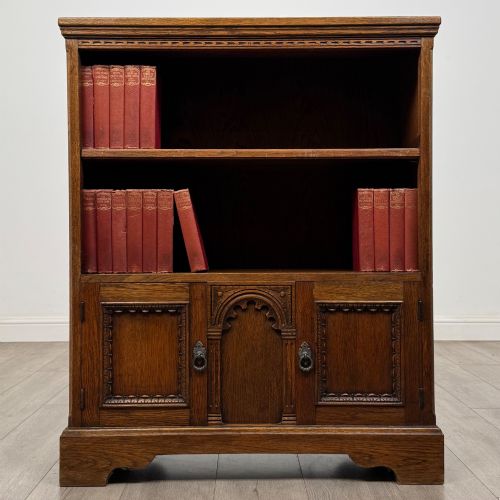
When you search for antique cupboard doors, you encounter salvaged architectural elements and panels drawn from a diverse array of historic furniture including wardrobes, bookcases, side cabinets, and kitchen dressers. These panels originate predominantly from the eighteenth and nineteenth centuries, spanning periods such as the Georgian, Victorian, and Edwardian eras. The selection ranges from robust oak housekeeper cupboards and pine larder units to refined mahogany and walnut display cabinets.
The versions most frequently met on this page are single and paired wooden doors salvaged from larger storage pieces, alongside dedicated French oak pairs. These items reflect the domestic and utilitarian storage traditions of British and continental homes, constructed in styles that run from plain country pine to formal Regency and Victorian cabinet-making. Buyers utilise them for architectural salvage projects, wall panelling, or creating bespoke fitted furniture with genuine period character.
Materials and Construction Techniques
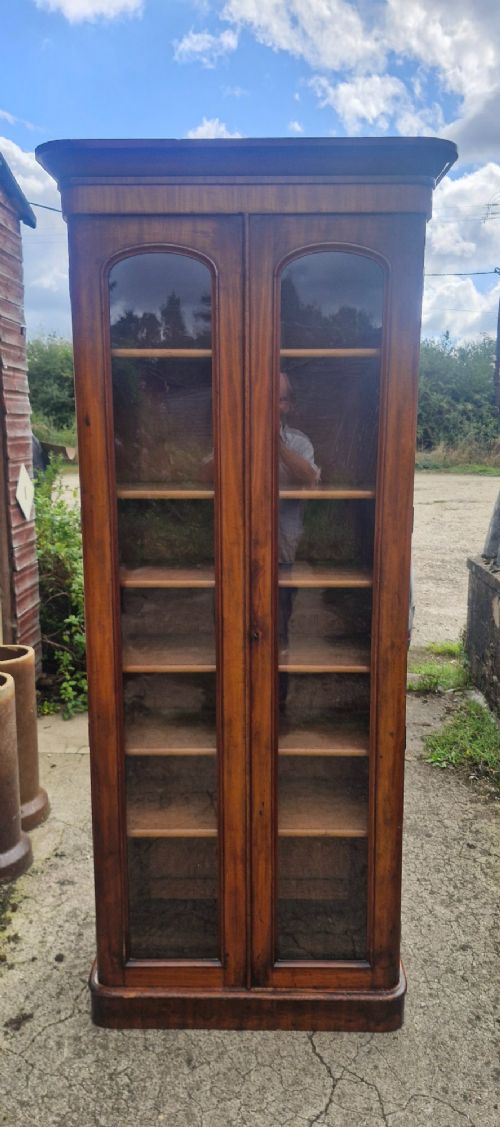
The construction of these architectural elements relies primarily on solid timber frames holding flat or raised panels, utilising traditional joinery such as mortise and tenon. The listings record hardwoods like mahogany, oak, walnut, rosewood, and satinwood alongside utilitarian softwoods including pine. Timber selection defines both the weight and the grain pattern, with figured veneers occasionally applied to the primary face during the Victorian and Edwardian periods.
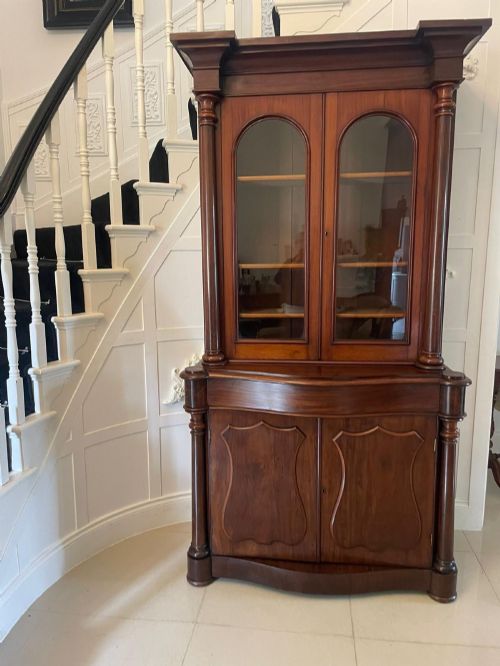
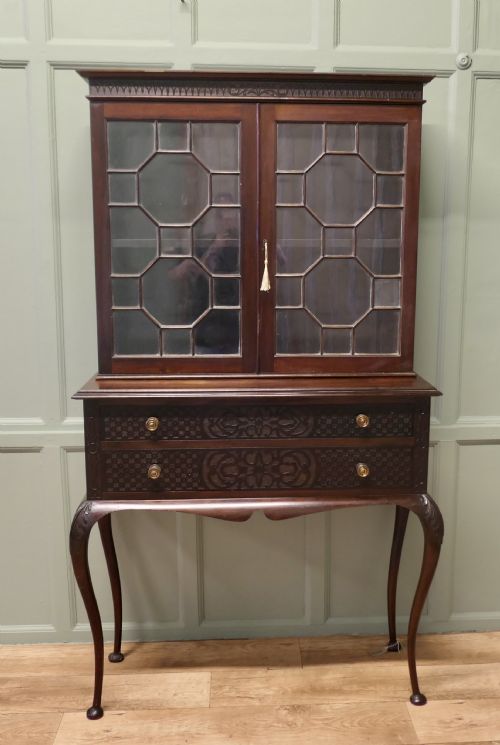
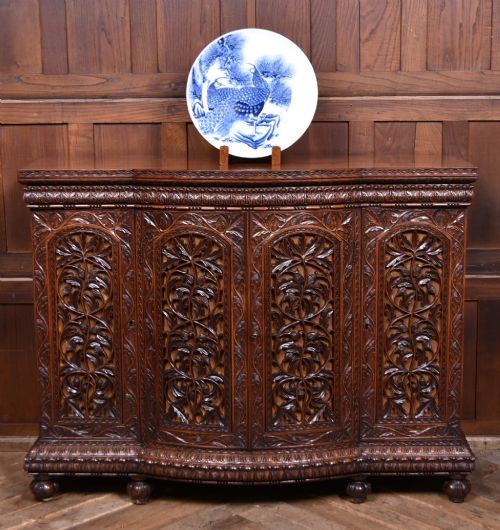
Surface treatments vary according to the original function and date of the piece, encompassing French polish, wax finishes, and historic painted surfaces. Glazed sections incorporate brass or wooden astragal bars holding individual panes of glass, while solid wooden panels often feature carved details, moulded edges, or brass hardware. Iron hinges and latches frequently accompany the timber framing, preserving the original mechanism of closure.
One past listing recorded an entire fifteen-door locker cabinet, offering a veritable village of miniature entries.
Determinants of Quality
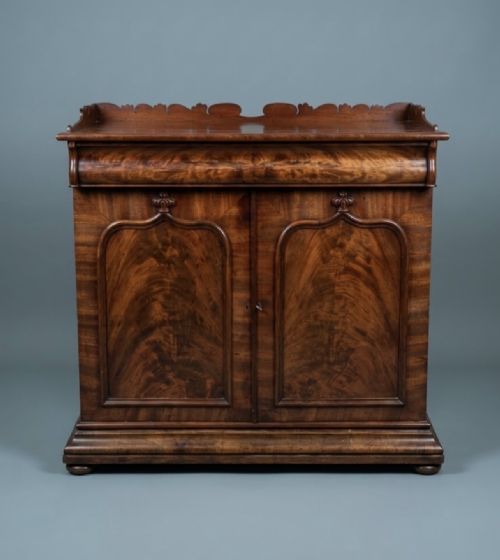
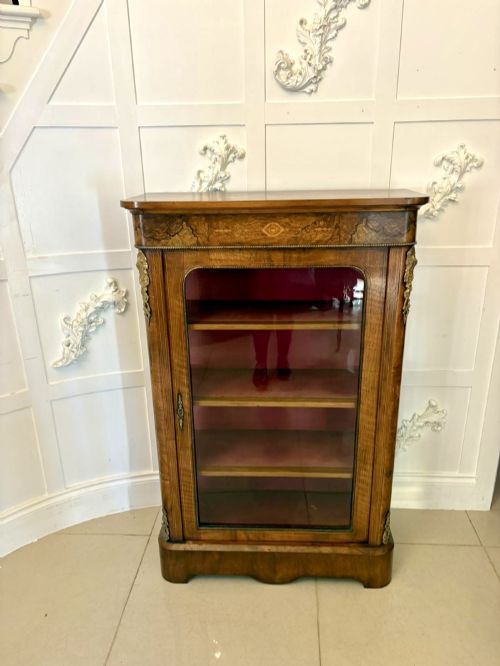
Quality in these architectural panels rests upon the grade of timber selected and the precision of the original joinery. Finer examples display carefully chosen grain patterns, such as flame mahogany or burr walnut, matched across the rails and stiles. Substantial thickness in the timber and clean, hand-cut joinery distinguish superior cabinet-making from utilitarian trade pieces.
The condition of the surface finish and the integrity of the original structure further define the upper tier of the range. Retaining original brass hardware, uncompromised timber panels, and authentic period patination elevates a piece above items that have undergone heavy alterations or aggressive stripping. The depth of the moulding and the crispness of any hand-carved ornamentation separate standard workshop production from high-status furniture.
The Antique Cupboard Doors Glossary
- Astragal
- A small semi-circular moulding used to hold glass panes within a door frame. These delicate wooden or brass bars divide the glazed area into smaller geometric sections.
- Stile
- The vertical outer member of a panelled door frame. It joins with the horizontal rails to give the door its structural rigidity.
- Rail
- The horizontal framing member of a wooden door. Top, middle, and bottom rails secure the central panel within the surrounding stiles.
- Patina
- The surface sheen and colour acquired by timber through age, handling, and light exposure. This gradual change distinguishes historic wood from modern replacements.
- Veneer
- A thin layer of figured timber applied over a secondary wood base. This technique allows cabinet-makers to display decorative grain patterns without using solid costly hardwoods throughout.
Antique Cupboard Doors: Frequently Asked Questions
How are antique cupboard doors measured?
Measurements are taken across the maximum height, width, and depth of the frame or panel. Allowance must be made for any projecting mouldings or attached hardware when planning a fitting.
Sellers typically list dimensions in inches or centimetres. Buyers should verify whether the stated size includes the rebate or hinge margins for installation purposes.
Can these doors be used for new kitchen cabinets?
Many buyers adapt salvaged timber panels for modern kitchen or bathroom cabinetry. The seasoned wood provides stability and period authenticity that new materials lack.
Adjustment to standard modern dimensions often requires professional joinery work. Sizing constraints depend entirely on the specific proportions of the original furniture piece.
How do I identify the wood type?
Timber identification relies on examining the grain pattern, weight, and colour of the panel. Oak displays characteristic medullary rays, while mahogany shows a reddish-brown tone with interlocked grain.
Softwoods like pine are lighter in weight and feature distinct growth rings. Burr walnut and flame mahogany exhibit highly decorative, swirling patterns typical of high-status Victorian and Georgian furniture.
Are original hinges and handles included?
Hardware provision varies significantly between individual listings, with some panels retaining their period brass or iron fittings. Other items are supplied as timber frames alone.
Descriptions specify whether brass knobs, drop handles, or butt hinges remain attached. Replacement period-appropriate hardware can be sourced separately if original metalwork is absent.