


Antique Crystal Table Bowls
These antique crystal table bowls bring brilliant refractive weight and refined metal mounts to any surface.
Antique Crystal Table Bowls
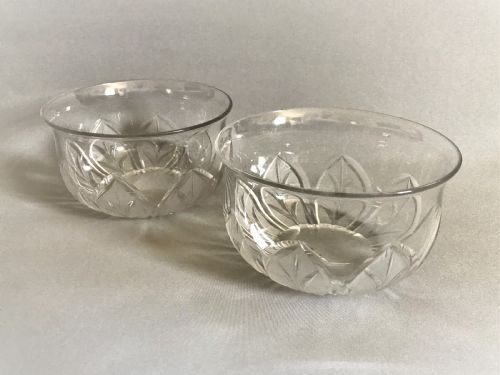
When you search for antique crystal table bowls, you encounter heavy glass vessels designed to hold fruit, flowers, or water for rinsing fingers at formal meals. The examples on this page span from the Georgian period through the Victorian, Edwardian, and Art Deco eras, reflecting shifting domestic habits.
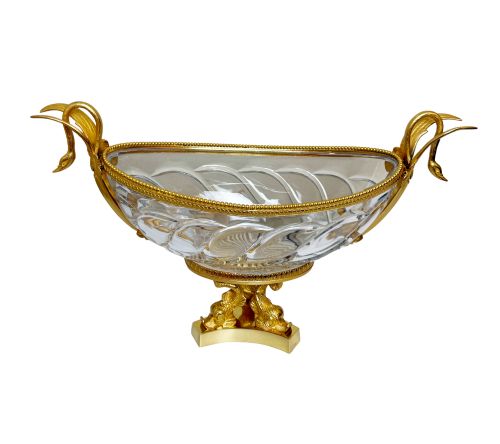
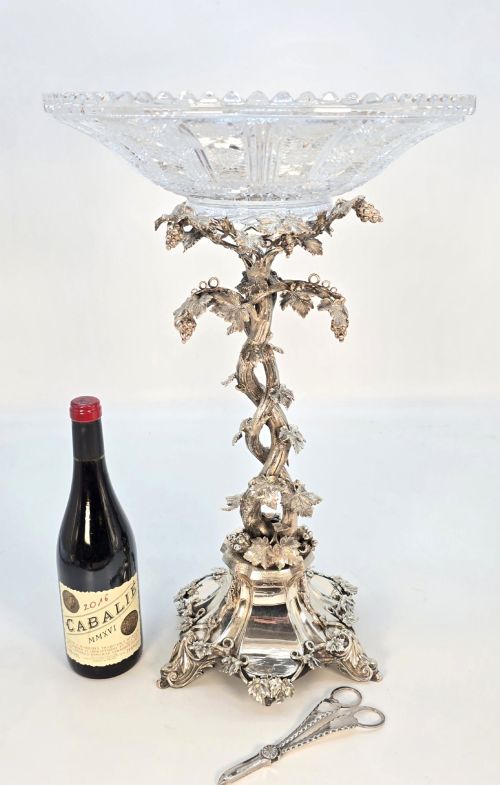
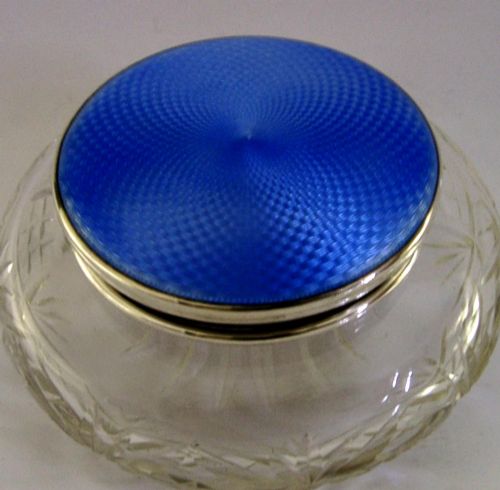
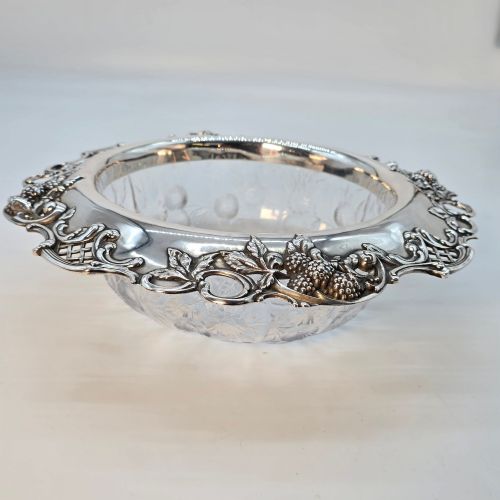
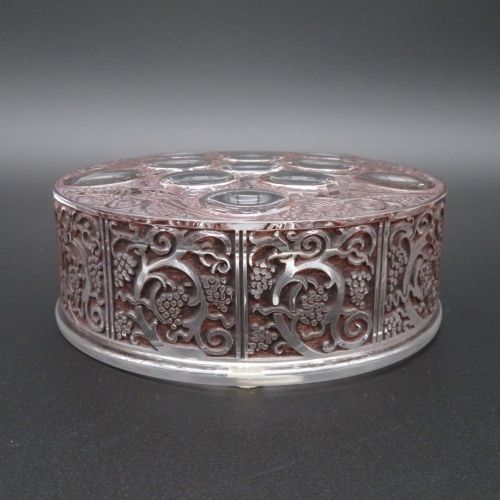
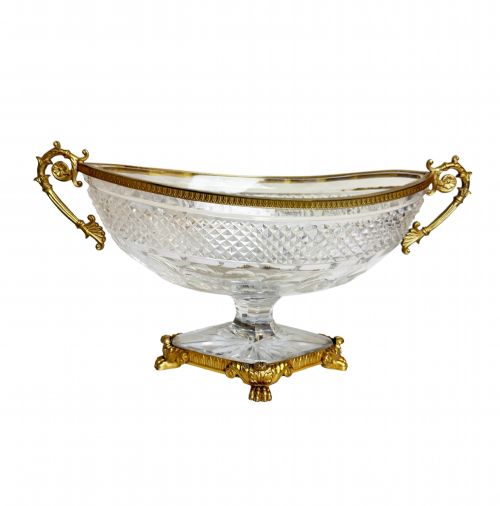
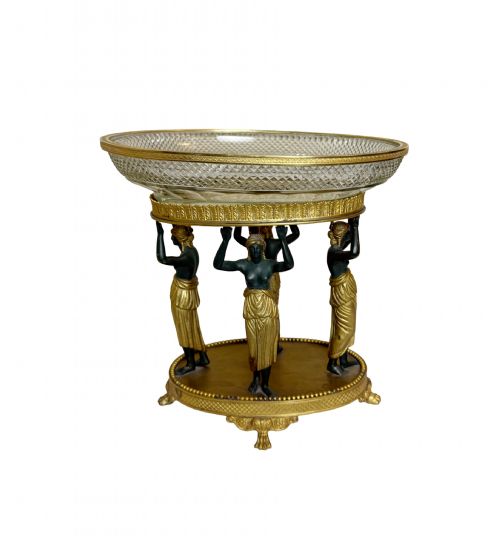
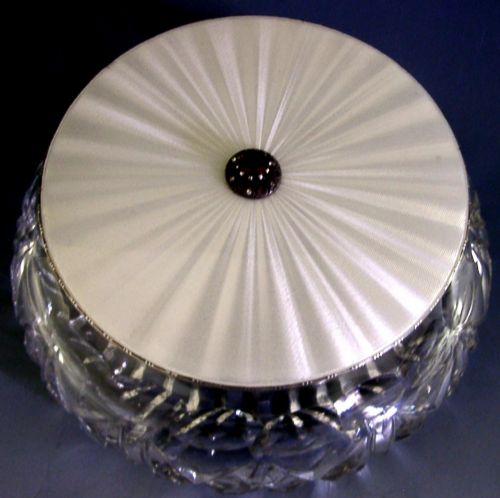
The most frequent forms met here are substantial table centrepieces, finger bowls, and smaller trinket boxes or vanity jars. Centrepieces often incorporate stands in silver plate, sterling silver, or gilt bronze to elevate the crystal above the tablecloth.
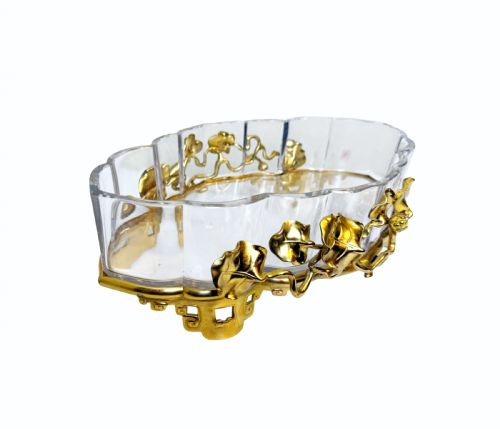
Origins stretch across English, French, and Belgian workshops, uniting cut crystal with metalwork ranging from simple Old Sheffield plate to ornate ormolu mounts. Pieces vary from single table dishes to matched sets intended for grand dining displays.
Materials and methods
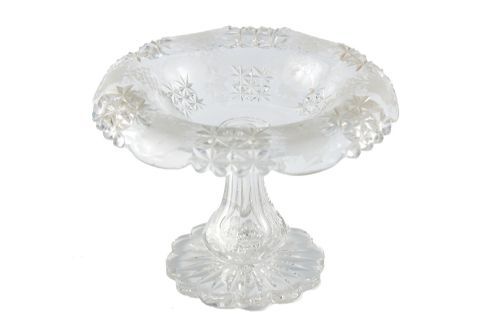
Makers produced these bowls using heavy lead crystal and cut glass, shaping the material by blowing into moulds or freehand before applying deep wheel-cut facets, geometric patterns, or delicate etching.
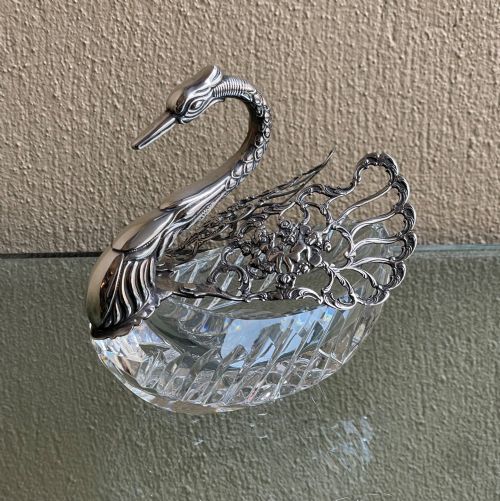
Metal mounts in sterling silver, silver plate, gilt bronze, and ormolu were cast, chased, and fitted around the glass bodies, occasionally incorporating carved wooden stands or tortoiseshell elements.
Specialist decoration involved gold enamel work, blue enamelling, and over-glass staining, combining traditional glass-cutting techniques with metal smithing.
Listings feature lead crystal, cut glass, sterling silver, silver plate, and gilt bronze across the Victorian and Art Deco periods.
Factors that separate the grades
Quality rests upon the clarity and weight of the crystal combined with the crispness of the cutting, where sharp, deep facets catch the light cleanly while softer edges suggest hurried workmanship.
The integration of the metal components defines the tier of the piece, as substantial silver mounts or heavy gilt bronze frames with secure fitting demonstrate superior manufacturing ambition compared to lighter plated alternatives.
Tiffany and Co·Lalique·Val St Lambert·St Louis glassworks·William Comyns·Baccarat
The Antique Crystal Table Bowls Glossary
- Centrepiece
- A large decorative bowl or epergne placed in the middle of a dining table. These vessels often feature elevated stands and metal mounts.
- Finger bowl
- A small glass bowl used at the table for rinsing the fingers between courses. They appear in matched sets or pairs.
- Ormolu
- Gilt bronze mounted upon decorative objects and furniture. This technique provides a bright golden finish to metal frames.
- Old Sheffield plate
- A composite metal made by fusing a thin sheet of silver to a thicker copper base. It is found on early dining accessories.
Antique Crystal Table Bowls: Frequently Asked Questions
How were finger bowls used?
Diners used finger bowls during formal meals to clean their fingers between courses, typically placing them on small doilies beside the plate.
Water was often scented with rose petals or lemon slices to refresh the hands before the next dish.
How do I date a centrepiece?
Dating relies on stylistic clues found in the glass cutting and the metal mounts, moving from heavy Georgian and Victorian hand-cut facets to sleek Art Deco geometric lines.
Hallmarks on silver components provide exact assay years, while unmounted crystal requires analysis of the weight and pattern style.
What is an epergne?
An epergne is a large centrepiece structure featuring a central bowl with branching arms and smaller hanging baskets for fruit or flowers.
These elaborate table ornaments combined heavy cut crystal with silver plate or carved wood supports.
How should I clean crystal bowls?
Wash crystal bowls by hand in lukewarm water using mild detergent, avoiding sudden temperature changes that can crack the glass.
Dry them immediately with a lint-free cloth to preserve the refractive clarity of the cut facets.