

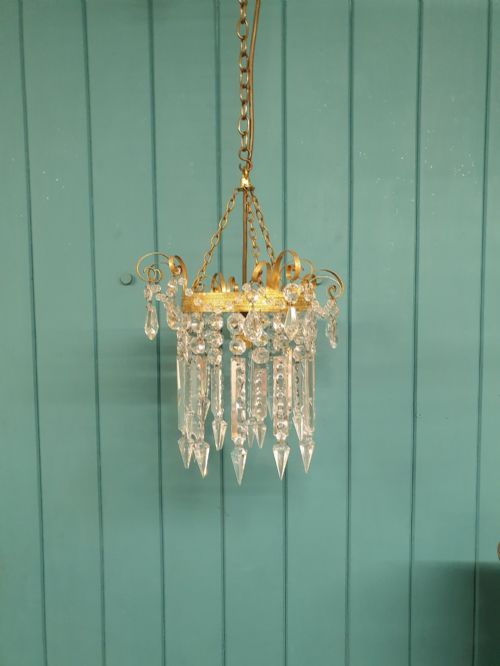


Antique Crystal Prism Drop
These antique crystal prism drop pieces catch the candlelight and turn a plain room into something special.
Antique Crystal Prism Drop
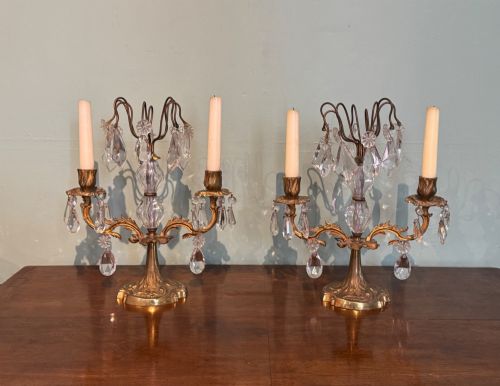
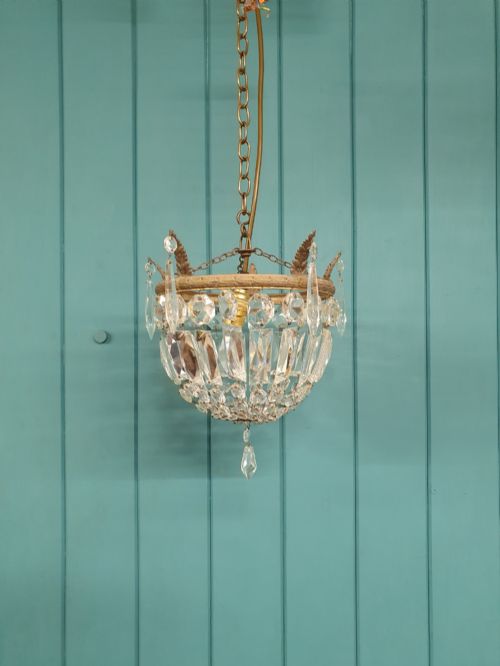
When you search for an antique crystal prism drop, you find hanging glass components used to refract light on lighting and mantel ornaments. These pieces appear across Victorian, Edwardian, and Regency periods on chandeliers, wall lights, and table lustres.
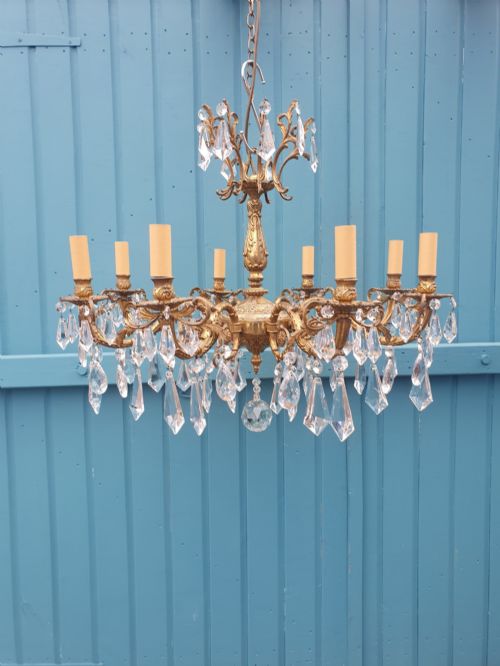
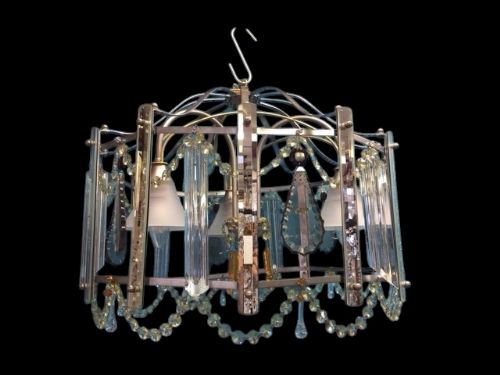
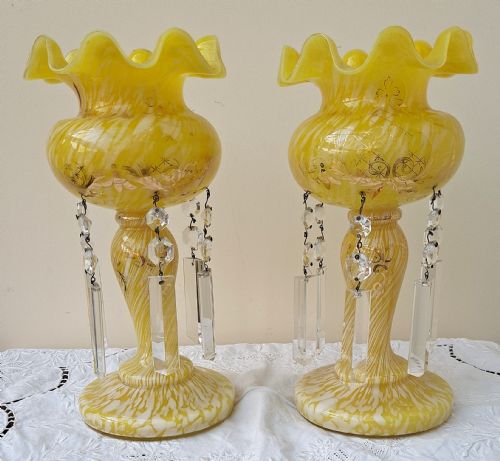
The most common forms on this page include hanging lustres, table candelabra, and chandeliers adorned with cut glass, coffin, spike, and oblong drops. They originate from English and French makers, spanning the nineteenth and early twentieth centuries.
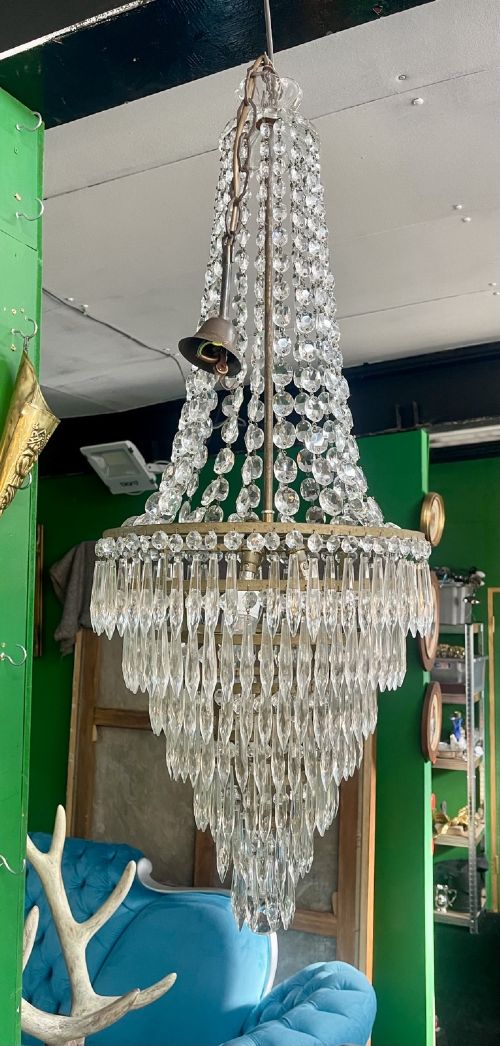
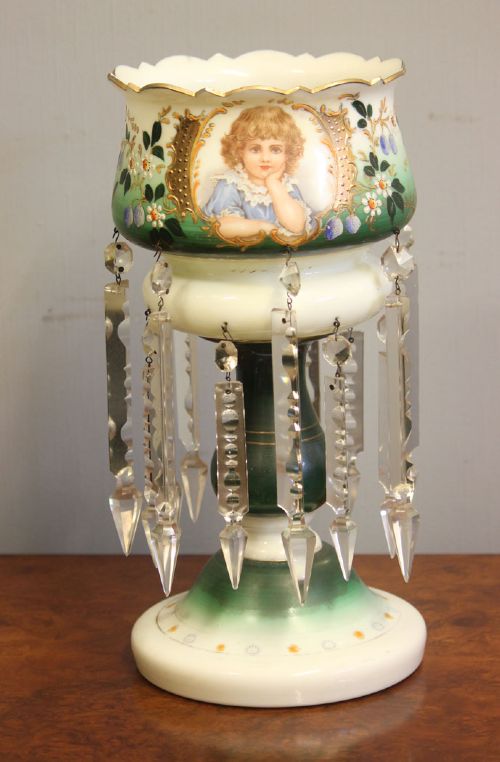
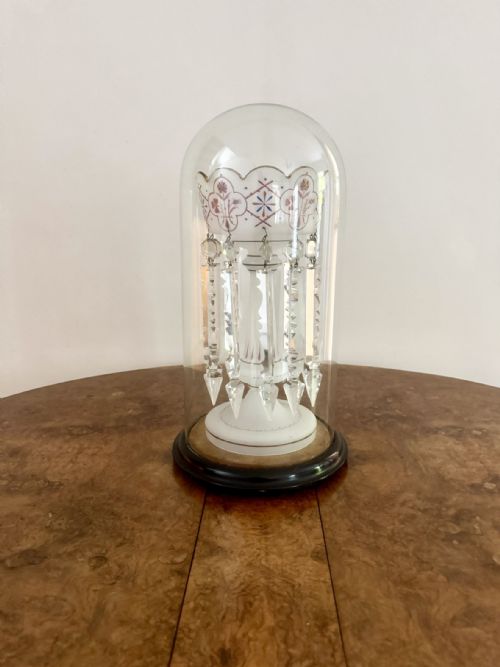
Table lustres and mantel lustres stand out as prominent decorative objects, often paired with glass domes or storm shades. Chandeliers utilise tiers of swag and tent configurations to suspend the glass drops in quantity.
How they were made
Craftsmen shaped these items using brass, gilded bronze, silvered metal, and various forms of glass. The metal frames provide structural support for the elaborate glass dressings.
The glass elements undergo manual cutting and polishing to create facets that catch the illumination. Workers then attach the crystal drops to the main body using wire links and brass pins.
Listings span the Regency era through to the 1930s, featuring brass, gilt, and ruby flash glass.
What varies in quality
Quality rests in the depth of the glass cutting and the clarity of the crystal material. Heavy, deeply faceted drops reflect light with sharper brilliance than thin, flat alternatives.
The weight and finish of the underlying metalwork also separate standard items from finer examples. Solid brass and heavy gilt bronze frameworks hold their shape and ornamentation far better over time than lighter alloys.
The Antique Crystal Prism Drop Glossary
- Lustre
- An ornamental tabletop vase or candlestick hung with glass pendants. They sit on mantelpieces and side tables.
- Chandelier
- A branched ceiling lighting fixture suspended from above. These fixtures carry numerous crystal drops in tiers and waterfalls.
- Coffin prism
- A long, flat-faced glass drop shaped like a coffin. They hang from early twentieth-century chandeliers.
- Spike chandelier
- A hanging light fixture featuring straight, pointed glass drops arranged in rows. They appear frequently in Edwardian pieces.
- Flash glass
- Glass cased in a thin layer of another colour, often ruby. Workers cut through the outer layer to reveal the clear glass beneath.
Antique Crystal Prism Drop: Frequently Asked Questions
How do I clean an antique crystal prism drop?
Wash each glass drop by hand using warm water and mild soap while it remains attached or after careful removal. Dry every piece immediately with a soft cloth to prevent water spots.
Avoid harsh chemical cleaners that can damage the surrounding brass or gilt surfaces. Take care when handling older wire links so they do not snap.
Where should I place mantel lustres?
Position mantel lustres on a fireplace mantelpiece, a sideboard, or a central console table where ambient light can strike the glass drops. They work best away from heavy household traffic to prevent accidental bumps.
Keep them out of direct, harsh afternoon sunlight if the coloured glass is sensitive to fading. Pair them with matching candlesticks for a balanced display.
Are these glass drops replaceable?
Replacement glass drops exist in various shapes and sizes to match older light fittings and lustres. Finding an exact match for nineteenth-century hand-cut glass requires patience and careful measurement.
Matching the length, top hole position, and cut pattern ensures the replacement blends seamlessly with the original pendants. Many collectors accept minor variations if the overall appearance remains undisturbed.
How can I tell a Victorian lustre from a Regency one?
Regency lustres typically exhibit crisp, geometric cut-glass patterns and slender proportions reflecting neoclassical tastes. Victorian examples often introduce rich colours like ruby and green flash glass alongside heavier, more rounded forms.
Examine the mounting pins and the method used to attach the drops to the main body. Earlier pieces often utilise specific handmade brass connections that differ from later industrial production.