





Antique Crown Derby Ceramic
When you collect antique crown derby ceramic, you hold porcelain shaped through centuries of English kiln craft.
Antique Crown Derby Ceramic
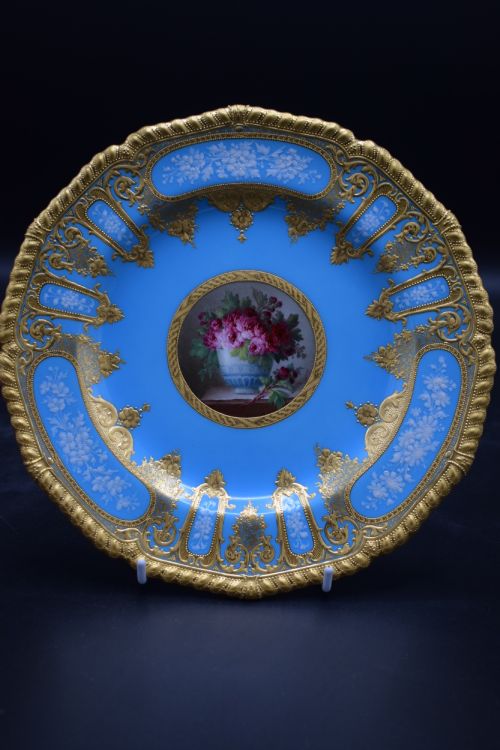
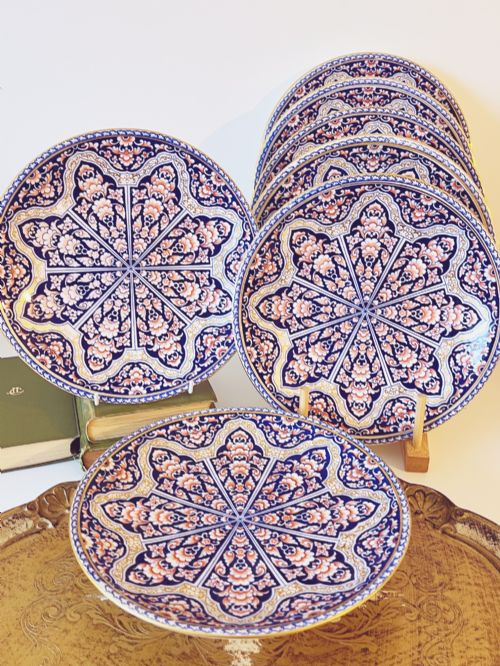
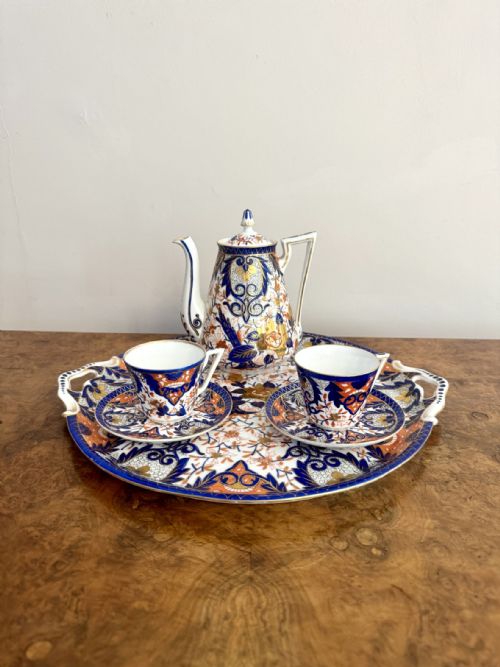
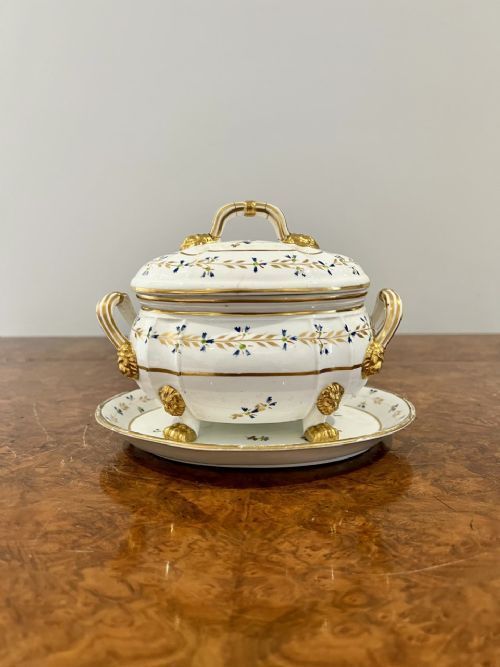
Antique crown derby ceramic encompasses cabinet plates, dessert services, vases, and figures produced across Georgian, Victorian, and Edwardian eras. Buyers encounter items ranging from miniature flat irons to large urns and service plates.
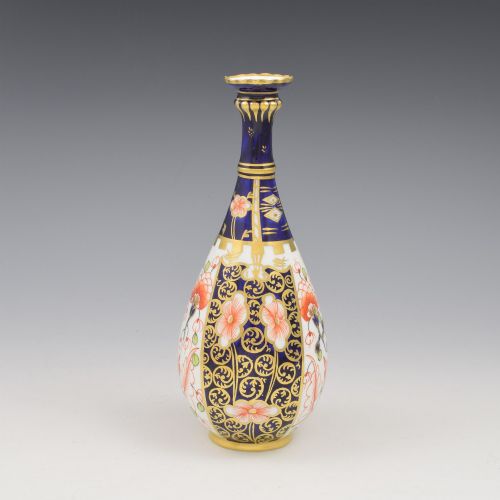
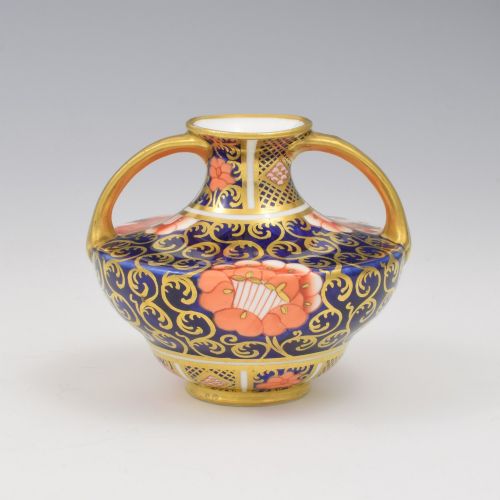
The selections span periods from the late eighteenth century through the early twentieth century, reflecting shifting tastes in decoration and form. Most items on this page display the distinctive Imari palette or hand-painted scenery characteristic of the factory.
Materials and Technique
Potters shaped these objects from porcelain and bone china, applying hand-painted pigments alongside rich gilding, gold leaf, and enamel. Artisans used raised gold decoration and cobalt blue underglazes to create depth on surfaces like ewers and porter mugs.
Makers such as George Robertson and Albert Gregory contributed hand-painted views and patterns to the bodies before firing. Skilled hands finished each piece with gilt highlights and intricate border work.
Antique Crown Derby Ceramic Retail Price Guide 2026
Typical asking prices for crown derby ceramic among the pieces listed under this phrase on Sellingantiques today, from the lower quarter to the upper quarter. They describe what is for sale here now, not the wider market.
The listings span porcelain and bone china forms from the Georgian period through the Edwardian era.
Factors of Distinction
Execution of hand-painted scenes separates standard domestic wares from cabinet pieces decorated by named artists. Precision in the application of gold leaf and the crispness of moulded details determine the standing of a vessel.
The complexity of the pattern, such as detailed English Imari motifs versus plain glazes, influences the visual weight of a service. Intact gilding and clear factory marks elevate the desirability of figures and urns.
George Robertson·John Ford·Albert Gregory·F Garnett
The Antique Crown Derby Ceramic Glossary
- Imari
- A decorative style featuring deep cobalt blue, iron red, and abundant gilding inspired by Japanese export porcelain. This palette defines many classic Crown Derby patterns.
- Bone china
- A type of porcelain containing bone ash, which yields a strong, milky white body suited for delicate figurines and service plates. It allows for thinner walls than traditional hard-paste porcelain.
- Comport
- A raised dish or bowl used for serving fruit or sweets as part of a dessert service. These pieces sit on central pedestals above the table surface.
- Gilding
- The application of gold leaf or gold paint to ceramic surfaces for accent and enrichment. Artisans burnished the metal to achieve a bright finish against the glaze.
Antique Crown Derby Ceramic: Frequently Asked Questions
How do I date antique Crown Derby?
Examine the base marks, which often include factory cyphers and pattern numbers that correspond to specific operational eras.
Style indicators like Georgian neoclassical forms or Edwardian Imari variants also help narrow the production decade.
Were these pieces meant for daily use?
Many items, such as dessert services, porter mugs, and coffee sets, served functional roles in wealthy households.
Cabinet plates, urns, and porcelain figures were primarily decorative objects intended for display in parlours.
What is English Imari?
English Imari adapts traditional Japanese porcelain designs using European kiln techniques and forms.
It relies on iron red, cobalt blue, and dense gilding arranged in complex geometric and floral panels.
How should I display porcelain figures?
Place figures in enclosed cabinets away from direct sunlight to protect the enamel colours and delicate gilding.
Ensure stable shelving that isolates the porcelain from vibrations and accidental knocks.