



Antique Crest Art
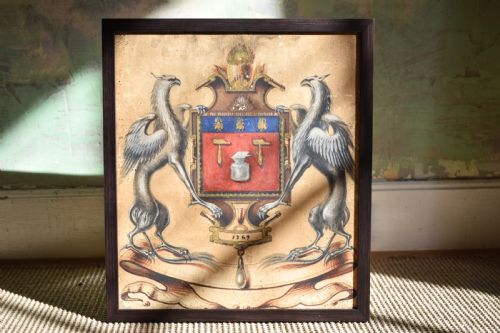
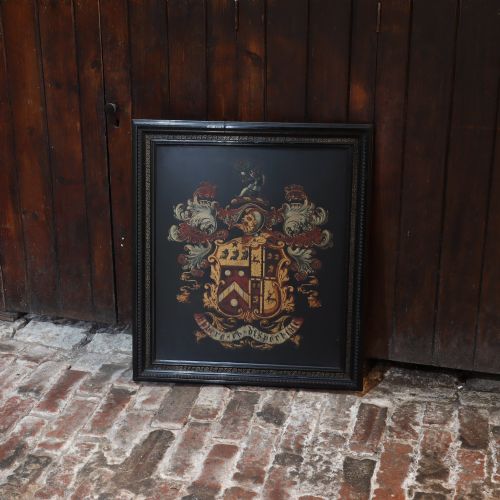
Antique crest art brings together heraldic panels, armorial watercolours, and carved coats of arms that carry centuries of lineage.
Antique Crest Art
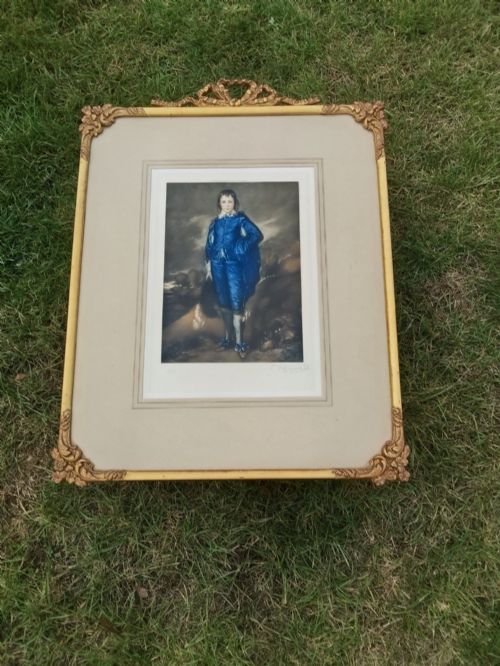
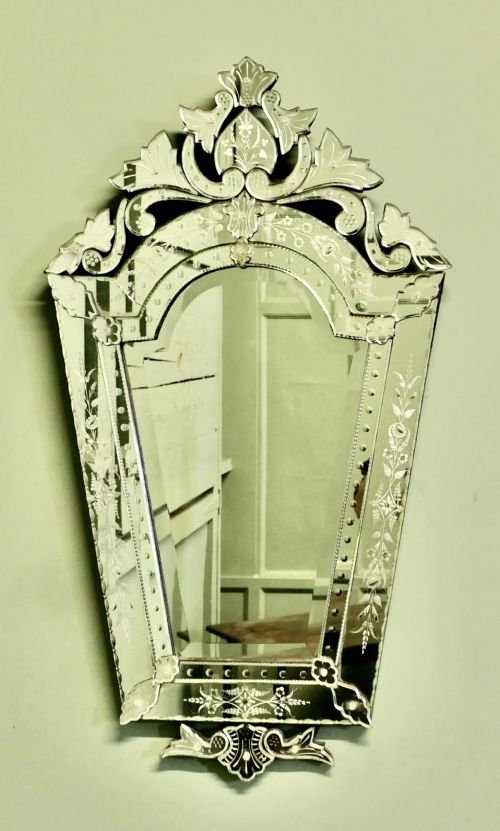
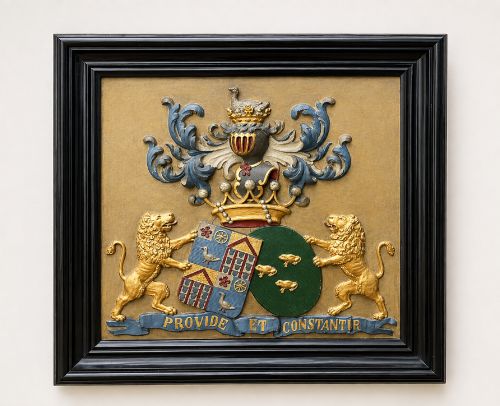
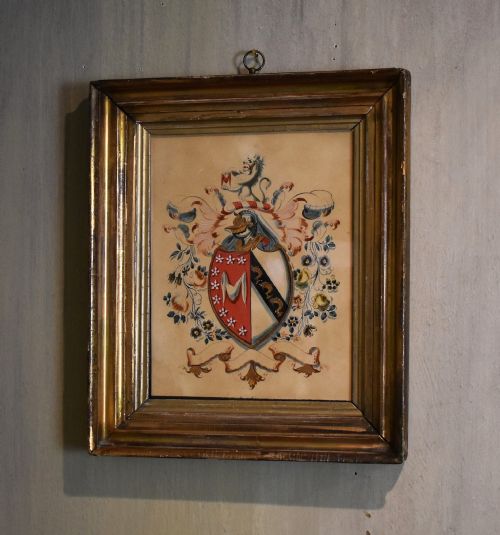
When you search for antique crest art, you encounter a diverse gathering of heraldic panels, armorial plaques, and painted devices originating from the Georgian period through to the 1930s. The selection on this page leans heavily toward 19th-century heraldry, painted glass, and carved wooden coats of arms.
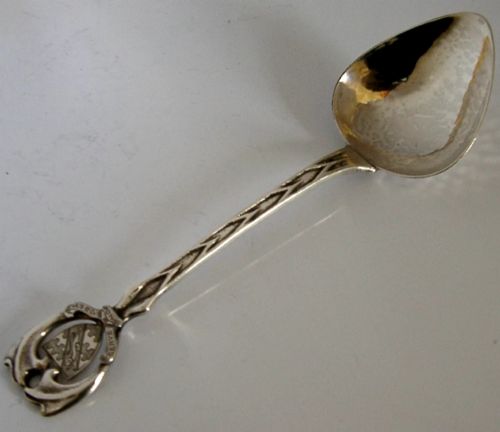
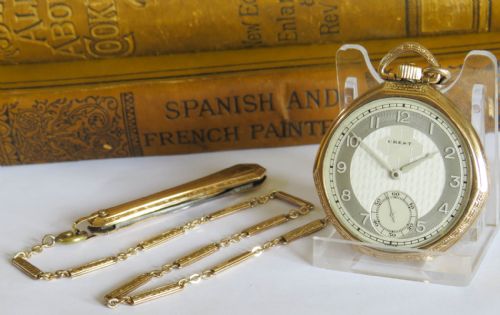
Makers and artists produced these works on materials such as oak, paper, copper, and glass, often incorporating specific family lineages or military associations. Wall art and wall plaques form the core of the available forms, reflecting how these armorial displays were originally intended for interior decoration.
Pieces range from marriage plaques bearing specific family surnames to military commemorative pieces associated with regiments like the Royal Artillery. Each item preserves a distinct visual record of identity, whether painted on glass, worked in wool, or cast in iron.
Materials and construction
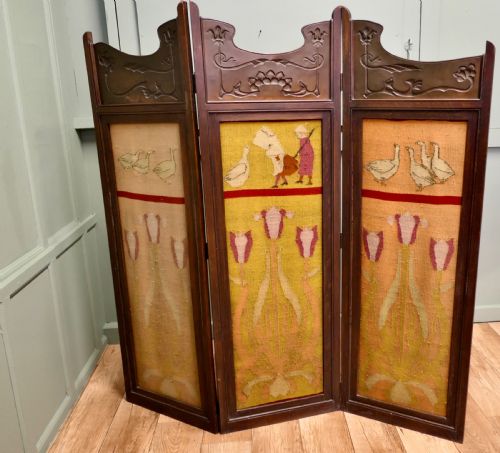
Wood serves as a primary foundation for many armorial pieces, utilising carved oak, giltwood, and general timber to form panels, screens, and frames. Artisans frequently integrated metal elements, employing hammered copper, brass frames, and cast bronze to give the crests physical depth.
Works on paper and glass rely on watercolour painting and oil application, capturing heraldic tinctures with precise pigment placement. Needlework and silk work items demonstrate alternative construction methods, stitching commemorative military crests into fabric substrates.
Antique Crest Art Retail Price Guide 2026
Typical asking prices for crest art among the pieces listed under this phrase on Sellingantiques today, from the lower quarter to the upper quarter. They describe what is for sale here now, not the wider market.
Armorial objects span diverse forms including wall plaques, painted glass, and embroidered silk works.
Assessing quality and execution
The distinction between standard items and finer examples rests upon the precision of the heraldic painting and the crispness of the carving. Superior panels display sharp relief in carved wood or cast metal, whereas lesser examples show softer, worn detailing.
Material combination and framing also dictate overall standard, with original giltwood frames or specialist glass techniques elevating the presentation of the crest. The historical clarity of the lineage adds further weight, as documented family or military provenance enhances the object.
Connell·Hotoda·Loetz Witwe
The Antique Crest Art Glossary
- Coat of arms
- A distinct heraldic design originally displayed on a surcoat, comprising a shield, crest, and motto. These visual symbols identified noble families, institutions, and military units.
- Heraldry
- The system of designing, displaying, and recording armorial bearings. This tradition governed the correct depiction of lineage and familial alliances.
- Giltwood
- Wood that has been treated with a thin layer of gold leaf or gold paint. It frequently appears on decorative frames surrounding armorial paintings.
- Armorial
- Relating to or bearing a heraldic coat of arms. Pieces described this way incorporate specific family or institutional crests.
- Trench art
- Objects made by soldiers, prisoners of art, or civilians from war scrap and munitions. Examples in this category include shell cases marked with military crests.
Antique Crest Art: Frequently Asked Questions
What is antique crest art?
Antique crest art encompasses decorative items displaying heraldic symbols, coats of arms, and armorial bearings. These objects include painted panels, carved wooden plaques, and embroidered military pieces.
Created across various eras, they primarily serve as historical visual records of families, regiments, and institutions. Buyers use them to bring traditional lineage and graphic design into interior spaces.
How were heraldic panels used?
Heraldic panels were traditionally displayed within grand homes, public halls, and municipal buildings to denote family ancestry or institutional authority. They functioned as statements of heritage and social standing.
Today, collectors hang these panels and plaques on walls much like paintings or mirrors. They suit studies, libraries, and hallways where traditional decor is preferred.
How do I date a crest piece?
Dating relies on examining the substrate, framing style, and painting or carving techniques. Georgian and 19th-century pieces often feature hand-mixed watercolours, oil on glass, or deep hand-carved oak.
Later 20th-century items from the 1920s and 1930s may show industrial framing methods or materials like hammered metal and Bakelite. Comparing the heraldic style to established genealogical records helps narrow the period.
Are military crests common?
Military crest items appear frequently, particularly those associated with regiments like the Royal Artillery through embroidered silks and marked shell cases. These pieces were often commissioned to commemorate service or battery deployments.
They offer a direct link to military history and differ from domestic family crests by focusing on collective unit identity. Collectors often group them alongside traditional armorial art.