



Antique Credenza Display Shelves
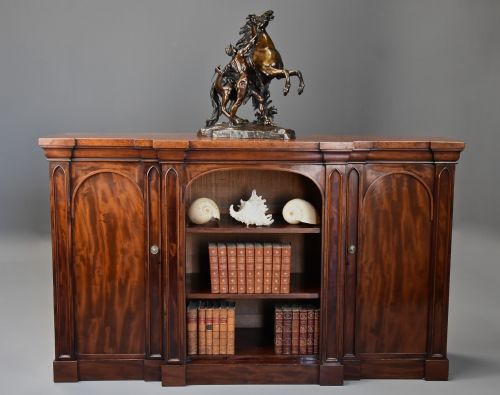
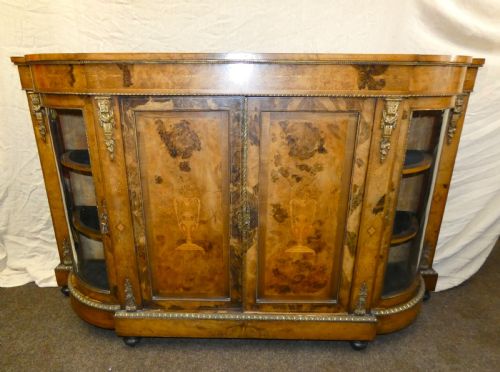
These antique credenza display shelves and related low cabinets bring nineteenth-century timber and glasswork into the home.
Antique Credenza Display Shelves
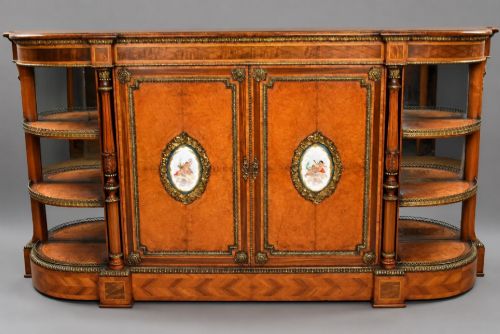
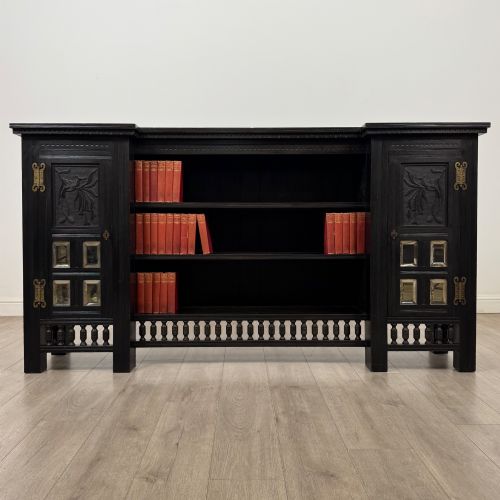
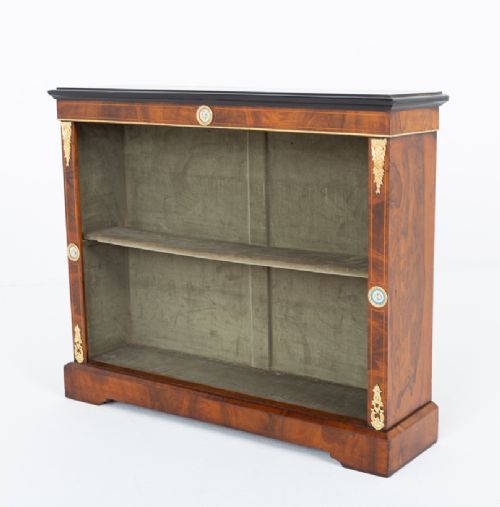
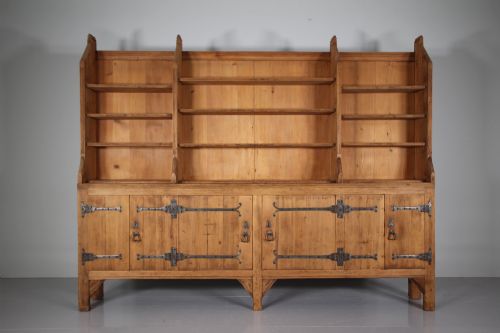
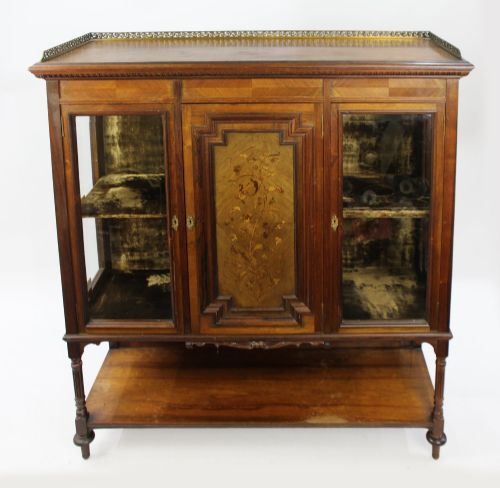
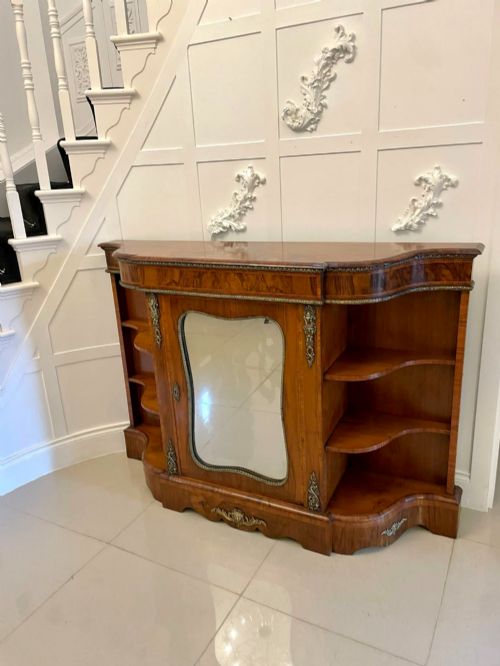
When you search for antique credenza display shelves, you encounter a selection of nineteenth-century low cabinets, sideboards, chiffoniers, and bookcases designed for storage and display. The pieces on this page span the Regency and Victorian periods, drawing on styles such as Victorian Gothic Revival, Arts and Crafts, Sheraton, and French Empire.
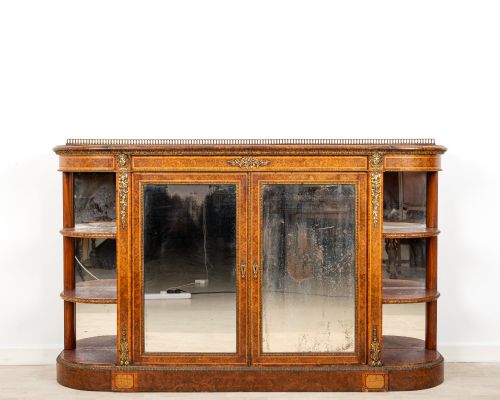
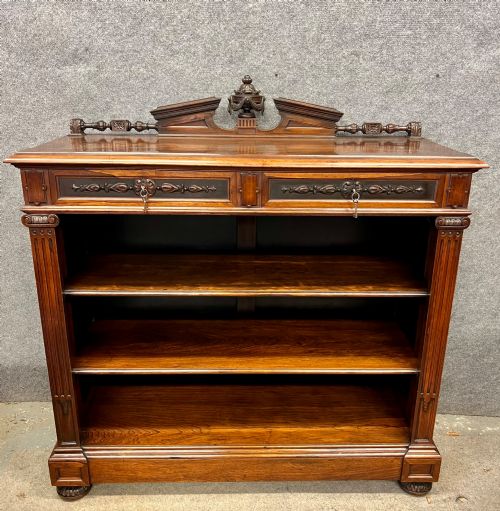
You are most likely to meet burr walnut and mahogany credenzas, alongside rosewood chiffoniers and walnut side cabinets, many featuring glazed doors or mirrored backs. These items originated as formal reception room furniture intended to showcase prized possessions while concealing other household items behind timber doors.
Materials and construction
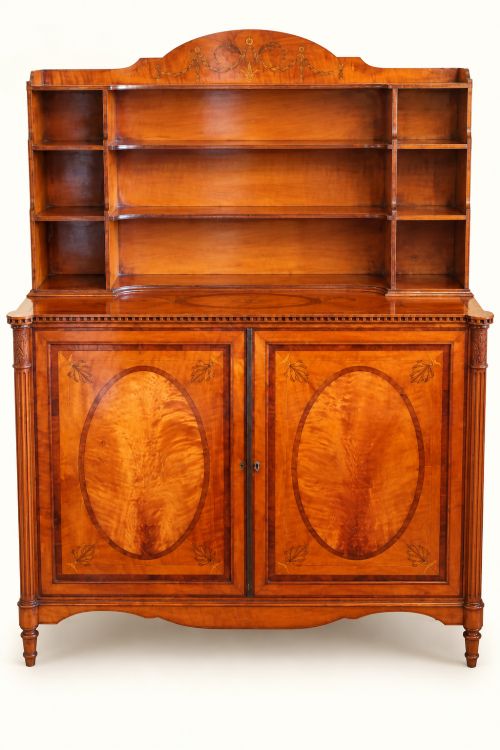
Cabinet makers built these pieces using dense hardwoods like mahogany, rosewood, and burr walnut, frequently applying fine veneers to create figured surfaces. Craftsmen inlaid satinwood and other contrasting timbers into the primary panels to form geometric and floral motifs.
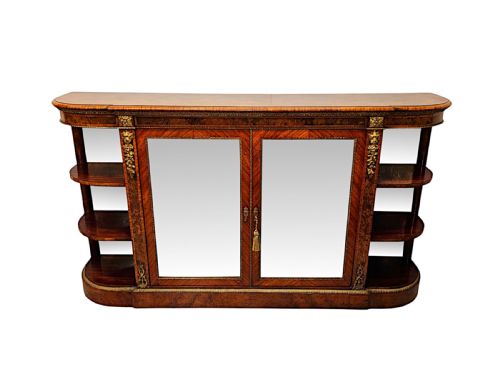
Metalwork played a structural and decorative role, with cast or chased ormolu mounts and brass inlays accentuating the timber frames. Glass panels were fitted into glazed doors and display sections, while marble tops appeared on select Regency examples.
Antique Credenza Display Shelves Retail Price Guide 2026
Typical asking prices for credenza display shelves among the pieces listed under this phrase on Sellingantiques today, from the lower quarter to the upper quarter. They describe what is for sale here now, not the wider market.
Listings feature nineteenth-century furniture built from burr walnut, mahogany, and rosewood, incorporating brass, ormolu, and glass.
Judging quality in nineteenth-century cabinets
The distinction between ordinary workshop output and top-tier cabinet making rests on the selection of timber veneers and the crispness of the joinery. Figured burr walnut or flame mahogany with symmetrical grain patterns marks out the better examples on the market.
Ormolu mounts that are finely chased rather than cast flat, alongside intricate satinwood inlay and original mirrored glass, elevate a cabinet. Maker attribution, through stamps or documented provenance, further separates standard production pieces from master works.
Gillows·Robert Strahan·Druce & Co
The Antique Credenza Display Shelves Glossary
- Credenza
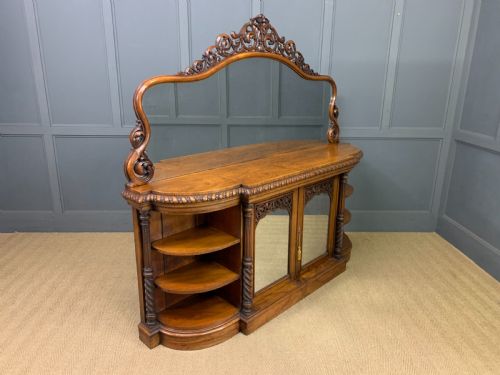
- A low cabinet, typically enclosed centrally with doors and flanked by glazed display sections or curved ends.
- Ormolu
- Gilded bronze applied as decorative mounts to the corners, friezes, and doors of nineteenth-century cabinetry.
- Chiffonier
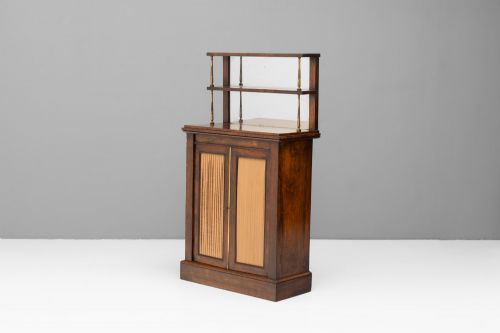
- A compact sideboard or low cupboard, often featuring a raised shelf or mirrored superstructure at the back.
- Burr walnut
- Timber taken from the abnormal growth of a walnut tree, yielding highly figured, swirling grain patterns prized by cabinet makers.
- Palisander
- A dense, dark exotic timber akin to rosewood, utilised for rich grain contrast in nineteenth-century furniture.
Antique Credenza Display Shelves: Frequently Asked Questions
What is a credenza?
A credenza is a low form of nineteenth-century cabinet traditionally placed against a parlor wall for storage and display. These pieces usually feature a central cupboard flanked by curved glass doors or open shelving.
Over time, the form evolved from sideboard designs into dedicated display furniture incorporating mirrored backs and ormolu mounts to reflect candle or gas light in a formal room.
How do I style a cabinet?
These low cabinets suit living rooms and dining spaces where their flat top surfaces and glazed display sections can be utilised. They provide practical storage within a compact footprint while offering a focal point for ceramics or glassware.
Keep the surrounding decor simple to let the figured burr walnut, mahogany, or rosewood grain stand out as the primary visual element in the interior.
How do I date a piece?
Dating relies on observing the combination of timber, hardware, and stylistic influences recorded across the nineteenth-century listings. Regency pieces often showcase brass inlay and mahogany, while later Victorian examples favor burr walnut and heavy ormolu.
Construction details, such as the type of drawer linings and the method of securing backboards, provide further clues to whether a cabinet dates from the eighteen-fifties or the eighteen-eighties.
What is the difference between a credenza and a chiffonier?
A credenza is typically symmetrical, featuring a central cupboard flanked by matching glazed doors or curved display cabinets on both sides. It sits low to the ground and emphasises horizontal display.
A chiffonier is generally smaller and often incorporates a raised shelf or a mirrored superstructure on top of the main timber carcase, serving a dual role for storage and tiered display.