


Antique Creamer Jug
An antique creamer jug brings small-scale silver and porcelain craft to the tea service, offering tactile charm for the table.
Antique Creamer Jug
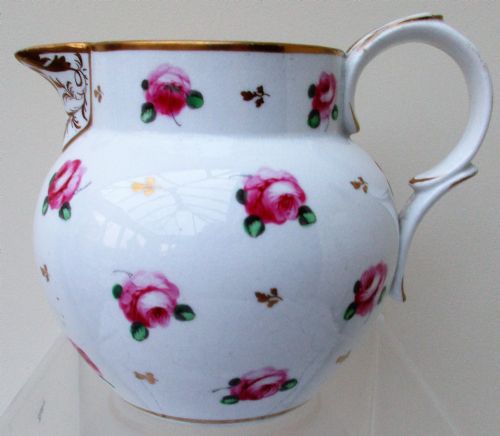
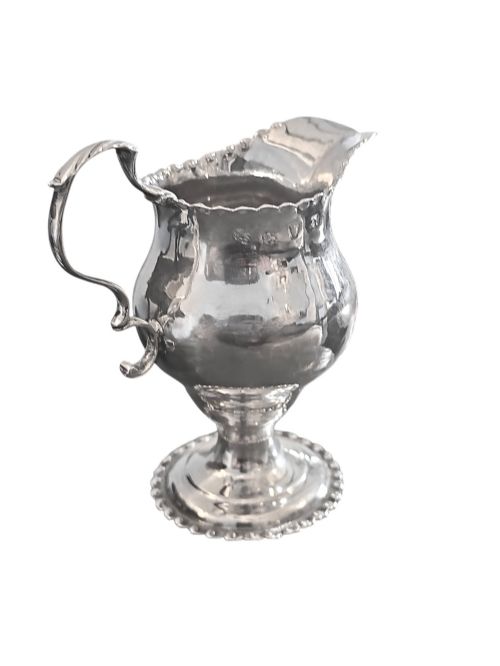
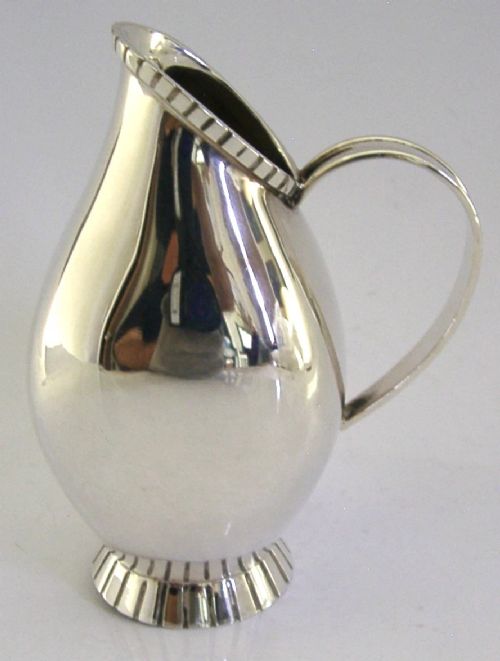
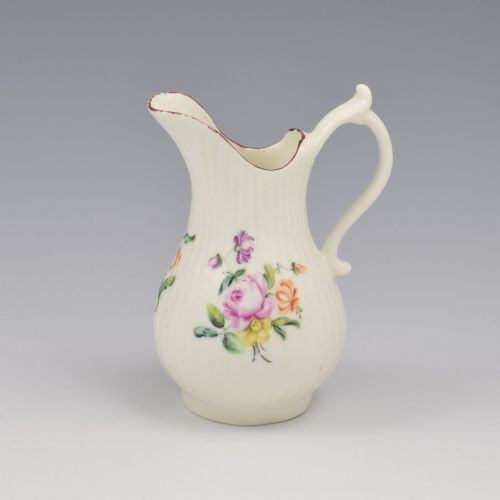
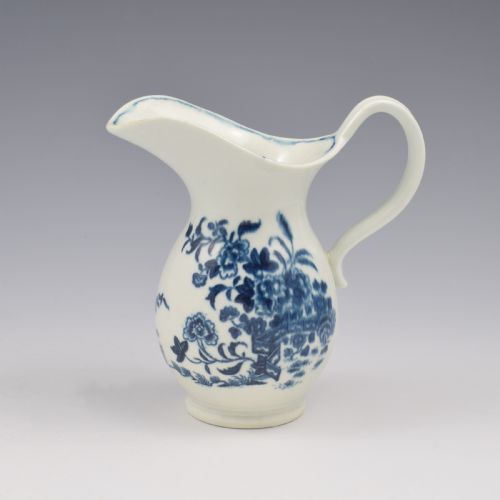
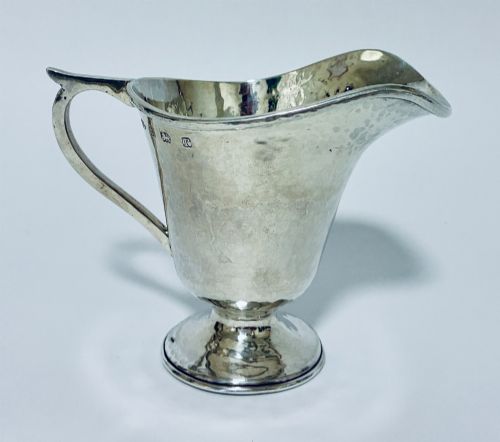
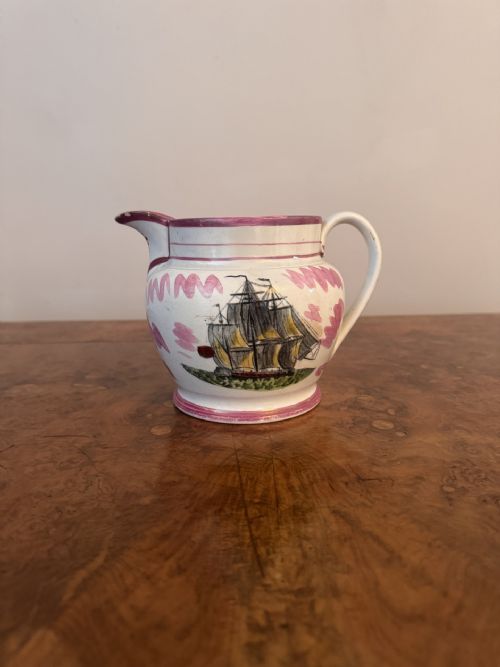
The antique creamer jug appears across Georgian, Victorian, and later periods as a small vessel designed for pouring milk or cream at tea. These pieces range from delicate 18th-century porcelain to robust sterling silver and earthenware.
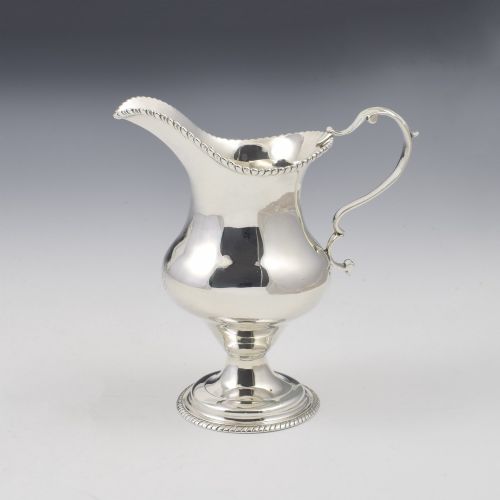
Silver examples often feature chased bodies or classical forms, while ceramic versions display hand-painted floral patterns, transfer prints, or moulded shapes like the famous cow creamers. Buyers meet both functional tableware and novelty figural designs on this page.
How They Were Made
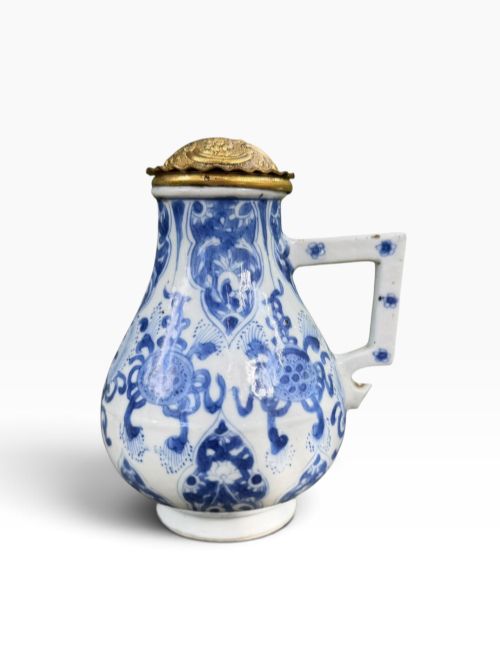
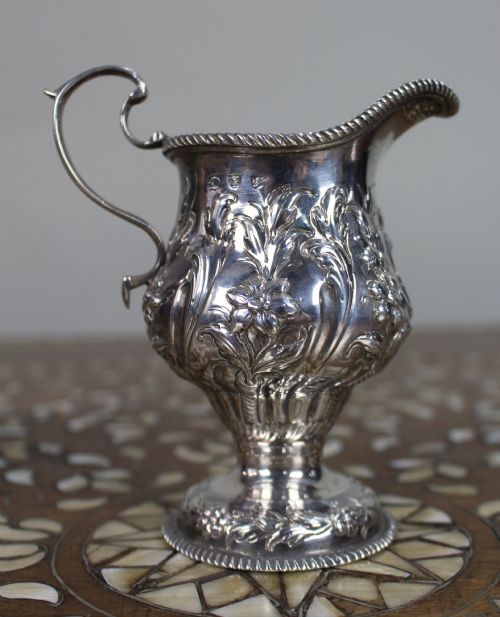
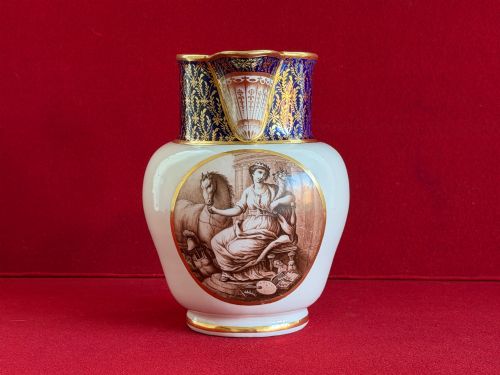
Silversmiths formed sterling silver creamers through hammer-raising, casting, and repoussé decoration, often mounting the vessels on three small feet or a stepped pedestal base. Makers of porcelain and earthenware shaped their wares by hand or in moulds before applying lead glazes, enamel colours, and sometimes gold leaf highlights.
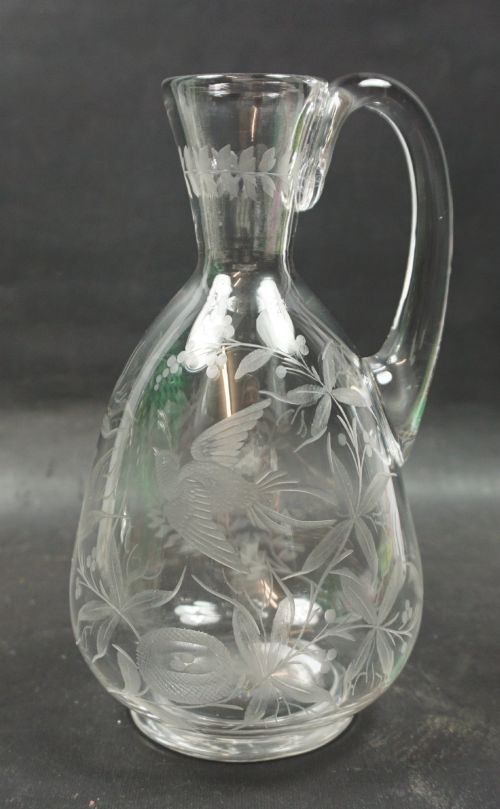
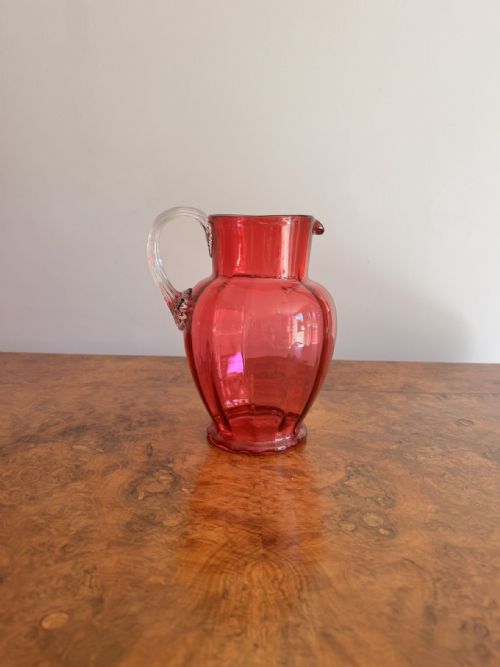
Glassmakers utilised blown techniques, adding cobalt blue colouring or casing glass in rich cranberry tones to achieve decorative contrast. These varied methods produced durable domestic vessels that retain their structural integrity.
Antique Creamer Jug Retail Price Guide 2026
Typical asking prices for creamer jug among the pieces listed under this phrase on Sellingantiques today, from the lower quarter to the upper quarter. They describe what is for sale here now, not the wider market.
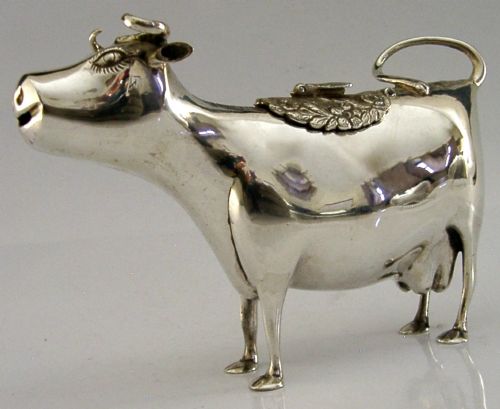
Several cows have glass eyes.
What Varies in Quality
Quality rests upon the crispness of the modelled detail, whether in the delicate fluting of porcelain or the sharp relief of silver chasing. The clarity of hand-painted enamels and the weight of the metal distinguish standard production items from finer studio or factory output.
Proportion and balance also govern the piece, as a well-designed handle and pouring lip must integrate harmoniously with the main body. Maker marks and crisp hallmarks further elevate the standing of silver examples.
Stalker and Mitchison·John Emes·James Gordon·H and R Daniel·Goldsmiths and Silversmiths
The Antique Creamer Jug Glossary
- Cow creamer
- A figural vessel shaped like a cow with a lid on its back and a tail forming the handle, used for pouring cream. This whimsical form became popular in earthenware and silver during the eighteenth and nineteenth centuries.
- Sparrowbeak
- A small, distinctive lip on eighteenth-century porcelain cream jugs resembling a bird's beak. This form allows for a controlled, narrow pour.
- Repoussé
- A metalworking technique where the silversmith hammers the design from the reverse side to form raised relief patterns on the front. It creates tactile depth on Georgian and Victorian silver bodies.
- Gilt
- A thin layer of gold applied to the interior or exterior surface of silver and porcelain vessels. This finish protected silver from tarnishing when in contact with dairy.
- Polychrome
- Decoration employing multiple distinct colours, typically hand-painted on porcelain and earthenware bodies. It allows for detailed floral and figural scenes.
Antique Creamer Jug: Frequently Asked Questions
What is a cow creamer?
A cow creamer is a figural jug fashioned as a cow, where milk is poured through an opening in the back fitted with a lid, and dispensed from the animal's mouth. These novelties appeared in both pottery and sterling silver.
Craftsmen often included a small fly or bee motif on the lid as a whimsical touch. They served as conversation pieces on Georgian and Victorian tea tables.
How do I date a silver creamer?
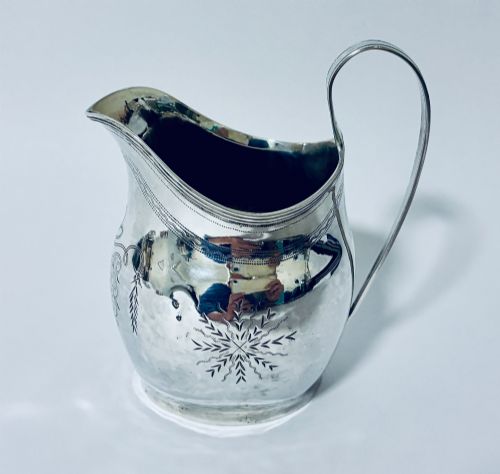
Dating relies on the hallmarks stamped into the metal, which record the assay office, the date letter for the year, and the maker's mark. Stylistic clues like Neoclassical shapes or heavy Victorian ornamentation also point to specific eras.
Georgian examples tend to feature bright-cut engraving or pedestal feet, whereas later Victorian pieces often showcase heavier cast handles and floral embossing.
Are porcelain creamers fragile?
Eighteenth and nineteenth-century porcelain wares require careful handling due to their age and the delicate nature of applied handles and spouts. However, they were built as functional tableware and withstand normal use.
Wash them by hand in warm water rather than placing them in a modern dishwasher to protect the enamel decoration and any gilt highlights.
What is the difference between a milk jug and a creamer?
A milk jug is generally larger and held enough milk for a full gathering, while a creamer is smaller and designed specifically to hold rich cream for individual cups. In practice, historical makers often used the terms interchangeably.
Both vessels share similar pouring spouts and handle configurations, though creamers more frequently adopt novelty shapes like birds or cows.