

Antique Cream Chairs
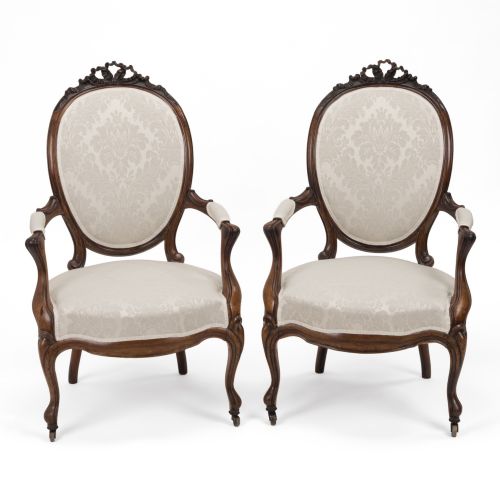
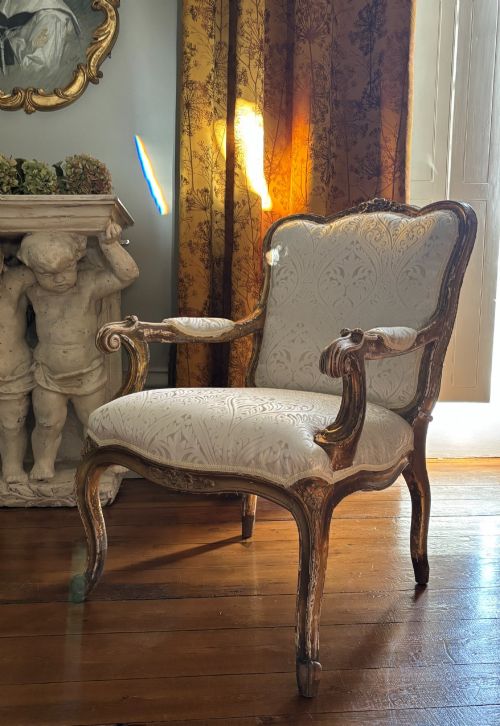
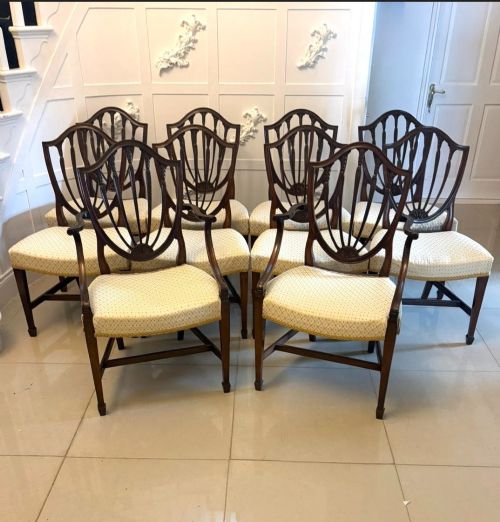
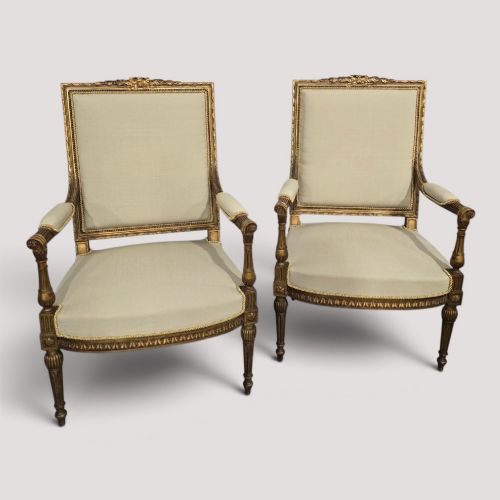
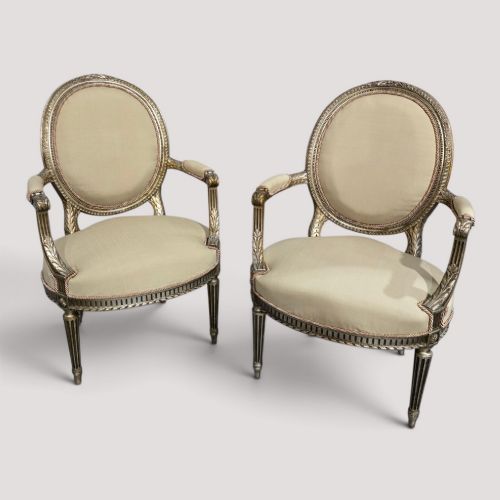
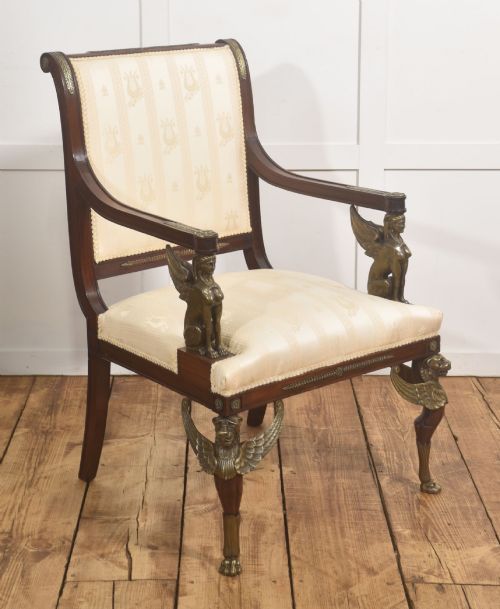
These antique cream chairs bring character and period form to a room, ranging from walnut dining sets to French open armchairs.
Antique Cream Chairs
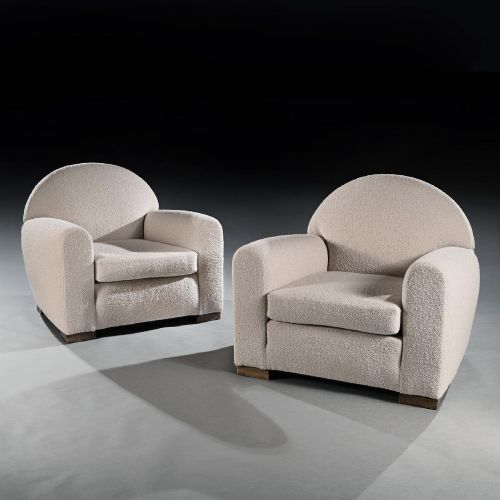
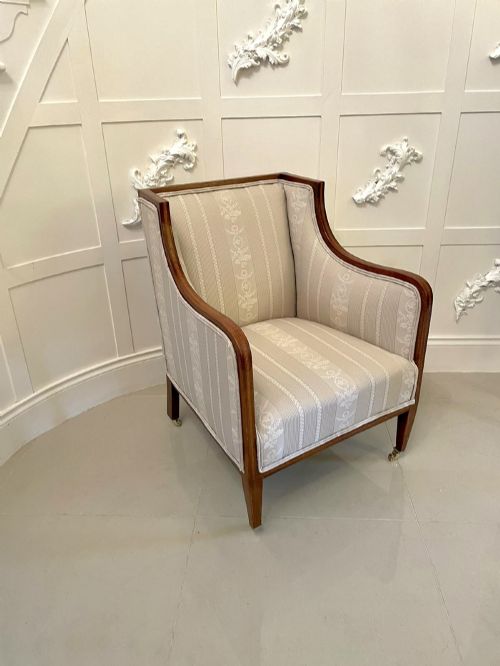
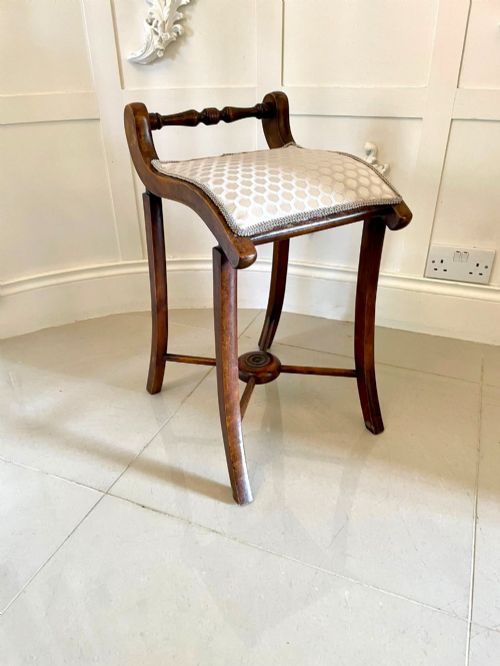
When you search for antique cream chairs, you encounter seating spanning the eighteenth century through to the art deco period. The selection includes dining chairs, library armchairs, salon suites and window seats shaped by distinct historical styles.
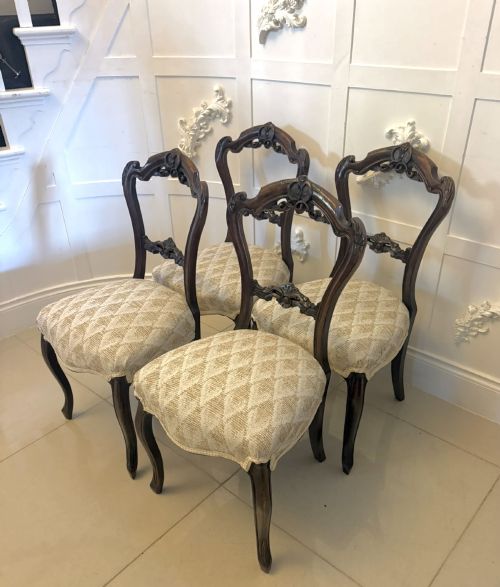
Victorian walnut balloon back chairs and nineteenth century French salon chairs appear frequently alongside mahogany pieces from the Regency and Georgian eras. Makers and workshops worked timber frames to suit drawing rooms, libraries and dining spaces.
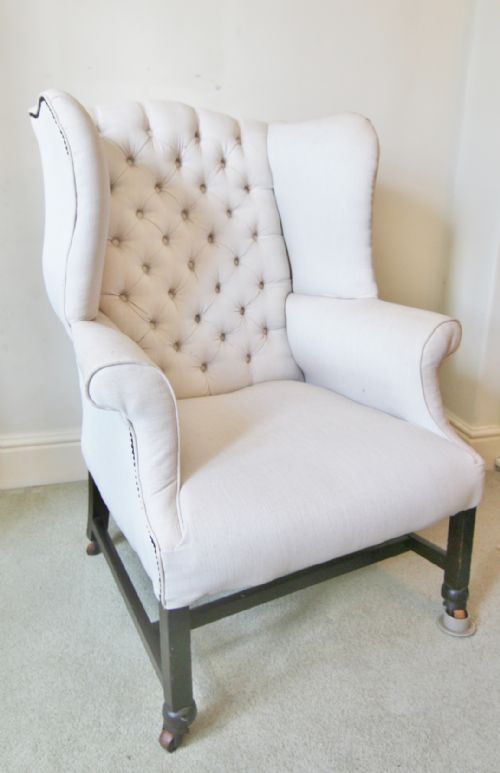
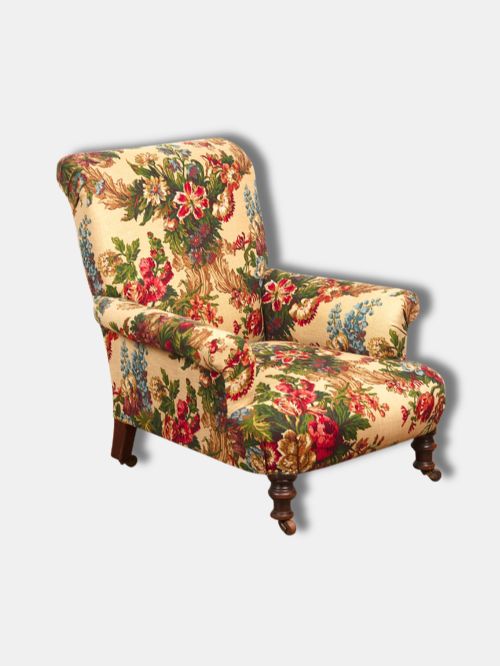
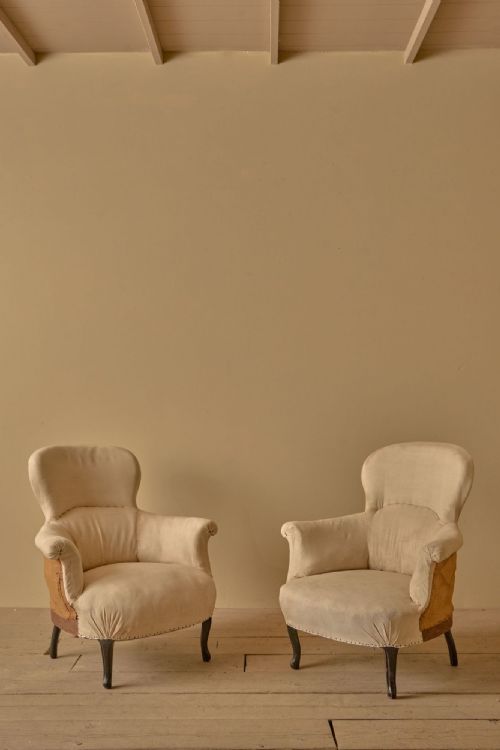
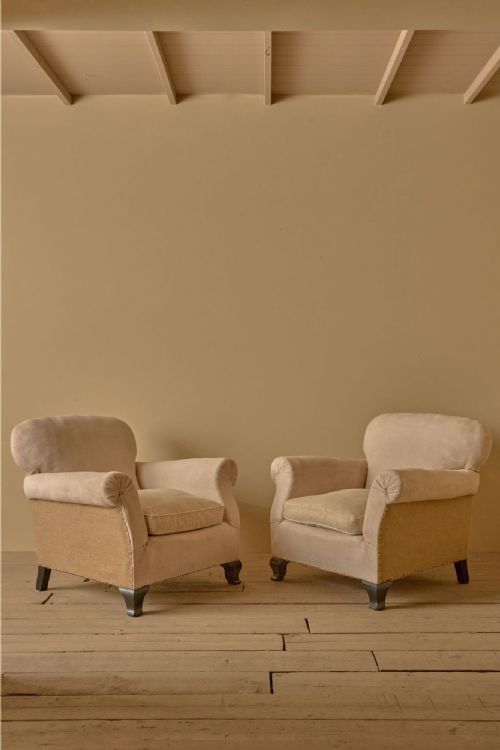
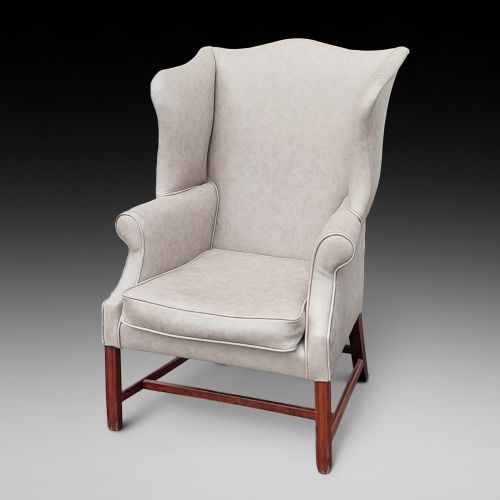
The forms vary from simple side chairs to robust wing back armchairs and club chairs upholstered in calico, fabric or leather. Each piece reflects the domestic habits and craftsmanship of its specific decade.
How they were made
Carpenters and cabinetmakers utilised solid timbers such as mahogany, walnut, oak and satin birch for the structural frames. These woods provided the necessary strength for carved details, cabriole legs and curved backs.
Upholstery relied on traditional textiles including calico, leather and various woven fabrics stretched over internal padding. Gilt brass mounts and inlay work added decorative contrast to the polished wood surfaces.
Antique Cream Chairs Retail Price Guide 2026
Typical asking prices for cream chairs among the pieces listed under this phrase on Sellingantiques today, from the lower quarter to the upper quarter. They describe what is for sale here now, not the wider market.
One chair even carries a patent label for a gentleman who seemingly wished to recline in absolute nineteenth century luxury.
What varies in quality
The refinement of the carving on walnut and mahogany frames distinguishes standard production from exceptional examples. Crisp lines on balloon backs, cabriole legs and arms show the carver's control over the timber.
The integrity of the original wood grain, the weight of the timber and the precision of joinery determine the standing of each piece. Superior items retain their structural rigidity and balanced proportions across the entire suite or pair.
Howard and Sons·Maurice Adams
The Antique Cream Chairs Glossary
- Balloon back
- A rounded, oval-shaped chair back popular on nineteenth century dining chairs. This curved timber frame offers comfortable support.
- Bergere
- An enclosed upholstered armchair with wooden framing exposed around the sides and back. French examples often feature painted or polished finishes.
- Calico
- A plain-woven textile used as a base layer for upholstery or as a primary covering. It provides a neutral, durable surface on antique seating.
- Gilt brass
- A metal alloy treated to resemble gold, utilised for decorative mounts and accents on nineteenth century furniture. It brings a bright metallic contrast to dark wood.
- Salon suite
- A matching set of seating furniture, including sofas, armchairs and side chairs, designed for formal entertaining rooms. These groupings display uniform upholstery and woodwork.
Antique Cream Chairs: Frequently Asked Questions
What periods do these chairs cover?
The pieces span from the eighteenth century through the Victorian era and into the 1930s. You find styles ranging from Georgian and Regency to Art Deco and French Napoleon III.
Each era contributes distinct silhouettes and timber choices to the selection, from heavy mahogany library chairs to light satin birch designs.
How were these chairs used historically?
Armchairs and club chairs furnished libraries and drawing rooms for reading and relaxation. Dining sets gathered families around tables for meals in country houses and town residences.
Smaller side chairs and music chairs served parlours and salons where guests sat for conversation or musical performances.
How do I identify a Victorian chair?
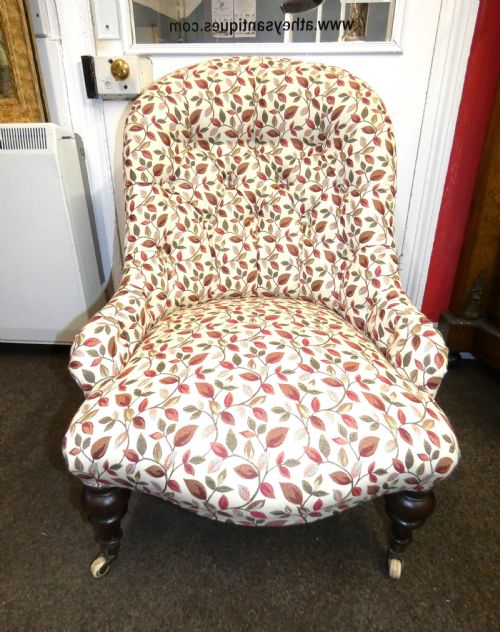
Victorian pieces frequently utilise walnut and feature carved details, balloon backs or buttoned upholstery. The forms often display the heavier proportions favoured during the nineteenth century.
Look for structural characteristics like turned legs and upholstered wing backs that typify the domestic seating of that long reign.
What materials are common in these frames?
Mahogany and walnut form the backbone of the wooden frames across most eras. Cabinetmakers also employed oak, satin birch and rosewood for specific regional and stylistic requirements.
Metal accents appear as brass fittings, while upholstery employs leather, calico and various woven textiles.