
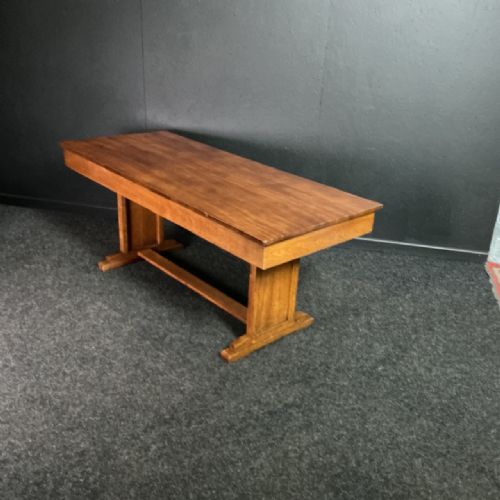


Antique Craft Work Table
An antique craft work table brings clever storage and a dedicated surface for sewing or needlework straight into a modern sitting room.
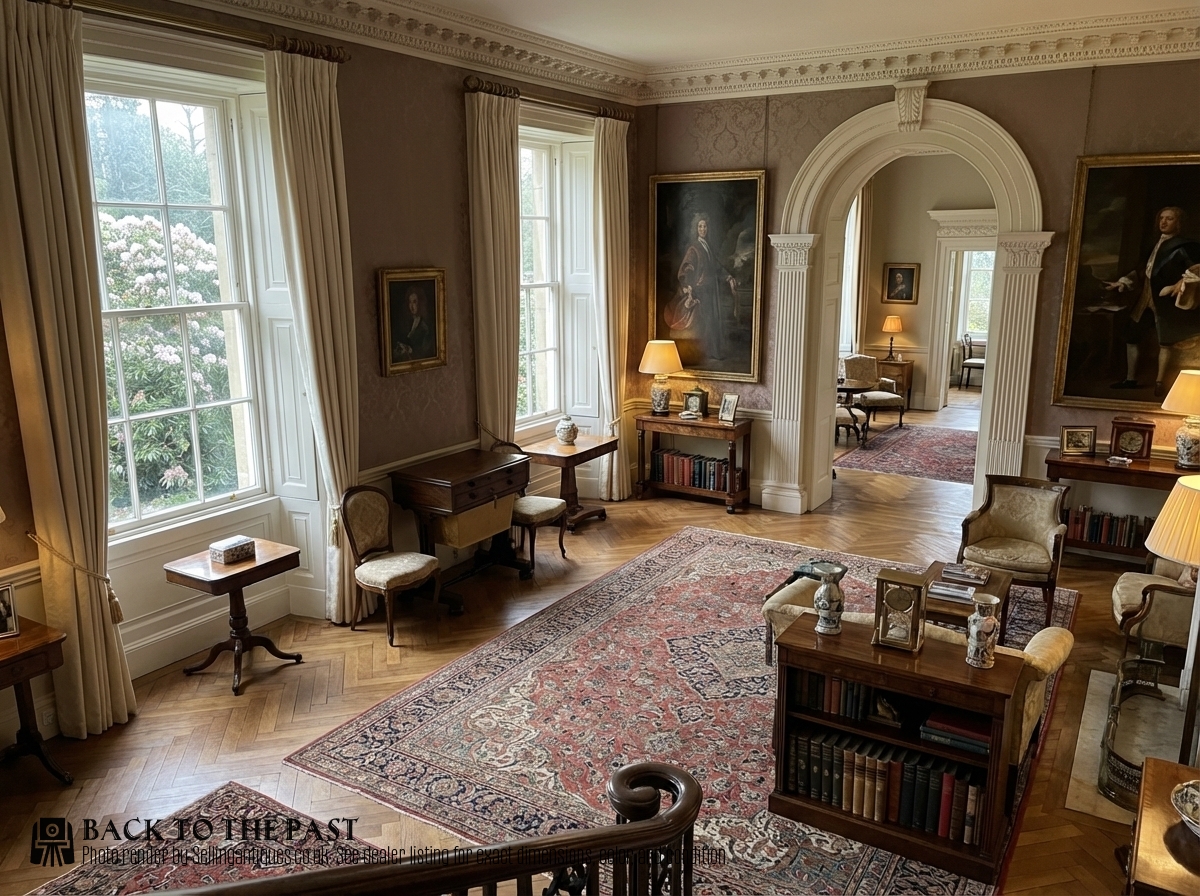
Antique Craft Work Table
An antique craft work table serves as a functional sewing stand, occasional table, and small desk combined into a single piece of furniture. When you search for this phrase, you find compact pieces designed to hold threads, fabrics, and needlepoint supplies beneath a hinged or fitted top.
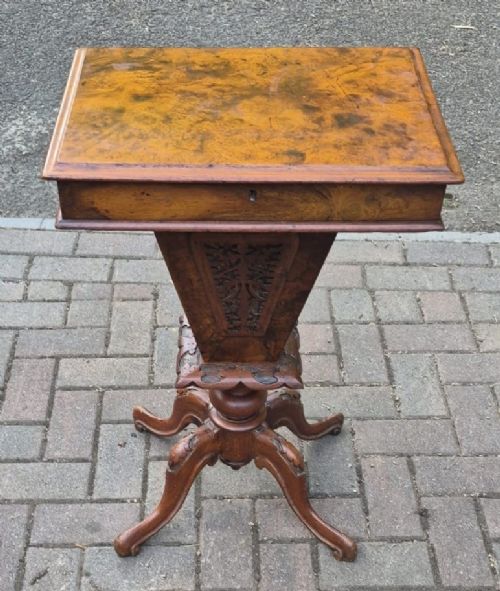
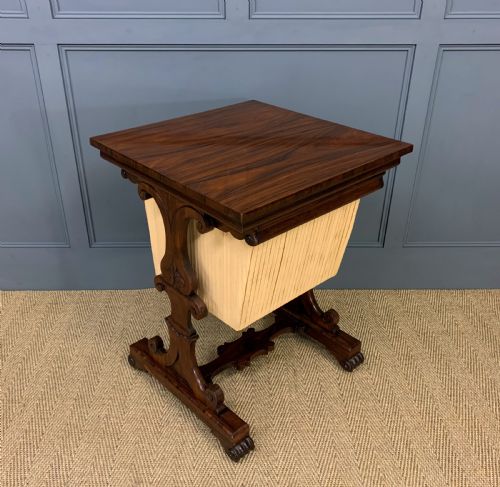
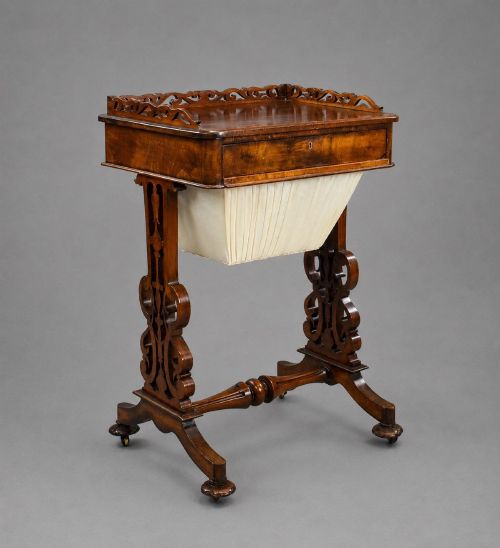
The versions you meet most often on this page date from the nineteenth century, including Victorian walnut and mahogany models alongside Regency and Edwardian examples. Many incorporate fitted interior compartments, silk catch bags, or tapestry panels intended specifically for domestic handicrafts.
Materials and construction
Cabinetmakers constructed these tables using dense timbers like mahogany, walnut, rosewood, and oak, often highlighting figured veneers or satinwood inlays. Burr walnut and rosewood frequently appear on finer nineteenth-century examples to create decorative lid surfaces.
Internal compartments require precise joinery to organise small tools, bobbins, and writing implements without jamming the folding tops or sliding drawers. Brass hinges, locks, and occasional cast iron or wrought iron supports provide the mechanical strength needed for daily use.
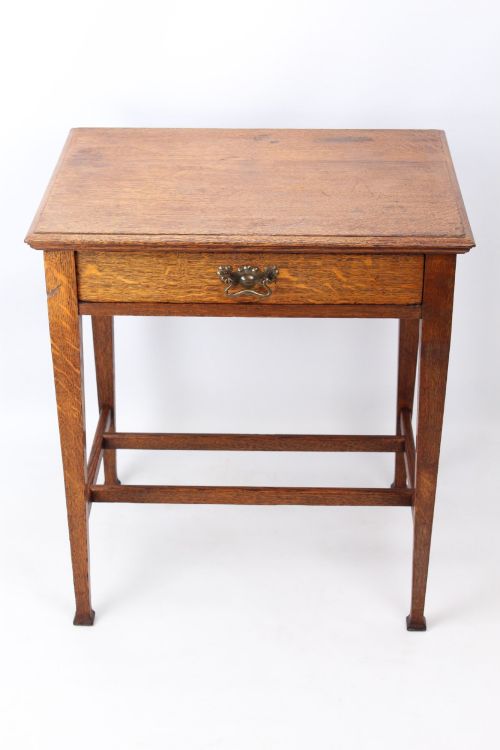
Listings span multiple decades from the nineteenth century through the 1930s, featuring oak, mahogany, walnut, and rosewood.
Distinctions in quality
The value of craftsmanship shows in the crispness of the timber carving, the tightness of the dovetail joints in the internal drawers, and the preservation of original fabric bags or tapestry inserts. Superior pieces utilise solid mahogany or figured burr walnut rather than plain secondary woods.
Proportion and stability separate standard utility pieces from finer examples designed for prominent reception rooms. Smooth operation of the folding leaves and retaining mechanisms indicates careful initial construction and thoughtful maintenance.
The Antique Craft Work Table Glossary
- Work table
- A small movable table equipped with drawers, boxes, or fabric bags designed to hold sewing and needlework equipment.
- Satinwood
- A pale, hard timber from tropical trees utilised extensively for decorative banding and inlay work on Edwardian furniture.
- Dovetail
- A traditional interlocking joint formed by interlocking wedge-shaped fingers, used primarily in drawer construction.
- Needlepoint
- A type of canvas work embroidery often integrated directly into the hinged lids or drop-in panels of sewing tables.
- William IV
- A British architectural and decorative style spanning the 1830s, characterised by robust classical revival forms and dark timbers.
Antique Craft Work Table: Frequently Asked Questions
What is an antique craft work table?
An antique craft work table is a small nineteenth or early twentieth-century table designed primarily to assist with sewing, embroidery, and small writing tasks. These pieces usually feature a lidded compartment or hanging bag underneath the top.
Cabinetmakers built them in styles ranging from Regency and William IV to Arts and Crafts and Edwardian, using timbers like mahogany, walnut, and oak.
How were sewing tables used originally?
Victorian and Regency ladies used these tables to keep their needlepoint, yarn, and sewing implements organised in the parlour or drawing room. The top surface served for active handwork, while internal trays held smaller tools.
Many examples include silk or fabric catch bags suspended below the drawer to hold loose wools and unfinished stitching projects out of sight.
How do I date an antique work table?
Dating relies on observing the primary timber, structural hardware, and prevailing decorative style of the piece. Regency and William IV models often feature bold mahogany grains and classical pedestals, while Edwardian versions lean towards lighter satinwood inlays.
Internal construction methods, such as hand-cut dovetails and brass locks, also help distinguish earlier nineteenth-century examples from later 1900s reproductions.
Can I use a work table as a desk?
Many smaller work tables and writing tables feature flat tops and kneehole spaces suitable for holding a laptop or a notebook. Their compact footprints make them practical for modern home offices or reading corners.
While original compartments are shallow and designed for sewing tools rather than modern filing, the main surface functions well for light writing.