
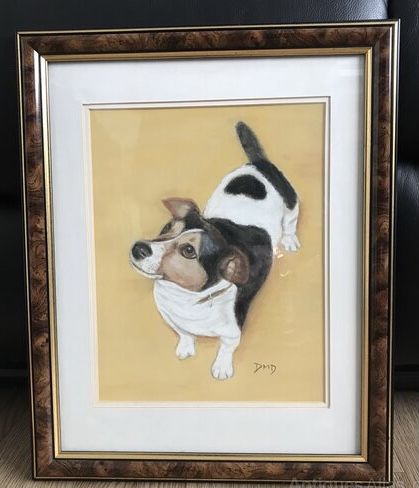


Antique Country Sport Decor
Antique country sport decor brings the traditional fields, rivers, and stables directly into your home with enduring visual character.
Antique Country Sport Decor
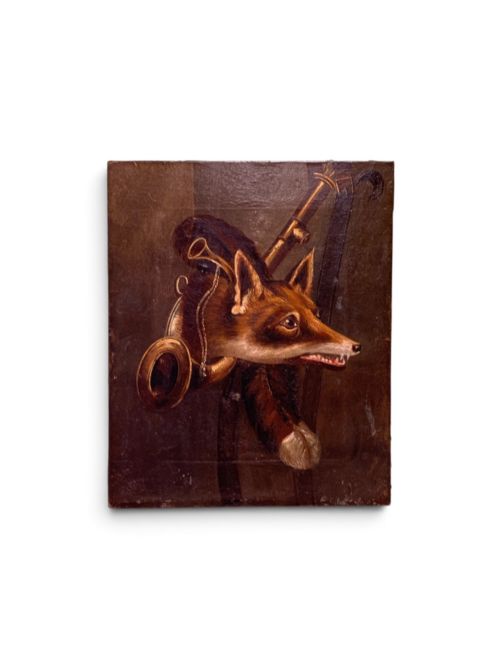
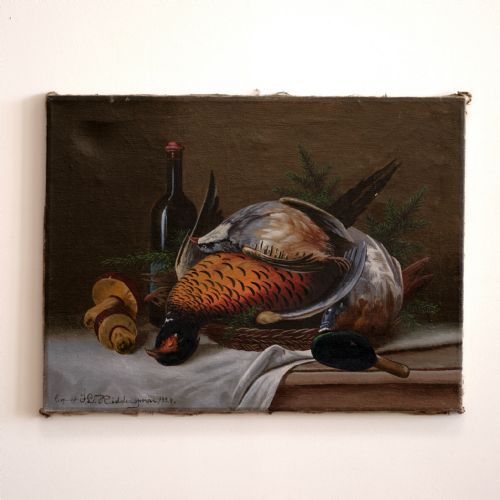
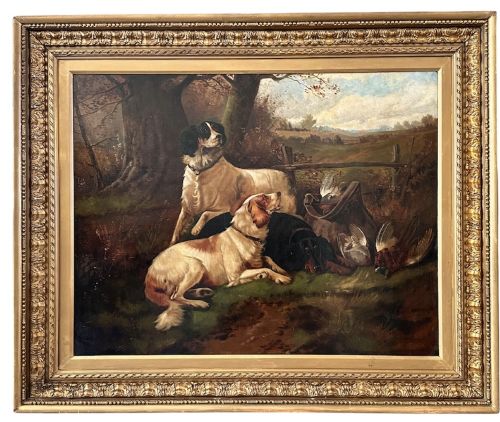
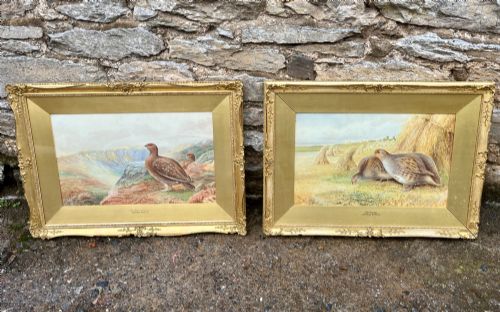
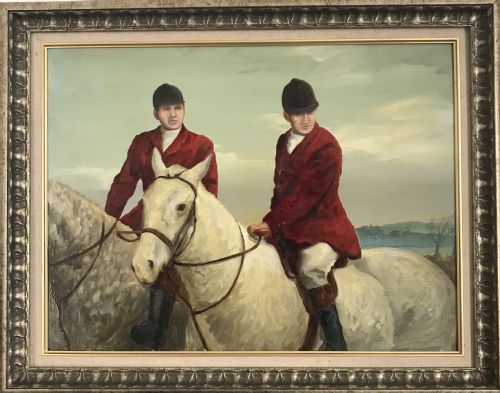
Antique country sport decor encompasses paintings, sculptures, and silver objects dedicated to hunting, shooting, fishing, and equestrian pursuits. When exploring this genre, you will frequently encounter oil paintings on canvas and framed prints dating from the nineteenth century. These pieces capture hounds, game birds, horses, and sporting dogs in natural rural settings.
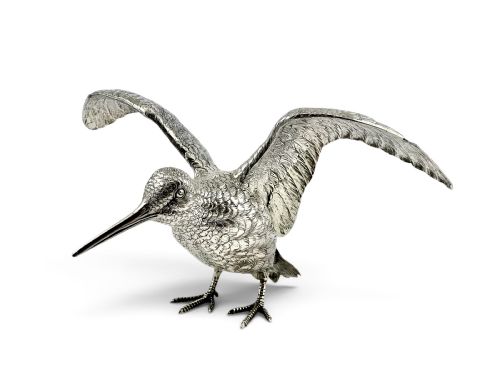
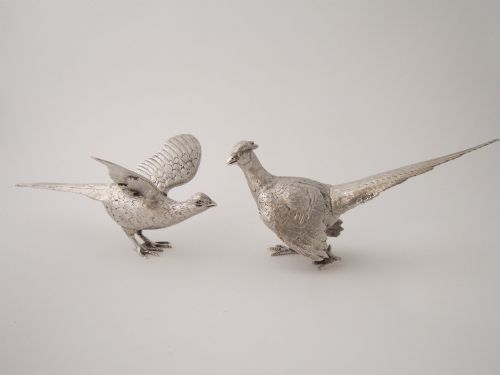
The selection ranges from Victorian oil paintings of hunts and gun dogs to sterling silver table ornaments shaped like pheasants and woodcocks. You will also discover taxidermy specimens and watercolours that reflect traditional British field sports. Each object serves as a direct record of rural pastimes and countryside traditions.
How these pieces were made
Artists utilised oil paint on canvas to render detailed scenes of horses, hounds, and riders, often framing the finished works in carved wood. Silversmiths cast sterling silver to create detailed animal figures and ornaments, marking their work with standard assay stamps. Taxidermists preserved specimens such as deer and foxes using traditional mounting techniques.
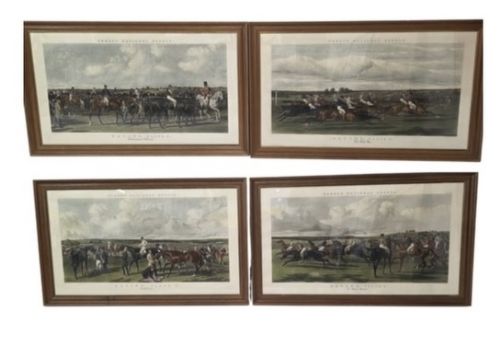
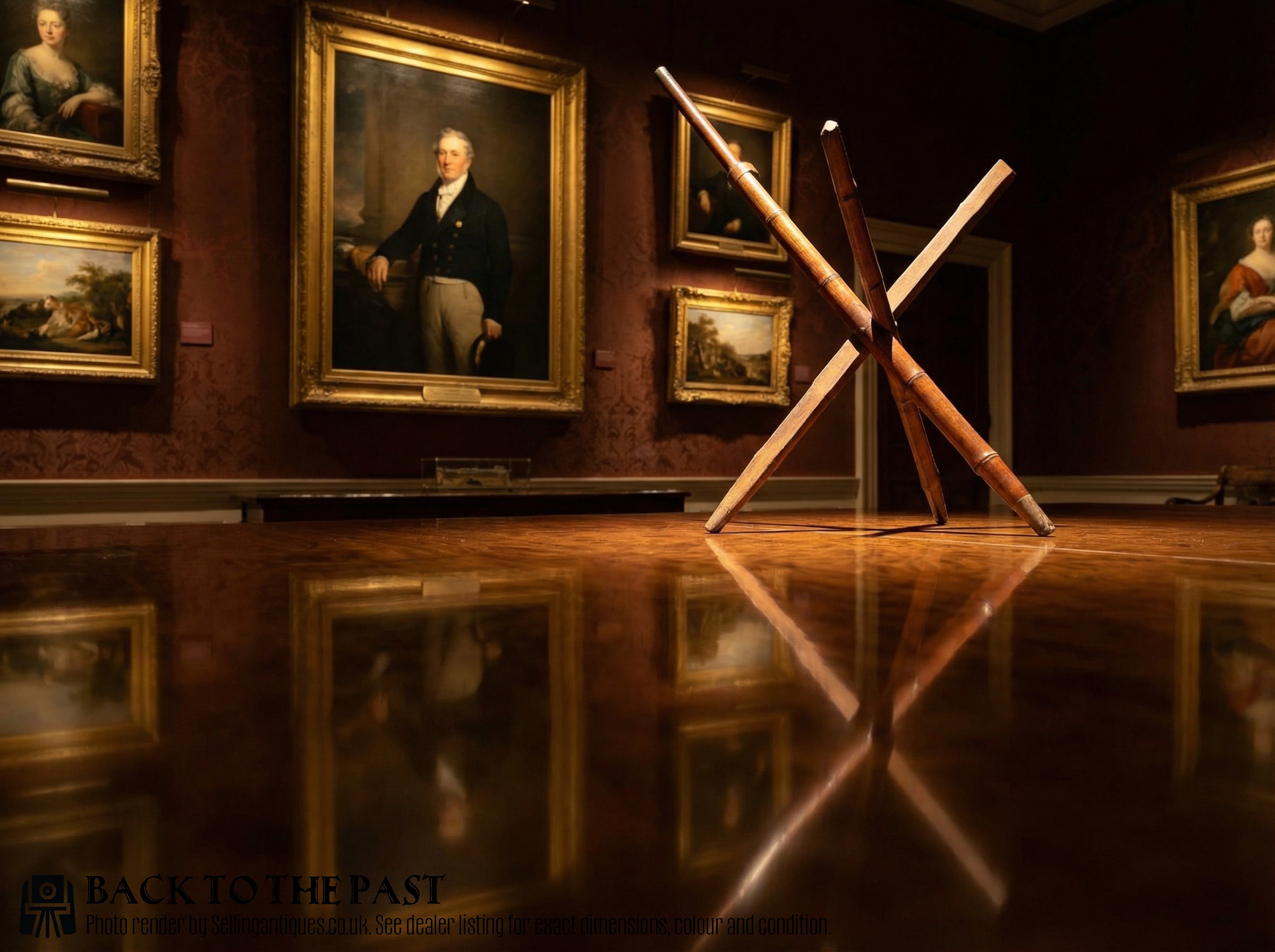
Printmakers produced works on paper using engraving and lithography methods, occasionally applying watercolour by hand to enhance the finished image. Cabinetmakers shaped materials like cherry wood into functional items such as fishing rod rests, applying decorative elements like faux bamboo.
Listings feature oil paintings, watercolours, and prints spanning the nineteenth and twentieth centuries.
What varies in quality
Quality in paintings depends upon the precision of anatomical rendering in horses and dogs, alongside the artist's ability to capture atmospheric light in a landscape. Works attributed to named painters or established sporting artists generally demonstrate superior brushwork and composition compared to anonymous studio pieces.
For silver and bronze sculptures, the crispness of the casting detail determines the overall standard. Pieces that retain clear hallmarks, original frames, or well-preserved taxidermy mountings command greater attention from collectors.
John Sargent Noble·George Rankin·Charles Faulkner·John Charles Tunnard·John Atkinson·John Emms·Peter Spicer and Sons·George Goodwin Kilburne·H Alken·W E Barrington Browne·William Crampton
The Antique Country Sport Decor Glossary
- Oil on canvas
- Pigments bound in a drying oil medium applied to a stretched woven fabric support. This traditional medium was widely utilised by Victorian sporting artists to depict horses and hounds.
- Sterling silver
- An alloy containing ninety-two point five percent silver by mass, with other metals added for durability. Silversmiths utilised this material to fashion detailed table ornaments and animal figures.
- Taxidermy
- The art of preserving and mounting an animal's skin for display. Historical examples include mounted game heads and foxes set upon wooden bases.
- Watercolour
- A painting method in which the paints are made of pigments suspended in a water-soluble vehicle. Artists applied this medium on paper to create detailed studies of game birds.
- Hand coloured print
- A printed image on paper that has received additional pigment by hand after the printing process. This technique added depth and colour to nineteenth-century sporting prints.
Antique Country Sport Decor: Frequently Asked Questions
How do I identify the period of a painting?
Examination of the canvas support, stretcher frames, and stylistic conventions provides clear indicators of age. Nineteenth-century works frequently utilise specific framing styles and distinct pigment mixtures.
Artist signatures, biographical dates, and accompanying biographical records further help to narrow down the decade of creation.
Where were silver sporting ornaments displayed?
Sterling silver figures of pheasants and woodcocks were traditionally placed on dining tables as centrepieces during formal meals. They served as decorative focal points that reflected the host's interest in field sports.
Smaller silver ornaments and bronze sculptures were also displayed on mantelpieces and sideboards within country houses.
What materials are common in these objects?
Canvas, oil paint, paper, and wood form the foundation of the flat art and prints available in this category. Sculptural works utilise sterling silver, bronze, and carved marble.
Natural materials also appear in the form of taxidermy specimens and cherry wood accessories utilised in fishing and hunting.