

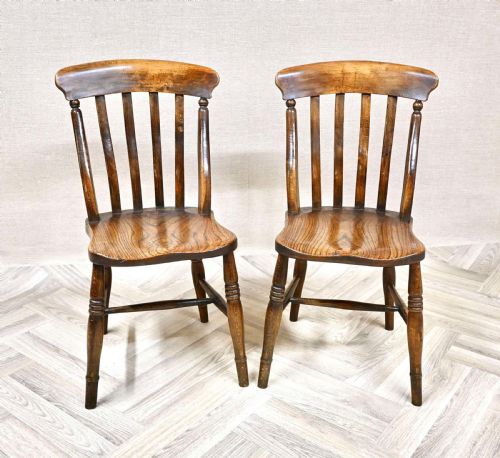
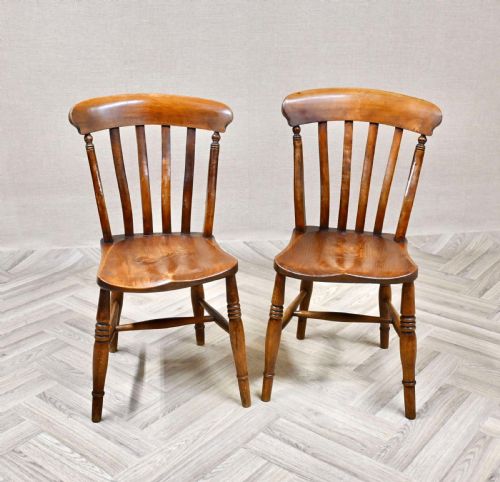
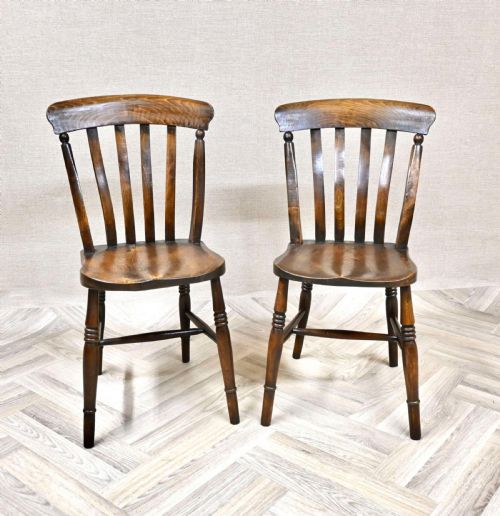
Antique Country Side Chair
An antique country side chair brings honest everyday seating into a modern interior through vernacular forms shaped by generations of rural carpenters.
Antique Country Side Chair
An antique country side chair is a utilitarian seat fashioned by regional makers for daily use in farmhouses, kitchens, and halls. These pieces reflect domestic life across the eighteenth and nineteenth centuries, spanning Georgian, Victorian, and Regency periods.
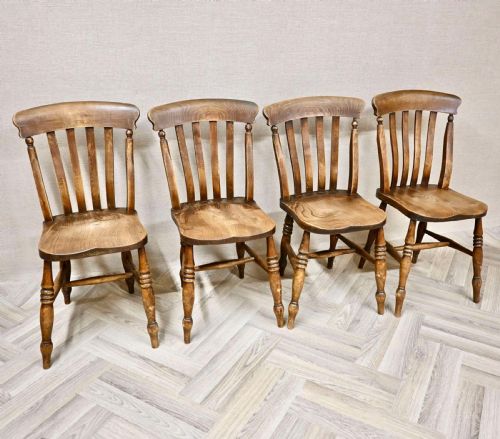
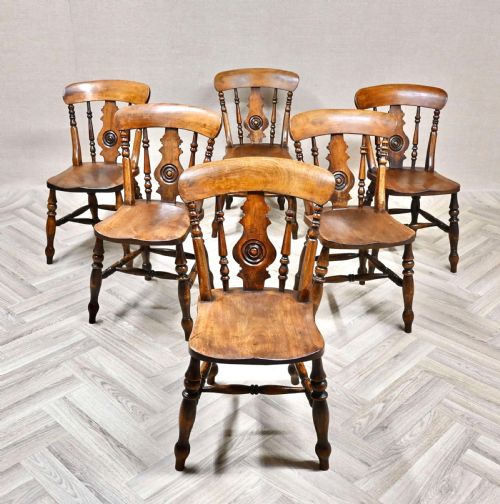
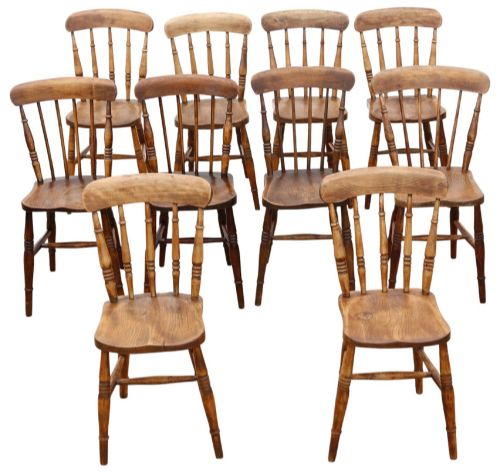
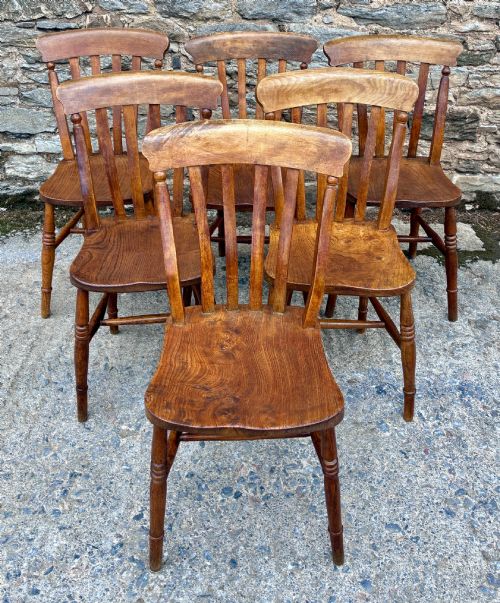
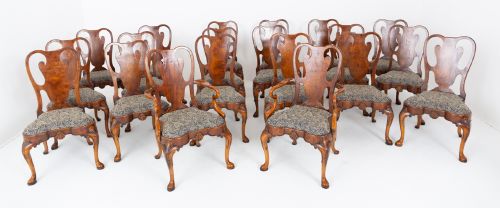
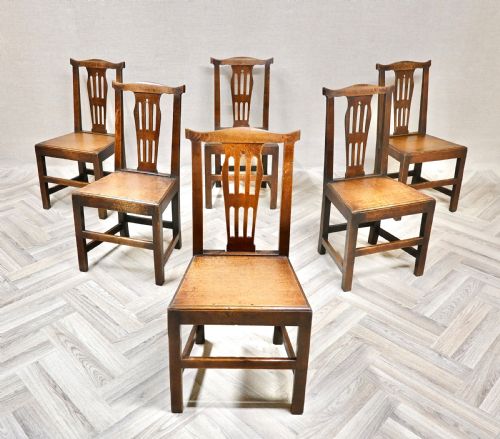
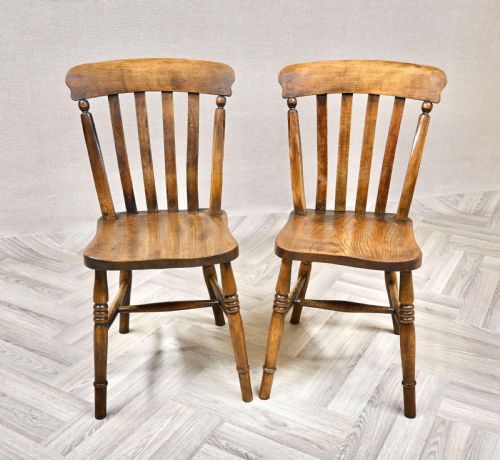
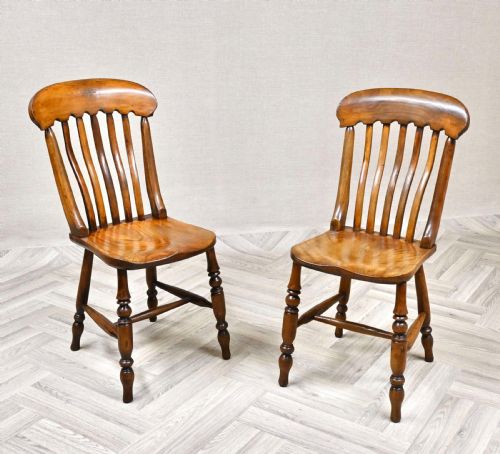
The most common examples encountered here are vernacular Windsor and ladder back dining or kitchen chairs. They appear individually, in pairs, or in larger sets including harlequin collections gathered over time.
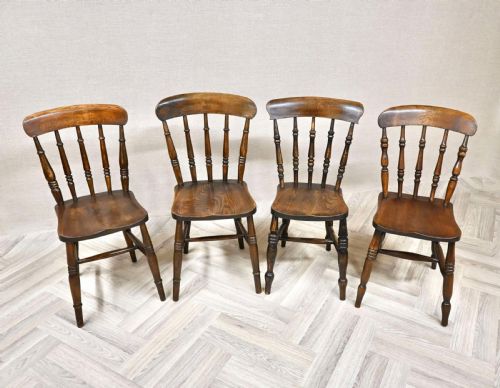
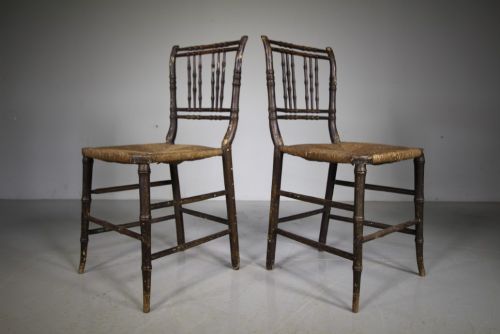
Materials commonly include native hardwoods and rushes, showcasing forms like wheelbacks, lathe backs, and spindle backs. Regional variations range from English oak and elm to Irish and Welsh prototypes.
How they were made
Makers utilised native timbers such as elm for solid, figured seats, alongside beech, ash, and oak for spindles, legs, and frames. These woods were chosen for strength, flexibility, and local availability.
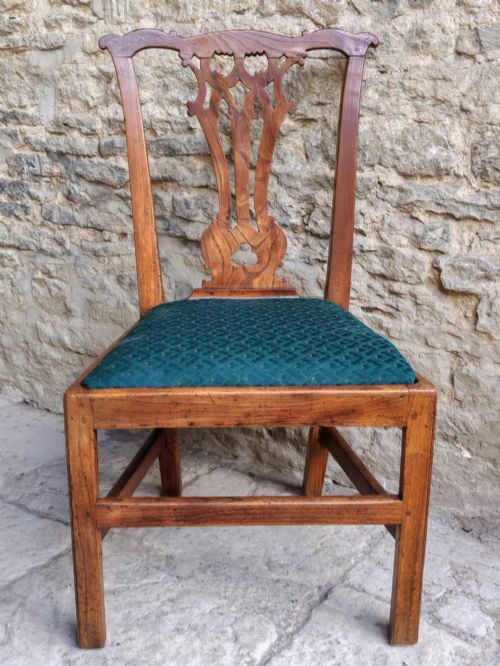
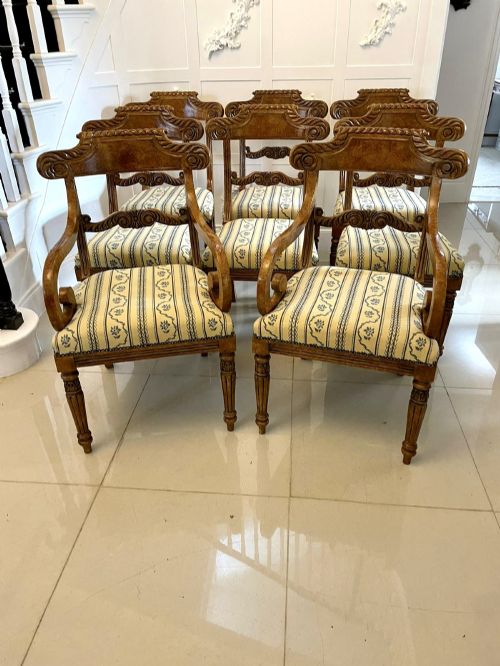
Construction relied on traditional joinery, integrating turned components, pegged mortise and tenon joints, and steam-bent elements. Rush seating was woven directly onto frames, while some examples featured painted finishes or fabric upholstery.
Several chairs include secret built-in drawers beneath the seat, ready for storing small household items.
What varies in quality
Quality rests in the integrity of the timber and the balance of the proportions. Superior pieces retain deep patination and original surfaces, showing the natural wear of generations without losing structural firmness.
Craftsmanship shows in the turning of spindles, the comfort of the saddle-shaped elm seat, and the tightness of the joints. Harlequin sets vary by how harmoniously individual chairs match in scale, timber, and age.
The Antique Country Side Chair Glossary
- Windsor chair
- A wooden chair featuring a solid contoured seat into which the legs and back spindles are separately socketed. This form developed deep regional variations across the eighteenth and nineteenth centuries.
- Harlequin set
- A collection of chairs that match in general style and period but vary slightly in detail, having been brought together over time. Such sets are typical of farmhouse dining arrangements.
- Lathe back
- A chair back incorporating flat, vertical wooden slats rather than round turned spindles. These slats are often shaped to fit the curve of the sitter's back.
- Patina
- The deep surface sheen developed on wood through decades of handling, polishing, and natural oxidation. It serves as an indicator of age and careful use.
- Spindle back
- A chair back constructed from numerous slender turned rods fitted between the top rail and the seat. This technique provided lightweight strength to vernacular seating.
Antique Country Side Chair: Frequently Asked Questions
What is a country side chair?
A country side chair is a simple, unpretentious seat built for functional use in rural homes rather than formal parlours. They were made by local joiners using regional timbers suited to daily domestic life.
These pieces typically lack arms and were designed to sit around a farmhouse table or against a cottage wall. Their enduring appeal lies in their sturdy construction and honest aesthetic.
How do I date an old wooden chair?
Dating relies on observing construction methods, tool marks, timber selection, and overall style evolution. Eighteenth-century examples often display pegged joinery and rich oak or elm patination, while Victorian versions incorporate beech and machine-turned elements.
Comparing the seat shape, stretcher placement, and wear patterns against documented period examples helps confirm the era of manufacture.
Are these chairs comfortable for daily use?
Many vernacular chairs, particularly Windsor designs with sculpted wooden seats, offer surprising ergonomic comfort. The dished elm seats were carved to fit the body long before modern seating standards.
Pairing them with a dining table or desk requires checking the seat height against modern measurements. Adding loose cushions can also soften the wooden seats for longer sitting periods.
How should I care for antique wood?
Maintaining antique timber involves keeping pieces away from direct heat sources and sudden humidity changes. Excessive dryness causes wood to shrink and joints to loosen over time.
Occasional application of appropriate wax polish helps nourish the surface and preserve the historic patina. Gentle dusting with a dry cloth keeps the finish clean without harming the wood.