

Antique Country Oak Kitchen
When you search for an antique country oak kitchen, you seek functional heritage furniture built from honest timber for daily domestic life.
Antique Country Oak Kitchen
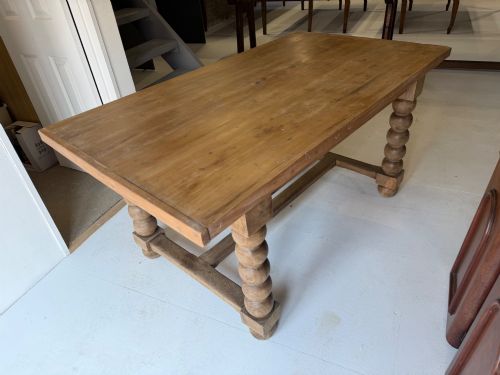
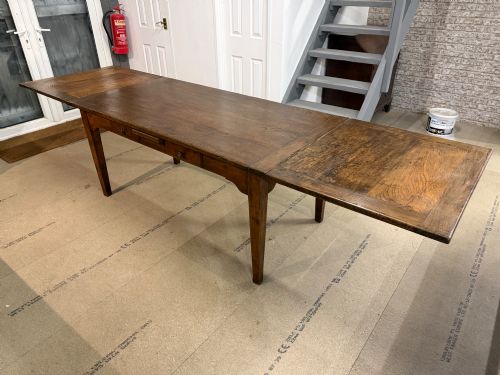
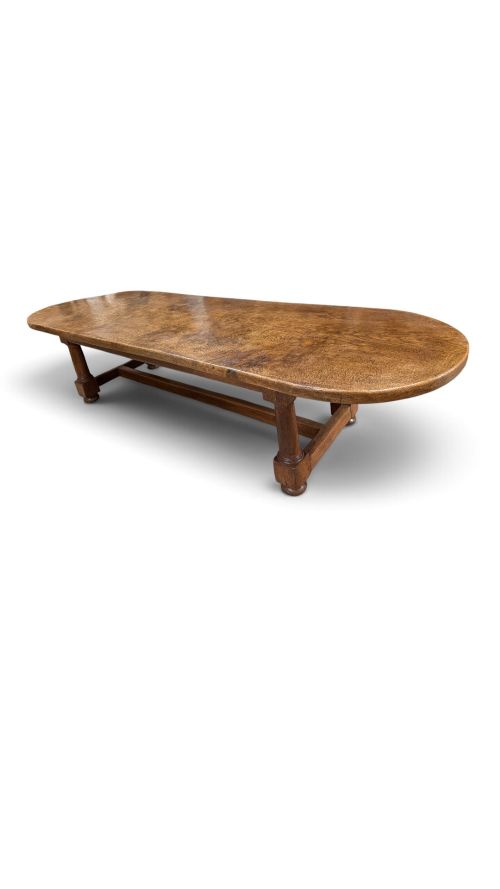
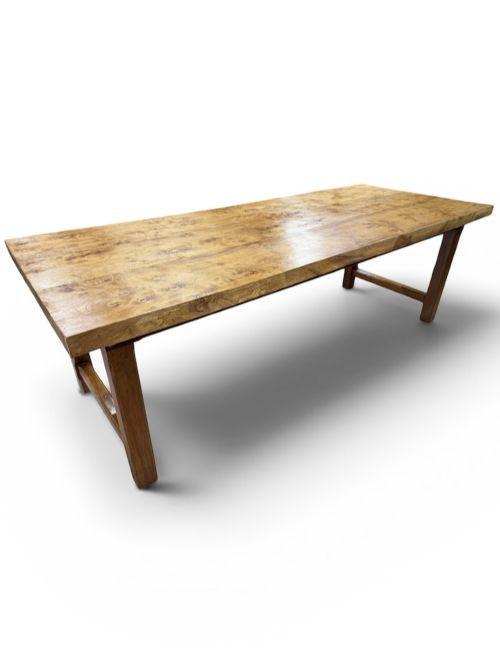
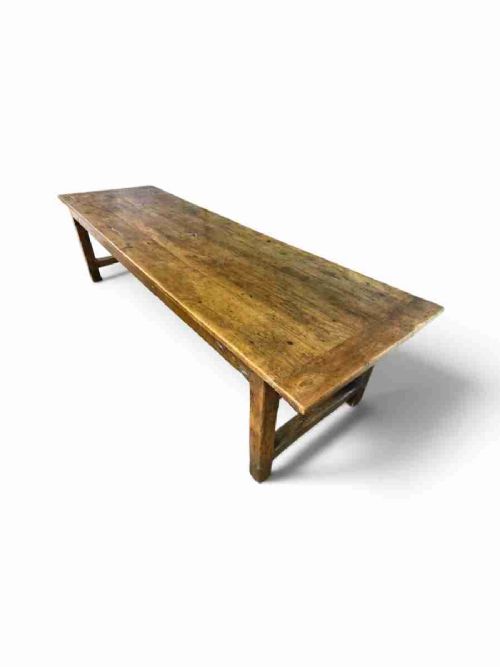
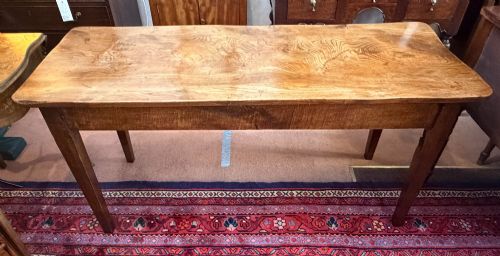
An antique country oak kitchen selection comprises robust dining tables, dressers, and seating designed for hard domestic service. These pieces originate largely from English, Welsh, and French domestic settings spanning the eighteenth to the early twentieth century.
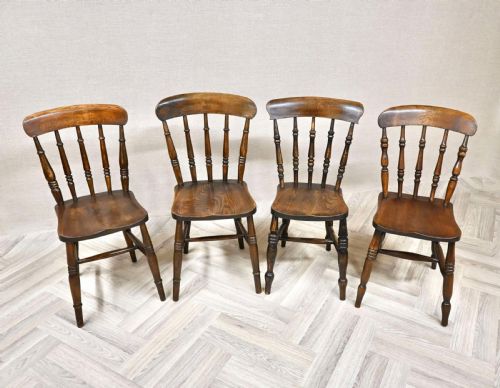
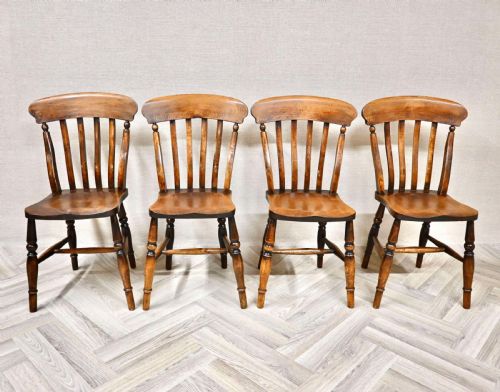
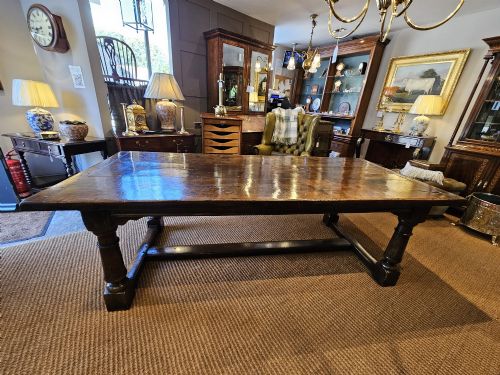
Buyers commonly encounter substantial refectory and gateleg tables alongside Windsor chairs and plate-rack dressers. The forms reflect practical needs rather than courtly fashion, favouring solid construction and utilitarian layouts.
The aesthetic embraces rustic farmhouse and provincial styles where utility dictates form. Surfaces often show generations of wear from domestic preparation and family dining.
How they were made
Joiners relied on solid timber construction, employing oak augmented by elm, beech, and ash for structural integrity. Planks were often hand-sawn and joined using traditional pegged mortise and tenon joints.
Secondary timbers such as pine or fruitwood appear in internal components and drawer linings. Surface finishes developed through decades of wax application and natural friction rather than heavy factory varnishes.
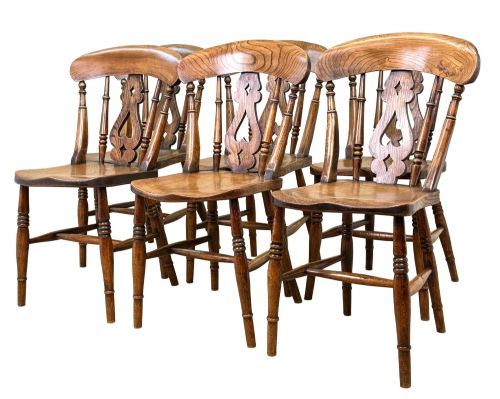
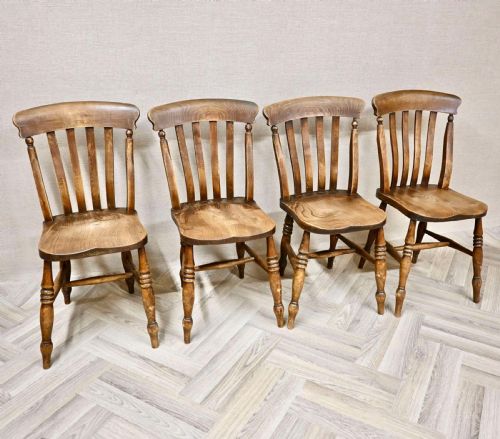
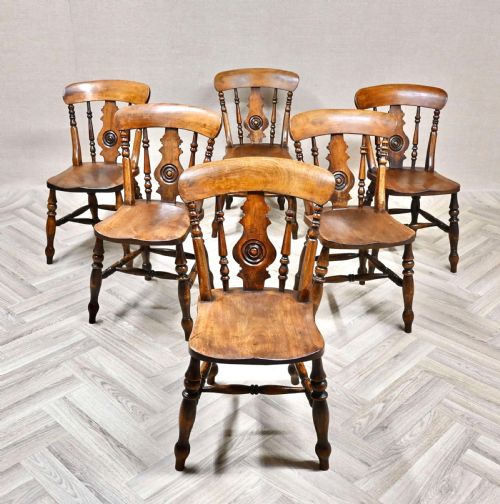
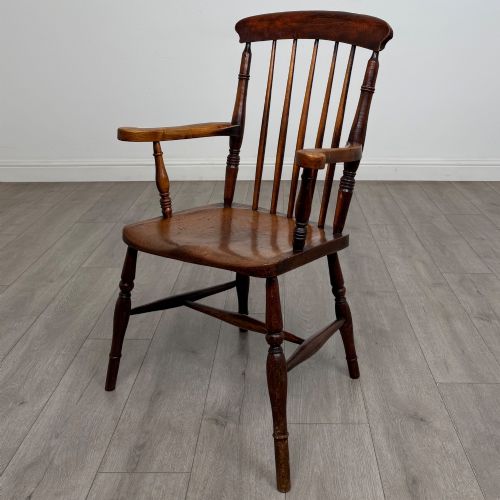
Several Windsor chairs retain deep saddle seats carved by eye to fit the contours of historical sitters.
What varies in quality
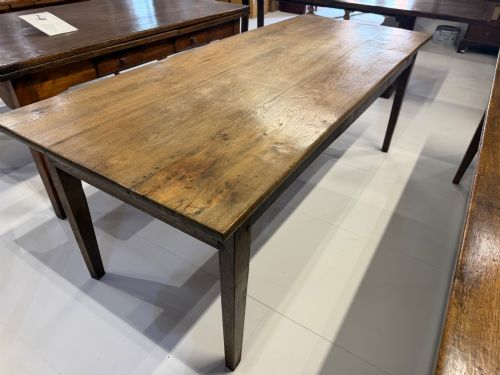
Quality rests upon the selection of timber and the integrity of the original construction. Tables fashioned from single planks or heavy quarter-sawn oak represent superior craftsmanship compared to lesser assembled tops.
Proportion and untouched patination elevate certain pieces above standard utility items. Original hardware, undisturbed pegging, and retention of early surface finishes distinguish finer examples.
The Antique Country Oak Kitchen Glossary
- Refectory table
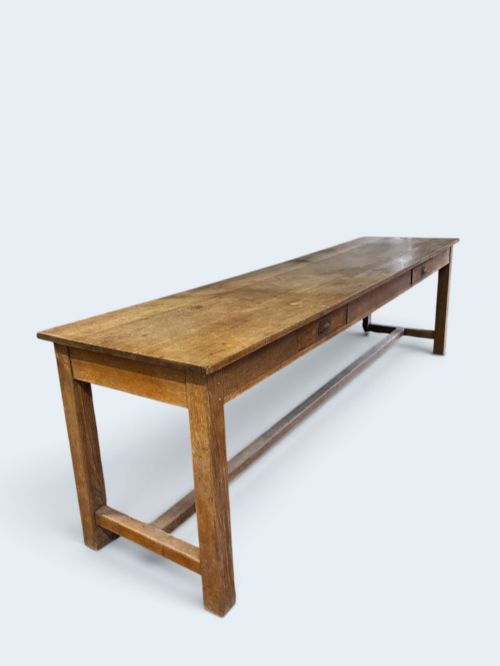
- A long dining table historically used for communal meals. These pieces feature stretcher rails running low between the legs for added stability.
- Windsor chair
- A wooden chair built with a solid sculpted seat into which the legs and back spindles are wedged directly. Common regional variants include stick-back and lath-back designs.
- Potboard dresser
- A kitchen sideboard featuring an open lower shelf traditionally used for storing pots and pans. This layout contrasts with enclosed cupboards.
- Gateleg table
- A drop-leaf table with hinged flaps supported by swing-out legs. This mechanism allowed tables to fold compactly when not in use.
- Patina
- The surface sheen and colour developed over decades of handling, cleaning, and exposure to light. It serves as an indicator of age and genuine use.
Antique Country Oak Kitchen: Frequently Asked Questions
How do I care for antique oak?
Maintain timber surfaces by applying natural beeswax sparingly and buffing with a soft cloth. Avoid placing solid oak furniture near direct heat sources or in fluctuating humidity.
Protect the wood from moisture by using coasters and mats during daily kitchen use.
Were these tables used for cooking?
Many heavy farmhouse tables served dual purposes for food preparation and family dining. Scrubbing tables were frequently washed down after kneading dough or chopping ingredients.
This utilitarian role explains the scrubbed surfaces and deep grain textures seen on many surviving examples.
How do I date an oak table?
Examine the underside and joints for hand-sawn marks, wooden pegs, and signs of tool use. Eighteenth-century pieces often show wider board widths and irregular hand-planed textures.
Later Victorian and Edwardian examples utilise more uniform machine-sawn components and standardised fixings.
What is a Welsh dresser?
A Welsh dresser combines a base storage cabinet with an upper plate rack for displaying ceramic tableware. These pieces formed the storage heart of rural kitchens.
Earlier iterations feature open potboards below while later Victorian versions enclosed the base with panelled doors.