


Antique Country Mirror
An antique country mirror brings rustic character to a room through weathered timber frames, aged glass plates, and provincial forms.
Antique Country Mirror
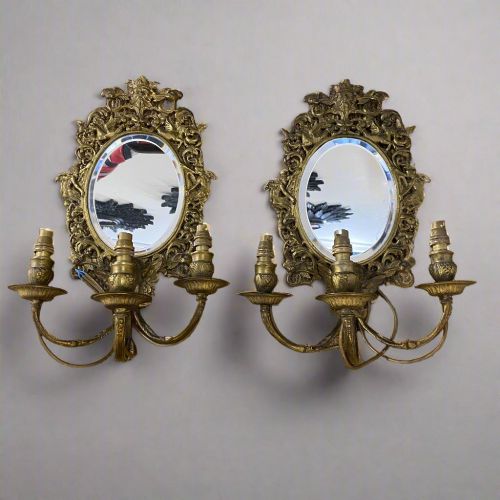
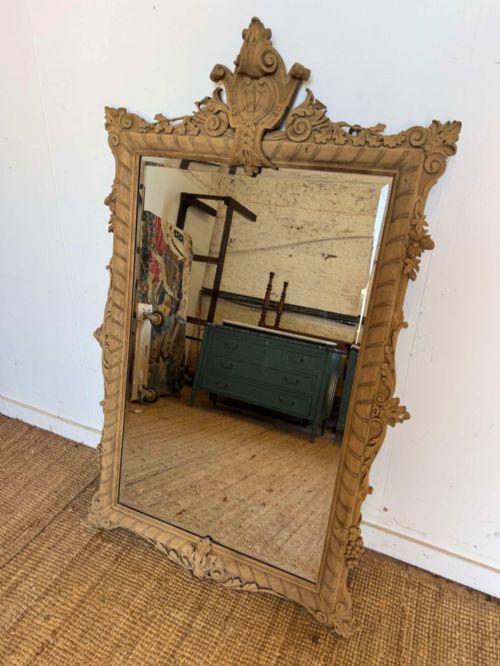
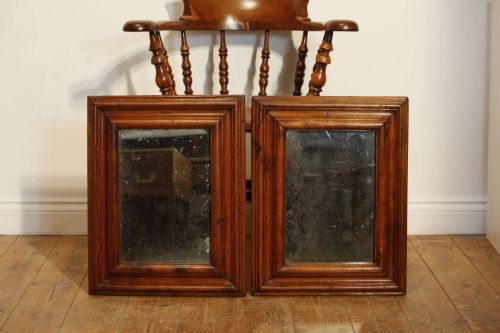
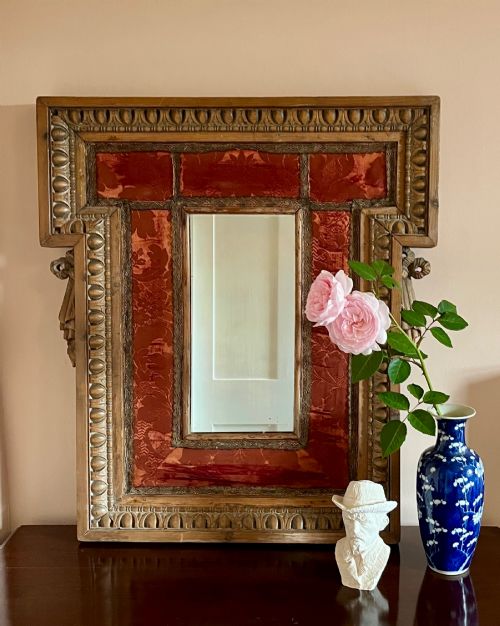
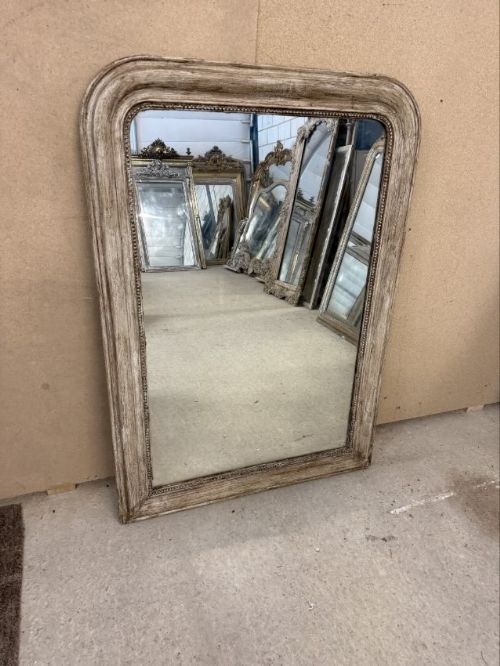
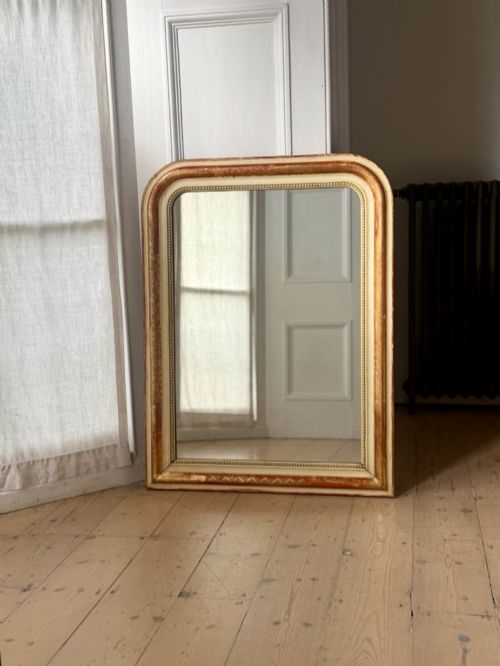
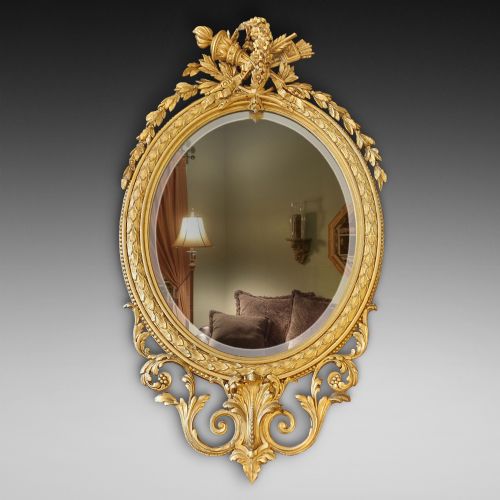
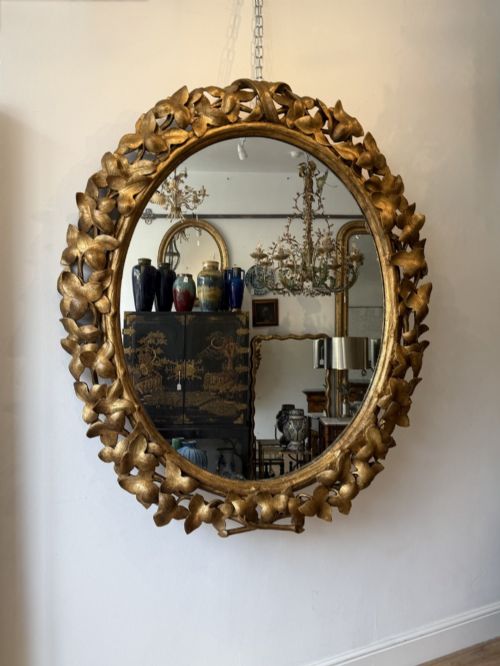
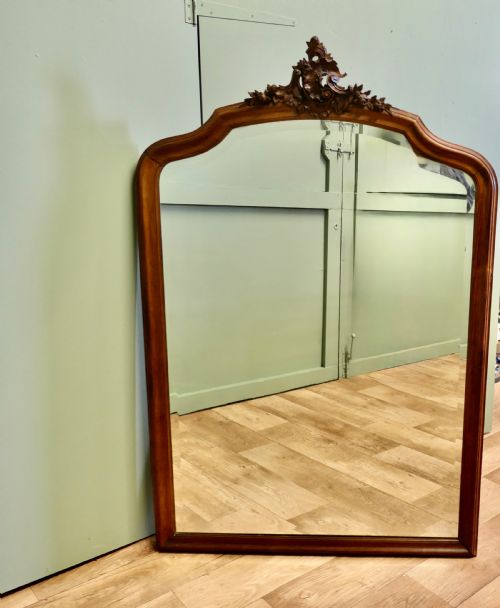
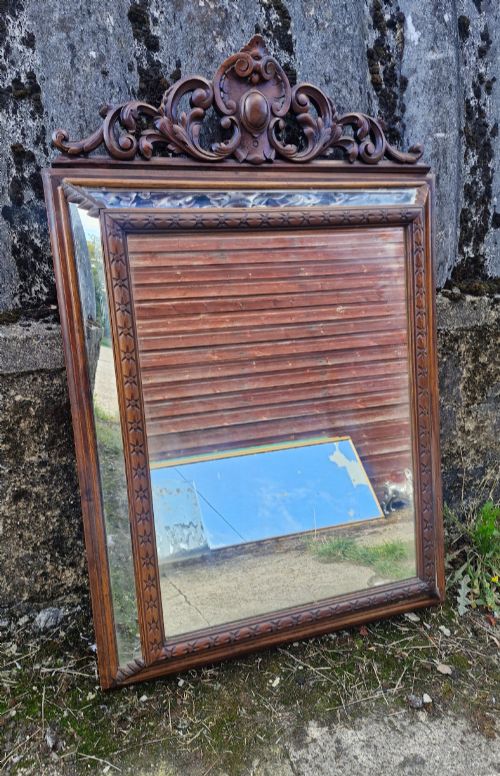
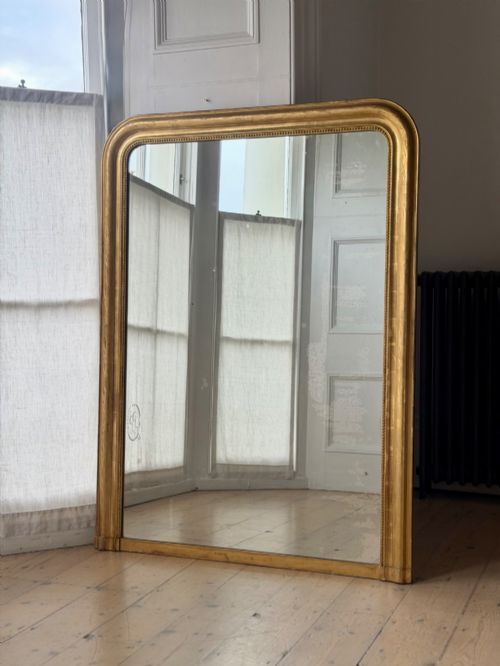
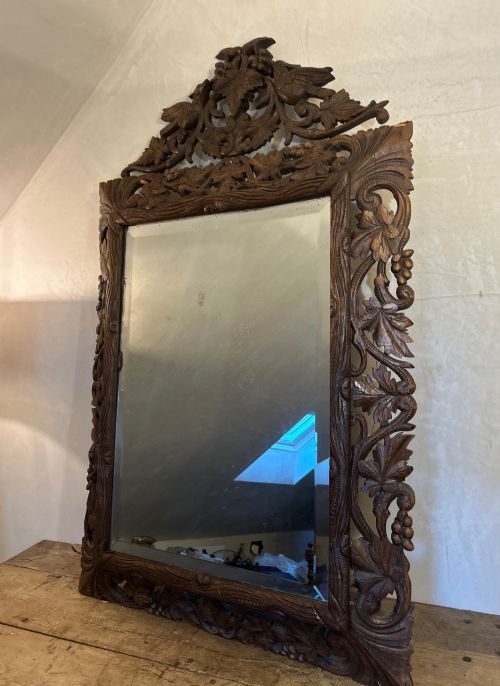
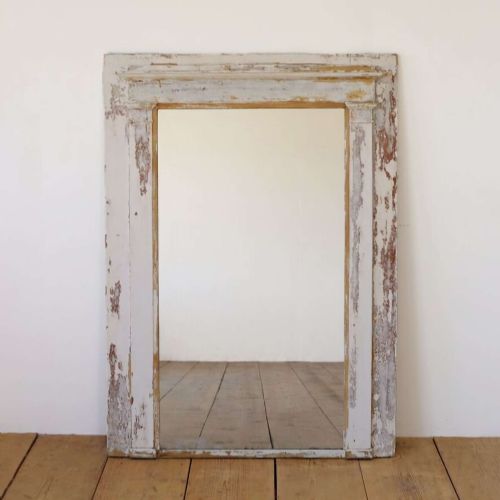
An antique country mirror encompasses wall-hanging and overmantel pieces originating from domestic rural settings across the nineteenth century and earlier. Buyers searching for an antique country mirror encounter robust pine, scrubbed oak, and carved fruitwood frames alongside giltwood examples suited to larger rural residences. The selection spans simple utilitarian forms to decorative trumeau panels featuring pastoral oil paintings.
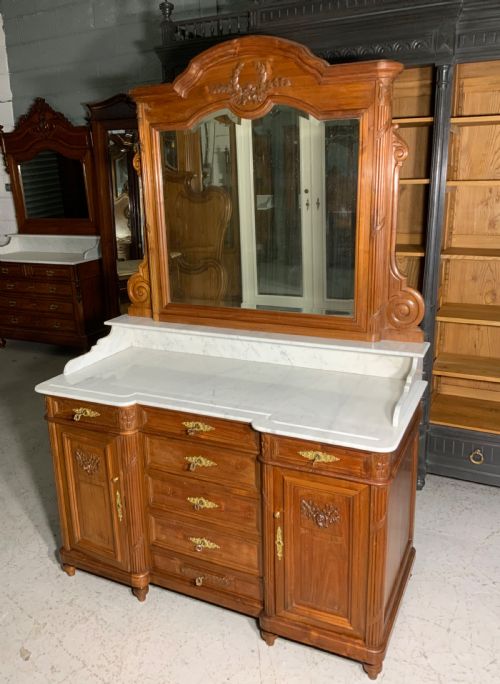
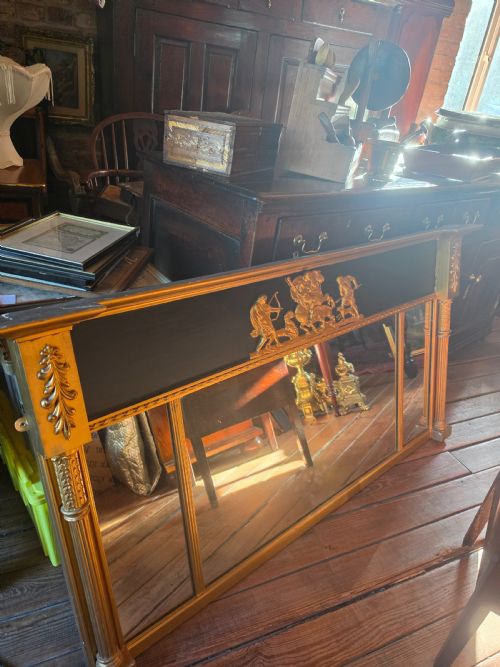
The most common formats on this page include nineteenth-century French and English wall mirrors, Louis Philippe designs, and substantial overmantel pieces. These objects vary from small rustic frames to large country house mirrors designed to hang above fireplaces or washstands.
Materials and construction methods
Makers utilised native timbers such as pine, oak, mahogany, and walnut, often leaving the grain visible or applying simple painted and bleached finishes. Giltwood and gesso frames required skilled carving over a plaster base, frequently finished with gold leaf.
Early examples commonly incorporate mercury glass plates, which display characteristic foxing and dark spots from age. Joinery techniques range from simple pegged mortise and tenon joints on provincial frames to more intricate fret-cut and carved ornamentation on formal country house variants.
Antique Country Mirror Retail Price Guide 2026
Typical asking prices for country mirror among the pieces listed under this phrase on Sellingantiques today, from the lower quarter to the upper quarter. They describe what is for sale here now, not the wider market.
Distinctions in quality
The distinction between standard provincial pieces and high-end country house mirrors lies in the depth of hand-carving and the choice of primary timber. Finer pieces display crisp botanical motifs, balanced proportions, and heavy gilded surfaces rather than simple moulded pine.
The preservation of the original mirror plate heavily influences the character of the piece. Authentic period glass with natural foxing and silvering loss commands greater appreciation than modern replacement plates.
The Antique Country Mirror Glossary
- Mercury glass
- An early form of mirror glass produced by applying a tin and mercury amalgam behind the glass plate. This process creates a mottled, reflective surface with characteristic dark spots known as foxing.
- Trumeau mirror
- A decorative wall mirror incorporating an oil painting or painted panel within the upper section of the wooden frame. These pieces originated in grand French interiors.
- Overmantel mirror
- A large horizontal mirror designed specifically to hang on the wall directly above a fireplace mantelpiece. They often scale to the generous proportions of country house drawing rooms.
- Gesso
- A plaster-based mixture applied to wooden frames as a smooth surface for subsequent gilding or painting. Skilled artisans sculpted intricate relief details directly into this layer.
- Foxing
- The natural degradation of the silver backing on older mirror plates over time. This chemical ageing process produces charming dark spots and speckles across the reflection.
Antique Country Mirror: Frequently Asked Questions
How do I date an antique mirror?
Dating relies on examining the construction methods of the wooden frame, the type of joinery, and the characteristics of the glass plate. Older pieces often show hand-cut timber marks and uneven bevels.
Backboards, fixings, and secondary woods provide further clues to the period of manufacture. Comparing these elements with documented regional styles helps narrow down the decade.
What is mercury glass?
Mercury glass refers to mirror plates produced using a tin and mercury backing technique common before the mid-nineteenth century. This method creates a deep, warm reflection rather than the flat shine of modern aluminium.
Over decades, chemical reactions within the amalgam produce dark patches called foxing. Collectors prize this aged appearance for its authentic historical character.
How do I hang a heavy overmantel mirror?
Large country house and overmantel mirrors require robust wall fixings secured directly into masonry or wall studs. Professional mirror hangers utilise heavy-duty brackets to distribute the substantial weight safely.
Checking the structural integrity of the original wooden frame ensures it can support its own mass when tilted slightly forward on the wall.