



Antique Counter Balance Scales
Antique counter balance scales measure mass across kitchens, shops and apothecaries, bringing mechanical precision and utilitarian weight to a modern room.
Antique Counter Balance Scales
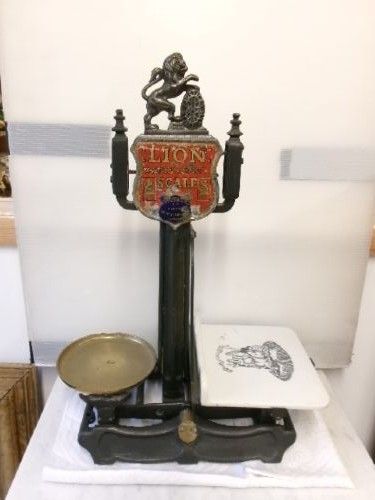
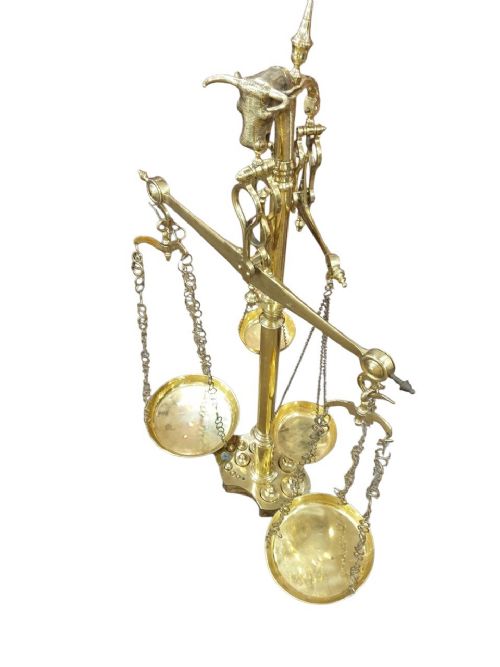
Antique counter balance scales represent the functional heart of historical trade, taking forms such as grocers scales, butcher scales, apothecary balances and dairy scales. The examples you encounter on this page span the Victorian and Edwardian eras, alongside pieces stretching back to the eighteenth and nineteenth centuries.
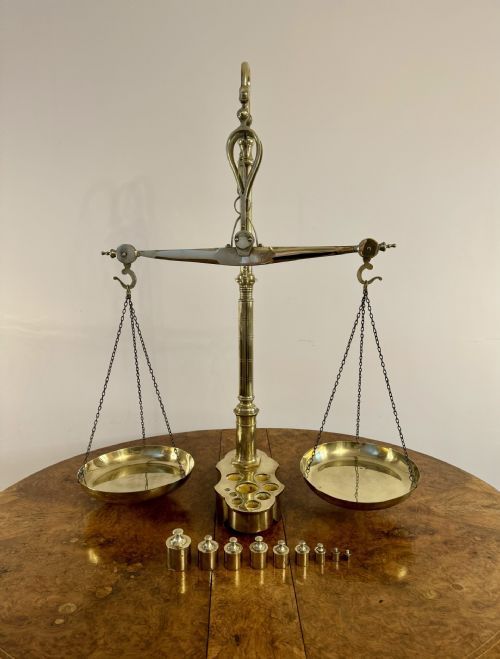
These instruments range from heavy workshop machinery to delicate apothecary sets complete with original weights and fitted wooden blocks. Their presence bridges industrial utility and decorative display, reflecting the standards of measurement from past decades.
How they were made
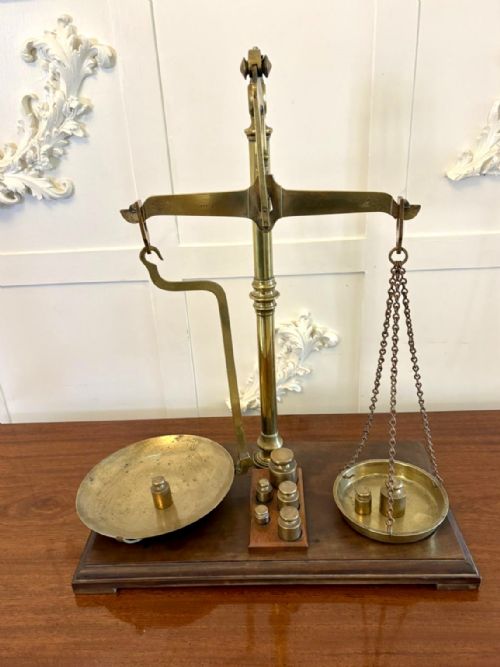
Metalwork dominates the construction of these pieces, combining cast iron frames and wrought iron arms with polished brass beams and copper pans. Makers utilised durable materials capable of withstanding daily commercial use while maintaining accurate calibration.
Antique Counter Balance Scales Retail Price Guide 2026
Typical asking prices for counter balance scales among the pieces listed under this phrase on Sellingantiques today, from the lower quarter to the upper quarter. They describe what is for sale here now, not the wider market.
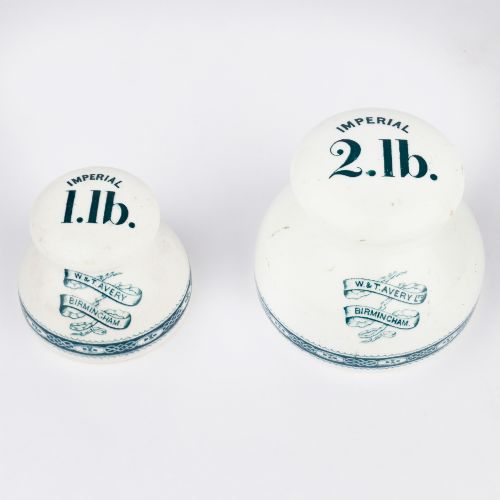
Materials recorded across the inventory include cast iron, wrought iron, brass, copper, mahogany, Welsh oak and ceramic.
What varies in quality
The distinction between standard utility pieces and finer examples rests upon the finish of the metalwork and the integrity of the materials. Superior sets display crisp maker markings, heavy cast components and well-preserved wooden bases.
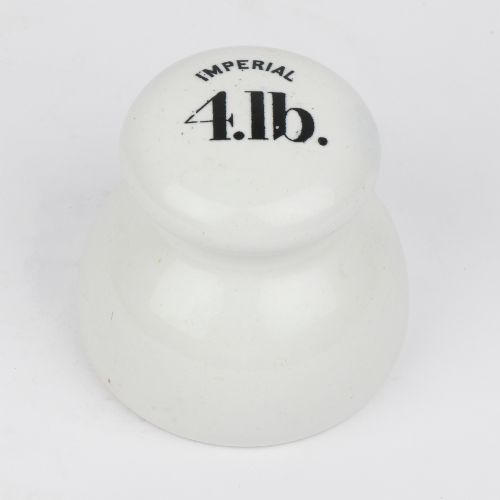
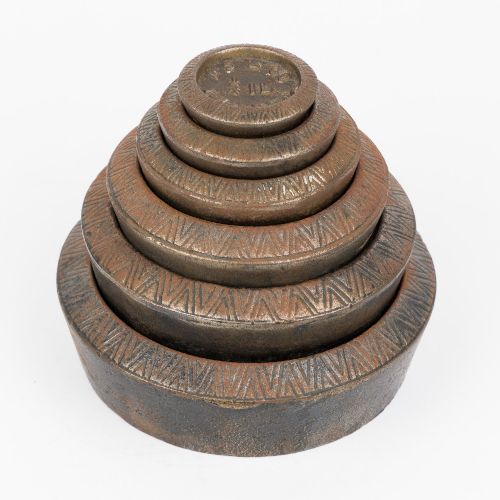
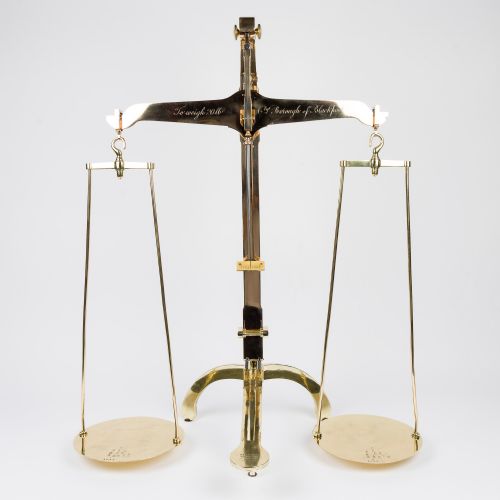
Completeness dictates much of the standing of an individual set, particularly the presence of matched brass beams, original iron weights and corresponding scale pans. Provenance inscribed with specific civic authorities or established makers elevates the historical interest of the object.
Day & Millward·W & T Avery·Parnall & Sons of Bristol·De Grave·Bartlett & Sons
The Antique Counter Balance Scales Glossary
- Avoirdupois
- A system of weights based on a pound of sixteen ounces. This standard governed most commercial weighing in nineteenth-century shops.
- Beam scale
- A weighing instrument comprising a horizontal lever suspended from a central fulcrum. Two equal arms support pans for comparing masses.
- Kitchenalia
- Domestic utensils and equipment from earlier periods. In this context, it covers utilitarian scales and weights used in food preparation.
- Apothecary
- A practitioner who prepared and sold medicines. Apothecary scales required high precision and often came housed in specialised wooden blocks or boxes.
- Counter balance
- A mechanism that uses counterweights or leverage to determine mass. These scales sat upon shop counters for direct customer transactions.
Antique Counter Balance Scales: Frequently Asked Questions
How do counter balance scales work?
These scales operate on the principle of lever equilibrium, where an object placed on one pan is balanced by standard weights added to the other until the beam levels.
The central fulcrum ensures that equal masses produce an even horizontal position, allowing merchants to measure goods accurately.
What were apothecary scales used for?
Apothecary scales measured small quantities of medicinal ingredients and drugs with high precision for prescriptions.
They frequently feature delicate brass beams and come paired with specialised fractional weights housed in fitted wooden block stands.
How do I date an antique scale?
Dating relies on material combinations, stylistic traits of the cast iron or timber base, and stamped verification marks from local authorities.
Maker stamps and names of specific boroughs or co-operatives recorded in the casting provide further chronological markers.
Can I still use antique scales for weighing?
While many mechanical sets remain mechanically sound, historical scales often lack modern calibration and certification for trade.
They function best today as decorative display pieces or for approximate domestic weighing rather than precise measurements.
How do I clean brass and copper parts?
Maintenance involves removing dust with a soft cloth and preserving the natural oxidation that develops on antique metal surfaces over time.
Aggressive polishing removes historical character, so most collectors prefer to leave patinated brass and copper undisturbed.