




Antique Costume Painting
When you search for antique costume painting, you encounter historical portraits and genre scenes depicting period dress across several centuries.
Antique Costume Painting
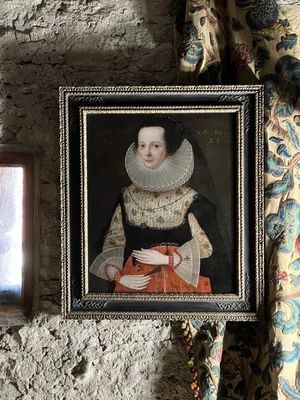
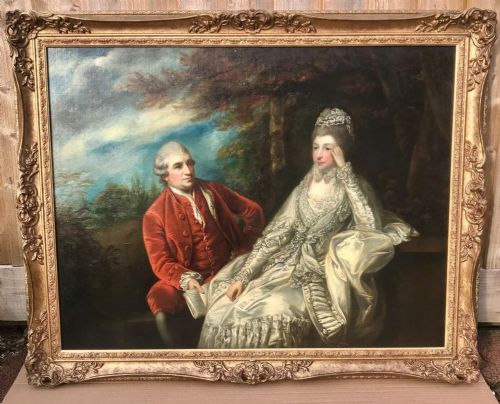
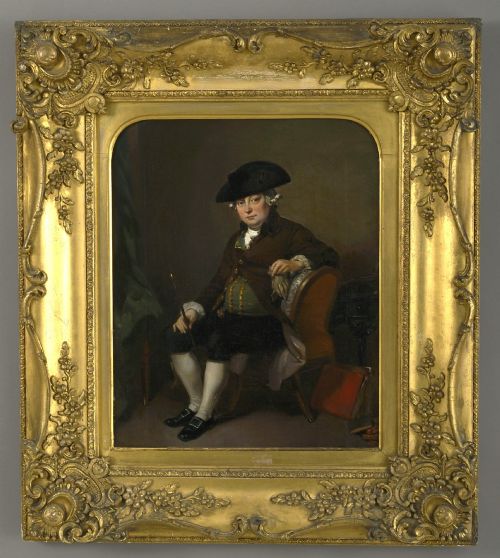
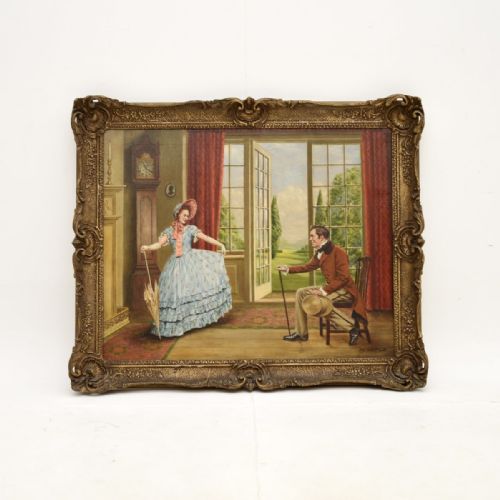
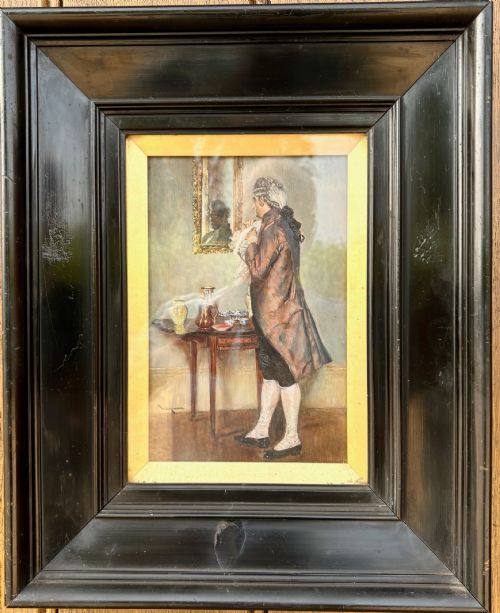
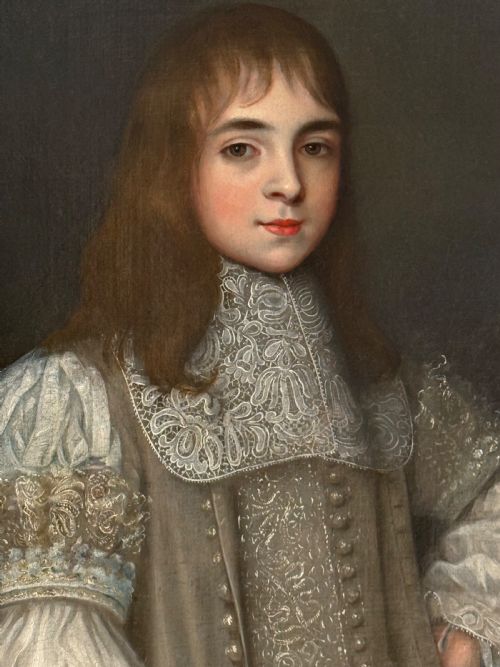
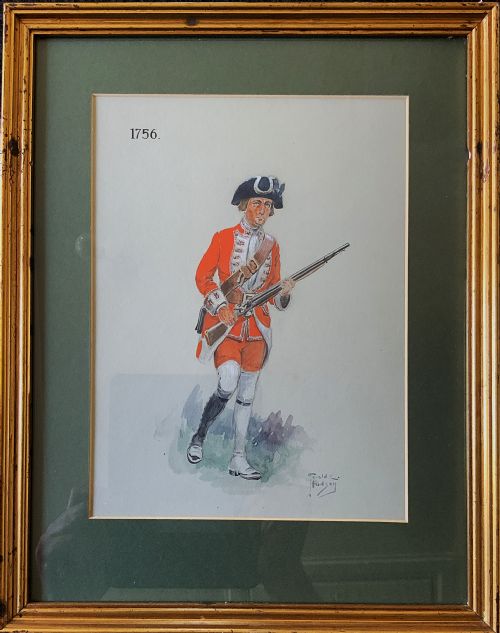
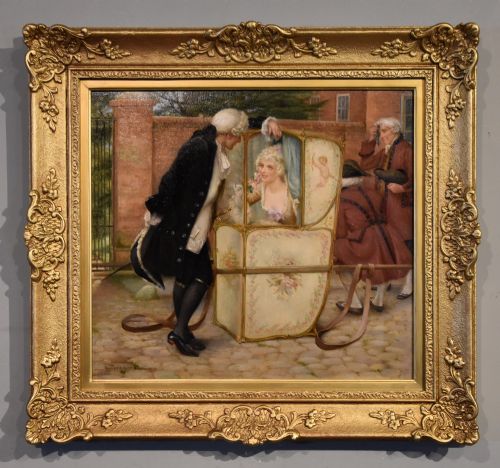
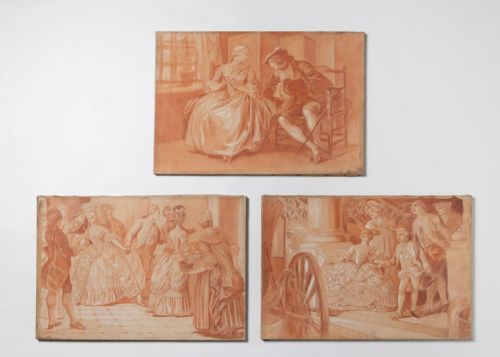
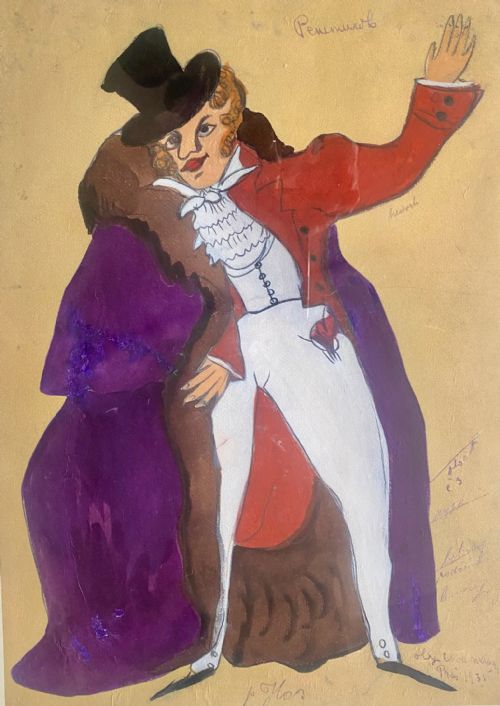
An antique costume painting captures historical, theatrical, or regional dress, ranging from seventeenth-century nobility to nineteenth-century military figures and actors in character. These works include individual portraits of noblewomen, gentlemen, and performers, alongside multi-figure genre scenes and detailed groupings on pith paper.
You will frequently encounter nineteenth-century works on this page, alongside pieces stretching back to the seventeenth century and forward through the Edwardian period. Media spans oil on canvas and panel, delicate watercolour and wash, and pith paper, reflecting diverse traditions of figurative art.
Materials and techniques
Artists utilise oil paint on canvas, board, and panel to build rich compositions, employing pigments that capture the texture of elaborate fabrics and historical garments. Watercolour and wash on paper provide an alternative medium for finely rendered theatrical and military subjects.
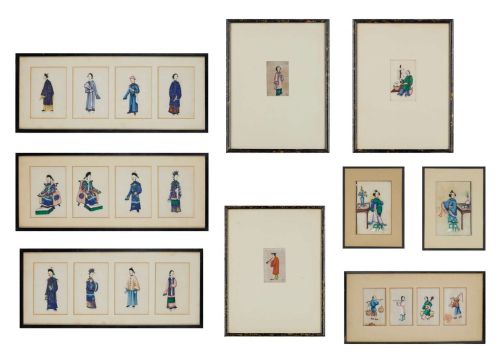
Pith paper serves as a specialised support for Chinese figural paintings, absorbing pigments to create distinct surface qualities. Giltwood frames frequently accompany these works, complementing the historical nature of the portraits and genre scenes.
Listings span periods from the 17th century through the 1930s, encompassing oil on canvas, watercolour, and Chinese pith paper.
Judging quality in costume works
Quality rests in the precision of the draughtsmanship and the artist's ability to render the intricate textures of textiles, lace, and ornamentation. Superior pieces demonstrate confident handling of facial expressions and anatomical proportion within figurative compositions.
The provenance and attribution to documented artists or established schools elevate a work, distinguishing signed academy pieces from anonymous studio samples or decorative copies.
Alfred Lyndon Grace·W D Almond·John Michael Wright·Samuel De Wilde·George Kilburne·Edgard Maxence·John Sanderson Wells·Arthur Hopkins·Robert Alexander Hillingford·Frank Moss Bennett·Martinetti·Susie Lassam·Hans Temple·Usabal y Hernandez·Arturo Orselli·Pierre Louis Joseph De Coninck·Willem Johannes Martens·Frederick Tayler·Franz Russ The Elder
The Antique Costume Painting Glossary
- Pith paper
- A delicate material derived from the pith of the Tetrapanax papyrifer plant, commonly used in nineteenth-century Chinese export paintings. It yields a velvet-like surface texture when painted with gouache or watercolour.
- Genre painting
- The pictorial representation of scenes from everyday life, typically involving ordinary people engaged in activities such as tea drinking or playing bowls. These works provide visual documentation of social history and past fashions.
- Mezzotint
- A printmaking process of the intaglio family, where the artist works from dark to light by roughening the copper plate with a rocker. It produces subtle gradations of tone and rich dark areas, often utilised for portrait reproductions.
- Academic historicism
- An artistic style characterised by the meticulous depiction of historical subjects, costumes, and settings based on scholarly research. Practitioners aimed for visual accuracy regarding past eras.
- Wash
- A technique involving diluted watercolour or ink applied broadly across paper to create smooth, transparent layers of colour. It forms the tonal foundation for many historical military and architectural watercolours.
Antique Costume Painting: Frequently Asked Questions
What is an antique costume painting?
An antique costume painting is a work of art that focuses on the specific clothing, uniforms, or theatrical dress worn by subjects in past eras. These pieces often document historical fashion, theatrical performances, or regional garments.
They range from formal oil portraits of nobility to detailed watercolours of soldiers, actors, and everyday people in period attire.
How do I date a costume painting?
Dating relies primarily on the style of the clothing depicted, the artist's working dates, and the physical materials of the support, such as canvas or pith paper. Clues also appear in framing and signatures.
Comparison with documented portraits from specific centuries helps narrow down the period of creation.
Where were pith paper paintings made?
Pith paper paintings were produced primarily in China during the Qing dynasty for the export market. Artists captured local trades, punishments, and figural costuming for foreign visitors.
These delicate works require careful preservation behind glass due to the fragile nature of the plant-based support.
How should I display these paintings?
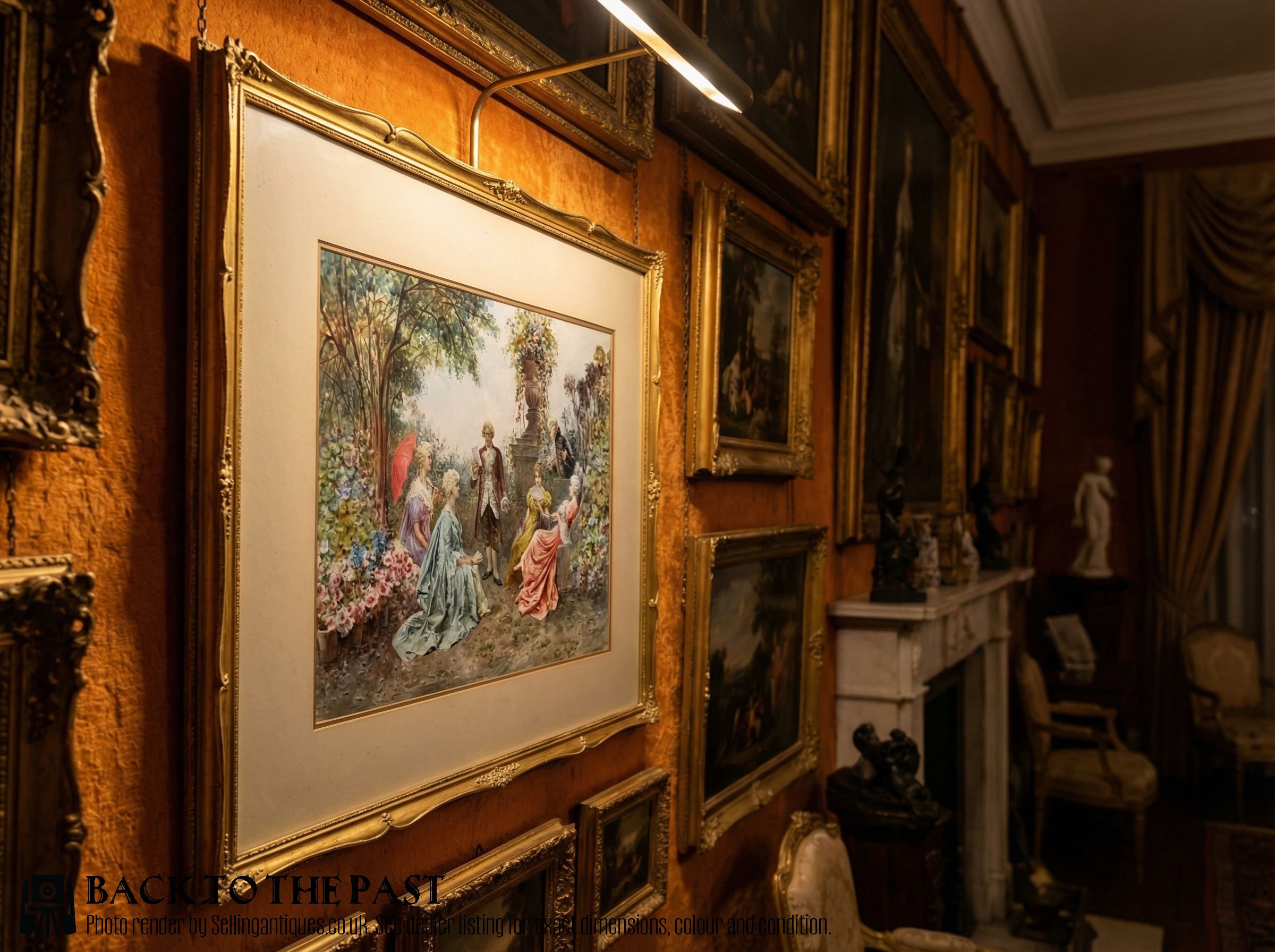
Display these works away from direct sunlight to protect sensitive watercolours, pith paper, and oil pigments from fading. Maintaining stable room temperature prevents warping in wooden panels and canvas supports.
Pairing them with period-appropriate giltwood frames enhances their historical character within a room.