

Antique Copper Plated
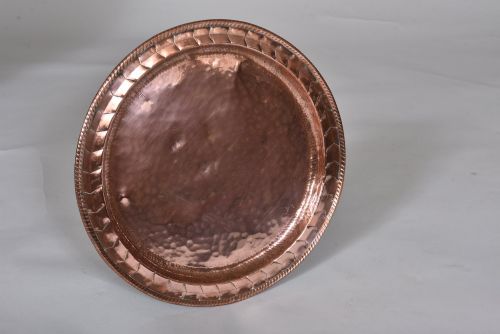
These antique copper plated items and related metalwares bring rich metallic warmth and intricate surface detail to a room.
Antique Copper Plated
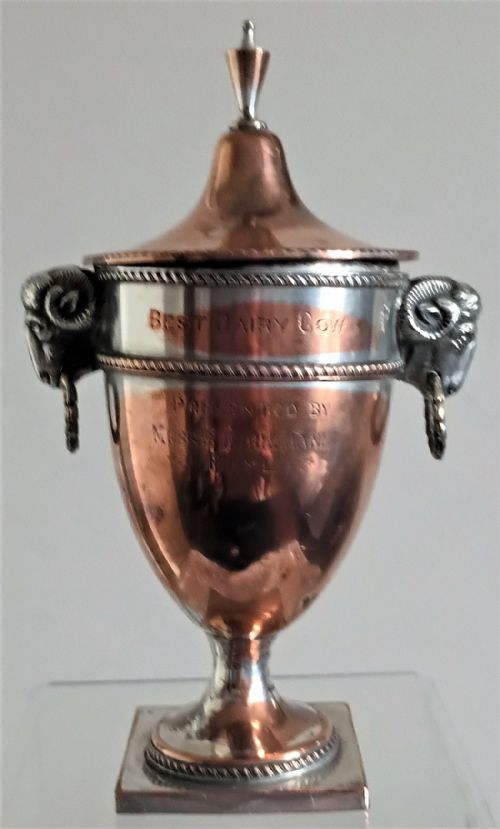
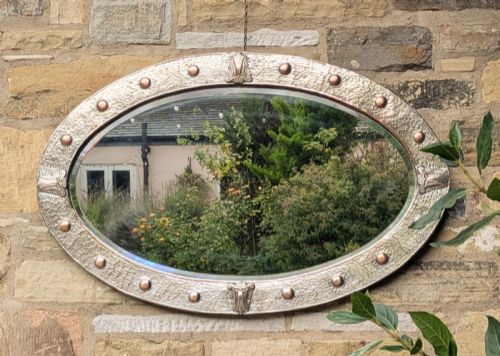
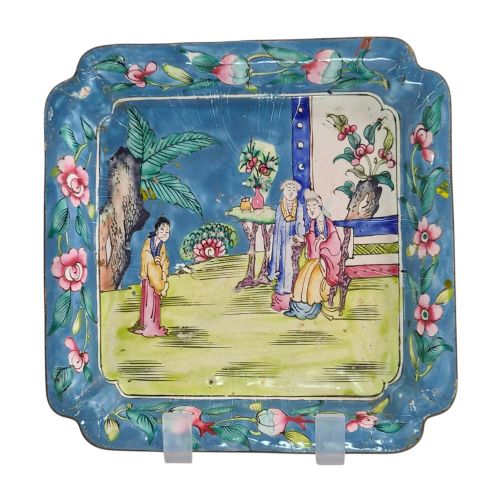
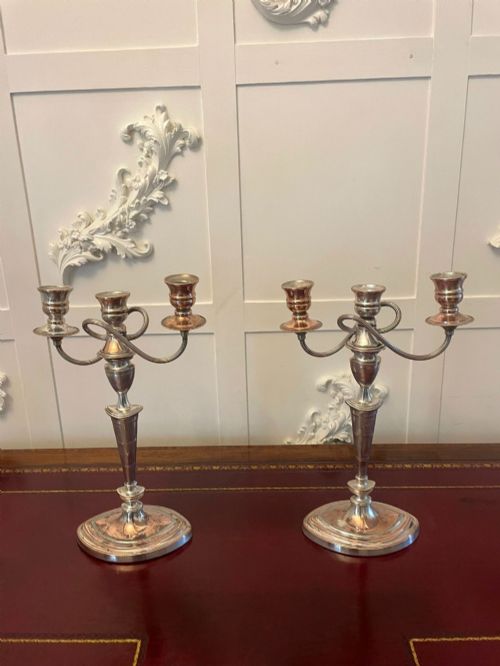
When searching for antique copper plated goods, collectors encounter a diverse array of utilitarian and decorative objects spanning the eighteenth to the twentieth centuries. The selection encompasses Georgian Old Sheffield plate tableware, large Japanese cloisonne enamel chargers, Middle Eastern silver inlaid dishes, and Victorian candelabras. These pieces reflect global manufacturing traditions where copper serves as the base metal or the primary medium for plating, engraving, and enamelling.
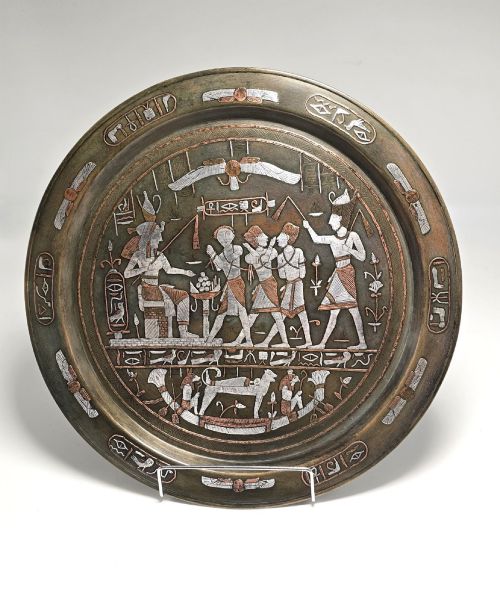
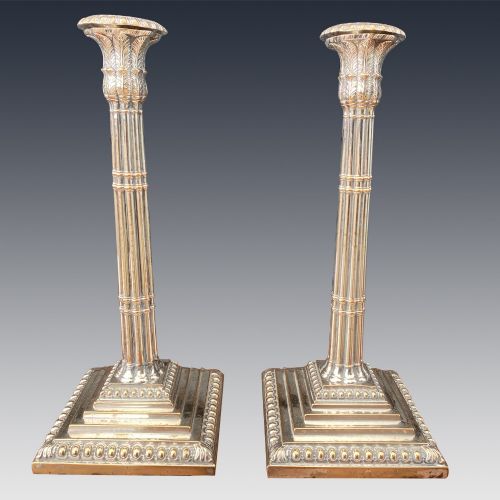
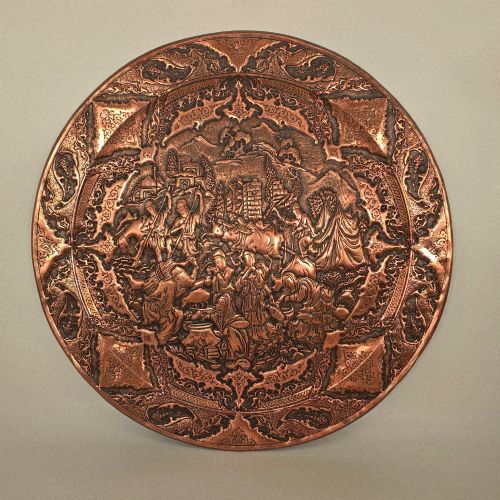
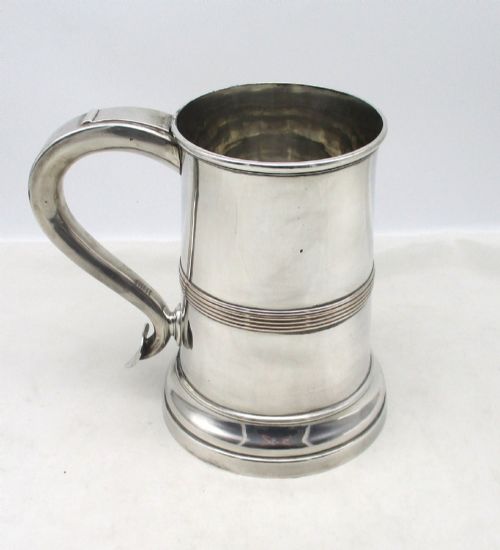
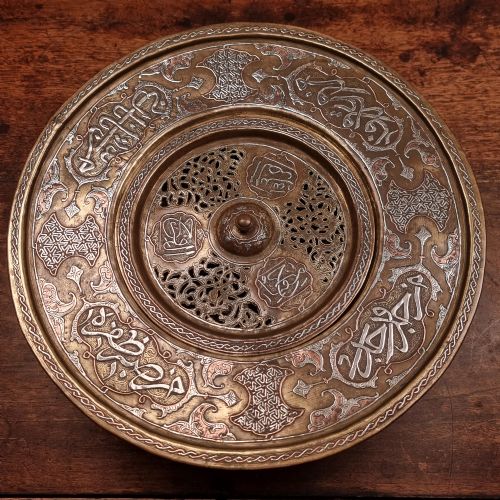
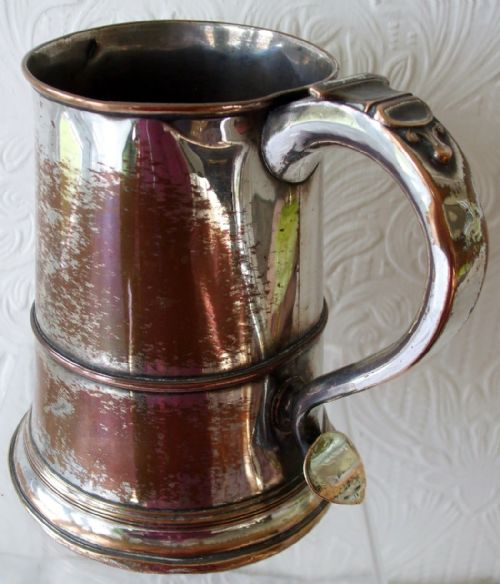
The objects most frequently met on this page include Old Sheffield plate tankards, mugs, wine coasters, and candlesticks originating from the Georgian and Victorian eras. Alongside British domestic silver-on-copper items, the inventory includes Persian, Syrian, and Egyptian Cairo Ware chargers featuring repousse work and silver inlay, plus Japanese Meiji period cloisonne trays and plates.
Domestic vessels from the Georgian period sit alongside exotic nineteenth century wall chargers and printing plates, demonstrating the wide geographic spread of copper craftsmanship. Buyers select these items for their decorative utility, historical depth, and the varied patination acquired over centuries of existence.
How they were made
Makers utilised copper as the foundational substrate, combining it with brass, bronze, and silver through specialist fusion or plating techniques. Old Sheffield plate required fusing a thin sheet of silver to a thicker copper ingot under intense heat before rolling the composite metal into workable sheets.
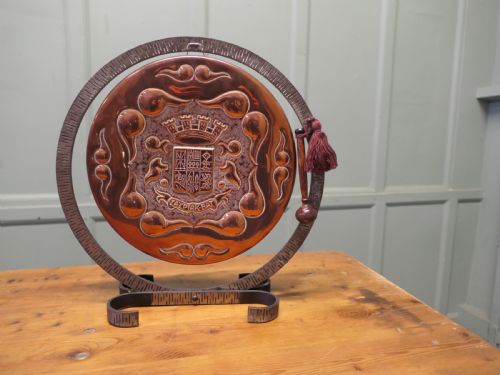
Artisans applied surface decoration using engraving, repousse, and silver inlay methods, often hammering the metal by hand to shape vessels, trays, and gongs. Cloisonne pieces incorporated thin metal wires soldered to copper bases to form cells that held coloured enamel pastes prior to firing.
Antique Copper Plated Retail Price Guide 2026
Typical asking prices for copper plated among the pieces listed under this phrase on Sellingantiques today, from the lower quarter to the upper quarter. They describe what is for sale here now, not the wider market.
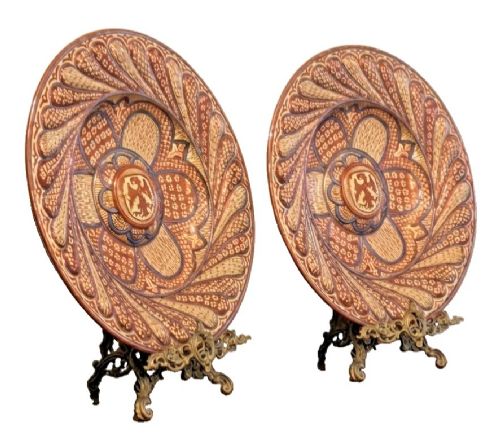
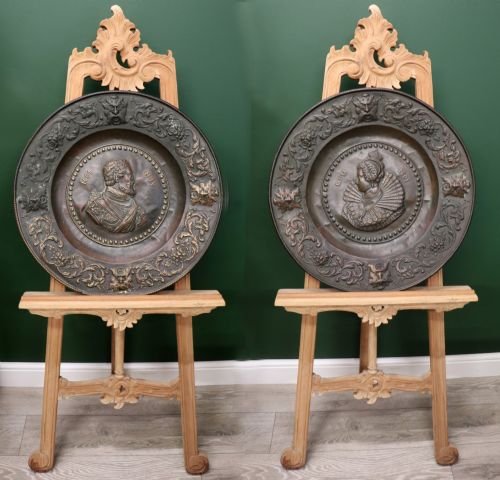
Several plates depict leaping koi, owls, and dragons alongside portraits of European monarchs, proving that historical artisans possessed wonderfully eclectic imaginations.
What varies in quality
The distinction between standard items and superior examples lies in the crispness of the hand-hammered repousse work and the complexity of the engraving. Pieces showing deep, deliberate tool marks and precise surface detailing demonstrate higher levels of artisan skill than those with shallow or mechanical patterning.
Material application also dictates quality, particularly in Old Sheffield plate where the evenness of the silver layer over the copper core matters significantly. In Japanese cloisonne and Middle Eastern inlaid wares, the intricacy of the wirework and the harmonious integration of silver and enamel determine the overall standing of the piece.
Richard Morton·Pontifex And Stiles·Barker Ellis
The Antique Copper Plated Glossary
- Old Sheffield Plate
- An early composite material made by fusing silver to a copper core, developed in the eighteenth century before electroplating became common. Items made this way often reveal faint traces of copper along the high edges where the silver layer has worn thin over generations of polishing.
- Cairo Ware
- Nineteenth and early twentieth century metalwork produced in Egypt, typically constructed from brass or copper with intricate silver and copper inlay. These decorative chargers and bowls draw heavily on Islamic design motifs popular during the European Grand Tour period.
- Cloisonne
- An ancient enamelling technique where metal wires are soldered onto a copper base to create compartments that are filled with vitreous paste and fired. Japanese examples from the Meiji period frequently depict natural subjects such as dragons, phoenixes, and koi fish.
- Repousse
- A metalworking technique where the artisan hammers the design from the reverse side to form a raised relief on the front. This method is common in Persian and Kashmiri copper trays, creating tactile surfaces that catch the light.
- Sconce
- A detachable nozzle fitted into the top of a candlestick to catch dripping wax. In Georgian examples, these removable components match the main body and help date the complete assembly.
Antique Copper Plated: Frequently Asked Questions
How do I clean antique copper plated items?
Clean these surfaces gently with a soft cloth and mild soapy water to preserve the underlying metal and any patination. Avoid harsh chemical polishes that can strip thin plating or damage delicate enamel and inlay work.
Dry the object thoroughly after washing to prevent moisture settling in crevices. Regular light dusting maintains the appearance without causing abrasion to antique surfaces.
What is Old Sheffield plate?
Old Sheffield plate is an early form of plated metal created by heat-fusing a layer of silver onto a copper ingot. This composite material was then rolled into sheets and fashioned into candlesticks, tankards, and coasters during the Georgian period.
Items made this way often show subtle hints of the warm copper base showing through the silver layer on high wear points. This characteristic helps differentiate early fused pieces from later nineteenth-century electroplated items.
How do I date Cairo Ware chargers?
Cairo Ware chargers generally date from the late nineteenth to early twentieth centuries, coinciding with the European Grand Tour era. They are identified by their heavy brass or copper construction adorned with dense silver and copper inlay in Islamic geometric patterns.
Examining the weight, the style of the inlay, and the specific composition of the underlying metal helps place these decorative pieces within their historical production window.
Can copper plated items be used daily?
Many historical vessels such as tankards, bowls, and trays were built for functional use, though modern handling requires care to protect fragile surfaces. Items featuring delicate cloisonne enamel or intricate silver inlay are best reserved for display rather than active service.
Sturdier Georgian and Victorian plate items can safely hold dry goods or serve decorative display roles in domestic settings. Mindful handling ensures the historic plating and patination remain undisturbed.