

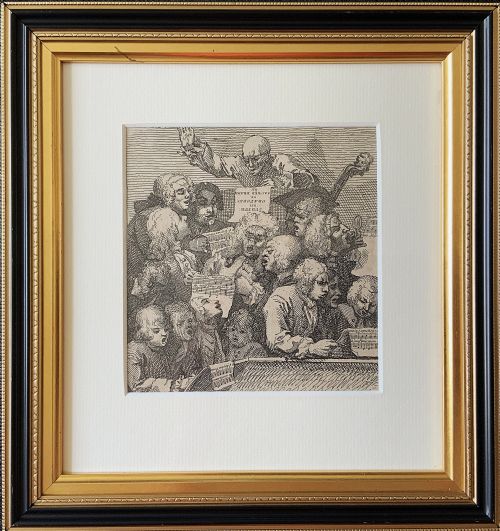

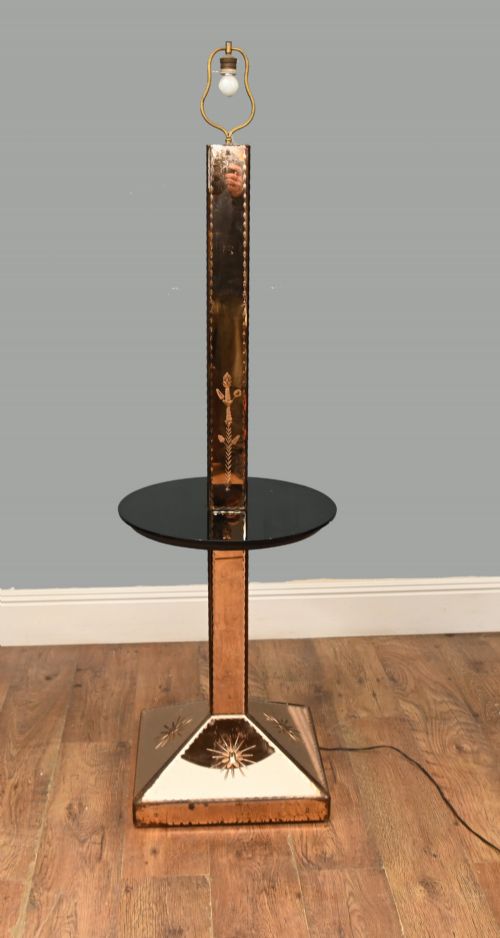


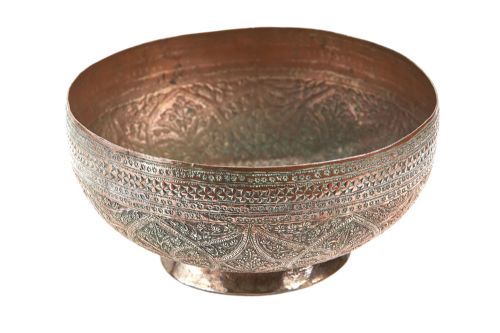


Antique Copper Etching
These antique copper etching examples bring eighteenth-century and nineteenth-century printmaking straight to your walls with genuine historical depth.
Antique Copper Etching
An antique copper etching represents a specialised form of intaglio printmaking where lines are bitten into a metal plate using acid before being inked and transferred to paper. You will encounter works spanning the Georgian and Victorian eras, alongside related plates and prints.
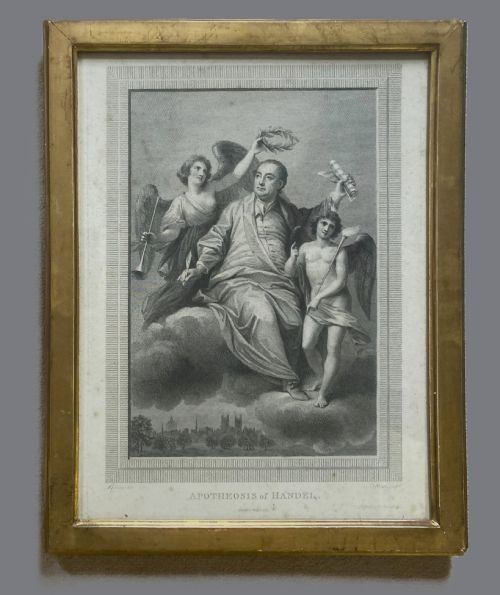
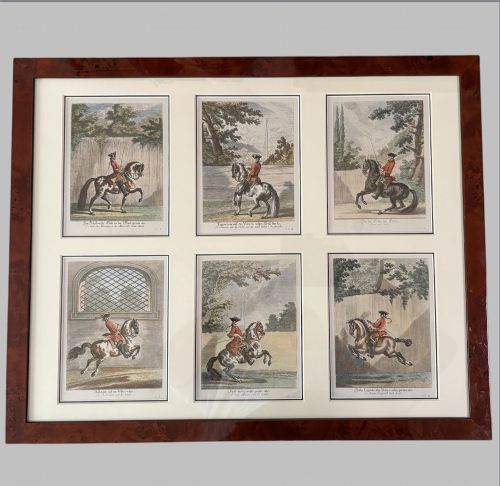
The selection ranges from eighteenth-century sheets depicting classical subjects and social satires to nineteenth-century plates and hand-coloured impressions. These pieces preserve the detailed hand of the engraver and the distinct texture of period paper.
Materials and methods
Makers utilised copper plates as the primary matrix, applying a protective ground and drawing through it with a needle before submerging the metal in acid. Ink was then worked into the recessed grooves and wiped from the surface.
Impressions were pulled onto dampened paper using a rolling press, sometimes receiving subsequent hand-colouring in watercolour or ink. Frames frequently incorporate wood and glass to protect the fragile paper sheets.
Antique Copper Etching Retail Price Guide 2026
Typical asking prices for copper etching among the pieces listed under this phrase on Sellingantiques today, from the lower quarter to the upper quarter. They describe what is for sale here now, not the wider market.
The listings span the eighteenth century, the Georgian era, the nineteenth century, and the 1930s, using copper, brass, glass, and paper.
Assessing quality and condition
Quality rests in the crispness of the plate impression and the fidelity of the line work, where deeper bites hold more ink and retain sharper detail over numerous pulls. Early impressions show little wear to the copper plate, capturing the subtle nuances intended by the artist.
The condition of the paper surface, the presence of original hand-colouring, and the integrity of period framing significantly influence the character of each piece. Later printings or worn plates yield softer lines and muted contrasts.
James Heath·Biaggio Rebecca·John Horner Halifax Pontifex·William Hogarth·E.L. Riepenhausen·Alessandro Mocchetti·Henry William Bunbury·Herbert Dicksee·James Basire
The Antique Copper Etching Glossary
- Etching
- A printmaking process where acid bites lines into a metal plate. The resulting grooves hold the ink for transfer to paper.
- Intaglio
- A printing technique where the ink is held below the surface of the plate in etched or engraved grooves. Pressure forces the damp paper into these recesses to pick up the ink.
- Drypoint
- A printmaking method where an artist scratches directly into the metal plate with a sharp needle. This raises a small ridge of metal called a burr that creates a velvety line when printed.
- Plate mark
- The indentation left on the paper by the edges of the metal printing plate under the pressure of the press. Its presence confirms an original impression from a plate.
Antique Copper Etching: Frequently Asked Questions
How do I care for an antique copper etching?
Keep framed prints away from direct sunlight and high humidity to protect the paper and any hand-applied watercolours from fading or foxing.
Ensure that framing materials are acid-free to prevent degradation of the paper sheet over time.
What is the difference between an etching and an engraving?
An etching relies on acid to bite the lines into the metal plate through a protective ground, allowing for a freer, more painterly line.
An engraving is cut directly into the metal using a sharp tool called a burin, resulting in precise, tapering strokes.
Are these prints original to their stated period?
The listings include original works produced during the eighteenth and nineteenth centuries, often identifiable by the paper type and plate characteristics.
Examination of the plate mark and ink saturation helps confirm the period of the impression.