





Antique Copper Candlestick
These antique copper candlestick examples bring tactile warmth and enduring utility to a room through centuries of metalwork.
Antique Copper Candlestick
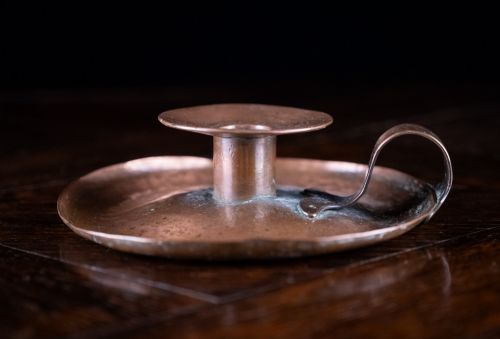
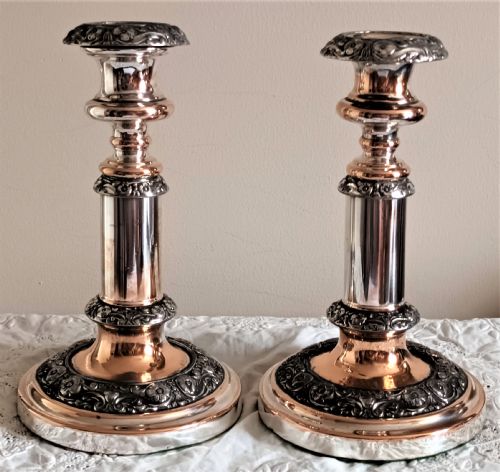
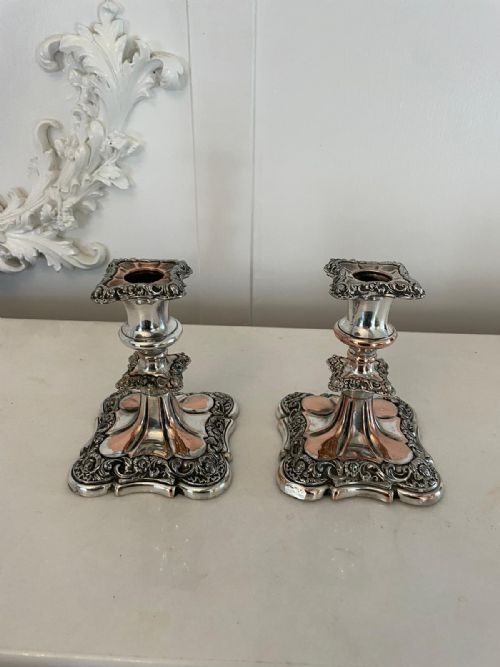
An antique copper candlestick serves both domestic illumination and decorative presence, spanning periods from the sixteenth century through the early twentieth century. You will encounter various forms here, ranging from simple domestic lighting to monumental pricket designs and telescopic examples.
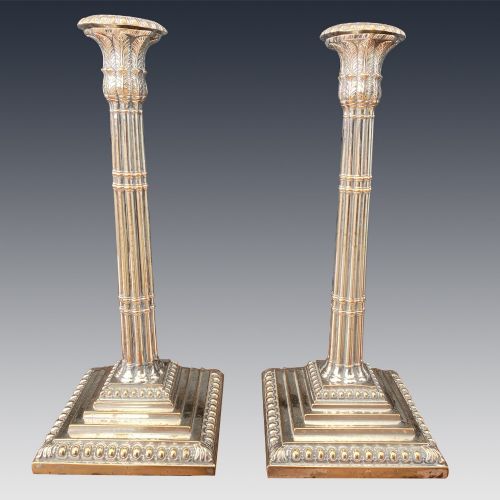
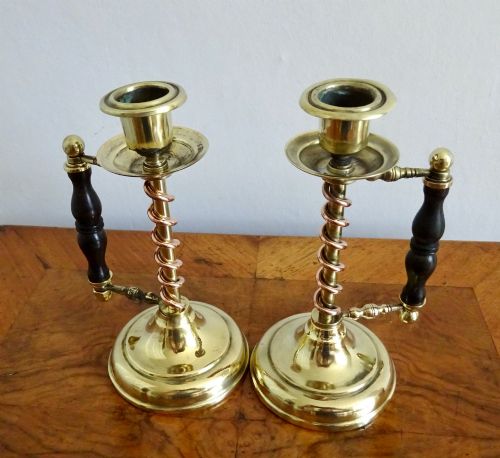
The selection includes pieces created during the Georgian, Victorian, and Edwardian eras, alongside specific stylistic movements such as Arts and Crafts, Art Nouveau, and the Amsterdam School. Many examples combine copper with brass, silver plate, or Sheffield plate, demonstrating the versatility of metalworking across different workshops and countries.
Assessing quality and proportion
Quality rests in the weight of the metal, the balance of the proportions, and the integrity of the joints between the base, stem, and socket. Heavier gauge copper and substantial brass or copper alloy cores indicate superior domestic utility and durability.
Subtlety of surface finish and the clarity of decorative elements distinguish standard production from exceptional pieces. Examples bearing signatures or showing distinct attribution to known design influences command greater attention from collectors.
Antique Copper Candlestick Retail Price Guide 2026
Typical asking prices for copper candlestick among the pieces listed under this phrase on Sellingantiques today, from the lower quarter to the upper quarter. They describe what is for sale here now, not the wider market.
Some seventeenth-century examples doubled as functional bells, ensuring dinner guests heard their summons over the flickering candlelight.
Birmingham Guild of Handicraft·Dr Christopher Dresser
The Antique Copper Candlestick Glossary
- Pricket candlestick
- A candlestick featuring a sharp central spike designed to impale the base of a candle, rather than a socket to hold it. This form appears frequently in ecclesiastical and larger decorative lighting.
- Telescopic candlestick
- A lighting device with an adjustable shaft that extends or retracts using sliding tubes inside the stem. This mechanism allowed users to alter the height of the flame.
- Old Sheffield plate
- A composite material made by fusing a thin sheet of silver to a thicker copper ingot, rolled together under heat. This technique predates electroplating and creates a distinct edge where the copper core shows.
- Paktong
- A copper-nickel-zinc alloy originating from China, imported to Europe for high-end decorative metalwork. It mimics the appearance of silver and resists tarnish effectively.
- Amsterdam School
- An expressionist architectural and design movement from the early twentieth century characterised by expressive forms and rich surface textures. Pieces from this tradition often utilise heavy copper and brass.
Antique Copper Candlestick: Frequently Asked Questions
Were these candlesticks used for dining tables?
Domestic lighting instruments provided illumination for dining tables, parlours, and bedchambers before the arrival of gaslight and electricity. Taper sticks and chamber candlesticks served specific portable functions around the home.
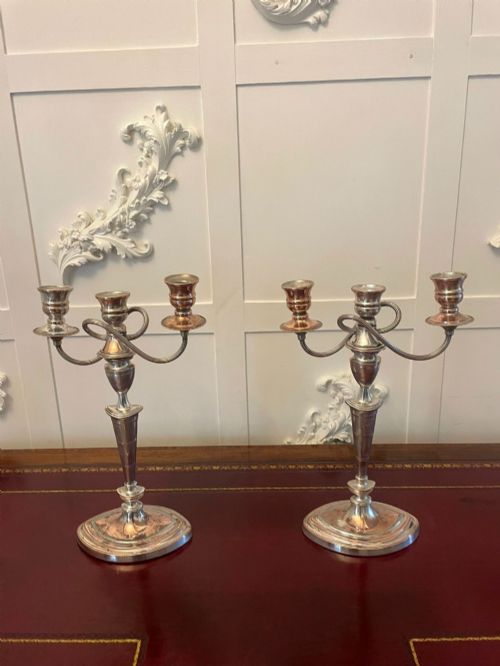
Larger pairs illuminated formal dining settings or mantelpieces, often accompanied by matching candelabra. Their weight and design ensured stability during daily use.
How can I tell a Georgian piece from a Victorian one?
Georgian examples often display restraint in form, incorporating Sheffield plate or simple turned copper shafts. Their proportions follow classical architectural rules established during the eighteenth century.
Victorian pieces frequently embrace ornate decoration, heavier casting, and stylistic revivals. The introduction of Arts and Crafts and Art Nouveau influences towards the end of the nineteenth century brought hand-hammered surfaces and mixed metals.
Can I still use these candlesticks with modern candles?
Many historical sockets accommodate standard modern taper candles, though slight variations in nineteenth-century diameters may require minor adjustments. Using dripless candles protects the antique metal from stubborn wax accumulation.
Inspect the socket interior before lighting to ensure no residue blocks the seating. Care should be taken with telescopic mechanisms to avoid straining extended joints.