
Antique Copper Art
These pieces of antique copper art bring hammered metalwork, repousse decoration and organic motifs straight into modern interiors.
Antique Copper Art
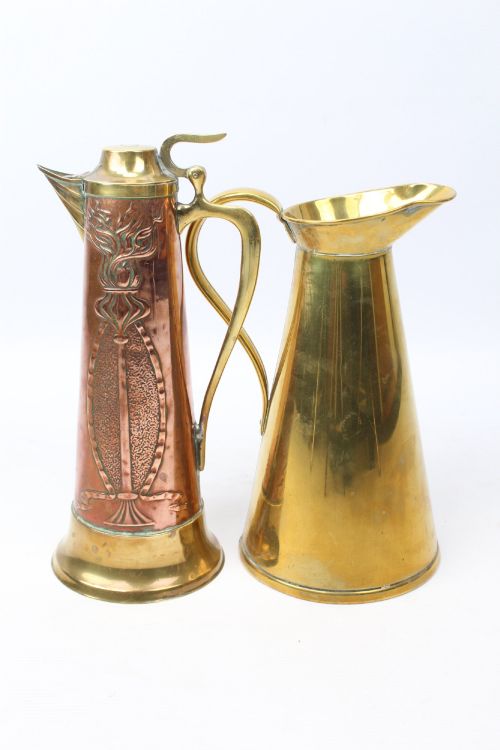
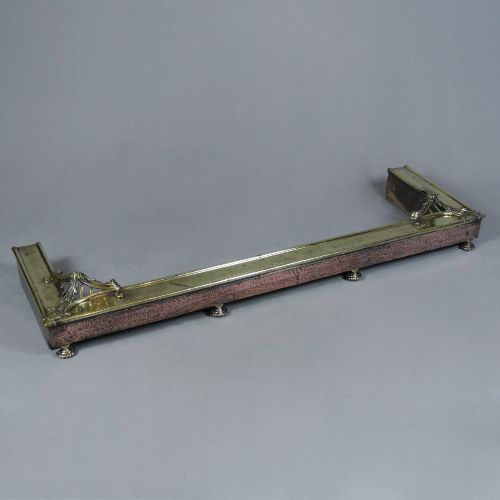
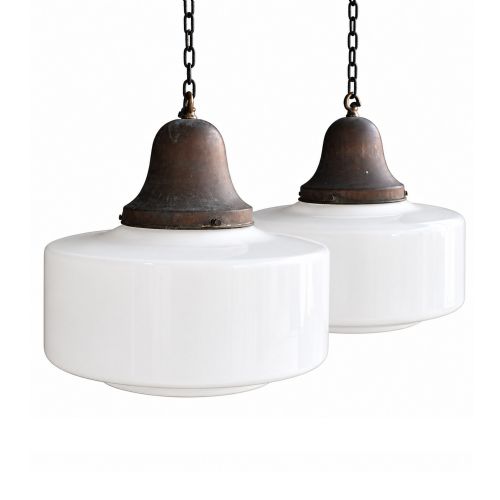
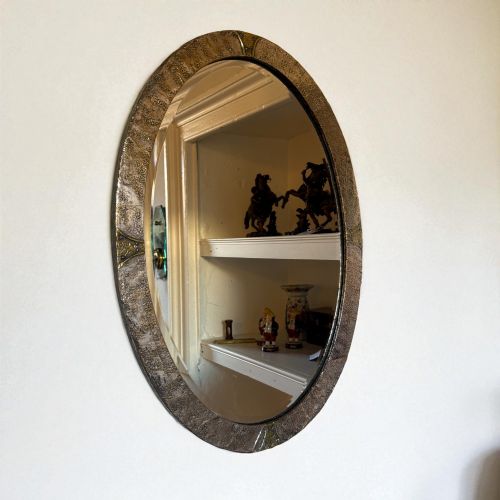
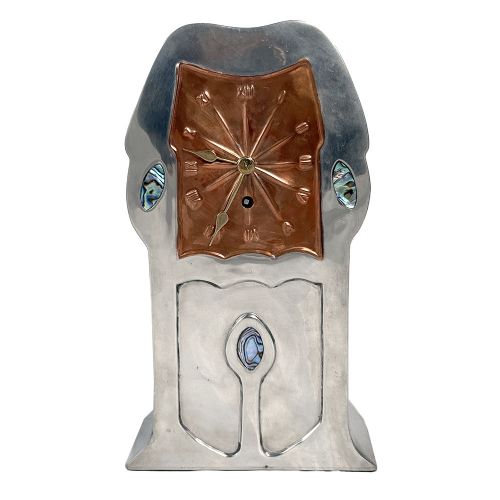
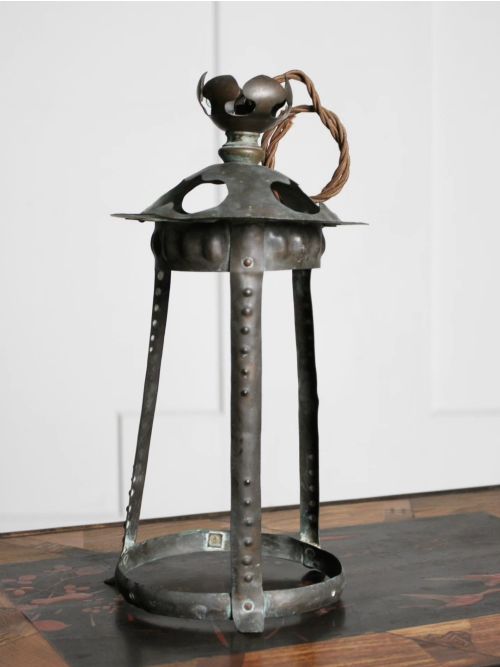
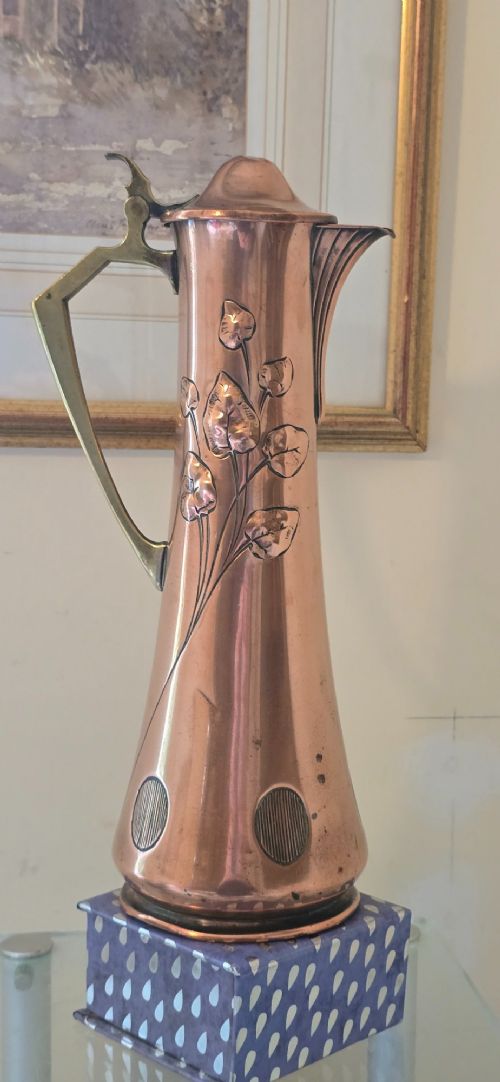
When you examine antique copper art, you find practical household objects elevated by design movements like Arts and Crafts and Art Nouveau. The selection spans domestic metalwork such as wall mirrors, pendant lights, planters, jugs and fireplace accessories.
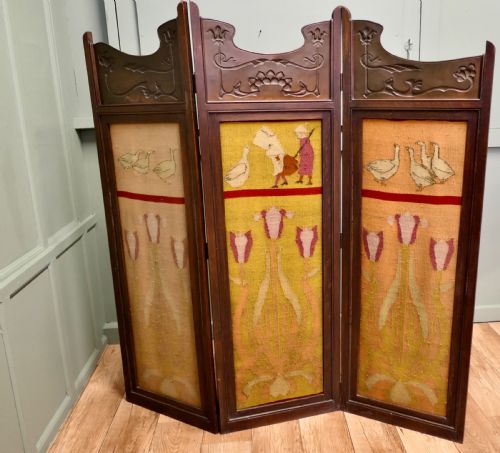
You are most likely to encounter pieces originating from the late nineteenth century through to the early twentieth century, particularly from the Edwardian period and the year nineteen hundred. These items frequently combine copper with brass, oak, iron and enamel accents.
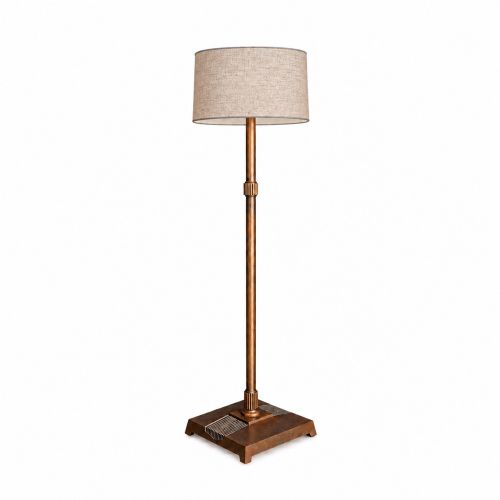
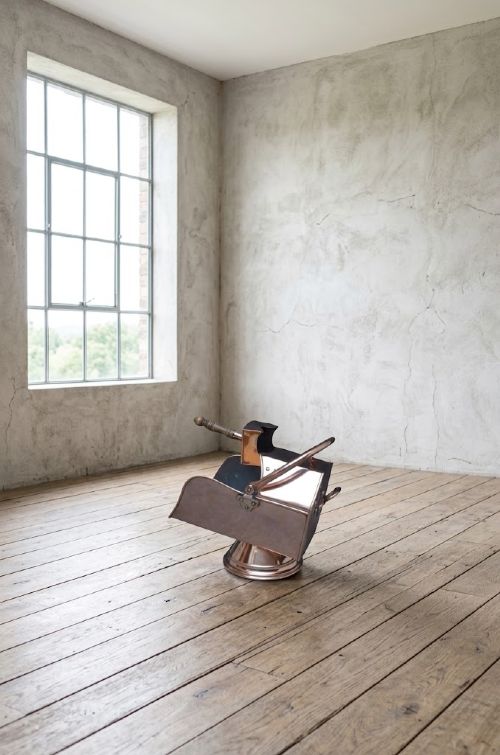
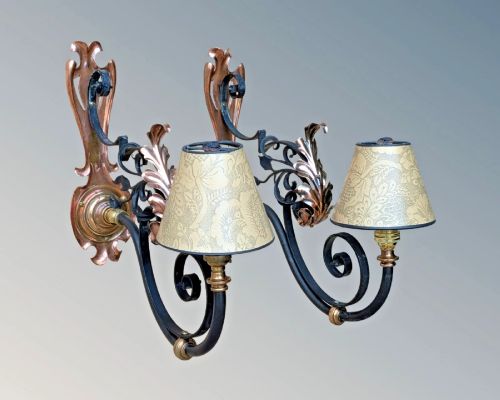
The objects range from small decorative boxes and desk blotters to large coal scuttles, floor lamps and architectural wall sconces. Many reflect regional British metalworking traditions alongside continental European production.
How they were made
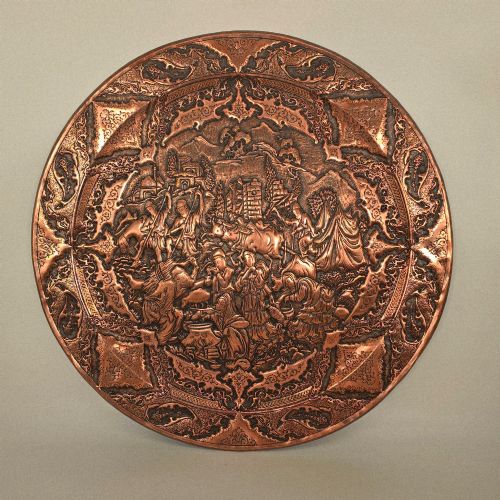
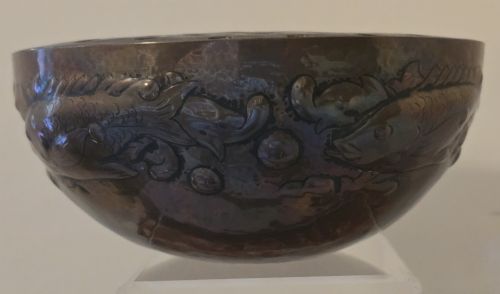
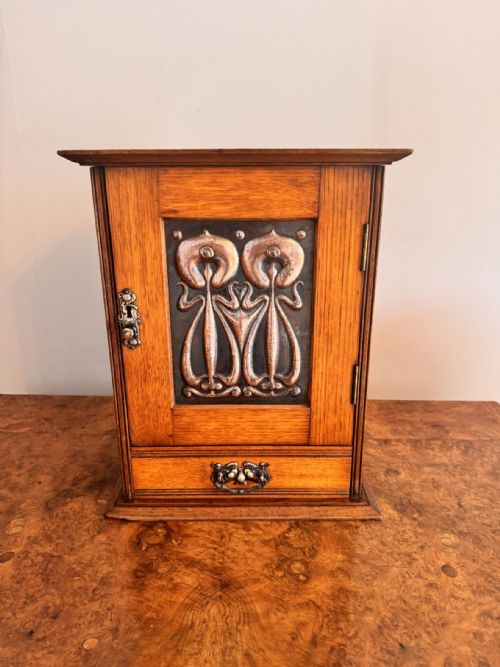
Makers utilised sheet copper shaped by hand through hammering, beating and repousse techniques to build up raised relief patterns. These metal surfaces were frequently mounted onto supporting structures of oak, brass or wrought iron.
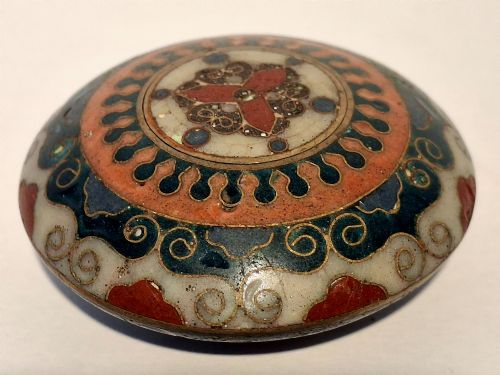
Enamel cabochons, abalone shell inlays and brass detailing were often added to contrast with the warm reddish tone of the copper. Rivets and visible joins played a functional and decorative role in holding the metal panels together.
Listings feature items spanning the eighteenth, nineteenth and early twentieth centuries, incorporating materials such as copper, brass, oak, iron and enamel.
What varies in quality
The standard of antique copper art depends heavily on the crispness and depth of the hand-beaten relief work. Superior examples display confident, purposeful hammer marks and deliberate detailing rather than flat, mechanically uniform surfaces.
Design integrity and attribution separate standard production pieces from workshop highlights created by notable designers or guilds. The quality of secondary materials, such as solid oak frames or genuine enamel inserts, dictates the overall execution.
Archibald Knox for Liberty and Co·Newlyn·WMF
The Antique Copper Art Glossary
- Repousse
- A metalworking technique where the metal is hammered from the reverse side to create a raised design on the front. This method gives decorative chargers and wall plaques their three-dimensional relief.
- Arts and Crafts
- A design movement valuing handcraftsmanship, simple forms and vernacular materials over industrial mass production. It heavily influences the mirrors, lights and metal vessels found in this category.
- Art Nouveau
- A style characterised by flowing, organic lines inspired by natural forms like plants and flowers. It appears frequently on jugs, planters and desk accessories from the turn of the twentieth century.
Antique Copper Art: Frequently Asked Questions
How do I clean antique copper?
Surfaces should generally be left with their natural aged patina rather than polished to a bright shine. Gentle dusting with a soft cloth is usually sufficient for daily maintenance.
Avoid abrasive chemical cleaners that strip away the historical surface character built up over decades of use.
Where were these pieces made?
The inventory includes items produced across Britain, including specialised regional workshops in Cornwall. Other pieces originate from continental European makers and French studios.
Production methods often combined local vernacular metalworking with contemporary design influences from London and Paris.
How do I date antique copper?
Dating relies on stylistic markers such as the flowing organic curves typical of Art Nouveau or the robust, honest construction of Arts and Crafts pieces. Maker stamps, riveted joints and associated materials like oak or brass also help narrow down the period.
Comparing construction techniques with dated examples from the late Victorian and Edwardian eras provides further chronological context.