







Antique Convex Glass Frame
An antique convex glass frame distorts the room with brilliant curvature, offering a historic window that collectors prize for its dramatic reflection.
Antique Convex Glass Frame
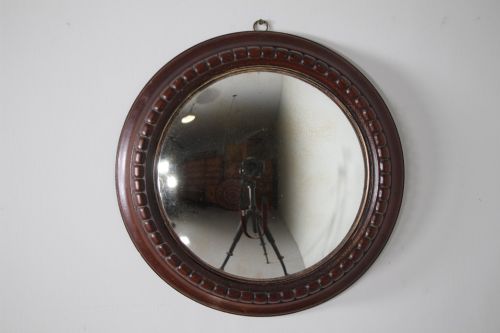
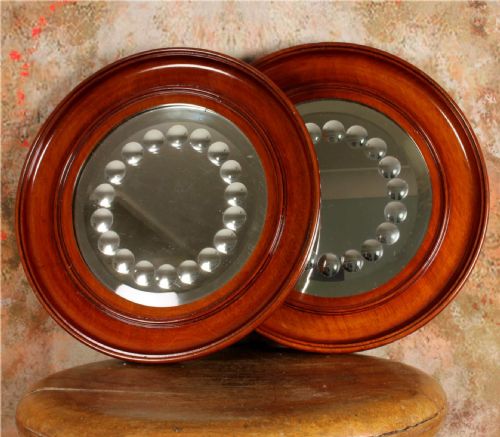
When you search for an antique convex glass frame, you encounter a distinct group of circular wall mirrors, clocks, and picture frames housing curved bubble glass. These pieces originate primarily from the nineteenth and early twentieth centuries, spanning the Regency, Victorian, and Edwardian periods.
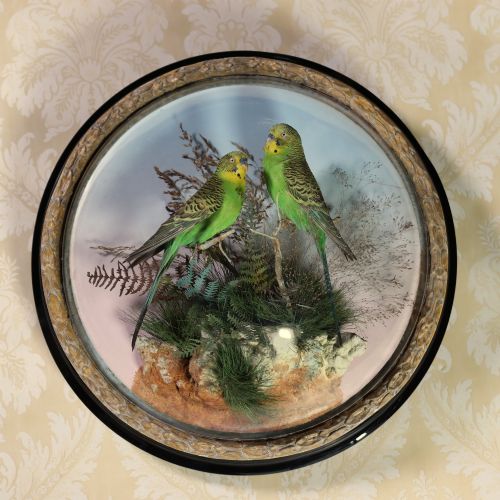
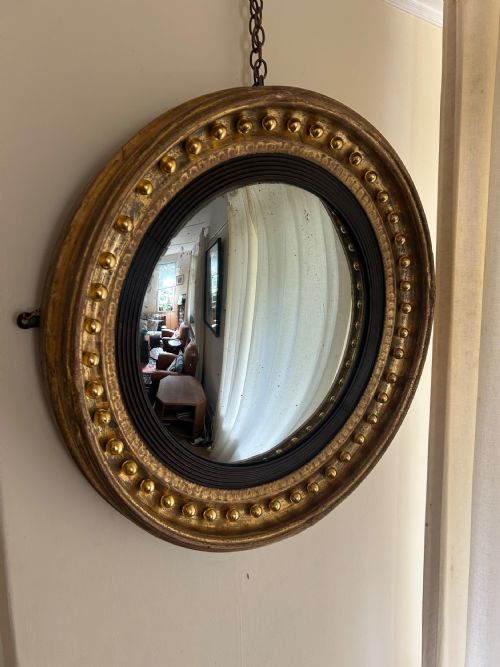
You are most likely to meet circular giltwood wall mirrors, often known as witch's or sorcerer's mirrors, alongside framed crystoleum paintings protected beneath domed glass. The selection also includes oak wall clocks and ornate oval picture frames from various nineteenth-century and later workshops.
The assortment reflects diverse aesthetic movements, ranging from grand Regency interpretations to Victorian rococo revival and mid-century fairground styles. These objects serve simultaneously as optical curiosities and striking focal points for period interiors.
How they were made
Makers formed the characteristic bulging round panes using specialist glass-blowing and pressing techniques that created distortion-free optical curves. These fragile lenses required precise seating within wooden or cast metal rebates to withstand the pressure of the frame.
The surrounding structures rely heavily on carved wood, gesso, and ebonised timber, finished with applied gold leaf or metallic paint. Artisans built heavy wooden carcasses, particularly for large Regency and Victorian wall mirrors, to support the substantial weight of the glass and backing materials.
Antique Convex Glass Frame Retail Price Guide 2026
Typical asking prices for convex glass frame among the pieces listed under this phrase on Sellingantiques today, from the lower quarter to the upper quarter. They describe what is for sale here now, not the wider market.
Object types recorded in the inventory span wall mirrors, wall art, framed prints, and dial fusee wall clocks.
What varies in quality
The crispness of the gesso ornamentation and the depth of the original gilding set superior frames apart from simpler later iterations. Finer examples retain their original convex glass plates without excessive clouding, scratches, or modern replacement panels.
The underlying woodwork demonstrates the maker's hand through tight joinery, balanced proportions, and careful carving rather than hasty moulding. Period authenticity in the backing boards, fastenings, and silvering determines the overall integrity of the piece.
The Antique Convex Glass Frame Glossary
- Convex glass
- Curved glass that bows outward toward the viewer, creating a wide-angle reflection of the entire room. This optical element is characteristic of witch's mirrors and dome-fronted picture frames.
- Crystoleum
- A Victorian technique where a colour print was pasted face down to glass, the paper backing rubbed away, and the remaining transparent image hand-painted from behind. These delicate works were frequently mounted beneath curved bubble glass.
- Giltwood
- Timber carved and coated with a thin layer of gold leaf over a prepared gesso ground. It provides the brilliant metallic finish seen on Regency and Victorian mirror frames.
- Ebonised wood
- Timber treated with chemical stains or dark finishes to imitate expensive ebony. This dark contrasting material appears frequently on nineteenth-century frames to accentuate the gilding.
Antique Convex Glass Frame: Frequently Asked Questions
What is a witch's mirror?
A witch's mirror is a historic convex wall glass designed to reflect a wide-angle view of an entire room. Historically, superstitious belief held that these curved mirrors warded off evil spirits and monitored household activity.
Today, collectors value them primarily for their decorative impact and unique optical distortion. They typically feature round gilt frames, sometimes surmounted by carved eagles or candle sconces.
How do I date an antique frame?
Dating relies on examining the construction of the wooden carcass, the composition of the gesso, and the manufacturing characteristics of the glass. Regency frames often display bolder classical ornamentation, while Victorian examples lean toward heavier floral and rococo revival motifs.
Inspect the reverse of the piece for period backing boards, old fixings, and paper labels. Hand-cut screws and aged fixings provide reliable clues to the manufacturing era.
What is a crystoleum painting?
A crystoleum is a Victorian picture made by applying a paper print to glass, thinning the paper, and painting the reverse by hand. This meticulous process created luminous images with remarkable depth and soft colour.
Because of their fragile nature, these pictures were commonly housed beneath convex glass and ornate frames. They represent a popular domestic art form of the late nineteenth and early twentieth centuries.
How should I hang a heavy convex mirror?
Because antique convex mirrors and clock frames carry considerable weight from the glass and dense wooden carcasses, secure wall fixings are essential. Mount the piece directly into wall studs or utilise appropriate heavy-duty masonry anchors.
Avoid hanging these items in areas subject to excessive dampness or direct sunlight, which can damage the antique gilding and backing silver. Check the integrity of the hanging wire or integrated brackets on the reverse before installation.