


Antique Converted Lamp Table
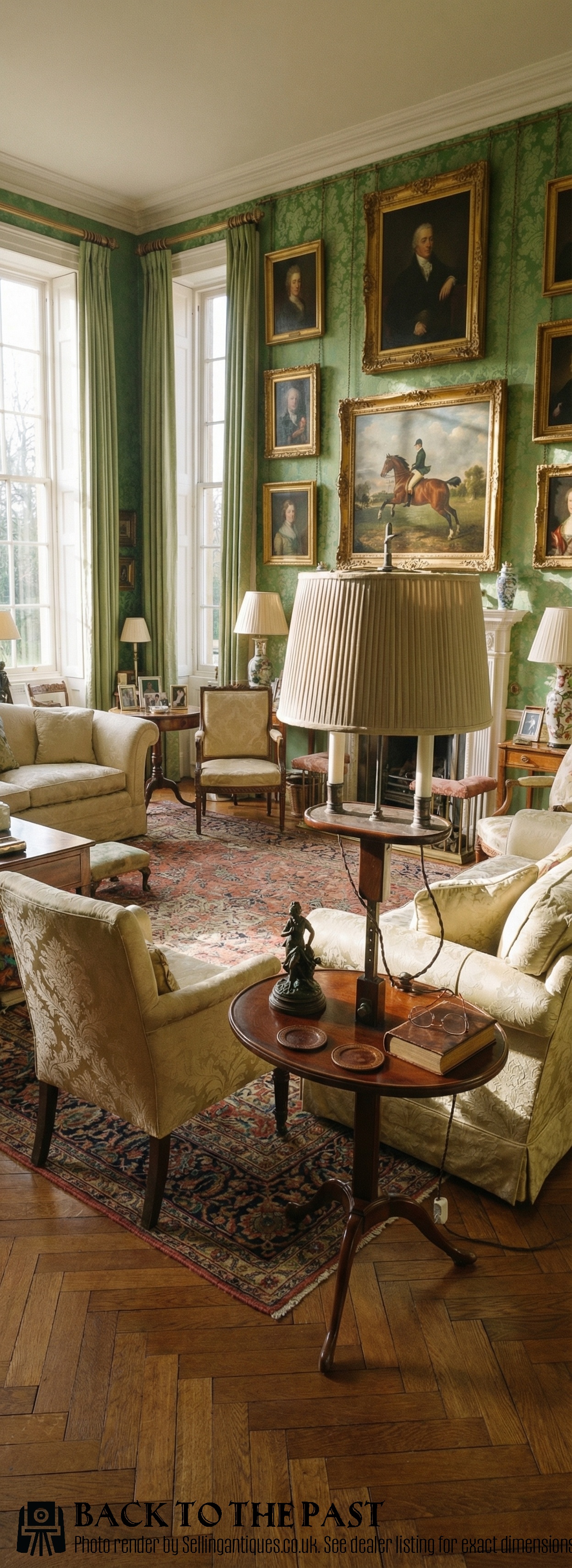
An antique converted lamp table repurposes historical vessels and candlesticks into functional lighting, bringing domestic warmth and distinct character to a room.
Antique Converted Lamp Table
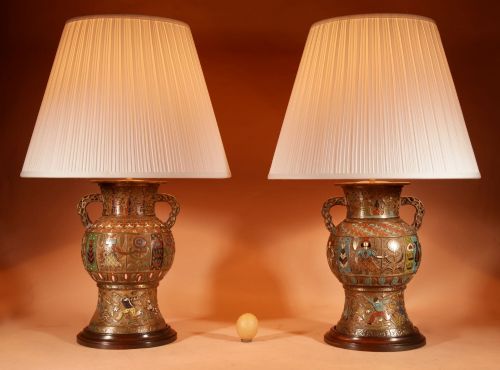
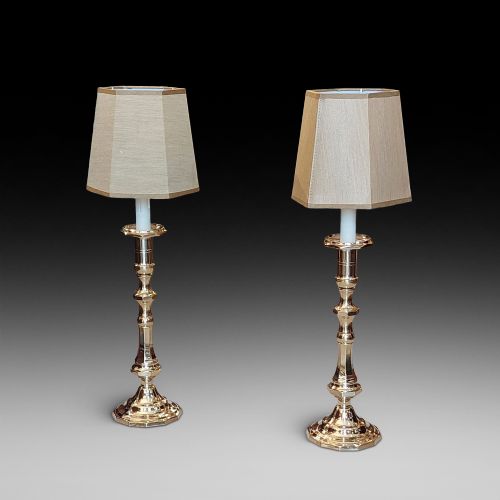
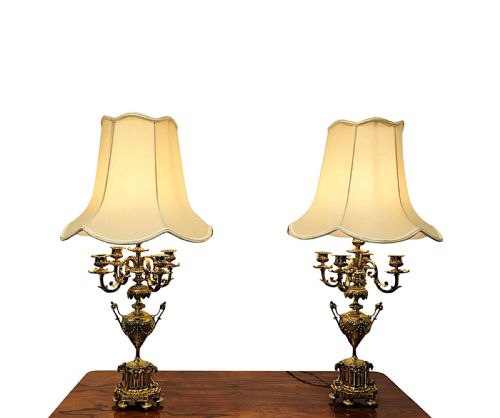
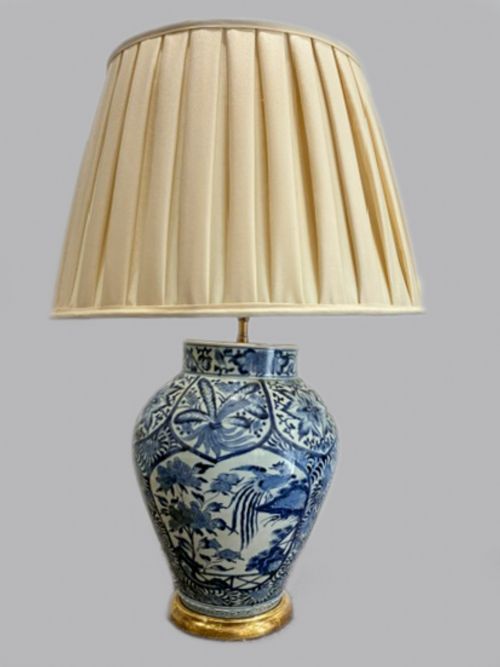
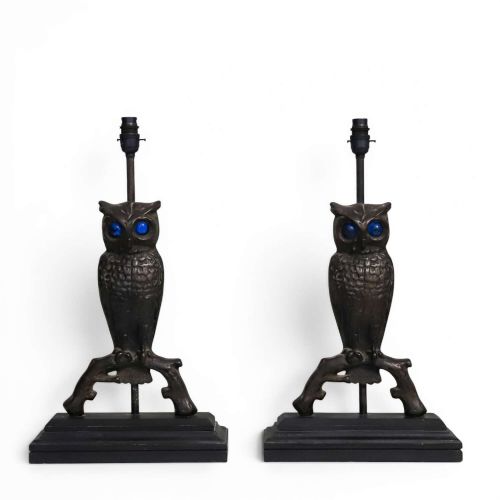
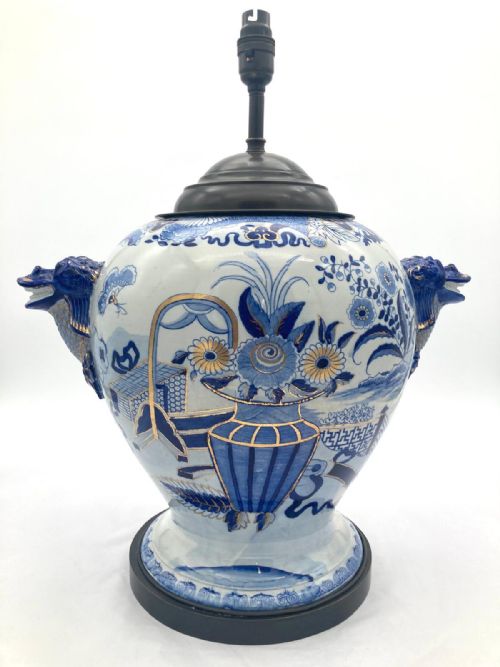
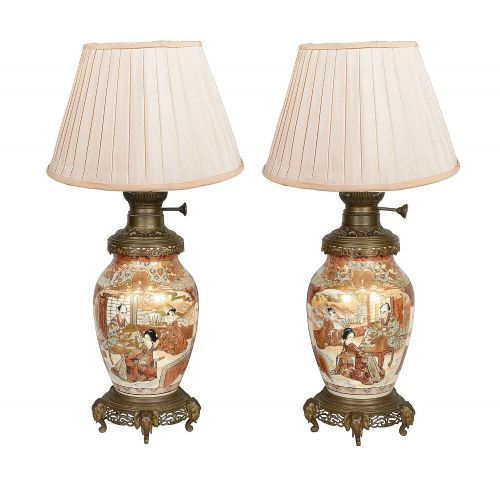
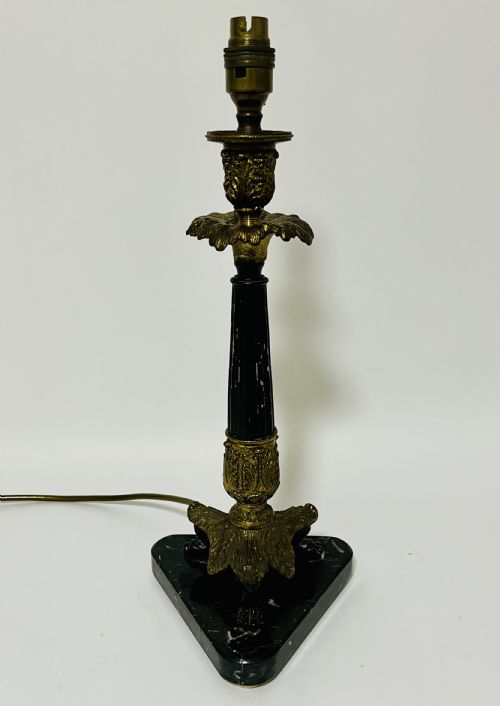
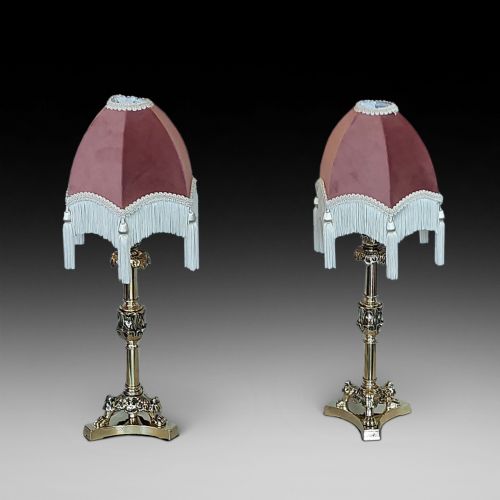
An antique converted lamp table draws on items originally made for entirely different domestic or ritual purposes, such as brass candlesticks, ceramic vases, and bronze ewers. These objects undergo professional conversion to house electrical wiring and lamp fittings, preserving their original decorative form while adapting to modern needs.
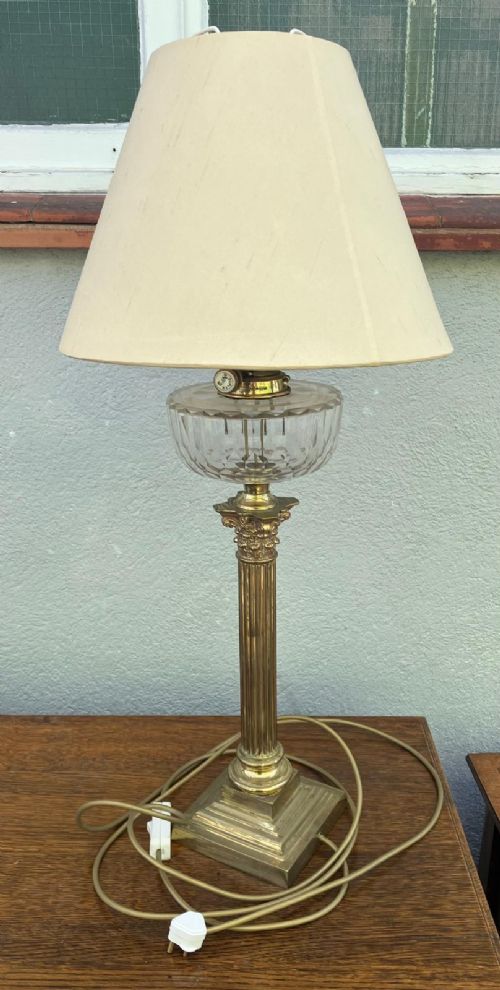
The selections available span multiple centuries, ranging from seventeenth-century Japanese vases to nineteenth-century Victorian brass oil lamps and Corinthian columns. Buyers frequently encounter pairs of converted candlesticks or porcelain jars, alongside single items like Scottish tea canisters and spirit dispensing barrels.
How they were made
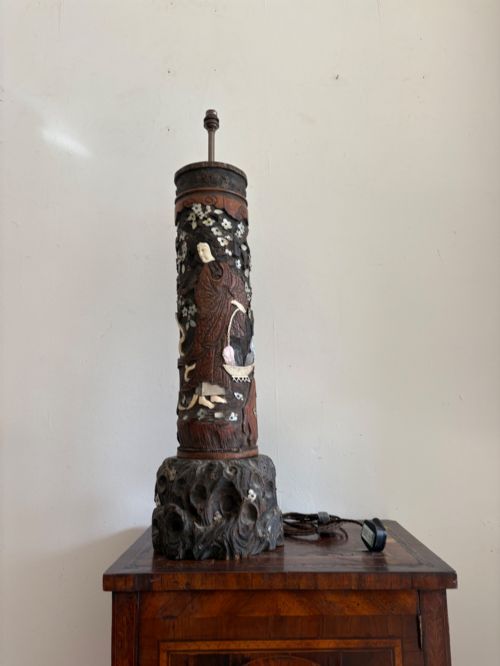
Makers utilised durable materials such as cast bronze, brass, ironstone, porcelain, and carved wood to form the body of each piece. Metals were cast, turned, or plated, while ceramic vessels often featured hand-painted glazes, cloisonne wirework, or delicate mother of pearl inlay.
Conversion work involved drilling passages for electrical cords and mounting bulb sockets securely to the top of the vessel or candlestick without compromising the structural integrity of the antique material.
Listings feature items spanning the seventeenth to the twentieth centuries, utilising materials like brass, bronze, porcelain, and glass.
What varies in quality
The distinction between standard and superior pieces rests upon the original craftsmanship of the host object, whether it is a finely chased French gilt bronze mount or a delicately potted Chinese porcelain vase. The subtlety of the patination on the metal and the precision of any hand-applied surface decoration dictate the overall visual weight of the lamp.
Quality also depends on the discretion used during the conversion process, ensuring that the additions complement the historical proportions of the candlestick or urn rather than overwhelming them.
Hicks and Meigh·Royal Doulton·Osler
The Antique Converted Lamp Table Glossary
- Candlestick
- A portable holder designed to support a wax or tallow candle. In this context, they frequently form the structural base of an electrified table lamp.
- Cloisonne
- An ancient technique for decorating metalwork objects with coloured glass paste placed within compartments defined by bent metal wire. It appears on nineteenth-century Japanese examples.
- Corinthian column
- An architectural order marked by ornate capitals decorated with acanthus leaves. Victorian lamp makers often adopted this classical form for brass pillars.
- Ironstone
- A heavy, durable type of vitreous pottery patented in the nineteenth century. It provides a sturdy ceramic body well suited for conversion into domestic lighting.
- Gilt bronze
- Metal alloy coated with a thin layer of gold to give a rich, reflective surface. It is commonly found on French Empire and nineteenth-century decorative pieces.
Antique Converted Lamp Table: Frequently Asked Questions
What is an antique converted lamp?
An antique converted lamp is an historical object, such as a candlestick, vase, or urn, that has been adapted into an electrical light fixture.
These pieces retain their original period materials and ornamentation while serving a practical everyday lighting function in a room.
How do I choose the right height?
Consider where the lamp will sit and the height of surrounding furniture to ensure the light source sits at a comfortable level.
Tall Corinthian columns or candelabra conversions suit larger sideboards and hallways, whereas compact porcelain vases fit smaller bedside tables.
Are these lamps rewired for modern use?
Many examples are updated with modern wiring and electrical components to meet contemporary safety standards during the conversion process.
Buyers should inspect the specific details of each listing to understand the current state of the internal wiring and fittings.
How do I identify the period?
Period identification relies on examining the manufacturing techniques, material composition, and stylistic markers such as Victorian Gothic Revival or French Empire motifs.
Historical clues like base markings, metal casting methods, and ceramic glazes help narrow down the date of the original host object.