



Antique Condiment Caddy
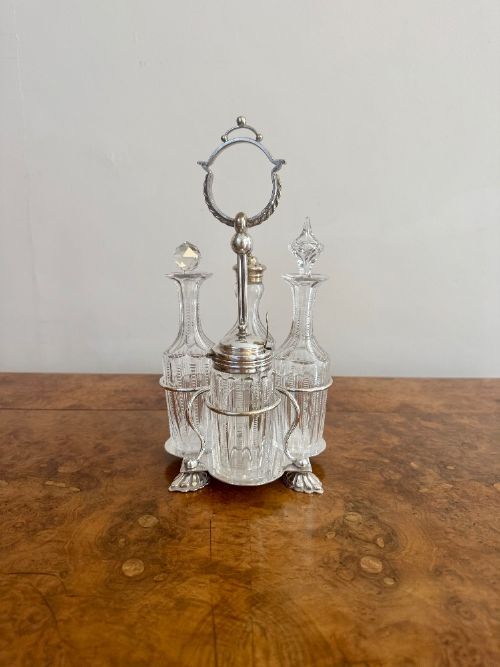
An antique condiment caddy is a tabletop frame designed to hold sauce bottles, mustard pots and cruets.

Antique Condiment Caddy
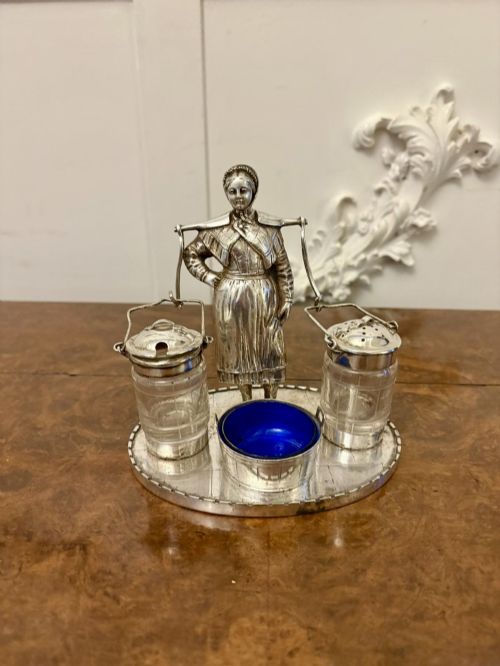
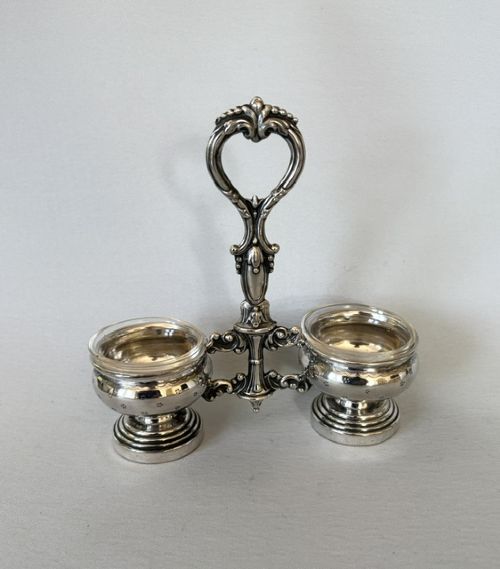
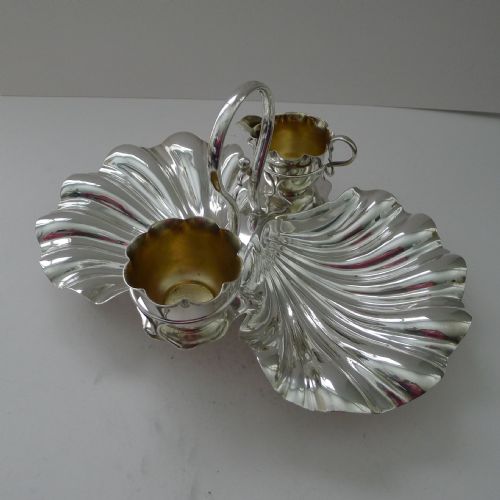
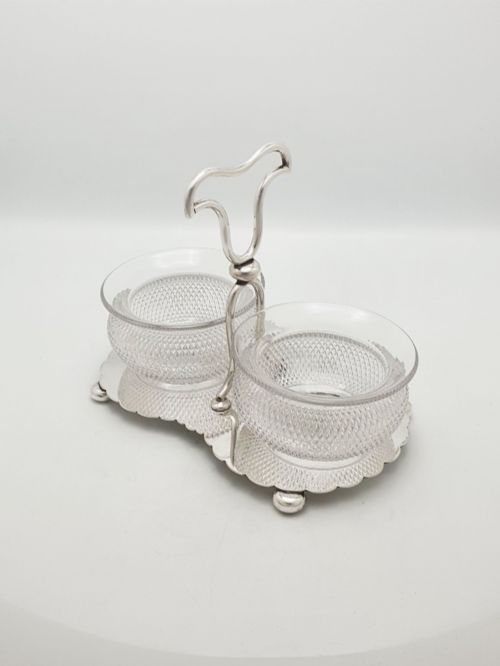
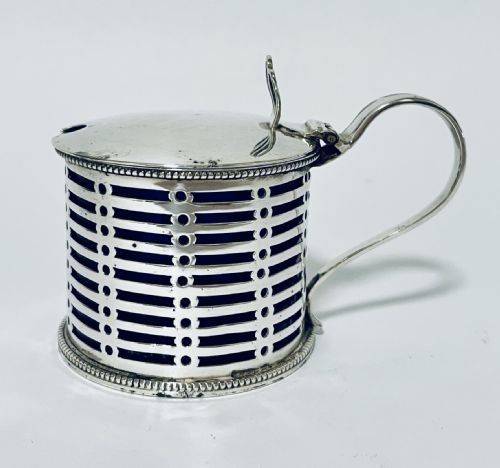
When you search for an antique condiment caddy, you are looking at tabletop stands and frames built to hold bottles, jars and pots for sauces, salt and mustard during meals. These pieces appear on this page in forms such as cruet sets, condiment stands, serving dishes and decanter stands.
The versions you are most likely to meet on this page span the 18th century, the Georgian period, the Victorian era and the Edwardian years up to 1920. They take shapes ranging from simple twin glass bowls in silver plated frames to large oval eight-piece sets and novelty carriage designs.
What varies in quality
The standard of an antique condiment caddy rests on the weight of the metal and the crispness of the casting in the frame, particularly where handles and feet join the main body. Heavier silver plate and substantial sterling silver mounts demonstrate superior craftsmanship compared to lighter, pressed metal alternatives.
The integrity and match of the glass inserts also dictate worth, as hand-cut glass bowls and bottles original to the frame carry greater cohesion than later replacement glassware. Makers who paid attention to fitted bottle collars and balanced proportions produced pieces that endure more successfully.
Antique Condiment Caddy Retail Price Guide 2026
Typical asking prices for condiment caddy among the pieces listed under this phrase on Sellingantiques today, from the lower quarter to the upper quarter. They describe what is for sale here now, not the wider market.
Listings on this site feature pieces from the 18th century, Georgian era, Victorian period, and Edwardian years up to 1920.
Daniel Arter·Mappin Brothers·Wade Wingfield Wilkins
The Antique Condiment Caddy Glossary
- Cruet set
- A fitted stand holding glass bottles for oil, vinegar, pepper and mustard. These assemblies sat centrally on dining tables for seasoning food.
- Silver plate
- A base metal, often copper or nickel silver, coated with a thin layer of silver. This technique provided the appearance of solid silver at a lower cost.
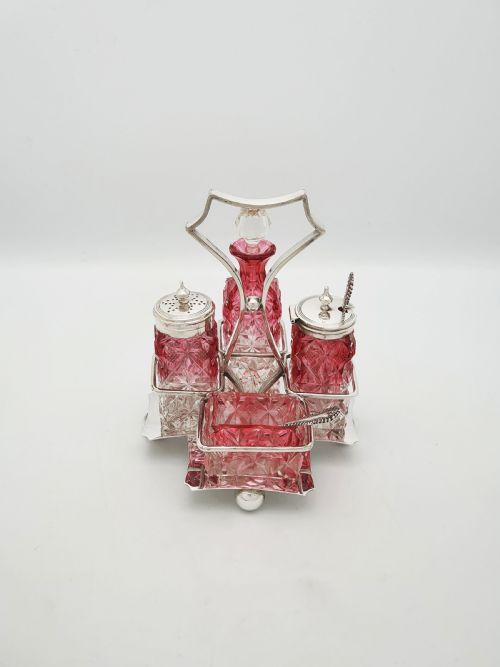
- Cranberry glass
- A rich pinkish-red glass produced by adding gold chloride to the molten batch. It appears frequently in Edwardian and Victorian condiment inserts.
- Treen
- Small handmade wooden objects and household utensils. In this context, it refers to turned wooden bottle holders and frames.
- Open salt
- A small cellar or dish used for loose salt before the invention of free-running salt. Dinners used small spoons or fingers to take salt from them.
Antique Condiment Caddy: Frequently Asked Questions
What is an antique condiment caddy used for?
These stands held bottles and jars containing condiments, oils, vinegars and sauces for table service during formal and family meals.
They kept the table organised by grouping liquid seasonings and dry spices together in one portable frame.
Are the glass bottles usually original?
Many sets retain their original cut glass or cranberry glass bottles, though some accumulated replacements over the decades of use.
Check that the bases of the bottles match the individual apertures in the metal frame properly.
How do I tell Victorian from Edwardian pieces?
Victorian pieces often display heavier ornamentation, including ornate casting and French Rococo scrollwork.
Edwardian designs tend toward lighter frames, simpler lines and clearer cut glass patterns.