
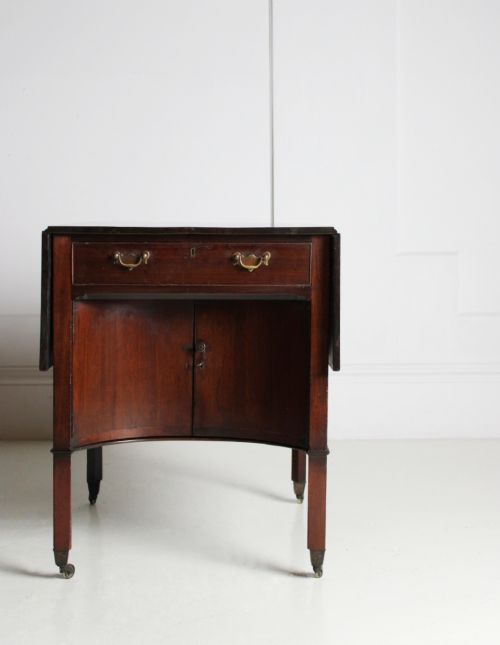
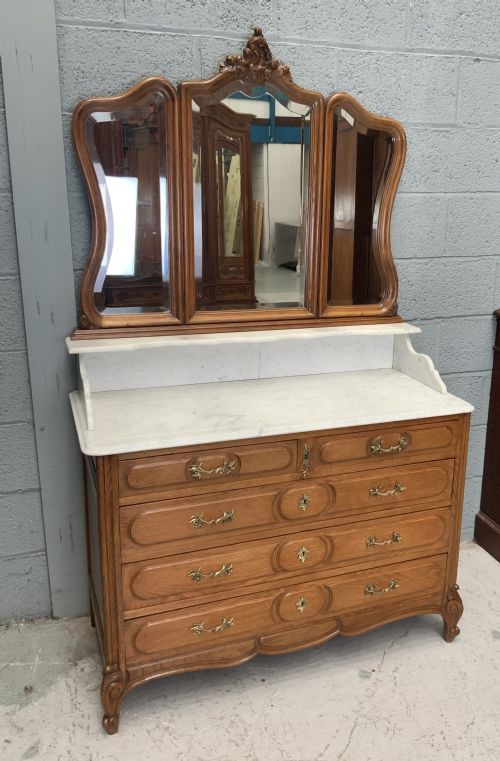


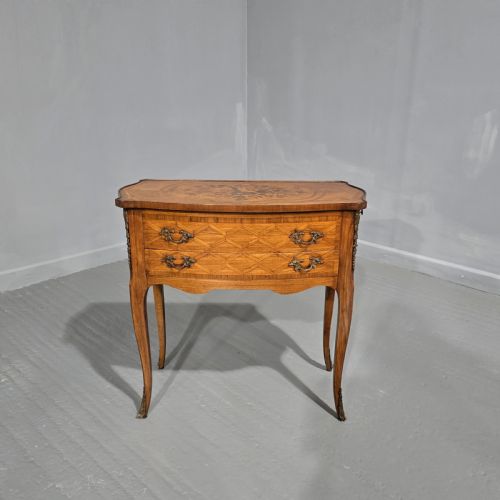


Antique Commode Desk
An antique commode desk combines formal storage with a writing surface, offering practical elegance rooted in centuries of cabinetmaking.
Antique Commode Desk
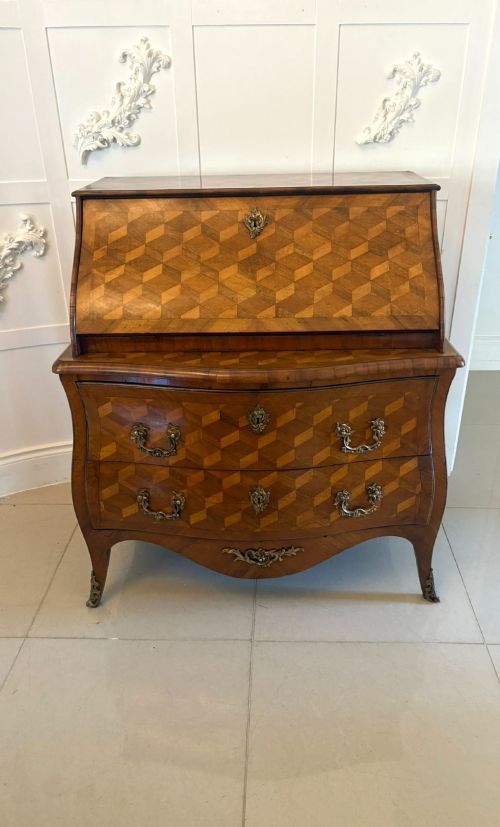
When you search for an antique commode desk, you encounter pieces functioning primarily as writing surfaces paired with enclosed storage or drawer arrangements. The selection spans Georgian, 18th century, and 19th century eras, encompassing forms like bureaux, secretaire chests of drawers, and writing cabinets.
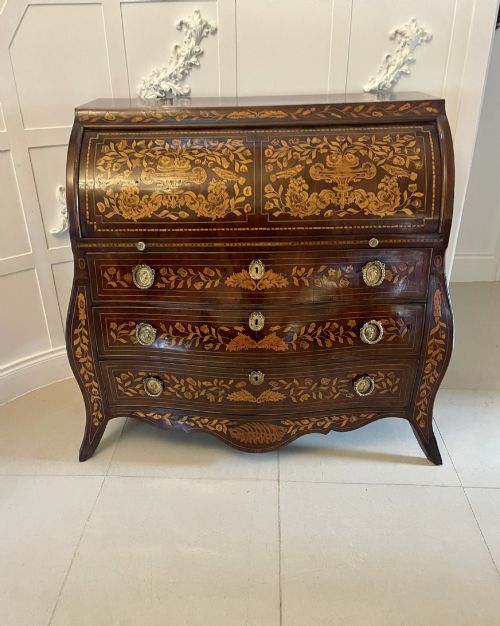
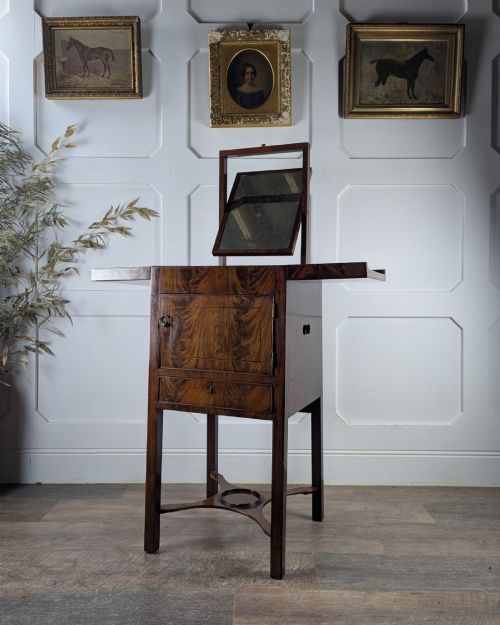
Most items you meet here originate from British, French, Swedish, or Dutch workshops, reflecting regional preferences in cabinetry. Examples range from George III mahogany bachelors chests with writing drawers to Dutch marquetry bombé bureaux and Biedermeier secretaire commodes.
Forms overlap significantly, connecting side tables and chests of drawers with dedicated writing compartments. You find folding surfaces, pull-out slides, and cylinder drops that conceal fitted interiors behind lockable doors and drawers.
Judging quality and execution
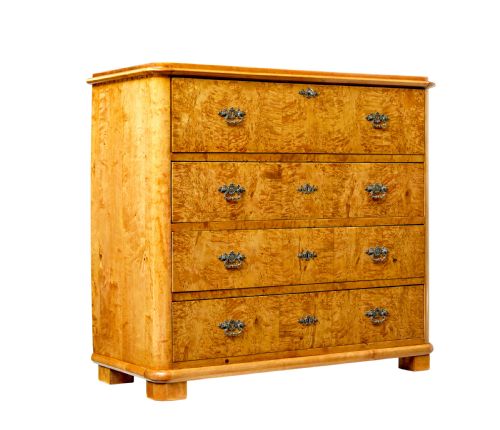
The refinement of timber selection dictates the visual impact, separating simple utility furniture from pieces showcasing figured mahogany, burr birch, or intricate walnut marquetry. Grain matching across drawer fronts and precise alignment of inlay demonstrate the hand of a skilled maker.
Internal complexity elevates a piece significantly, particularly the arrangement of pigeonholes, secret compartments, and fitted writing drawers within a bureau or secretaire. Smooth mechanical action in drop-fronts, folding surfaces, and sliding boards marks superior execution.
Several desks conceal secret drawers behind dummy pigeonholes, built specifically for hiding love letters or household money.
The Antique Commode Desk Glossary
- Bureaux
- A writing desk with a sloping hinged lid that opens to reveal fitted interior compartments and small drawers. This form provides a concealed writing surface above standard drawer storage.
- Secretaire chest of drawers
- A case piece resembling a standard chest of drawers where the upper drawer pulls down or out to function as a writing desk. It conceals fitted stationery compartments inside.
- Bombé
- A swelling, convex curved profile typical of continental furniture, particularly Dutch and French designs. This curved shape requires advanced timber bending and shaping techniques.
- Marquetry
- Decorative veneer patterns assembled from various woods, creating pictorial or floral designs across furniture surfaces. Craftsmen cut thin sheets of timber to fit together precisely.
- Bachelors chest
- A compact chest of drawers featuring a pull-out brushing board or writing slide above the primary drawers. These portable surfaces served gentlemen for correspondence or grooming.
Antique Commode Desk: Frequently Asked Questions
What is an antique commode desk?
An antique commode desk is a piece of furniture that combines the enclosed drawer storage of a commode or chest with a dedicated writing surface. These items range from Georgian bachelors chests with sliding boards to Dutch bombé bureaux.
They evolved to serve domestic correspondence and record-keeping in period homes. The writing surface often folds out, pulls out, or drops down from a secure cabinet housing.
How do I date an antique writing desk?
Dating relies on examining the timber species, construction joints, hardware, and prevailing regional styles. Georgian and 18th-century pieces often feature solid mahogany or oak linings with hand-cut dovetails.
Nineteenth-century examples introduce veneers like burr birch and satinwood alongside distinct continental influences such as Biedermeier or French transitional forms. Hardware mounting and secondary woods offer further clues to the decade of manufacture.
Where were these desks made?
These desks originate from workshops across Britain, France, Sweden, and the Netherlands. British cabinetmakers favoured sturdy mahogany and oak, while continental makers utilised walnut, fruitwood, and elaborate marquetry.
Regional styles dictate the silhouette, from the restrained lines of George III campaign chests to the curved profiles of Venetian and Dutch pieces. Each origin brings distinct timber choices and decorative techniques to the form.
How do I use an antique desk today?
These desks function effectively as compact laptop stations, writing tables, or hallway statement pieces. The internal compartments store stationery, while the primary drawers hold household documents.
Positioning the desk away from direct heat sources and sunlight protects the antique veneers and polished timber finishes. Regular dusting and occasional wax maintenance preserve the historical surface.