

Antique Column Sculpture
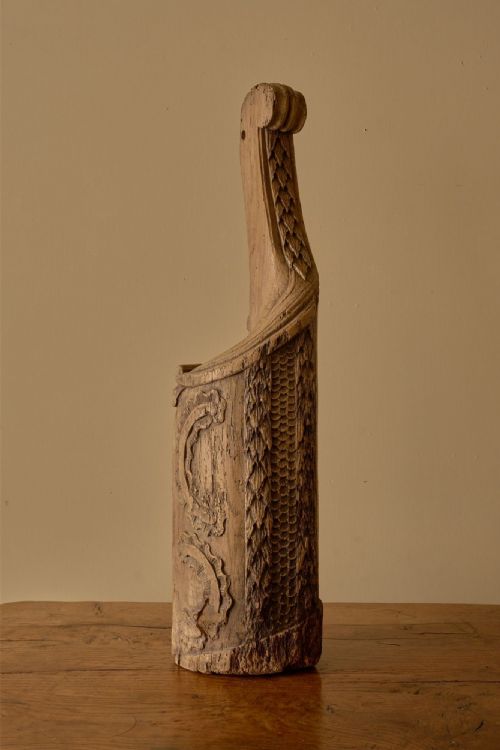
These antique column sculpture pieces bring classical architectural form and sculptural presence directly into rooms through pedestals, Grand Tour models, and carved columns.
Antique Column Sculpture
When searching for an antique column sculpture, buyers encounter a diverse group of objects spanning decorative pedestals, architectural models, and carved supports. These items serve to elevate busts, vases, and works of art within an interior.
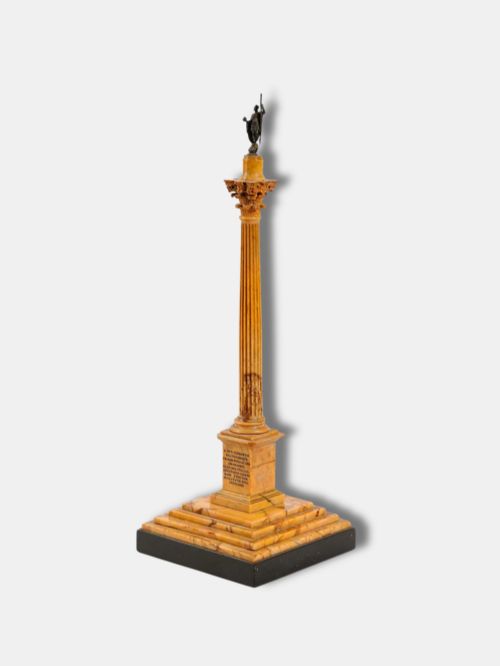
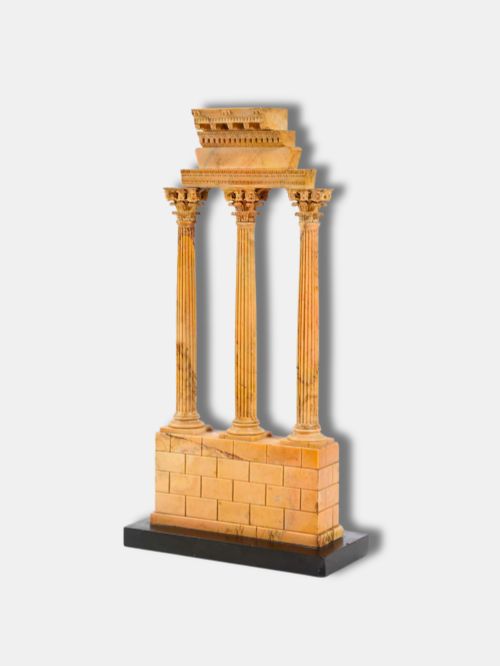
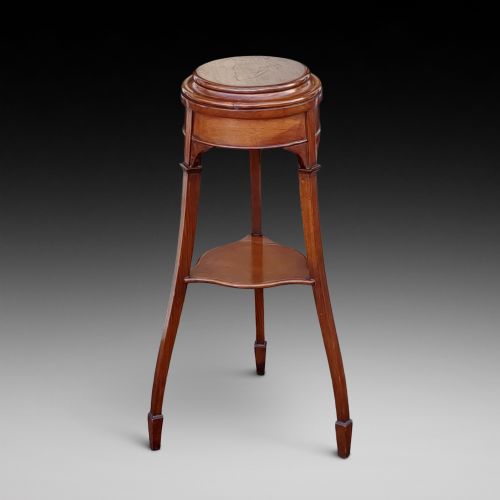
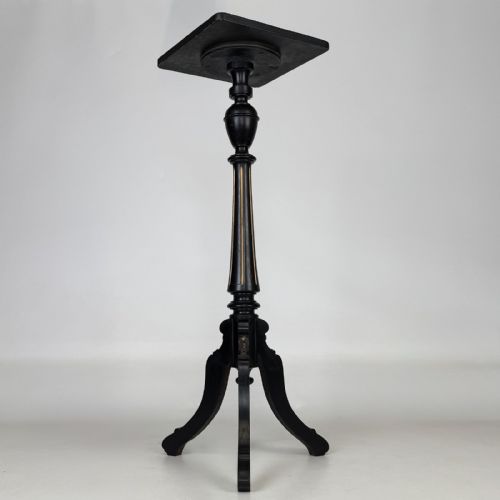
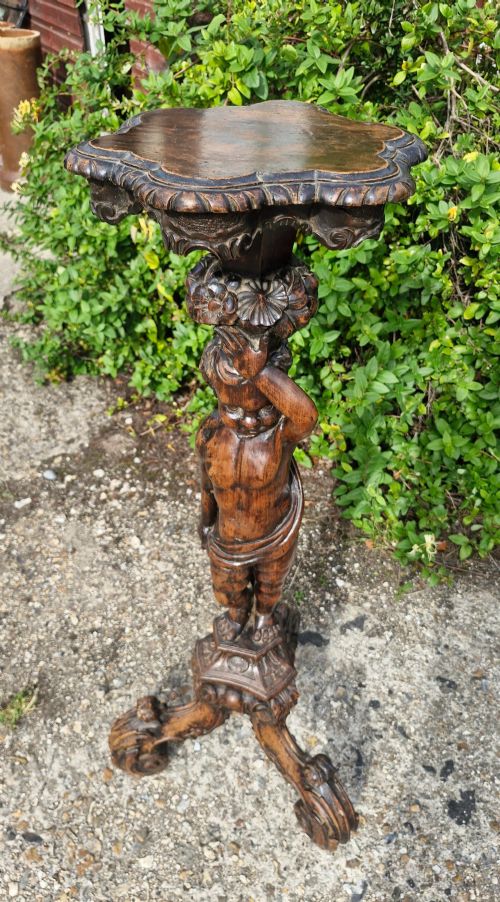
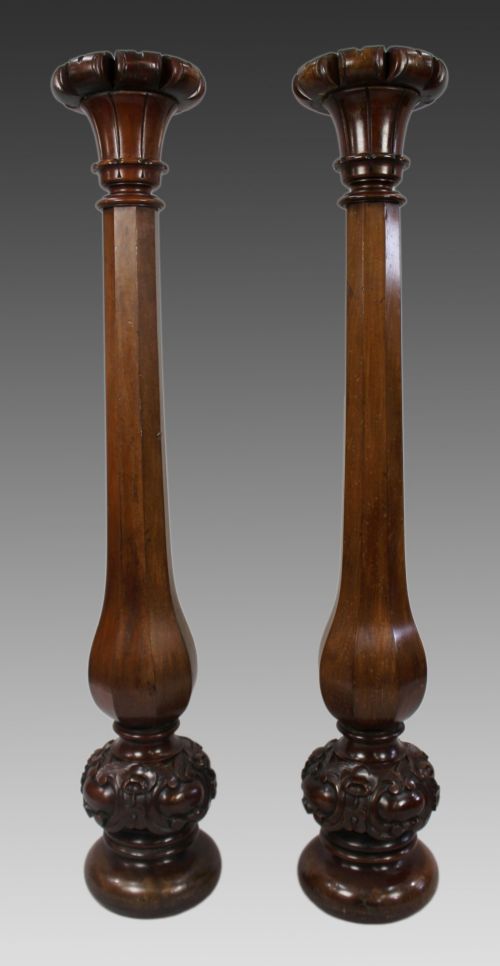
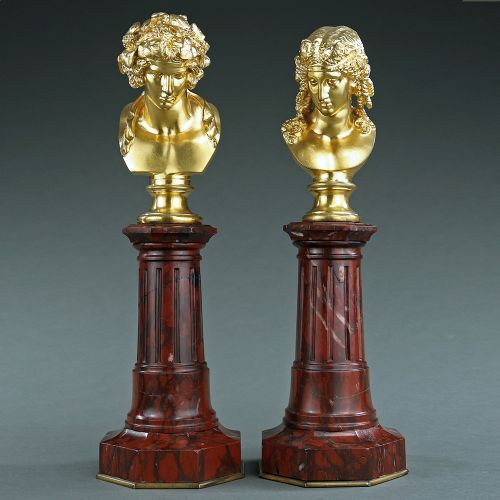
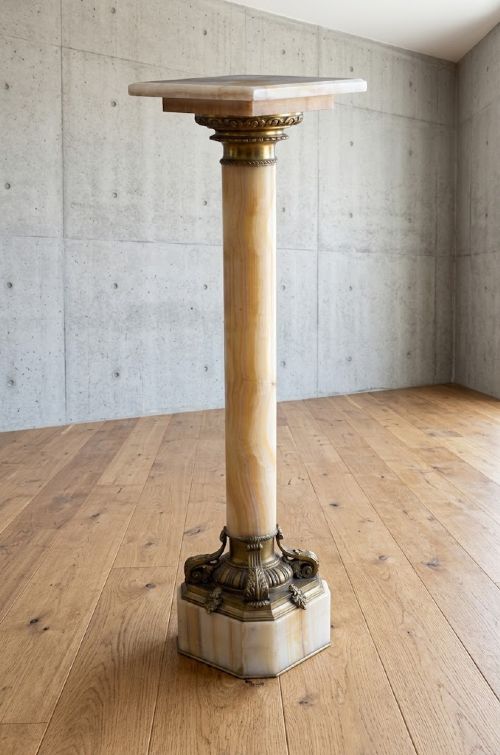
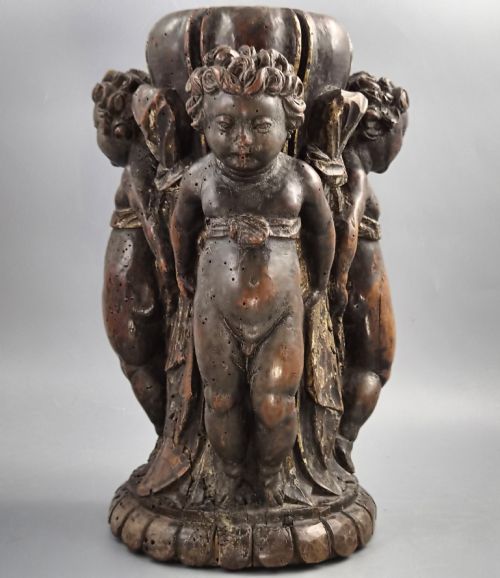
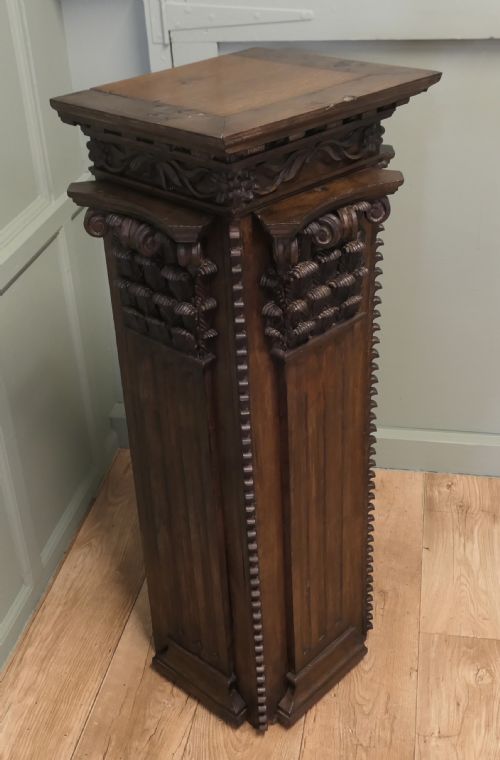
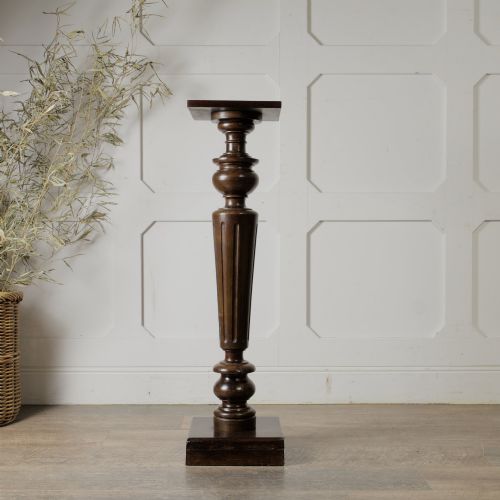
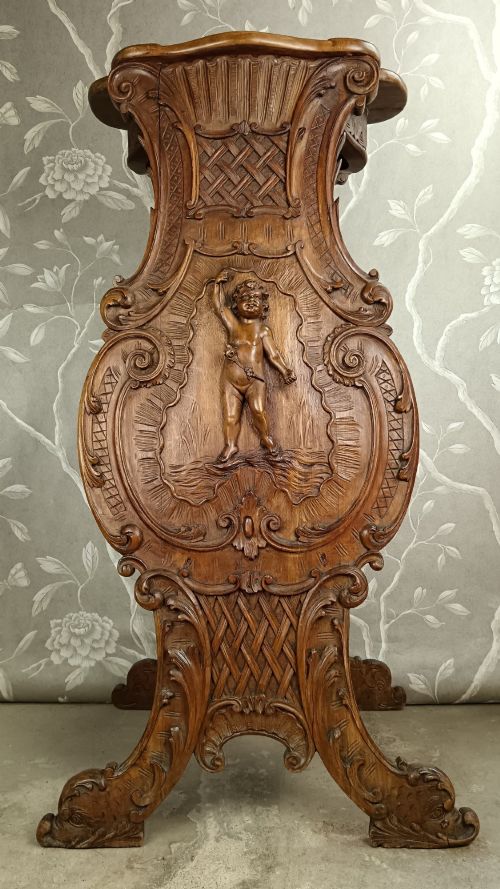
The selection on this page leans heavily toward nineteenth-century European production, including Italian Grand Tour architectural models in marble and bronze alongside French and English display pedestals. Forms range from simple turned mahogany stands to elaborate Italian Baroque walnut torchieres and variegated marble columns.
Period influences include the Victorian, Edwardian, and Neoclassical styles, reflecting a long-standing European fascination with classical antiquity. Buyers find both functional display furniture and sculptural representations of historical monuments.
Factors of quality
Quality in these pieces rests upon the precision of the carving, the selection of materials, and the harmony of proportion. Finer columns display crisp detailing in stone or wood, with carefully matched figure work and balanced architectural proportions.
The choice of medium strongly dictates the character of the piece, with solid variegated marbles and substantial figured hardwoods representing the more ambitious end of the range. Maker attribution also plays a role, as demonstrated by documented cabinetmakers working within the Aesthetic movement or specialised Grand Tour workshops.
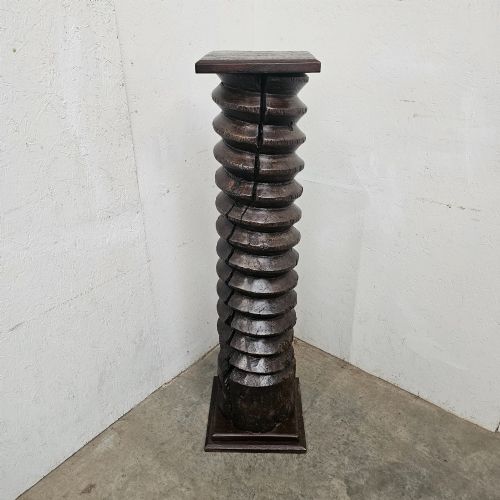
Among the architectural models, a hand-carved French wine press screw thread stands ready for some very diminutive vintage work.
Gillow and Co
The Antique Column Sculpture Glossary
- Grand Tour
- A traditional trip through Europe undertaken by upper-class young men to absorb classical culture. Items brought back often included miniature bronze and marble architectural models.
- Torchiere
- A tall stand or ornamental candlestick originally designed to hold a torch. In later periods, these served as decorative pedestals for busts and vases.
- Solomonic
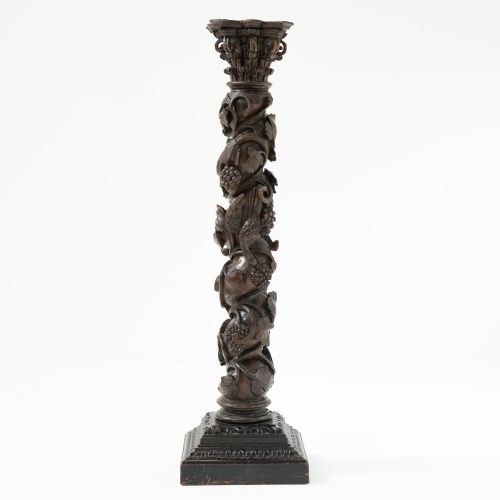
- A column type characterised by a helical twisting shaft reminiscent of a corkscrew. This form appears frequently in Baroque and seventeenth-century furniture.
- Giallo Antico
- A yellow antique marble prized by the ancient Romans and later revived during the Neoclassical period. It displays a warm yellow tone with darker veining.
- Newel Post
- The central supporting post of a staircase around which the steps wind. Antique examples often feature substantial decorative carving.
Antique Column Sculpture: Frequently Asked Questions
What is an antique column sculpture used for?
These pieces function primarily as decorative supports or miniature monuments for display within domestic interiors. They elevate sculptures, vases, and busts to prominent viewing heights.
Larger stone columns and wooden pedestals anchor corners or act as focal points in reception rooms. Miniature Grand Tour models serve as cabinet displays reflecting classical architecture.
How do I identify the period of a marble column?
Dating relies heavily on material choice, stylistic revival motifs, and construction methods. Nineteenth-century examples often draw directly on Neoclassical or Grand Tour aesthetics.
Examining the base, turning marks, and the specific variety of marble helps narrow the decade of production. Documentation or maker signatures, where present, provide definitive dates.
Are these columns suitable for supporting heavy objects?
Most solid marble and hardwood pedestals are structurally sound and designed to bear significant weight. Their broad bases provide stability for heavy stone busts and large bronze figures.
Lighter stands or decorative wood columns require careful consideration of load distribution. Buyers should verify the specific weight capacity of slender or tripod-based designs.
How should I clean a marble pedestal?
Routine maintenance requires only a soft, dry cloth to remove dust from carved surfaces and fluted shafts. Avoid abrasive cleaners or acidic substances that etch polished marble.
Gentle damp wiping with a mild, pH-neutral soap is sufficient for stubborn marks on stone. Wood components benefit from appropriate furniture waxes rather than moisture.