


Antique Column Base
These antique column base pieces repurpose architectural forms and supports into table lamps, plant stands, and torchieres for the home.
Antique Column Base
When you search for an antique column base, you encounter a varied collection of supports, plinths, and shafts adapted into functional items. These pieces derive from architectural supports and decorative stands originating across the nineteenth and early twentieth centuries.
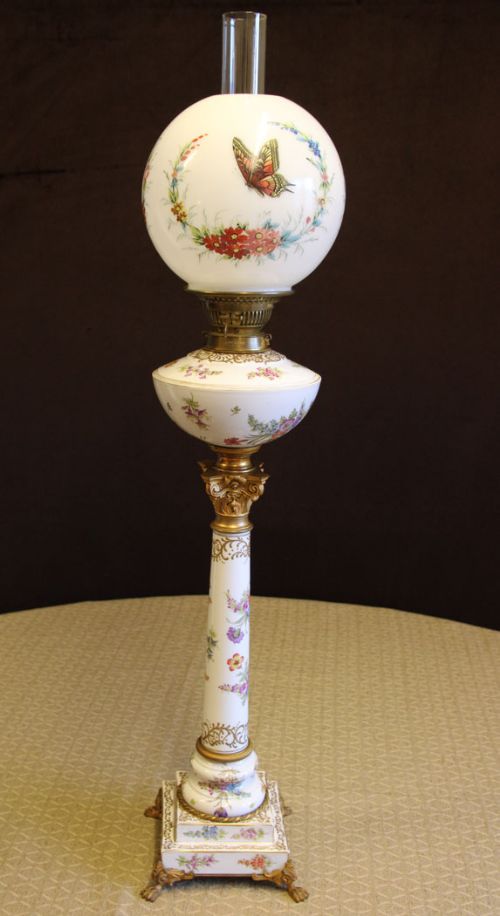
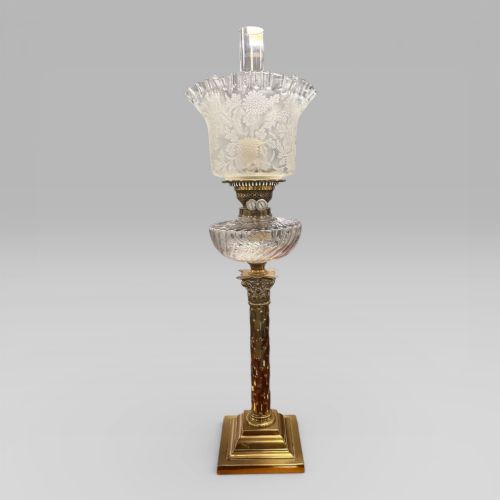
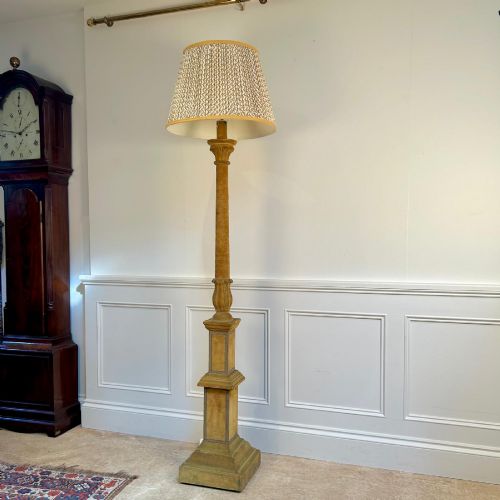
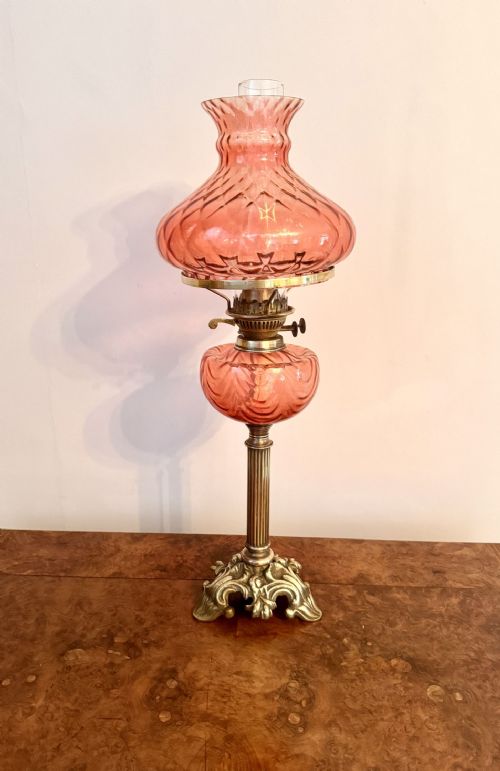
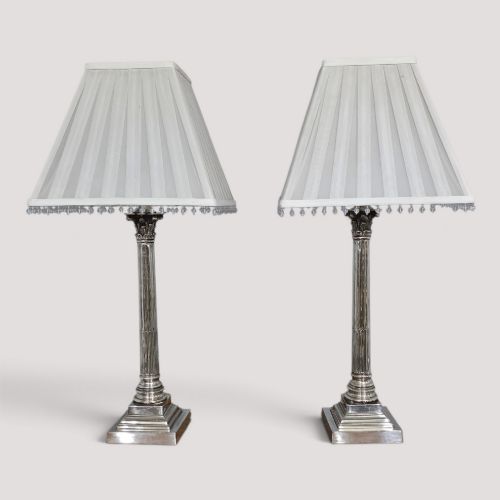
The most common formats on this page include table lamps, floor lamps, and plant stands with classical column formations. They incorporate materials and styles spanning the Victorian, Edwardian, and Regency periods.
Makers frequently transformed structural pillars, torchiere stands, and display pedestals into lighting fixtures or furniture bases. These objects bridge the gap between classical architectural ornamentation and interior domestic utility.
How they were made
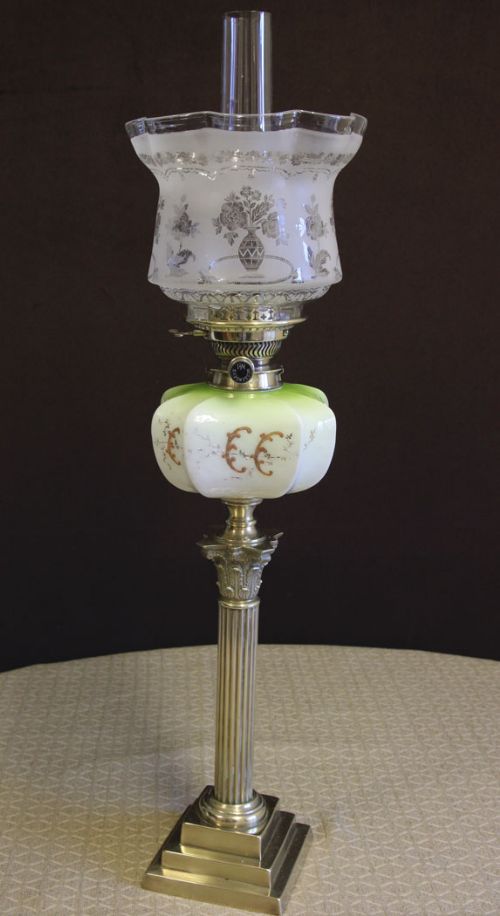
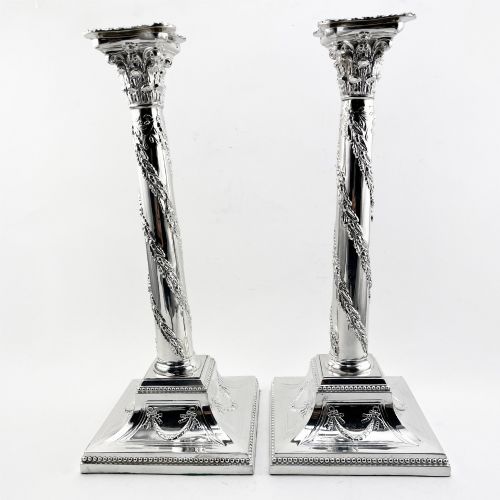
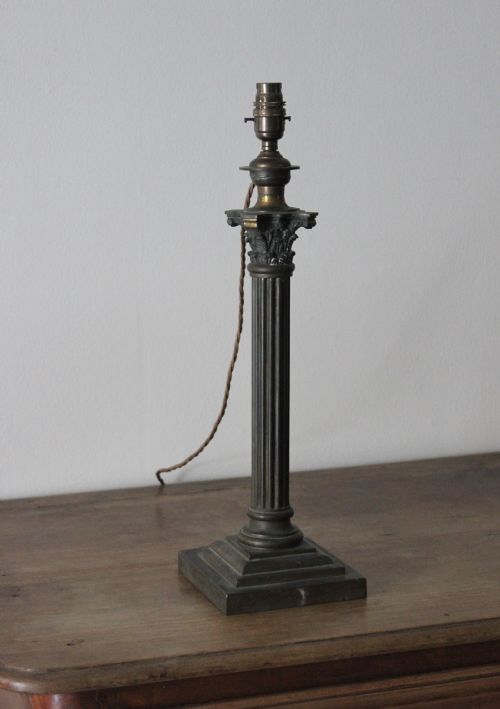
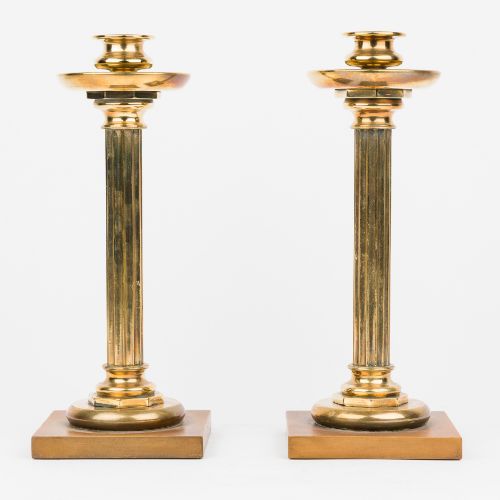
Metalworking techniques predominate in the construction of these items, particularly cast and patinated brass or silver plate formed into fluted shafts. Artisans also utilised bronze and various metals to fabricate structural components for lamps and candlesticks.
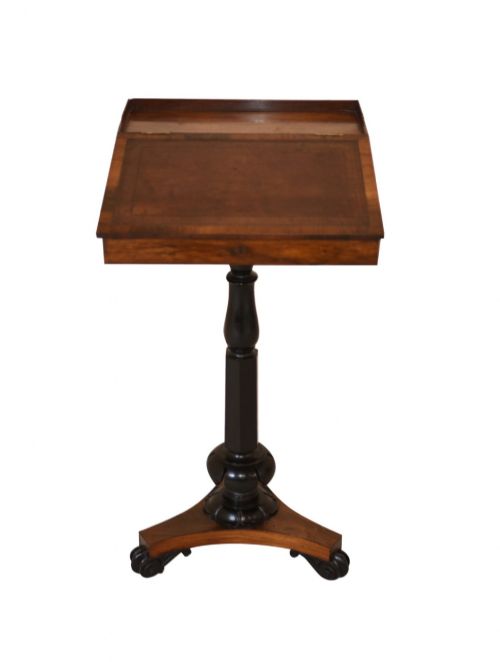
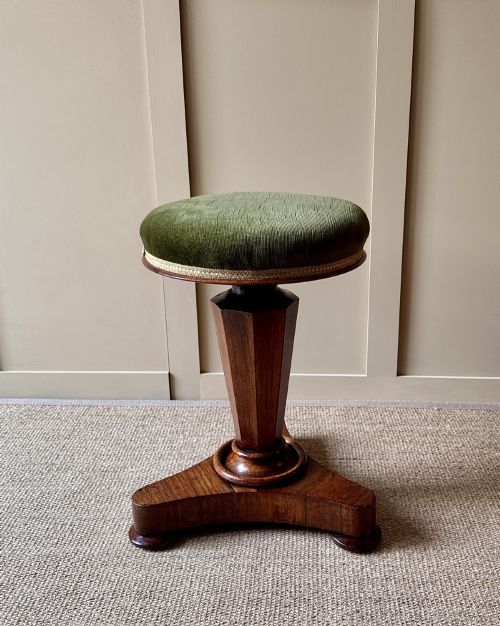
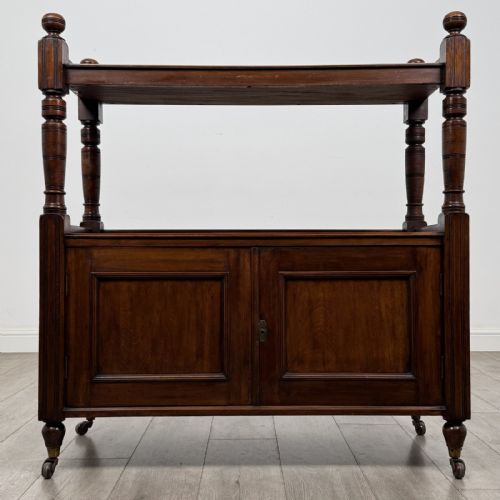
Woodworking forms the basis of the heavier furniture and display pieces, utilising mahogany, rosewood, oak, and walnut. Carved wooden elements often feature detailed turning, ebonising, or inlaid decoration.
Other materials such as marble, glass, and fabric integrate into the construction of lamp bases and tops. Stoneware and composite materials appear in garden plinths and architectural supports.
Antique Column Base Retail Price Guide 2026
Typical asking prices for column base among the pieces listed under this phrase on Sellingantiques today, from the lower quarter to the upper quarter. They describe what is for sale here now, not the wider market.
Some tall wooden stands double as silent sentinels holding up lamps, while others secretly harbour hidden twist-carved origins from distant travels.
What varies in quality
The sophistication of the casting and carving dictates the distinction between standard and superior examples. Finer brass and silver-plated items exhibit crisp fluting, precise capital detailing, and substantial weight.
Material selection and decorative finishing separate ordinary items from exceptional ones. Pieces featuring high-grade hardwoods, detailed marble sections, or specialised surface treatments demonstrate greater artisan skill.
The Antique Column Base Glossary
- Corinthian
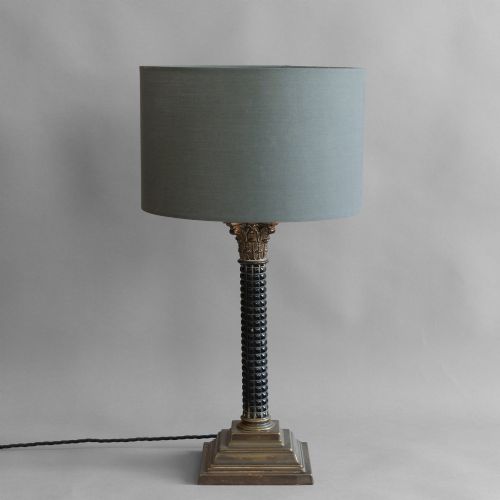
- A classical architectural order characterised by ornate capitals decorated with acanthus leaves. This style appears frequently on brass table lamp shafts.
- Torchiere
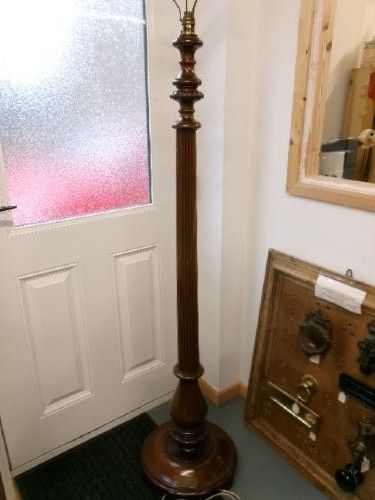
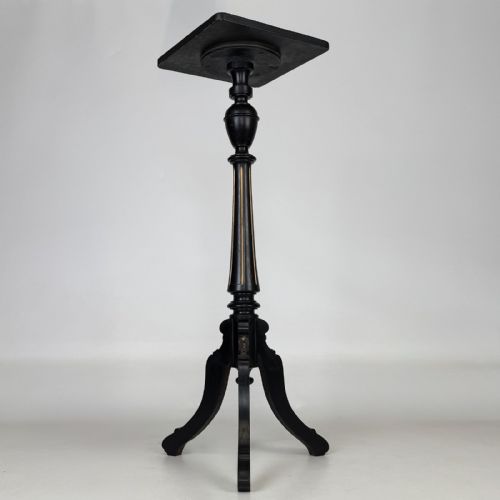
- A tall stand or floor lamp designed to hold a light source high above the ground. These wooden or metal pedestals often feature elaborate carving.
- Reeded
- A decorative surface treatment consisting of parallel convex mouldings. This technique commonly appears on vertical column shafts.
- Pedestal
- A support or base for a statue, vase, or lamp. These architectural forms elevate decorative objects within a room.
- Plinth
- A heavy slab or block acting as the base for a column or statue. They provide stability and grounding to architectural supports.
Antique Column Base: Frequently Asked Questions
What is an antique column base used for today?
These items serve primarily as converted table lamps, floor lamps, plant stands, and display pedestals within residential interiors. They provide architectural height and classical decoration to modern living spaces.
Many examples retain their original function as lighting standards or display supports. Their sturdy construction allows them to hold lampshades, plants, or decorative objects securely.
How do I identify the period of a brass column lamp?
Dating relies on examining the casting techniques, surface patination, and stylistic markers of the capital and base. Victorian and Edwardian examples often display specific revival styles like Neoclassical or Corinthian.
Wiring and interior components can also indicate age, though many pieces undergo rewiring for modern safety standards. Comparing the proportion and metal composition helps distinguish nineteenth-century production from later revivals.
Are these lamp bases heavy?
Many column bases possess substantial weight due to their solid brass, bronze, or marble construction. This weight provides necessary stability to support tall lamp fittings and shades.
Wooden pedestals and stands utilise dense hardwoods like mahogany and rosewood to ensure structural balance. Lighter models often rely on weighted internal elements or broad bases.
What styles of architecture influenced these pieces?
Designers drew heavily on classical Greek and Roman architecture, filtered through Georgian, Regency, and Victorian revival movements. Corinthian and Neoclassical motifs dominate the metal and stone examples.
Baroque and Gothic revivals also appear among the wooden stands and garden plinths. These diverse historical influences reflect the nineteenth-century fascination with classical antiquity.