


Antique Colonial Box
An antique colonial box brings portable craftsmanship from distant trade routes into modern rooms.
Antique Colonial Box
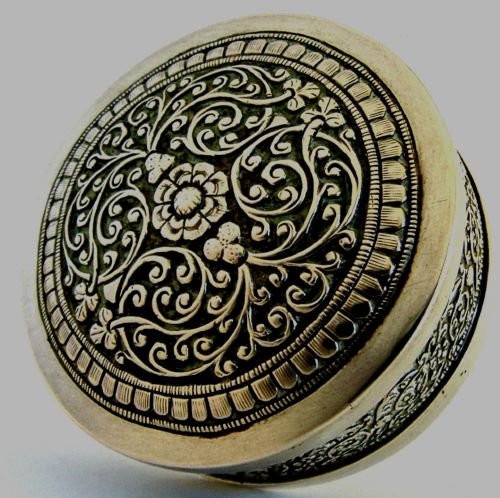
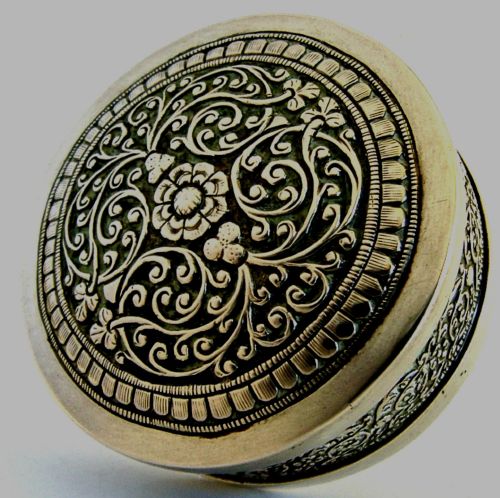
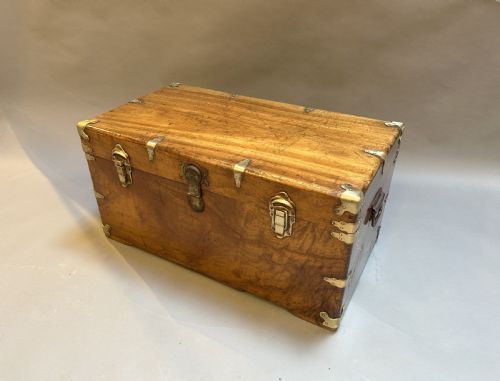
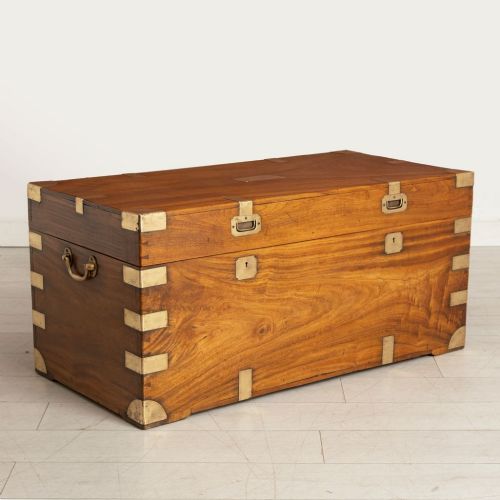
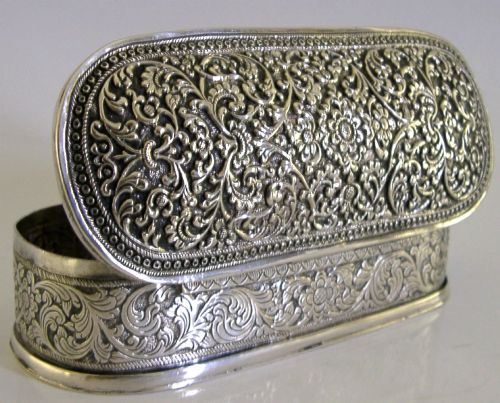
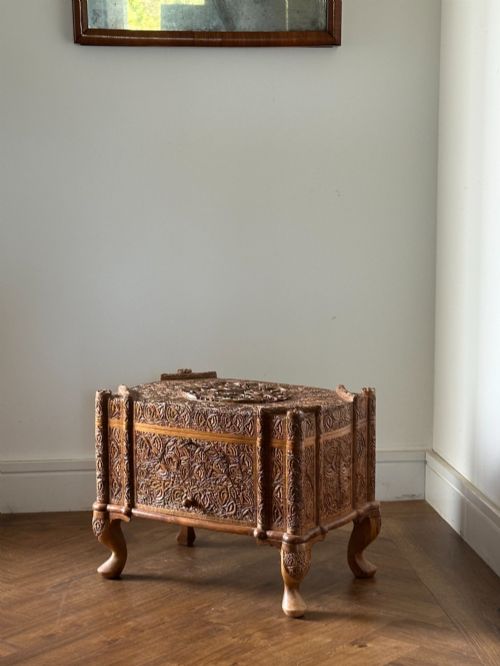
The term antique colonial box covers a broad selection of portable containers, travel trunks, and stationary caskets made during the expansion of European trade and rule. Buyers encounter everything from small silver tea caddies and correspondence boxes to large padouk and teak campaign chests designed for distant journeys.
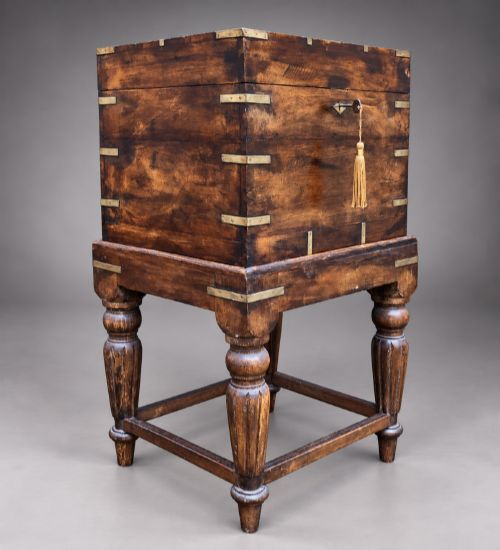
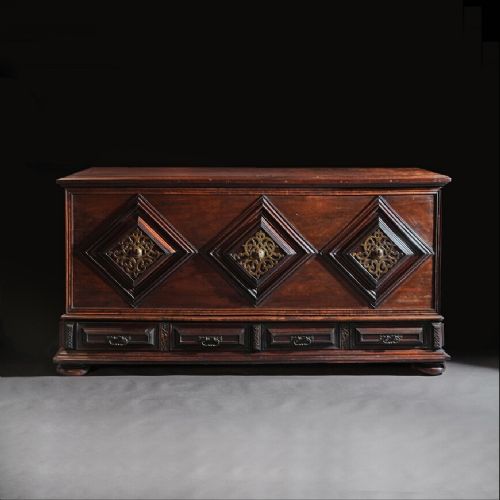
Most pieces seen here belong to the nineteenth century, reflecting the height of campaign furniture and Anglo-Indian production. Alongside these travel chests sit earlier seventeenth and eighteenth-century coffers, Dutch East Indies strong boxes, and specialised items like wine cellarettes and jewellery caskets.
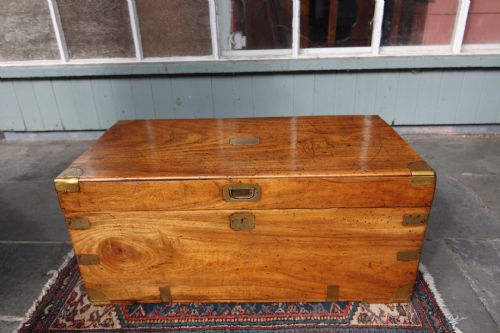
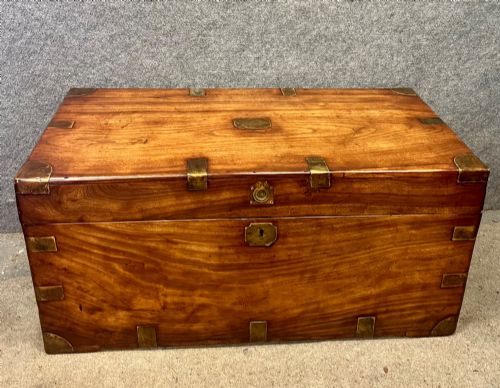
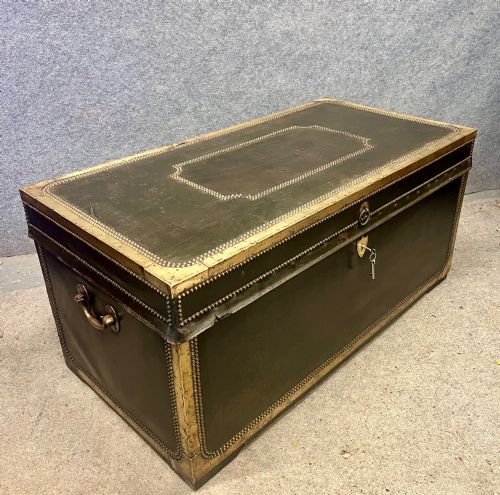
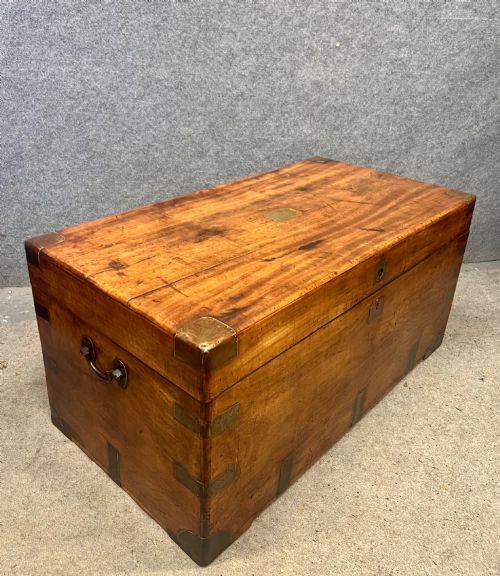
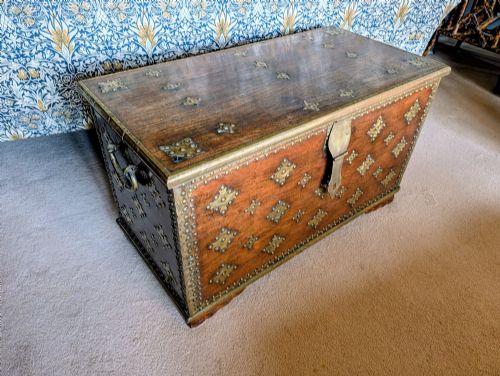
The dominant forms are sturdy storage chests and smaller lidded boxes intended for officers, merchants, and administrators abroad. These containers combine utility with ornamental carving, utilising local timbers suited to tropical climates while incorporating European lock mechanisms and brass mounts.
Materials and construction
Craftsmen utilised dense tropical hardwoods such as teak, camphor wood, padouk, and mahogany to withstand humidity and insects during transit. Camphor wood was frequently chosen for blanket boxes and trunks due to its natural aromatic properties, while padouk and teak provided structural strength for heavy campaign chests.
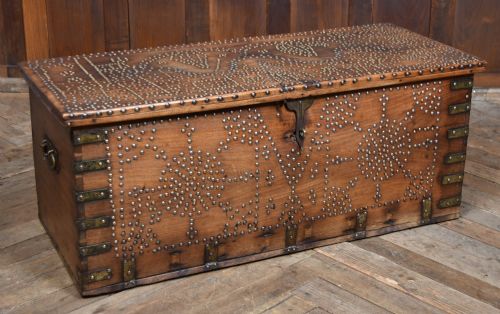
Metal reinforcement was essential for items subjected to frequent travel, resulting in heavy brass binding, corner brackets, and flush-fitting carrying handles. Strong boxes and coffers also feature iron elements, while smaller decorative pieces display intricate bone inlay, red lacquer, or solid silver construction.
Listings feature items spanning from the seventeenth century through the early twentieth century, constructed from camphor wood, teak, padouk, and solid silver.
Variations in quality
Quality in these pieces depends on the integrity of the timber selection and the precision of the brass hardware integration. Superior examples display tightly fitted dovetail joints, well-preserved internal compartments, and crisp, deep carving rather than shallow surface decoration.
Provenance and regional detailing distinguish standard utility trunks from exceptional cabinetwork. Pieces retaining original fitted interiors, functioning locks, and distinct Anglo-Indian, Dutch Colonial, or Spanish stylistic markers command greater appreciation among collectors.
The Antique Colonial Box Glossary
- Campaign chest
- A modular chest of drawers or trunk made in two or more sections designed for easy transport by military officers on campaign. These pieces typically feature recessed brass handles and corner brackets to prevent snagging.
- Cellarette
- A lockable container or cabinet used for holding bottles of wine or spirits. In colonial contexts, these were often fitted with internal partitions and lined for temperature regulation.
- Camphor wood
- A fragrant timber harvested from the camphor tree, prized in furniture making for its insect-repellent qualities and pleasant scent. It is frequently found in blanket boxes and storage trunks.
- Padouk
- A heavy, durable tropical hardwood with a reddish hue that darkens with age. It was widely used by makers in India and Southeast Asia for robust chests and tables.
- Strong box
- A heavily reinforced chest or coffer designed for securing valuables, bullion, or important documents. These containers generally incorporate thick brass or iron mounts and robust locking mechanisms.
- Teak
- A dense, weather-resistant hardwood native to South and Southeast Asia. Its natural oils make it exceptionally stable and resistant to moisture.
Antique Colonial Box: Frequently Asked Questions
How were campaign boxes used?
Campaign boxes served as portable furniture and storage for soldiers, diplomats, and merchants travelling across distant territories. Their modular construction and protective brass fittings allowed them to endure rough transport on ships, carts, and pack animals.
Inside, they frequently housed writing equipment, documents, clothing, or provisions, often featuring clever folding mechanisms and hidden compartments.
How do I care for a camphor wood chest?
Maintaining a camphor wood chest involves keeping the timber away from direct heat sources and sudden humidity changes to prevent warping. Regular dusting with a soft, dry cloth preserves the exterior polish without damaging the wood.
The natural aromatic qualities of the timber do not require chemical treatments, and the interior should simply be kept clean and dry.
How can I tell the period of a campaign chest?
Dating a campaign chest relies on examining the construction methods, materials, and hardware styles. Eighteenth-century examples often feature heavier iron mounts and simpler joinery, while nineteenth-century pieces frequently display flush brass recessed handles and standardised modular proportions.
Regional stylistic markers, such as specific Anglo-Indian carvings or Dutch colonial brasswork, also help narrow down the date and origin.