

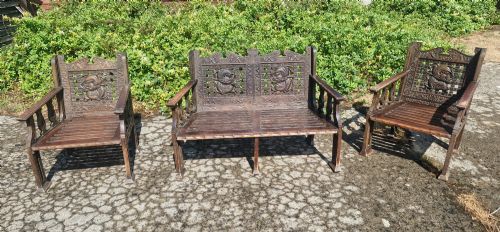
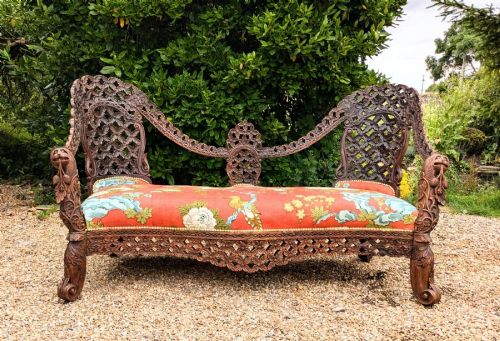


Antique Colonial Bench
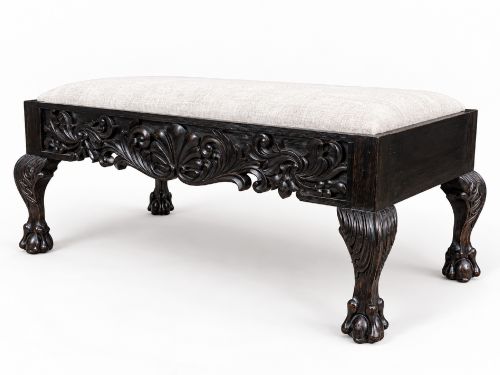
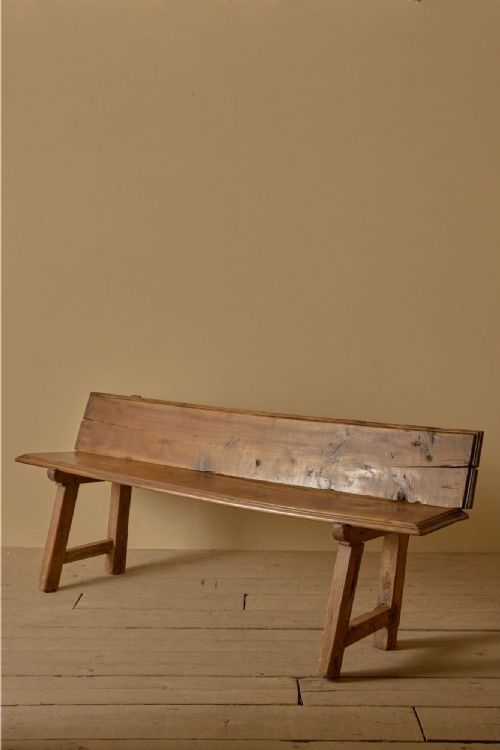
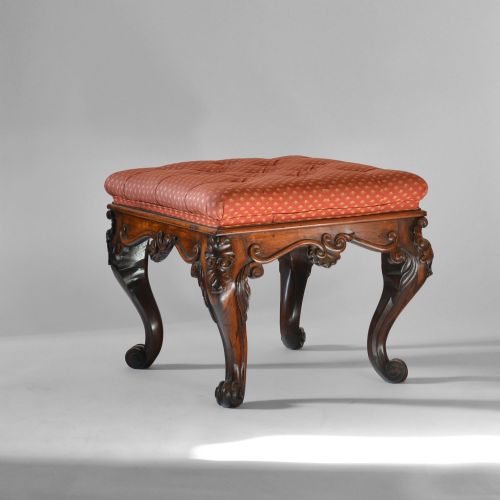
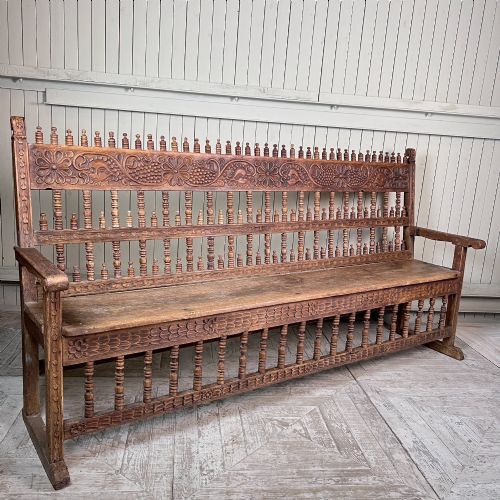
An antique colonial bench brings centuries of distant trade and architectural craftsmanship directly into a modern hallway or conservatory.
Antique Colonial Bench
When you search for an antique colonial bench, you encounter seating fashioned during periods of global trade and settlement, spanning the eighteenth and nineteenth centuries. These pieces reflect diverse regional aesthetics including Anglo-Indian, Spanish Colonial, and Cape Dutch traditions.
The most common forms on this page include daybeds, settees, hall benches, and window seats originating from locations such as Ceylon, Burma, and South Africa. They bridge domestic utility with distinct regional carving and joinery traditions.
Makers utilised available timbers to construct substantial seating designed for warmer climates, frequently incorporating woven elements for ventilation. Each piece carries the structural hallmarks of its specific colonial origin and period.
How they were made
Carpenters constructed these benches using dense regional timbers such as teak, rosewood, mahogany, and stinkwood, which offered durability in tropical conditions. Artisans frequently combined these heavy woods with woven cane or rattan panels to provide cooling airflow.
Surface ornamentation relied on deep hand-carving, sometimes enhanced with brass decoration or structural scrollwork. Frames often integrated joinery suited to transport, particularly in campaign-style variations.
Antique Colonial Bench Retail Price Guide 2026
Typical asking prices for colonial bench among the pieces listed under this phrase on Sellingantiques today, from the lower quarter to the upper quarter. They describe what is for sale here now, not the wider market.
Current listings span the eighteenth and nineteenth centuries, featuring materials such as teak, rosewood, cane, and stinkwood across diverse forms.
What varies in quality
The distinction between standard and superior pieces rests upon the depth and precision of the hand-carving and the integrity of the timber frame. Finer examples retain original woven cane panels and display sophisticated regional design motifs without later alterations.
Proportion and scale also dictate quality, as larger multi-seat veranda benches or symmetrical daybeds require greater architectural balance. The retention of original surface treatments, such as bleached finishes or polished hardwoods, elevates a piece.
The Antique Colonial Bench Glossary
- Anglo-Indian
- Descriptive of furniture made in India during the British period, frequently combining European forms with local carving styles. These items often utilise dense tropical hardwoods.
- Cane
- Woven material derived from the peeled stem of the rattan palm, used historically for breathable seating panels. It requires careful handling to preserve tension.
- Campaign style
- Portable furniture designed for military officers on travel, typically featuring robust joints and structural adaptability. Such pieces prioritize practicality alongside solid construction.
- Settee
- A small upholstered or wooden bench with a back and arms, designed for multiple occupants. These forms evolved through various regional revivals.
Antique Colonial Bench: Frequently Asked Questions
Where should I place an antique colonial bench?
These benches suit hallways, conservatories, or large living spaces where their length and carved details can be appreciated. Their deep seats make them practical for everyday resting or display.
Ensure placement avoids direct heat sources to protect historic timbers and woven cane from drying out or splitting.
How do I clean caned seating panels?
Dust cane panels gently with a soft brush and wipe them occasionally with a damp cloth to maintain moisture in the fibres. Avoid harsh cleaning agents that degrade natural materials.
Allow the cane to dry completely before placing any weight or cushions back onto the surface.
How do I identify a colonial piece from the nineteenth century?
Nineteenth-century items typically display the heavy use of teak, rosewood, or cane, paired with regional styles such as Anglo-Indian or Ceylonese carving. Examination of the joinery reveals the hand tools utilised by period artisans.
Documented regional variations help separate these items from later European reproductions.