



Antique Cane Couch
An antique cane couch combines woven natural seating with timber frames, offering enduring charm and comfortable elegance for traditional interiors.
Antique Cane Couch
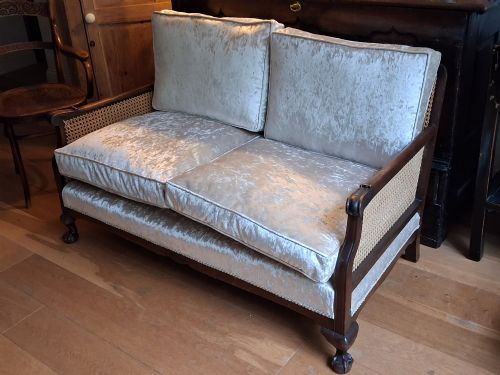
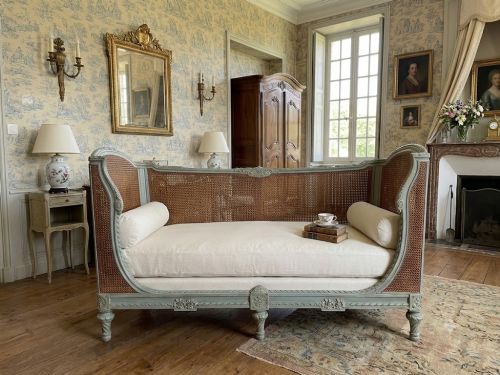
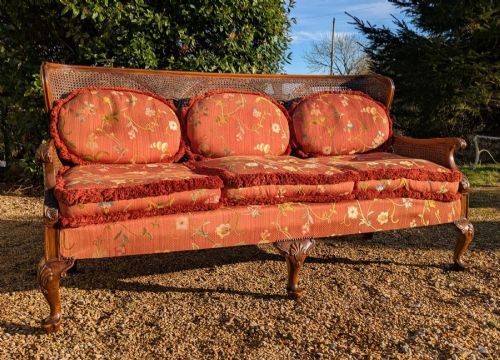
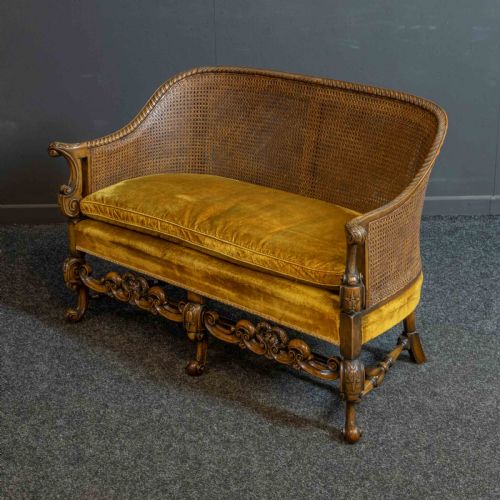
An antique cane couch encompasses diverse seating forms including daybeds, settees, and chaise longues designed with woven cane panels. These pieces span multiple periods, from the eighteenth century to the twentieth century, reflecting varied international styles.
Buyers frequently encounter nineteenth-century examples alongside early twentieth-century revivals, including bergere sofas and painted daybeds. Each variation highlights the adaptability of woven cane within formal and relaxed domestic settings.
Materials and construction methods
Frames rely on sturdy timbers such as walnut, mahogany, beech, and Rio rosewood, often shaped through carving or painted finishes. Skilled artisans constructed these structural skeletons to support the tension required for woven cane panels.
Cane weaving involves pliable plant material threaded through drilled holes in the wooden frame in geometric patterns. Upholstery elements like linen, velvet, fabric, and feather cushions frequently complement the rigid cane backrests and seats.
Antique Cane Couch Retail Price Guide 2026
Typical asking prices for cane couch among the pieces listed under this phrase on Sellingantiques today, from the lower quarter to the upper quarter. They describe what is for sale here now, not the wider market.
One exceptional settee in the records originated directly from the ballroom of the RMS Queen Elizabeth ocean liner.
Distinctions in craftsmanship
Quality rests in the tightness and regularity of the cane weave, alongside the crispness of timber carving on walnut and mahogany frames. Superior pieces maintain structural integrity where the woven panels meet the wooden channels.
Finer examples exhibit thoughtful proportion, harmonious upholstery choices like silk velvet or linen, and secondary materials such as brass accents. The sophistication of the regional style, from Gustavian restraint to French Louis carving, dictates the overall refinement.
J. S. Kinsey
The Antique Cane Couch Glossary
- Bergere
- A closed armchair or sofa with upholstered sides and a cane back. This French form typically incorporates loose seat cushions for added comfort.
- Canapé
- The French term for a decorative sofa or settee. These pieces often feature exposed wooden frames with carved details.
- Daybed
- A long seat designed for reclining, functioning as both a chair and a bed. Evidence shows these combined with cane seating and day bed long stool formats.
- Chaise Longue
- An elongated chair meant for reclining, featuring a backrest at one end. Examples in the record pair this form with solid rosewood and cane.
- Gustavian
- The Swedish interpretation of French neoclassical design, noted for pale painted finishes and restrained symmetry. These settees offer a lighter aesthetic compared to heavier Victorian styles.
Antique Cane Couch: Frequently Asked Questions
What is an antique cane couch?
An antique cane couch is a historical seating furniture piece featuring a wooden frame integrated with woven plant cane panels. These pieces include daybeds, settees, and chaise longues originating from various centuries and stylistic traditions.
They serve as decorative and functional furniture, combining rigid woven support with soft cushions upholstered in fabric, linen, or velvet.
How were these couches used?
Historically, these couches provided versatile seating and lounging options in formal reception rooms, bedrooms, and parlours. Daybeds and chaise longues allowed occupants to recline during the day without retiring to a bed.
In modern homes, they function as statement seating pieces in living areas, conservatories, or bedrooms, blending historical character with relaxed utility.
How do I live with cane furniture?
Living with cane furniture requires maintaining moderate indoor humidity to prevent the natural woven material from drying out and cracking. Placing pieces away from direct heat sources helps preserve the elasticity of the cane.
Using supportive cushions designed for these seats distributes weight evenly across the woven panels, ensuring the longevity of the delicate work.
How do I tell periods apart?
Distinguishing periods relies on identifying characteristic stylistic details, wood types, and construction methods unique to each era. Eighteenth-century pieces often display Gustavian restraint, while nineteenth-century examples might showcase elaborate Anglo-Indian carvings or dark rosewood.
Twentieth-century revivals frequently lean towards Edwardian or George V Chippendale interpretations, utilising mahogany, oak, or walnut alongside painted finishes.