


Antique Collector Plates
These antique collector plates bring historical porcelain and earthenware into modern rooms, offering intricate hand-painted detail and centuries of ceramic tradition.
Antique Collector Plates
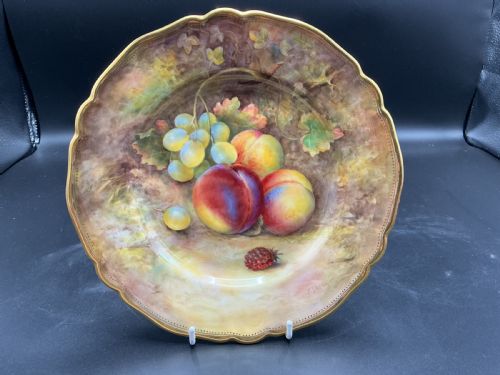
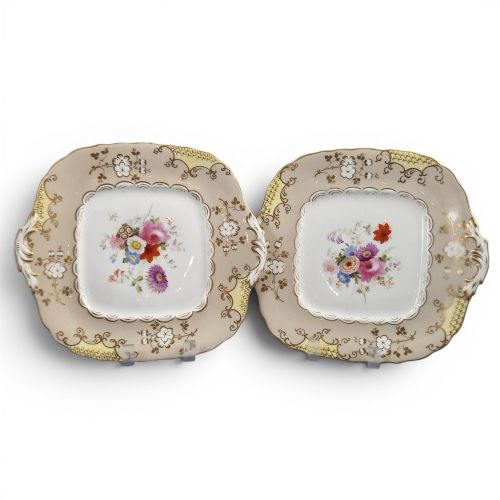
When you search for antique collector plates, you encounter pieces designed primarily for display rather than everyday dining, spanning the eighteenth through the early twentieth centuries. These objects range from delicate floral dessert services to finely decorated cabinet plates originating from prominent European potteries. The examples appearing on this page reflect diverse periods including the Regency era, the Victorian age, and the Art Deco movement.
Buyers frequently find that these items survive in various states of completeness, from single cabinet showpieces to smaller groupings. The forms include standard circular presentation dishes alongside specialised dessert services intended for formal dining rooms of the past. Exploring this selection reveals how porcelain decoration evolved from eighteenth-century hand-painted motifs to later industrial and artistic revivals.
Assessing quality and execution
The distinction between standard production items and superior examples lies in the precision of the hand-painting and the complexity of the decorative technique. Master painters employed by leading porcelain works achieved greater depth, finer linework, and more harmonious colour blending than jobbing decorators in commercial factories. Superior pieces display crisp definition in relief work and flawless glaze application without firing blemishes.
Provenance and attribution also influence the standing of a piece within this category, particularly when works bear documented factory marks or historical collections labels. The crispness of moulded details and the subtlety of gilding separate exceptional cabinet specimens from more utilitarian household wares. Ultimately, the artistic ambition of the design dictates the long-term interest of any ceramic piece.
Some nineteenth-century dessert plates were painted with such realistic fruit that hungry guests occasionally reached for a porcelain pear.
Royal Worcester·Coalport·Mintons·Meissen
The Antique Collector Plates Glossary
- Cabinet plate
- A decorative ceramic dish intended purely for display in a cabinet or on a wall rather than for practical table use. These items typically feature elaborate hand-painted scenes or rich gilding.
- Pate sur pate
- A French ceramic technique meaning paste on paste, where successive layers of liquid clay are built up to form a raised white design on a darker background. This method requires exceptional skill from the ceramic artist.
- Hard-paste porcelain
- A true porcelain composed of kaolin and petuntse fired at very high temperatures to produce a dense, vitrified body that is impervious to liquids. It became the standard medium for fine European factories.
- Soft-paste porcelain
- An artificial ceramic composition fired at lower temperatures than hard-paste, resulting in a warmer texture and a softer glaze that interacts fluidly with enamel colours. Earlier European potteries relied heavily on this formula.
- Delftware
- Tin-glazed earthenware produced in England and the Netherlands, typically decorated with blue pigments on a white opaque background. The technique imitates imported Chinese porcelain.
Antique Collector Plates: Frequently Asked Questions
How should I display antique collector plates?
Mount these pieces securely using specialised wall hangers lined with protective material, or stand them upright within dedicated display cabinets away from direct sunlight.
Ensure the mounting hardware takes the full weight of the ceramic without putting undue pressure on the rim or the footring of the dish.
Can I use these plates for serving food?
Most antique decorative plates are unsuited for modern culinary use due to the delicate nature of historic enamels, overglaze gilding, and softer ceramic bodies.
Hand-washing is mandatory for any historic ceramic piece, as automatic dishwashers use harsh detergents and high heat that will permanently damage the glaze.
How do I identify the maker of a plate?
Inspect the underside of the ceramic body for painted marks, impressed ciphers, or transfer-printed factory symbols that correspond to historical registration records.
Stylistic clues such as the choice of colour palette, border motifs, and gilding style often point toward a specific nineteenth-century manufactory even without a clear stamp.
What is the difference between earthenware and porcelain?
Porcelain is fired at much higher temperatures until the clay body vitrifies into a non-porous, highly durable material that often exhibits translucency when held to the light.
Earthenware remains more porous and opaque, requiring an applied glaze to seal the surface, and generally dates to earlier domestic traditions or specialised regional potteries.