



Antique Collector Figures
These antique collector figures span Staffordshire pottery to cold-painted bronze, offering small-scale character studies for the cabinet and desk.
Antique Collector Figures
When searching for antique collector figures, buyers encounter diverse sculptural works ranging from early ceramic figurines and Toby jugs to cold-painted bronzes. These objects served primarily as ornamental desk accessories or cabinet displays throughout the nineteenth and early twentieth centuries.
The versions most commonly met on this page include Staffordshire pottery figures depicting historical or literary personages, alongside continental porcelain figurines from factories such as Meissen and Old Paris. Bronze sculptures originating from Vienna and French foundries also populate the selection.
How they were made
The pieces recorded in the evidence utilise porcelain, earthenware, and cast bronze. Ceramic figures were hand-painted over glaze, sometimes incorporating enamel and gilding.
Bronzes typically rely on the lost-wax casting method, occasionally receiving cold-painted surface coloration applied after casting to enhance detail.
Antique Collector Figures Retail Price Guide 2026
Typical asking prices for collector figures among the pieces listed under this phrase on Sellingantiques today, from the lower quarter to the upper quarter. They describe what is for sale here now, not the wider market.
Listings feature porcelain, earthenware, and bronze as primary materials, spanning the eighteenth to early twentieth centuries.
What varies in quality
Quality rests upon the crispness of the modelling and the fidelity of the hand-painting. Superior examples retain their original surface pigments and lack heavy restoration.
Casting precision in bronze and fine ceramic detail distinguish master-workshop output from commercial production of the period.
Franz Bergman·Jules Dalou·Susse Freres
The Antique Collector Figures Glossary
- Cold-painted bronze
- A bronze sculpture decorated with oil-based paint after casting, rather than patinated by heat. This technique was notably practiced by Viennese foundries.
- Toby jug
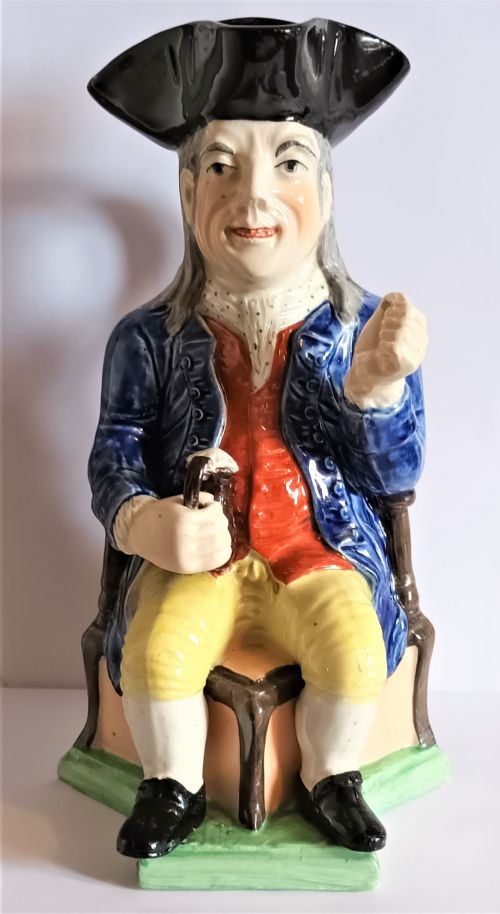
- A pottery jug shaped as a full-figured person, typically seated and holding a mug or mug and jug. Staffordshire potteries produced many variations.
- Hard-paste porcelain
- A ceramic composition containing kaolin and petuntse, fired at high temperatures. It yields a durable, vitrified body used by factories like Meissen.
- Staffordshire pottery
- Earthenware produced in the industrial region of Staffordshire, England. Figures from this area often depict contemporary royals, actors, or political figures.
Antique Collector Figures: Frequently Asked Questions
What materials are these figures made from?
The listings include pieces shaped from porcelain, glazed earthenware, and cast bronze. Some examples incorporate enamel decoration and gilt accents.
Surface treatments range from cold-painted pigments on bronze to hand-brushed enamels on ceramic bodies.
How do I identify a Staffordshire figure?
Staffordshire figures typically present as earthenware pottery depicting recognizable individuals, animals, or literary characters. They display hand-painted glazes characteristic of nineteenth-century English kilns.
Most examples were made for mantelpiece display, featuring hollow backs and earthenware bases.
Where were cold-painted bronzes made?
Many cold-painted bronze sculptures originate from workshops in Vienna, Austria, dating around the turn of the twentieth century. These pieces often depict animal subjects or orientalist figures.
The technique involved applying paint directly to the cold metal surface without subsequent firing.
Are porcelain figures marked?
Continental porcelain figures sometimes bear factory symbols on the base, such as crossed swords for Meissen. Marks vary depending on the period of manufacture and the specific kiln.
Unmarked pieces are attributed through modelling style, paste composition, and glaze characteristics.