






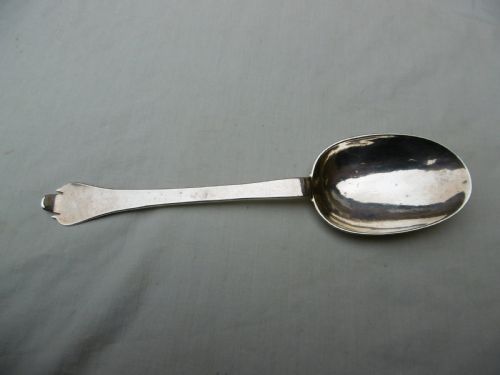


Antique Collectible Spoon
An antique collectible spoon brings centuries of domestic metalwork and rare functional design directly to the table.
Antique Collectible Spoon
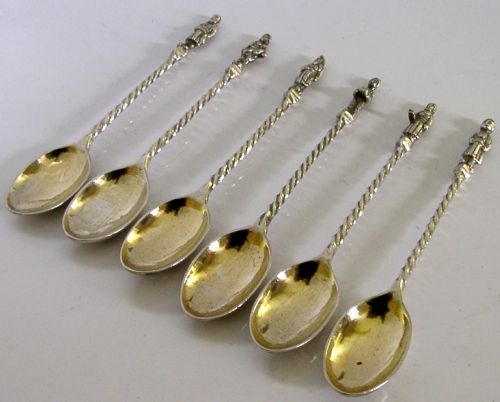
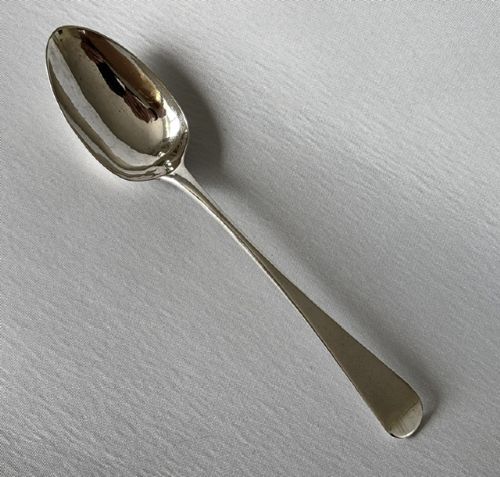
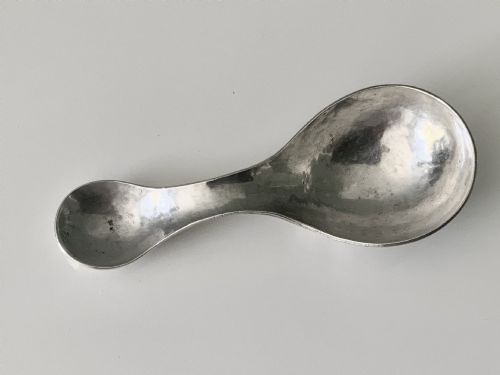
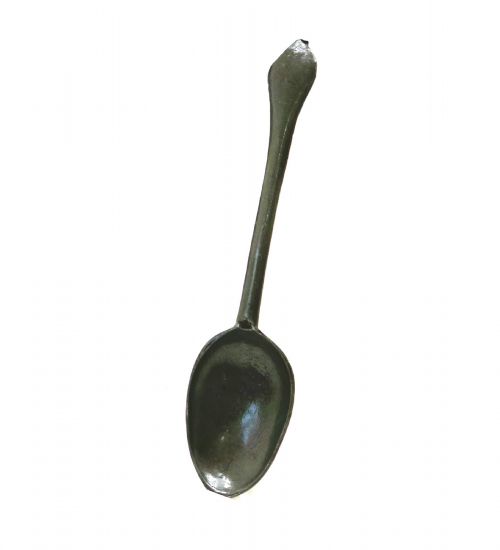
An antique collectible spoon encompasses everything from early provincial dog-nose tablespoons and ornate trefid forms to specialised caddy spoons and medical pieces.
The material record spans sterling silver, solid silver, pewter, glass, and treen, reflecting both utilitarian domestic tasks and commemorative events.
Buyers will encounter items ranging from seventeenth-century apostle and seal top spoons through Georgian and Victorian examples up to early twentieth-century modernist designs.
Materials and Construction
Makers shaped these items primarily from solid silver, sterling, and pewter, often utilising hammering and casting techniques appropriate to each period.
Details like rattail attachments, engraved crests, and intricate figural finials demonstrate specialised silversmithing methods passed down through workshops.
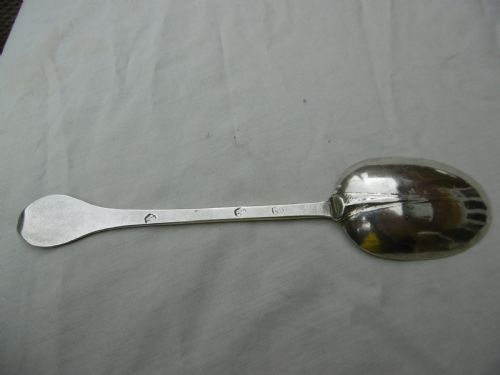
Assay office marks, maker punches, and date letters stamped into the metal provide a permanent record of origin and material purity.
Antique Collectible Spoon Retail Price Guide 2026
Typical asking prices for collectible spoon among the pieces listed under this phrase on Sellingantiques today, from the lower quarter to the upper quarter. They describe what is for sale here now, not the wider market.
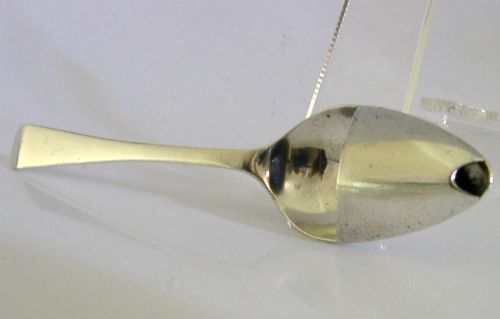
Several examples take the whimsical form of a jockey's cap, bringing unexpected millinery flair directly to the tea caddy.
Assessing Distinction and Execution
The separation between ordinary examples and exceptional pieces rests upon the crispness of the hallmarks, the preservation of original bowl shape, and the depth of surface engraving.
Maker attribution to notable silversmiths or regional provincial assay offices elevates the historical significance of the object.
Proportional balance in the stem and the survival of untouched patination determine the overall integrity of the piece.
Peter and Jonathan Bateman·William Neale·William Penstone·Isaac Davenport·Benjamin Prosser·Thomas Issoa·Lawrence Coles·Daniel Cary·John King·Archibald Knox
The Antique Collectible Spoon Glossary
- Dognose tablespoon
- An early form of flatware featuring a spatulate terminal with a notched top, popular around the turn of the eighteenth century.
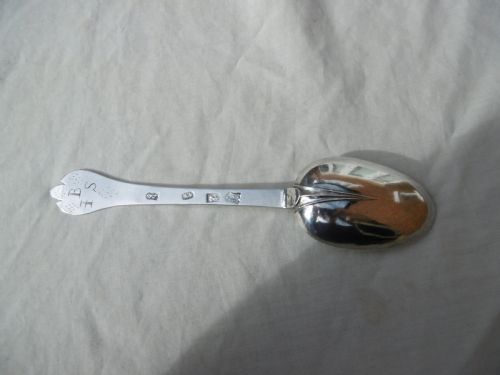
- Trefid spoon
- A seventeenth-century style distinguished by a flat, three-lobed terminal and a broad stem.
- Caddy spoon
- A short-handled spoon specifically proportioned for measuring loose tea leaves from a caddy container.
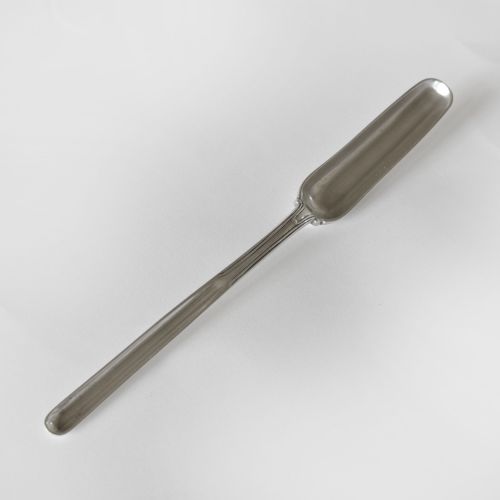
- Marrow scoop
- A narrow, double-ended implement designed for extracting marrow from animal bones during formal dining.
- Hallmark
- A series of official stamps applied to precious metals indicating the maker, assay office, and year of production.
Antique Collectible Spoon: Frequently Asked Questions
What is an antique collectible spoon used for?
These items served various historical purposes, ranging from everyday dining and tea service to specialised tasks like measuring medicine or scooping marrow.
Today, collectors appreciate them as compact works of metal art and historical documents rather than functional kitchenware.
How do I identify early silver spoons?
Examination of the terminal shape, such as trefid or dog-nose designs, often points toward specific late seventeenth and early eighteenth-century periods.
Clear punch marks and hallmarks stamped into the metal verify the assay office, date letter, and silversmith.
Are all collectible spoons made of silver?
While sterling and solid silver dominate the selection, historical examples frequently appear in pewter, silver plate, vermeil, glass, and treen.
Each material reflects the specific domestic context and economic status for which the piece was originally commissioned.
How should I display my spoons?
Many collectors utilise shallow wall-mounted cabinets with fitted velvet grooves or specialised display trays that protect the metal from excessive handling.
Keeping pieces away from direct sunlight and moisture preserves the original patination and delicate surface engraving.