



Antique Collectible Figures
These antique collectible figures span centuries of craftsmanship, bringing character and historical material artistry directly to a desk, shelf, or cabinet.
Antique Collectible Figures
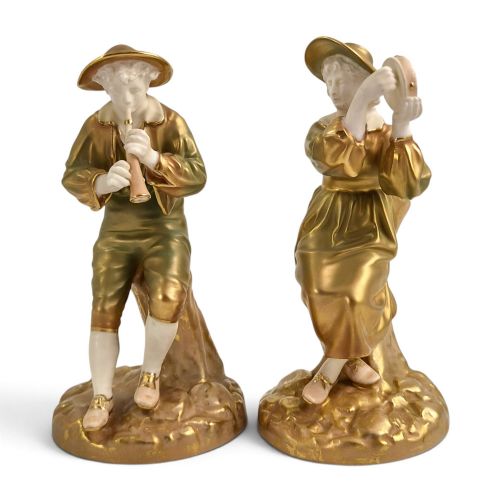
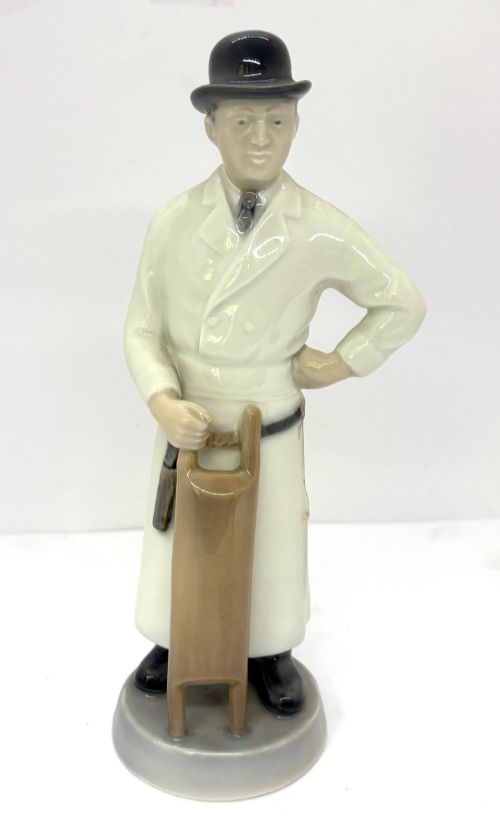
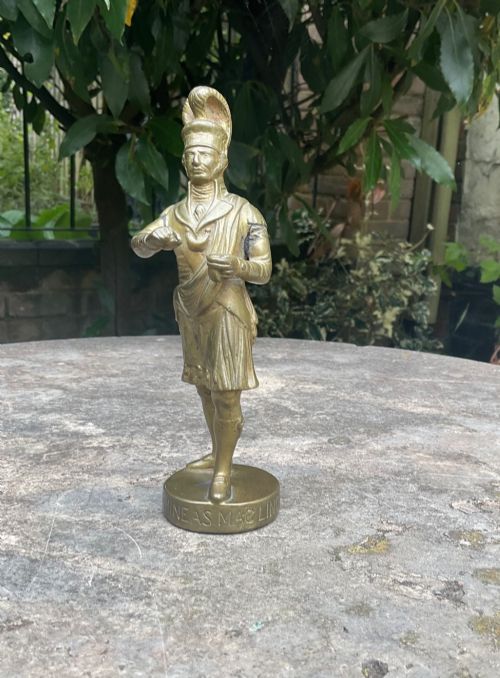
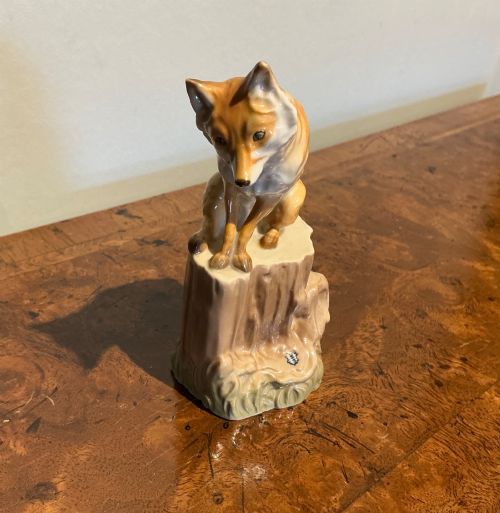
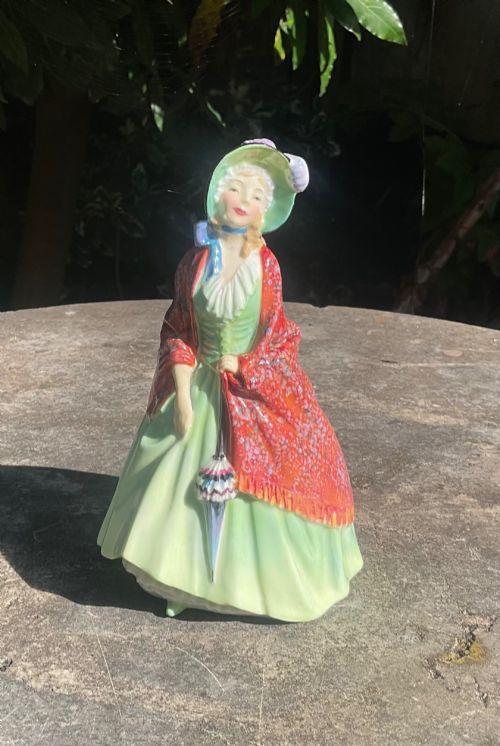
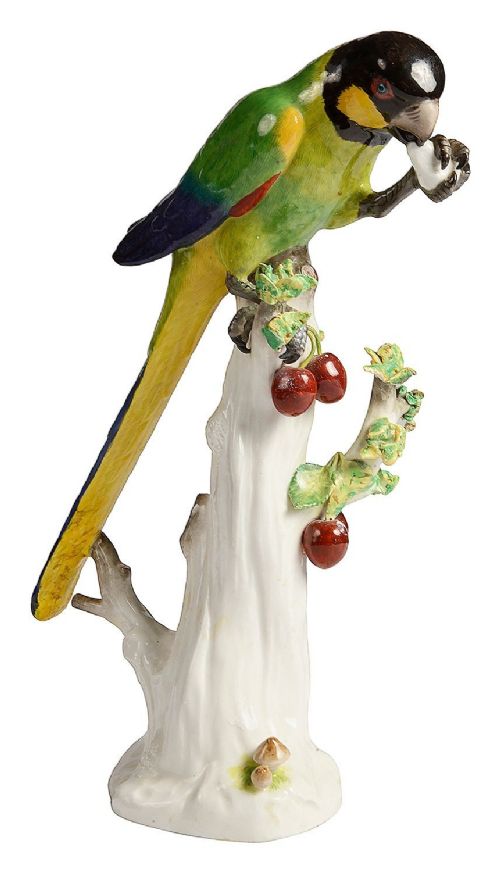
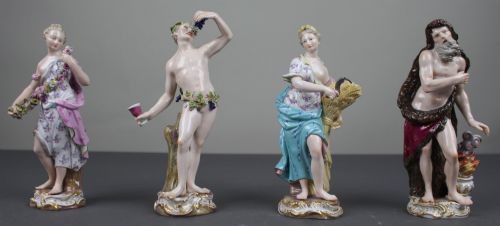
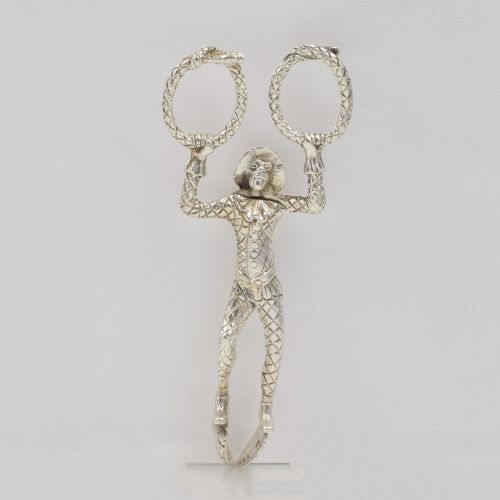
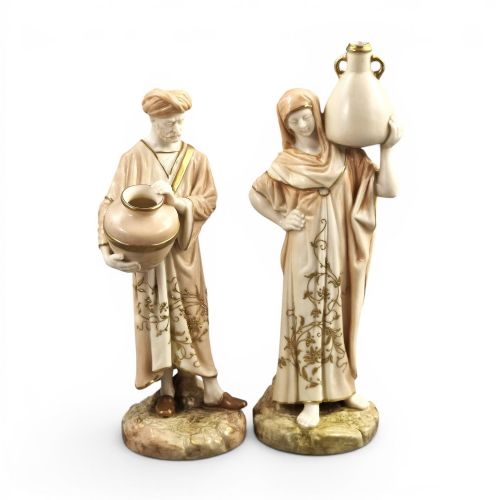
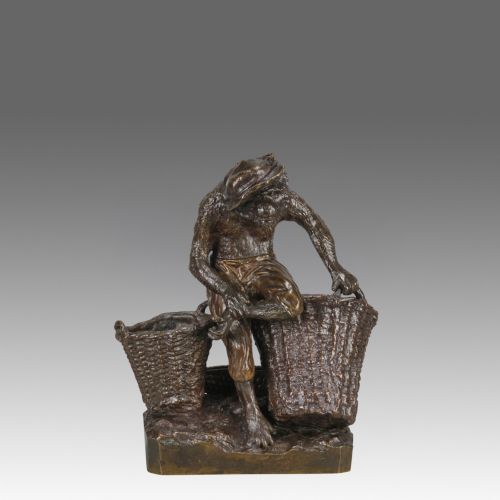
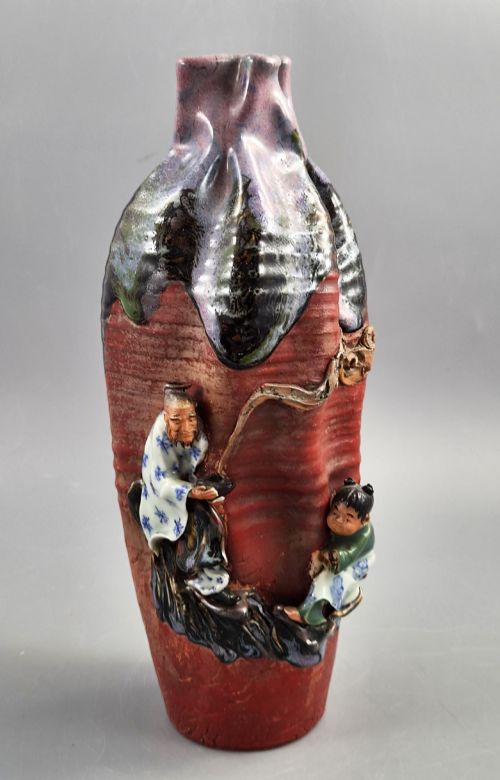
When you search for antique collectible figures, you encounter a diverse array of sculptural objects ranging from small porcelain ladies to cast metal animals. The selection spans the eighteenth, nineteenth, and twentieth centuries, taking forms such as figurines, car mascots, pin cushions, and decorative sculptures.
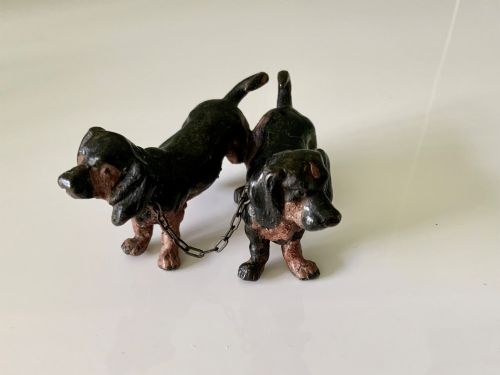
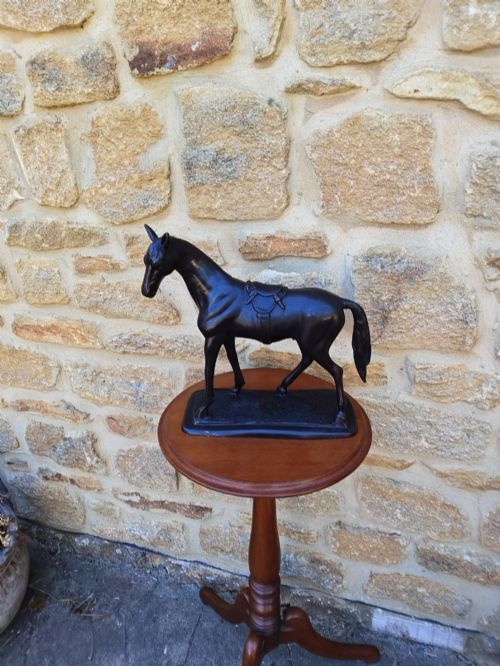
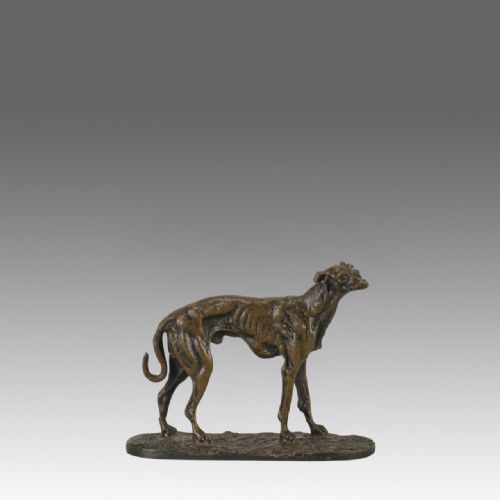
You are most likely to meet glazed porcelain pieces and cold-painted or patinated bronzes from the Victorian, Edwardian, and Art Deco periods. These works capture human characters, mythological deities, and various animals including dogs, horses, and birds.
Makers and factories from England, France, and Germany dominate the offerings, utilising traditional materials to shape domestic and display items.
How they were made
Ceramic figures take shape through the manipulation of porcelain, bone china, earthenware, and pearlware, often finished with detailed hand-painting and intricate glazes. Enamel accents and gold leaf details frequently highlight the surfaces of these fired works.
Metal sculptures utilise bronze cast via traditional foundry methods, sometimes enhanced with cold-painted polychrome colours or fine patination. Sterling silver and leather also appear in specific desk ornaments and novelty items.
Antique Collectible Figures Retail Price Guide 2026
Typical asking prices for collectible figures among the pieces listed under this phrase on Sellingantiques today, from the lower quarter to the upper quarter. They describe what is for sale here now, not the wider market.
Listings feature items spanning the eighteenth century through the mid twentieth century, utilising porcelain, bronze, earthenware, and silver.
What varies in quality
The degree of fineness in hand-painted details and the crispness of the casting separate simpler works from master-executed sculptures. Finer pieces retain delicate facial expressions, clean glaze applications, and sharp anatomical proportions in animal and human subjects.
Signatures, maker marks, and firm attributions elevate the standing of a figure, reflecting the individual skill of the modeller or the prestige of the manufacturing house.
Royal Doulton·Nymphenburg·Meissen·Royal Worcester·Christophe Fratin·Dora Heber·Charles Vyse·Jules Dalou·Rene Lalique·Liberty & Co.·Julien Lorieux·Longton Hall·Derby·Aristide Maillol
The Antique Collectible Figures Glossary
- Animalier
- A nineteenth-century artistic movement focused on the realistic depiction of animals, particularly in bronze sculpture. Practitioners captured beasts in motion or repose with careful anatomical study.
- Cold-painted bronze
- A technique where bronze sculptures receive paint applications without subsequent kiln firing. This method was widely utilised for decorative desk ornaments and small animal figures.
- Pearlware
- An earthenware developed in the late eighteenth century featuring a faint bluish glaze that pooled in recesses. It served as an affordable yet refined alternative to porcelain.
- Car mascot
- A sculptural ornament mounted on the radiator cap of an automobile, particularly popular during the early twentieth century. Many were produced in glass or bronze by notable designers.
- Flambé
- A rich, streaky ceramic glaze created through reduction firing in a kiln, producing variegated red, purple, and lavender tones. It was favoured by studio potters and major factories alike.
Antique Collectible Figures: Frequently Asked Questions
What materials are these figures made from?
The pieces utilise a wide selection of mediums, with porcelain, earthenware, and bone china forming the ceramic items. Bronze, sterling silver, and carved wood provide the primary substances for metal and sculptural works.
Enamel, gold leaf, and leather also appear across various periods to add colour and texture to the finished objects.
How do I identify the period of a ceramic figurine?
Dating relies primarily on factory backstamps, glaze characteristics, and stylistic traits associated with specific eras like the Georgian or Edwardian periods. Examining the hand-painted details and the type of ceramic body helps narrow down the decade of production.
Makers often changed their impressed or printed marks over time, which serves as a reliable guide for attribution.
How should I care for antique bronze figures?
Bronze sculptures require minimal intervention, needing only gentle dusting with a soft, dry cloth to remove surface particles. Avoid using liquid cleaners, polishes, or abrasive materials that can strip the original patination or cold-painted finishes.
Keeping the pieces away from excessive humidity and direct sunlight helps preserve the metal surface over time.