

Antique Collectables Case
An antique collectables case gathers small, portable items made for personal use, travel, or specific professions during the Victorian, Edwardian, and mid-twentieth-century eras.
Antique Collectables Case
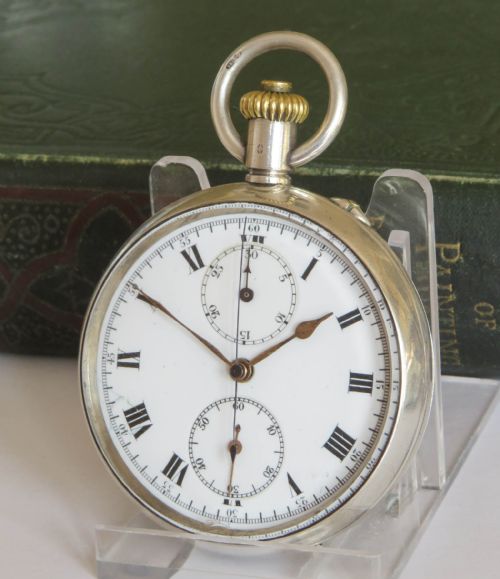
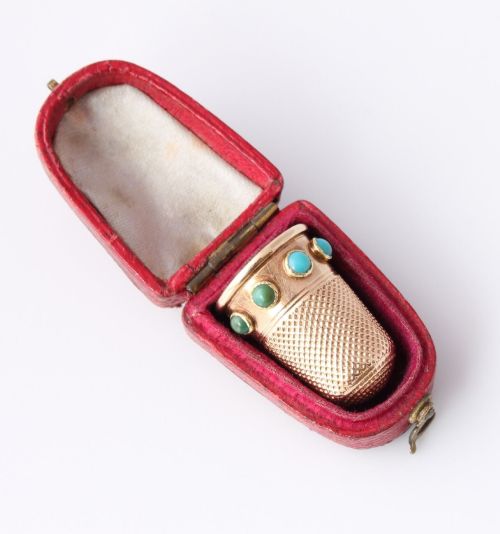
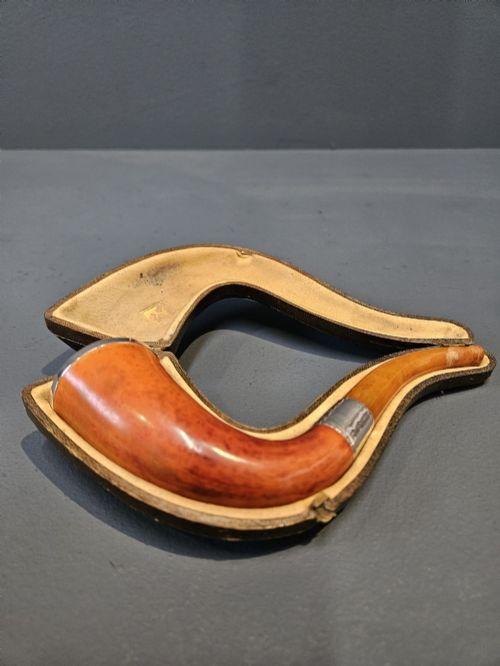
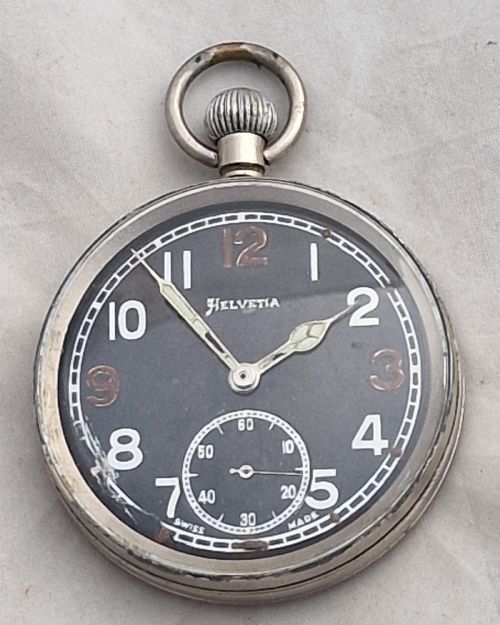
An antique collectables case encompasses a diverse group of fitted housings, boxes, and protective holders designed to store pocket watches, scientific instruments, sewing tools, smoking apparatuses, and personal documents. The items meeting this description span the Victorian, Edwardian, and early twentieth-century periods, capturing the functional and decorative output of those eras.
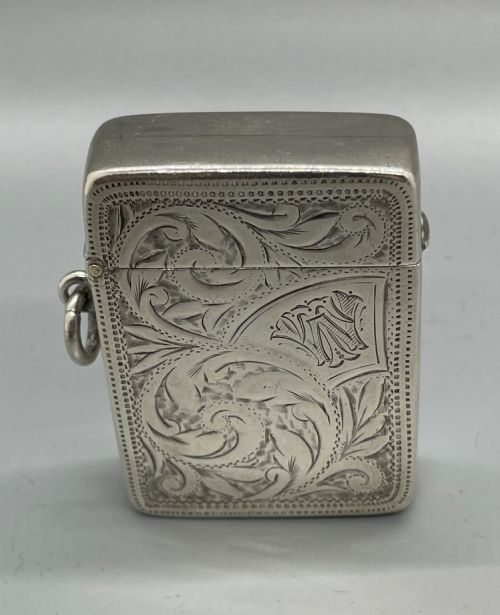
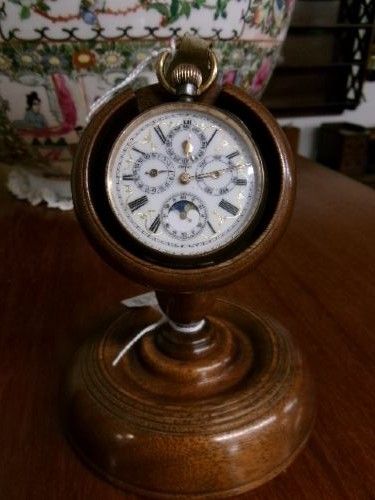
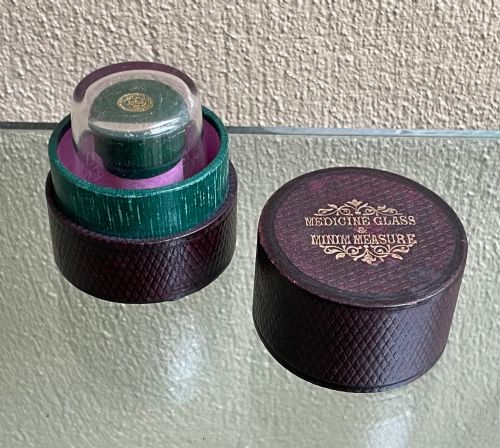
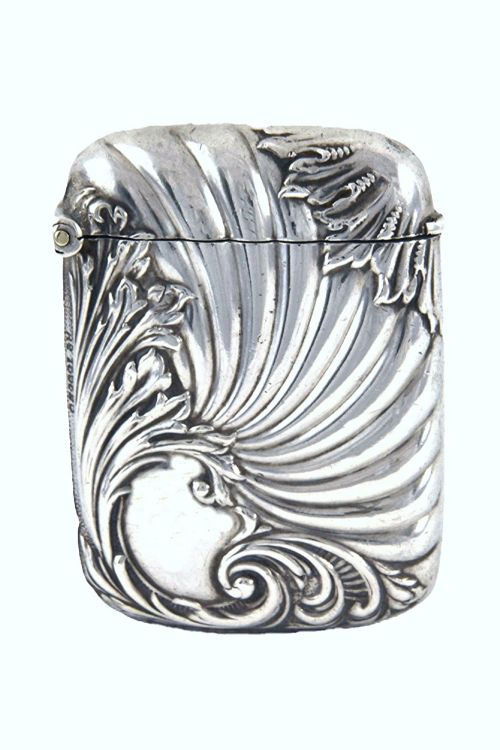
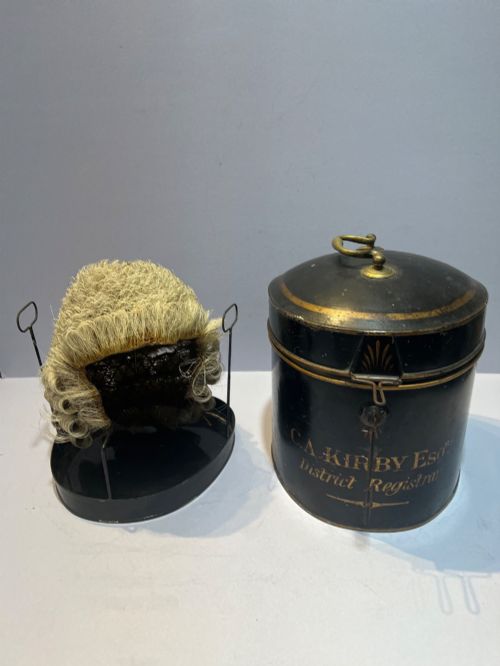
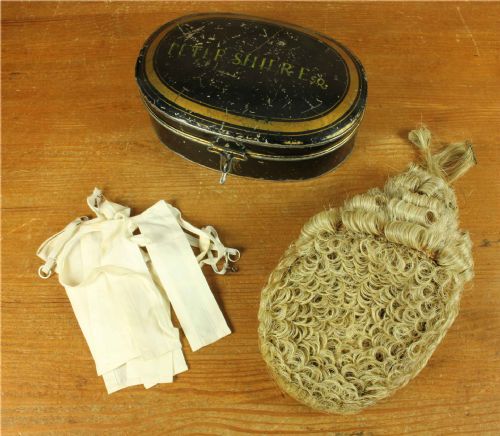
The objects take many forms, ranging from silver vesta cases and leather medicine glass holders to wig tins, chatelaine cases, and camera boxes. These housings reflect the specific demands of daily life, travel, and specialised professions across the nineteenth and twentieth centuries.
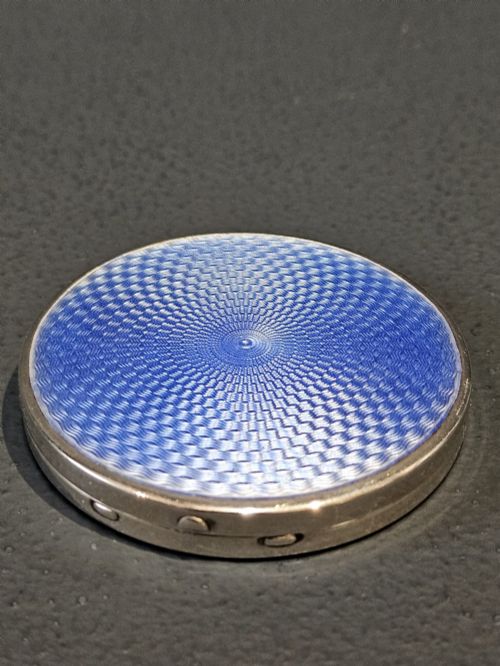
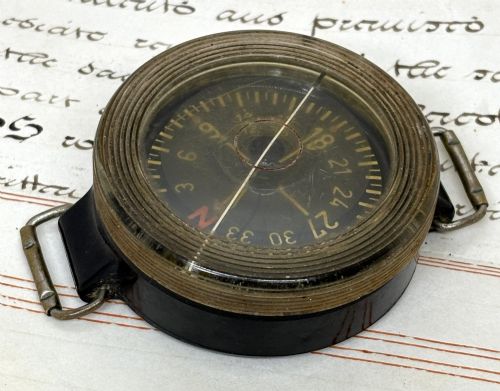
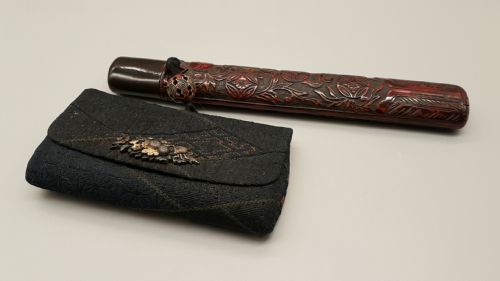
Most examples originate from British, French, German, and Japanese makers, utilising materials suited to protecting delicate contents while offering an attractive exterior. Buyers encounter items ranging from utilitarian military compass cases to elaborately decorated silver and enamel holders.
How they were made
The construction of an antique collectables case relies heavily on metals such as sterling silver, brass, gun metal, and silver plate, alongside organic materials like leather, wood, corozo nut, tortoiseshell, and velvet linings. Artisans shaped these rigid or protective materials to mirror the exact contours of pocket watches, compasses, thimbles, or documents.
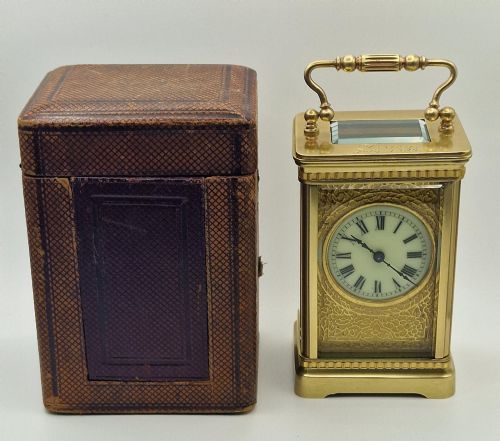
Techniques combine precision metalworking - including engraving, gilding, and silver-mounting - with traditional leathercraft and woodwork such as fine carving and straw work. Makers integrated interior velvet or fabric linings to cushion delicate scientific instruments, timepieces, and personal accessories during transport.
Antique Collectables Case Retail Price Guide 2026
Typical asking prices for collectables case among the pieces listed under this phrase on Sellingantiques today, from the lower quarter to the upper quarter. They describe what is for sale here now, not the wider market.
Listings feature items from the Victorian, Edwardian, Georgian, and mid-century eras, utilising brass, sterling silver, leather, enamel, and velvet.
What varies in quality
The standard of an antique collectables case depends on the precision of the maker's fit, the integration of specialised materials like enamel or gemstones, and the crispness of exterior engraving. Superior examples demonstrate expert metal casting, secure hinges, and well-preserved interior velvet or leather fittings.
Artisanal detail separates standard utilitarian containers from exceptional presentation pieces, such as those bearing royal crests, detailed sporting engravings, or precious metal hallmarks. The longevity of the object rests on the structural integrity of the case shell and the original alignment of its closure mechanisms.
Eade and Son·Ravenscroft Law·Walter and George Myers·Charles Horner·Alfred Clark·Christopher Lawrence
The Antique Collectables Case Glossary
- Vesta case
- A small portable container specifically designed to hold matches, typically fitted with a striking strip on the base. These match safes were widely carried in pockets or suspended from chatelaines during the Victorian and Edwardian periods.
- Chatelaine
- A decorative belt hook worn by women with suspended chains carrying household and personal accessories such as thimbles, watches, or scent bottles.
- Tunbridge ware
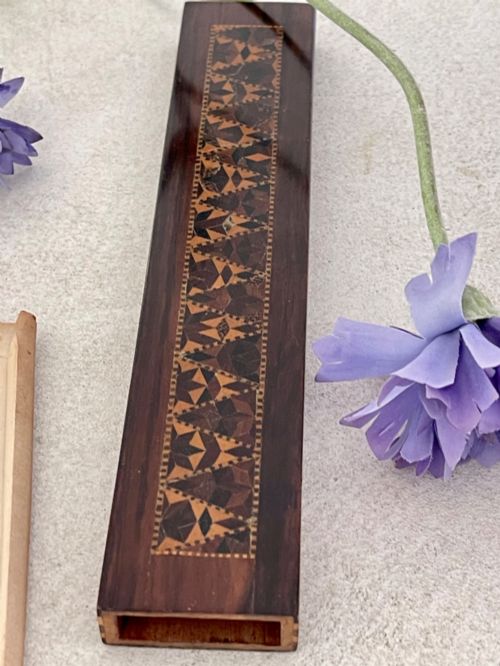
- Small wooden objects decorated with mosaic patterns created by gluing together tiny blocks of differently coloured woods before slicing them into veneers.
- Verge escapement
- An early type of mechanical escapement used in pocket watches and clocks, regulating the release of power from the gear train through a crown wheel and pallet foliot.
- Cabochon
- A gemstone polished into a smooth, rounded convex shape rather than faceted with flat planes.
Antique Collectables Case: Frequently Asked Questions
What fits inside an antique collectables case?
These housings are tailored to specific items such as pocket watches, navigational compasses, medical glasses, legal wigs, and sewing implements like thimbles.
Many enclosures feature custom interior contours lined in velvet or leather to keep delicate tools and instruments secure during travel.
How do I date an antique collectables case?
Dating relies on identifying silver hallmarks, maker marks, and stylistic indicators such as Victorian ornamentation, Edwardian silver mounts, or mid-century military specifications.
Materials and construction methods also provide clear chronological markers pointing to specific decades between the nineteenth and twentieth centuries.
Were these cases meant for travel?
Numerous examples were explicitly engineered for mobile use, protecting fragile items like pocket chronographs, folding cameras, and field compasses against the elements.
Sturdy exterior materials like leather, gun metal, and heavy brass shielded the delicate mechanisms or personal items carried by travellers and professionals.
How should I display my case?
Display depends on whether the item is meant to be viewed closed or open with its contents revealed, such as a fitted sewing set or a pocket watch.
Keeping pieces away from direct sunlight preserves delicate leather surfaces, velvet linings, enamel work, and organic materials like tortoiseshell.