



Antique Coffer Bach
These small Welsh coffers offer genuine vernacular charm and neat tabletop storage for domestic treasures.
Antique Coffer Bach
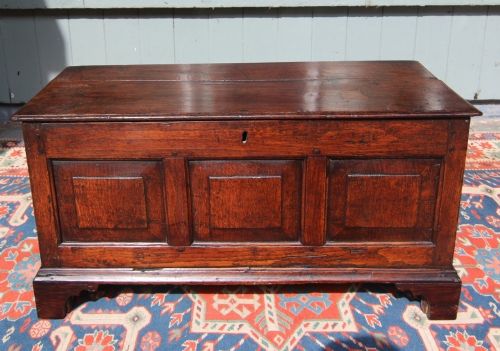
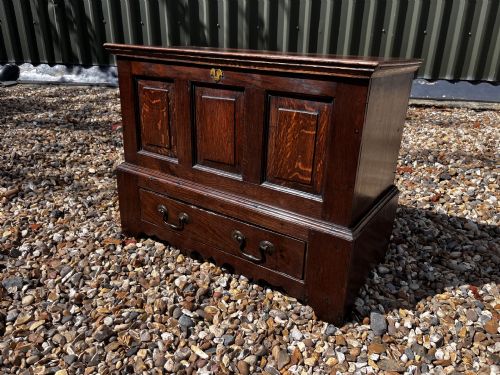
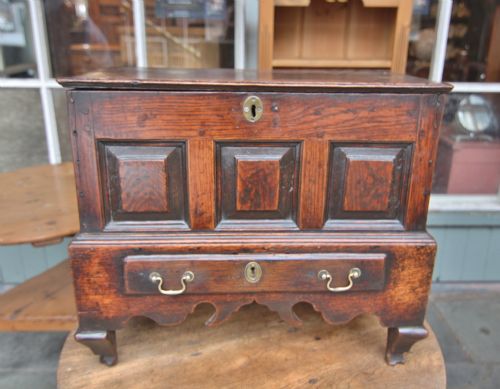
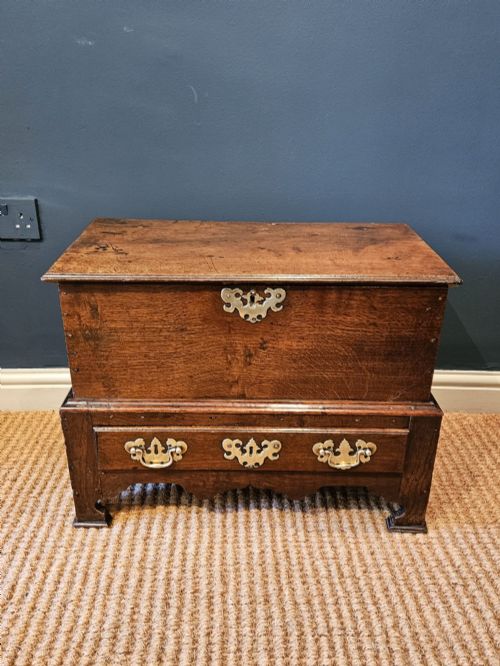
An antique coffer bach is a miniature Welsh chest designed for domestic storage, often resting on turned feet or a small stand. These small pieces sit comfortably on tables or sideboards while providing enclosed space.
The pieces appearing on this page span the seventeenth century through the eighteenth century, taking characteristic forms within the Georgian period and Welsh country traditions. Most examples take the shape of a diminutive box or chest with a hinged lid.
Makers constructed these miniature coffers primarily as special gifts or dowry pieces within Welsh households. They serve today as concentrated examples of regional woodworking skill and domestic history.
Quality and Proportion
Quality rests upon the crispness of the timber inlay, the delicacy of the turned feet, and the balance of the overall proportions. Smaller examples and those retaining early surfaces stand out for their visual presence.
Condition of the original hinges, feet, and timber surfaces distinguishes standard examples from finer survivals. Pieces displaying careful attention to dovetailing and regional stylistic traits command closer appreciation.
Antique Coffer Bach Retail Price Guide 2026
Typical asking prices for coffer bach among the pieces listed under this phrase on Sellingantiques today, from the lower quarter to the upper quarter. They describe what is for sale here now, not the wider market.
Some tiny chests feature unexpectedly generous interior compartments, suggesting makers took quiet delight in surprising those who opened them.
The Antique Coffer Bach Glossary
- Coffer Bach
- A small chest or miniature coffer originating from Wales, translating literally from Welsh as little chest. These vessels were traditionally used to store valuables or documents.
- Vernacular furniture
- Everyday objects made by local craftsmen using regional materials and traditional methods rather than following high court or metropolitan fashions. This style defines much of the Welsh country cabinet-making tradition.
- Timber inlay
- The decorative insertion of contrasting woods into recessed portions of a primary wood surface. Fruitwood inlay frequently provides lighter geometric or floral contrast against darker oak grounds.
- Escutcheon
- A protective plate surrounding a keyhole, usually fashioned from brass on these miniature chests. It serves both a functional role and a decorative purpose on the front panel.
Antique Coffer Bach: Frequently Asked Questions
What was a coffer bach used for?
Families used these miniature chests to store important family papers, jewellery, or currency within the home. Their portable nature allowed valuables to be kept secure in a central living space.
They also functioned as presentation pieces for marriages or significant birthdays, holding tokens of affection or small keepsakes. Today, they serve similar decorative storage roles on tabletops and sideboards.
How do I date an antique coffer bach?
Dating relies on examining the construction methods, the style of the turned feet, and the characteristics of the timber. Seventeenth-century examples often display simpler plank construction, while Georgian pieces incorporate more refined mouldings and inlay.
Hardware such as iron hinges and brass escutcheons also provide clues to the period of manufacture. Comparing the proportions to documented regional pieces helps narrow down the decade.
Are all coffer bach pieces Welsh?
The term itself refers specifically to the Welsh tradition of miniature chests. The listings on this page consistently reflect Welsh country and vernacular origins from the seventeenth and eighteenth centuries.
Regional cabinet-makers in Wales developed distinct proportions and decorative vocabulary for these small chests. This local identity separates them from standard miniature boxes made elsewhere in Britain.
How do I care for oak and fruitwood timber?
Protect the wood by keeping the chest away from direct heat sources and sudden temperature fluctuations. Natural beeswax applied sparingly helps maintain the lustre of the antique surface without building up residue.
Avoid excessive moisture and dust gently with a dry, soft cloth. Allowing the timber to breathe preserves the aged patina developed over centuries of handling.