

Antique Coat Rack Mirror
An antique coat rack mirror brings practical utility and period character to an entrance hall, combining a looking glass with sturdy hanging hooks.
Antique Coat Rack Mirror
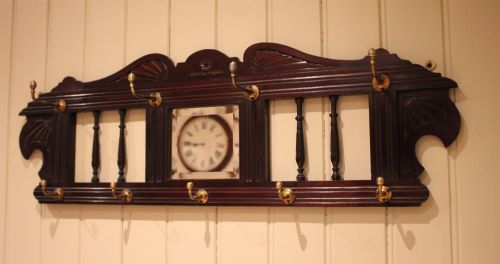
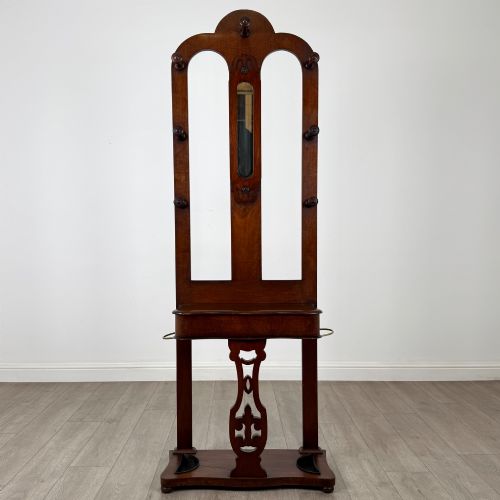
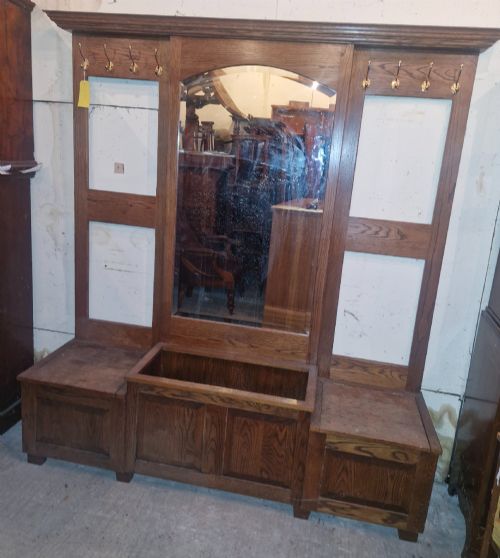
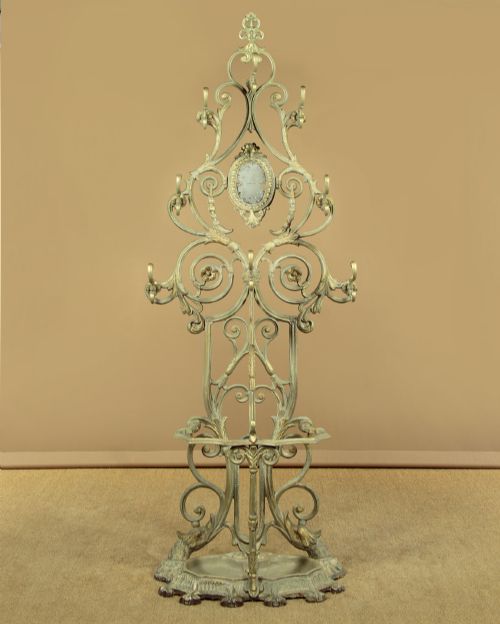
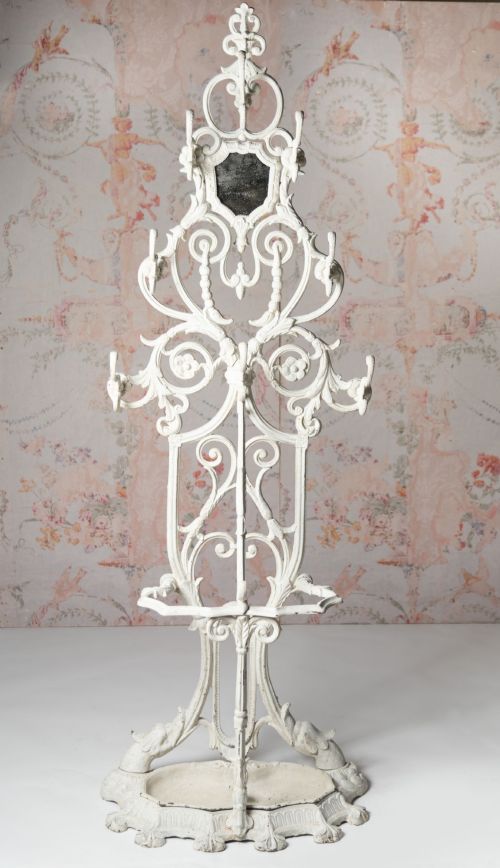
An antique coat rack mirror serves as a functional centrepiece for hallways, combining a central looking glass with integrated hooks for garments and hats. The pieces seen here range from substantial freestanding hall stands to compact wall-mounted racks designed for smaller spaces.
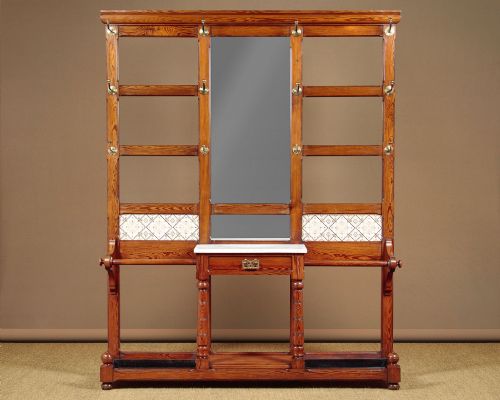
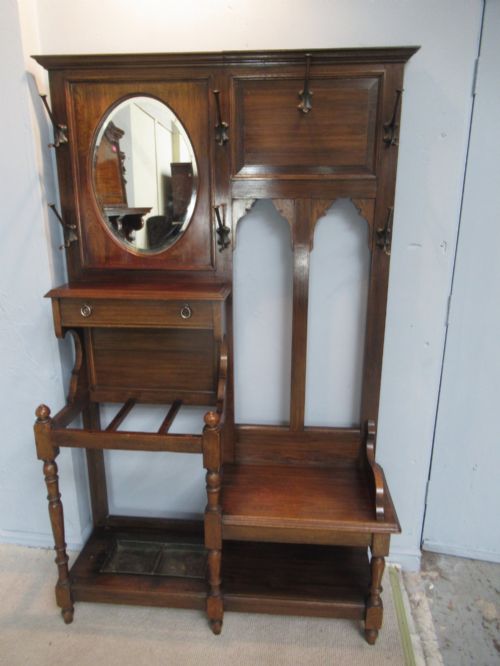
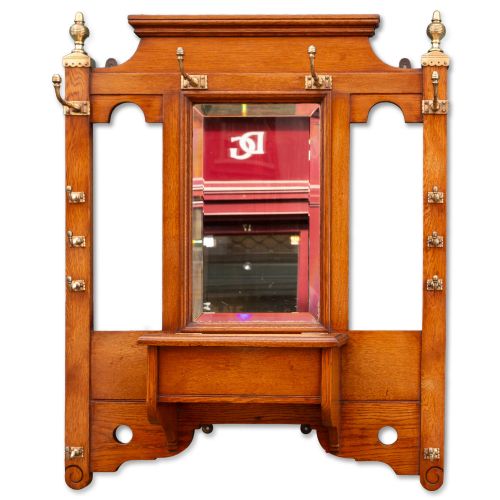
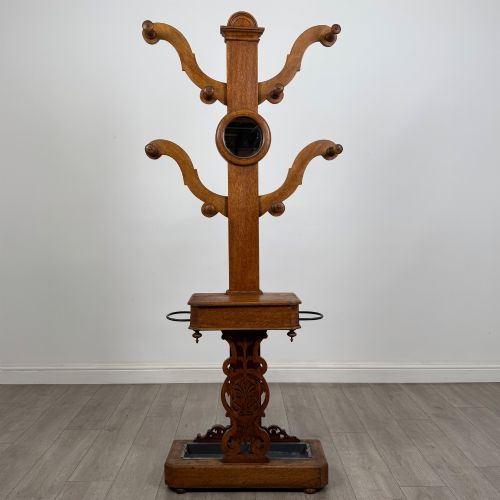
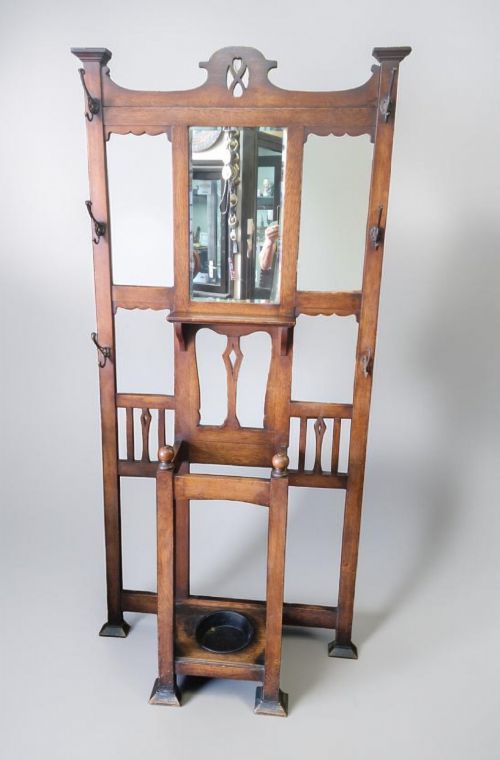
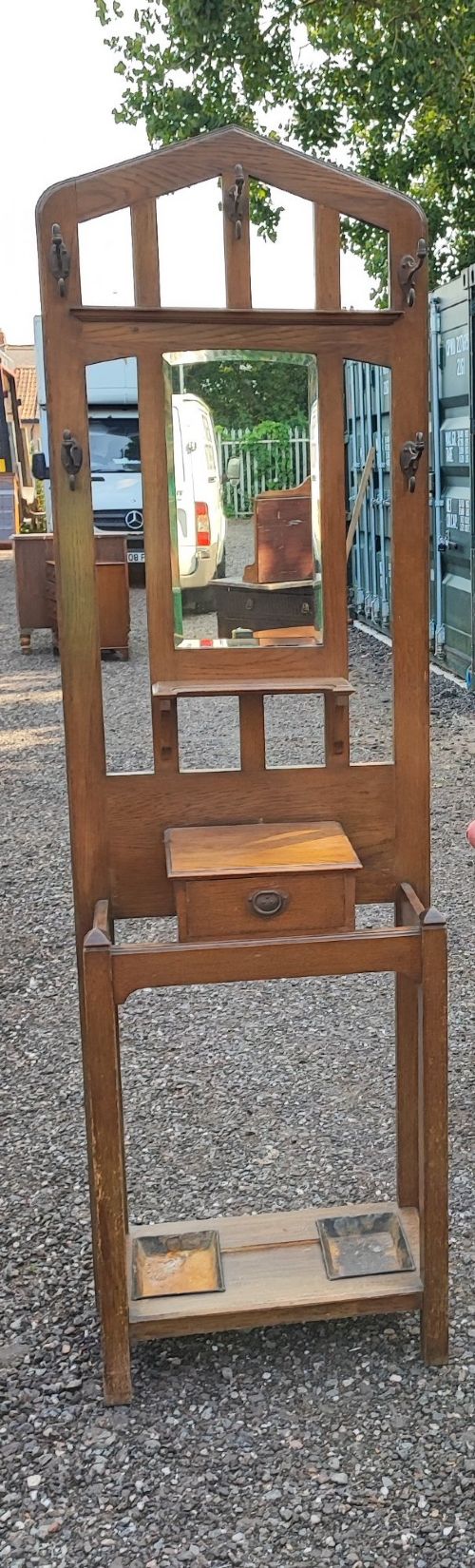
Victorian and Edwardian examples predominate, frequently taking the form of large hall stands incorporating umbrella wells, marble shelves, and hinged glove boxes alongside the mirror plate. Wall-mounted variants appear in simpler oak or mahogany formats fitted with brass or cast iron hooks.
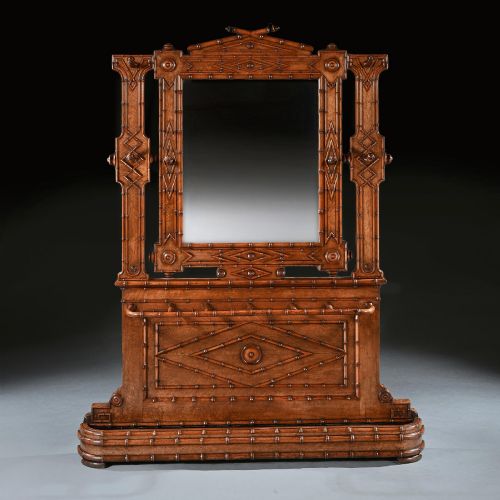
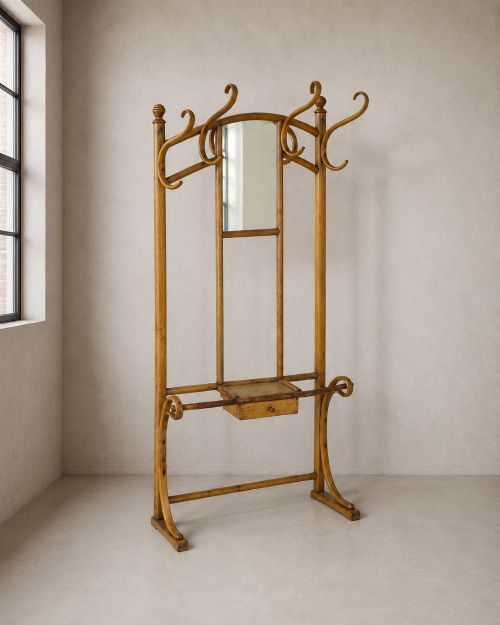
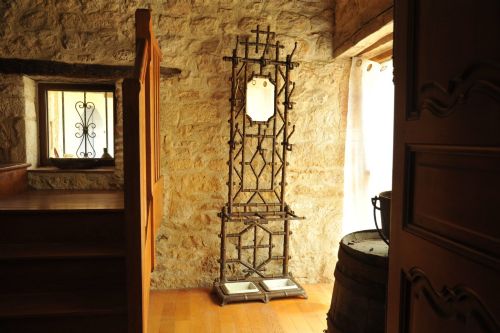
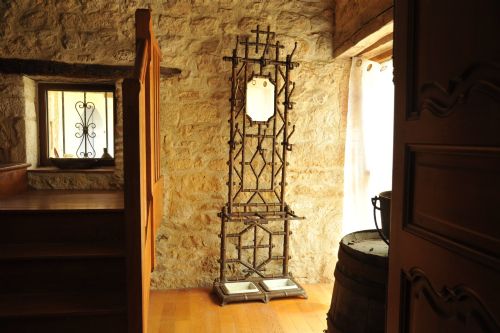
Stylistic influences vary widely across the selection, encompassing austere Arts and Crafts designs, sinuous Art Nouveau woodwork, and exotic bamboo or faux bamboo frames associated with the Aesthetic Movement.
Materials and construction methods
Cabinetmakers utilised durable hardwoods such as oak, mahogany, and walnut for freestanding hall stands, often employing deep carving, geometric panelling, and applied mouldings to articulate the timber surfaces. Softer woods like pine and exotic alternatives including bamboo appear in specific stylistic groups.
Metalwork played a structural and decorative role, featuring heavy cast iron frames for umbrella stands alongside turned brass coat hooks fixed securely to wooden backboards. Bevelled glass mirror plates were set into rebated frames to withstand daily use in busy entranceways.
Listings combine robust oak and mahogany constructions with lighter bamboo frames reflecting the Aesthetic Movement.
Evaluating craftsmanship and condition
Quality rests upon the integrity of the timber framing and the original joinery, where tightly fitted joints distinguish superior cabinetwork from lesser output. Carved details executed with crisp depth rather than shallow mechanical stamping mark out the better examples.
The retention of original hardware, including matching brass hooks, drip pans in umbrella wells, and unaltered mirror plates with natural ageing, elevates a piece above those fitted with later replacements.
Thonet
The Antique Coat Rack Mirror Glossary
- Hall Stand
- A large freestanding entrance furniture piece combining a mirror, coat hooks, a glove compartment, and umbrella storage. These items anchor the hallway decor of Victorian and Edwardian homes.
- Aesthetic Movement
- A late nineteenth-century design style emphasising visual beauty over narrative content, frequently incorporating Japanese motifs and bamboo construction. Pieces from this movement display lighter proportions and distinctive exotic influences.
- Bevelled Plate
- A mirror glass featuring an angled, polished perimeter edge that catches the light. This traditional technique signals higher quality manufacture.
- Faux Bamboo
- Timber turned or carved to imitate natural bamboo stalks, popular during the late nineteenth century. Makers painted or stained these surfaces to complete the illusion.
- Arts and Crafts
- A design movement valuing honest construction, visible joinery, and handcrafted timber surfaces. Objects in this style avoid excessive machine ornamentation.
Antique Coat Rack Mirror: Frequently Asked Questions
Where should an antique coat rack mirror be placed?
These pieces suit entrance halls and vestibules where visitors arrive, providing an immediate spot for coats, hats, and a final check of one's appearance before heading out.
Freestanding hall stands require adequate floor space and clear clearance for umbrella wells, whereas wall-mounted variations fit narrower corridors above low benches or small tables.
How do I care for the mirror and wood?
Maintain the timber surfaces with a traditional beeswax polish applied sparingly and buffed gently with a soft cloth to nourish the grain without building up a sticky residue.
Clean the glass plate using a mild solution on a cloth rather than spraying liquid directly onto the frame, which protects the surrounding wood and the silver backing of the mirror.
Can these racks support heavy winter coats?
Original brass and cast iron hooks are securely screwed or bolted into solid timber backboards, making them robust enough for daily use with heavy garments.
Wall-mounted versions require secure fixing directly into wall studs or masonry to bear the weight safely when loaded with multiple winter coats.
How do I distinguish Victorian from Edwardian styles?
Victorian pieces tend to be darker, heavier, and more elaborately carved, frequently incorporating dense oak or mahogany with Gothic or Aesthetic ornamentation.
Edwardian examples often feature lighter golden oak or satinwood finishes, cleaner architectural lines, and simpler geometric inlays reflecting a shift toward brighter domestic interiors.