




Antique Coastal Picture
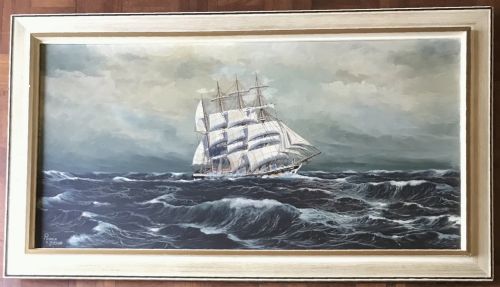
An antique coastal picture brings the salt air, harbours, and crashing seas of the nineteenth and early twentieth centuries directly into a room.
Antique Coastal Picture
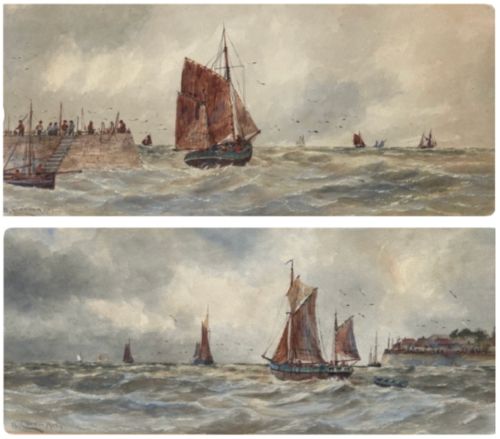
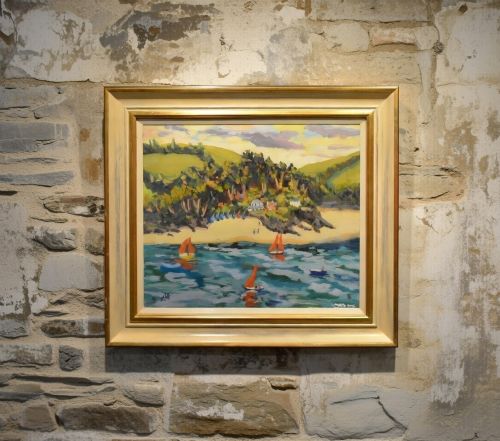
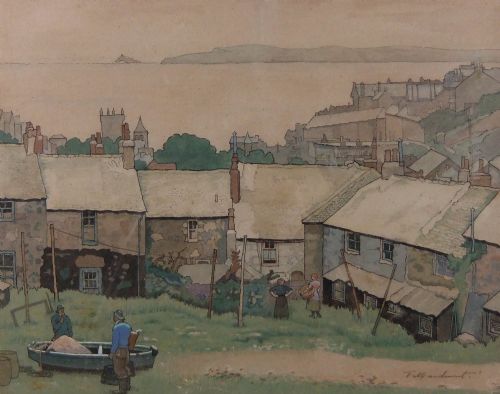
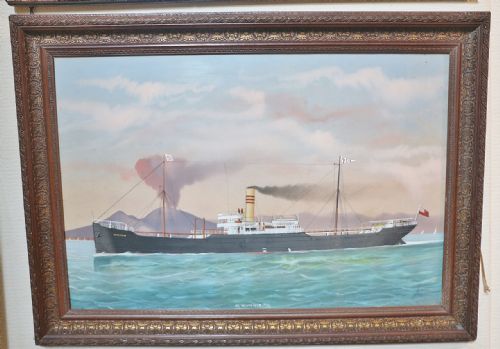
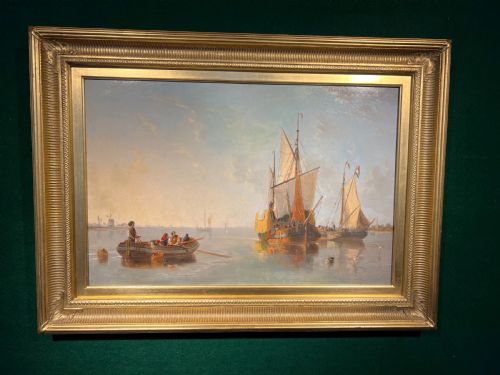
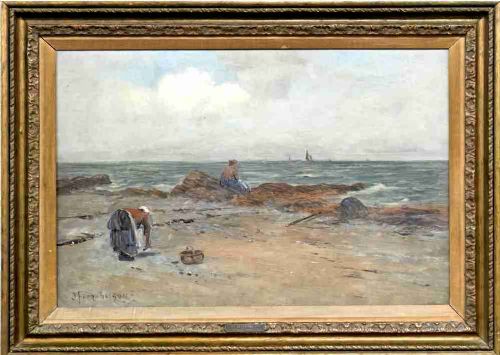
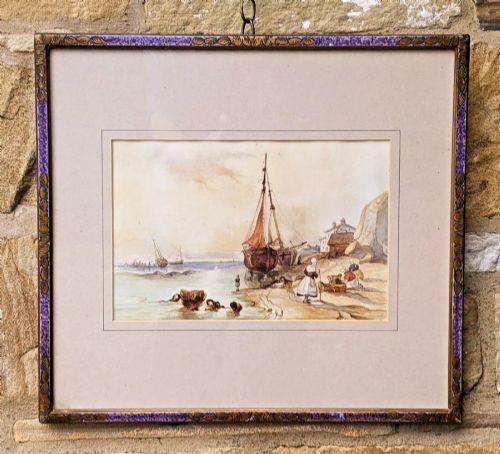
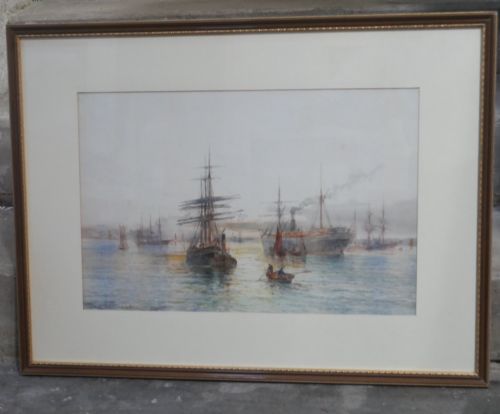
When you search for an antique coastal picture, you encounter framed paintings and watercolours depicting harbours, fishing boats, shipping lanes, and rugged shorelines. The majority originate from the Victorian and Edwardian eras, reflecting a deep nineteenth and early twentieth-century preoccupation with maritime life, trade, and leisure by the sea.
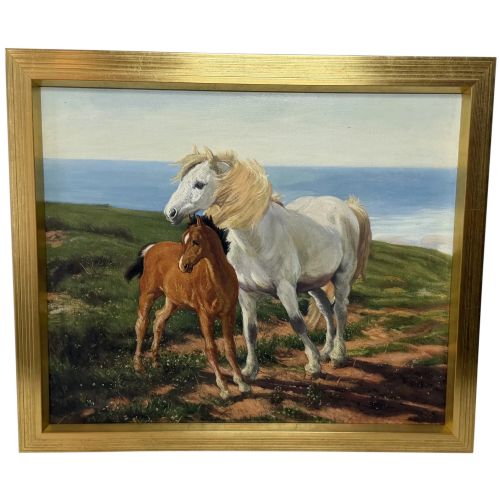
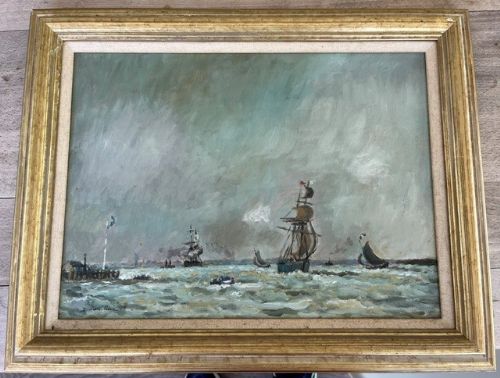
You will frequently meet works on paper using watercolour pigments alongside oils rendered on canvas and board. These range from intimate depictions of Yorkshire and Scottish fishing villages to grand French and Italian marine scenes produced by regional schools and named artists.
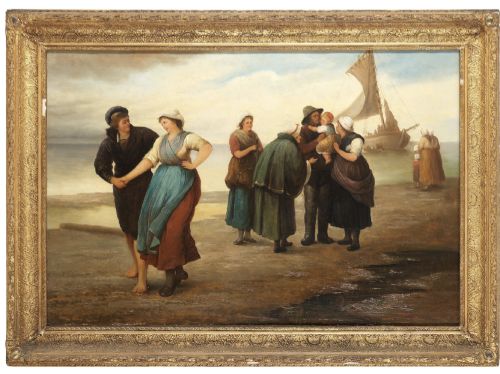
The selection encompasses diverse geographical viewpoints, from Cornish cliffs and Dorset bays to Normandy ports and open waters. Each piece captures a specific moment in maritime history, whether through the motion of clippers making for home or figures gathered quietly on a beach.
How they were made
Artists painted these works primarily using watercolour pigments on paper or oil on canvas stretched over wooden frames, often securing the completed artwork behind glass within ornate gilt wood frames. The choice of medium dictated the character of the piece, allowing watercolourists to achieve translucent atmospheric effects over paper while oil painters built up rich textures of sea and sky on canvas.
Surviving examples frequently retain their original period frames, which utilise moulded gesso and gilt wood to complement the maritime subject matter. The physical construction combines traditional stretcher frames for canvas works with protective backing boards and mounts for delicate paper watercolours.
Listings feature paper, canvas, and wood, spanning watercolours and oil paintings from the nineteenth and twentieth centuries.
What varies in quality
Quality in these works rests upon the artist's command of light, atmosphere, and maritime architecture, distinguishing casual topographical sketches from masterly observations of weather and tide. Superior examples demonstrate a confident handling of water, rigging, and coastal atmosphere that brings immediacy to the scene.
The physical preservation of the paper, canvas, and frame heavily influences the standing of a piece. Works that retain their vibrant pigment without excessive fading, coupled with period gilt wood frames in sound condition, represent the higher tier of the surviving record.
William Cannon·Edward Mills·Thomas Maidment·John Wilson Carmichael·Joseph Farquharson·George Stanfield Walters·John Moxon·William Frederick Settle·Alfred George Morgan·John Bedloe Goddard·Charles Napier Hemy·William Lee Hankey·Gustave De Bréanski·Sir Thomas Newenham Dean·Arthur Tucker·Eugene Joseph Verboeckhoven·Fred Waugh·John McDougal·James Watson·T.S. Wallis·C Caldwell·William Raymond Dommersen·K. Teesdale
The Antique Coastal Picture Glossary
- Watercolour
- A painting method where fine pigment is suspended in a water-based solution and applied to paper. It creates luminous washes that suit atmospheric depictions of sea mists and coastal light.
- Oil on canvas
- Pigment mixed with drying oil applied to a woven fabric surface stretched over a wooden frame. This technique allows for heavy impasto and deep tonal gradations ideal for turbulent seas.
- Gilt wood
- Wood coated with a thin layer of gold leaf or metallic powder, commonly utilised on nineteenth-century picture frames. It adds a warm reflective border that enhances the colours within the painting.
- Seascape
- A work of art depicting the sea, coastal views, ships, or marine subjects. It forms the primary genre found across this selection of historic paintings.
Antique Coastal Picture: Frequently Asked Questions
What subjects appear in antique coastal pictures?
These works depict a wide variety of maritime scenes, including bustling fishing harbours, sailing ships in open water, and quiet shorelines. Artists recorded local working life from Whitby and Cornwall to Normandy and the Mediterranean.
Views range from detailed documentary records of specific vessels and docks to romantic nineteenth-century interpretations of the sea, capturing everything from calm estuaries to stormy coastal waters.
How do I identify the period of a coastal painting?
Dating relies heavily on the painting style, costume of any figures present, and the framing materials. Victorian and Edwardian works often display specific techniques in brushwork and palette characteristic of late nineteenth-century British and European schools.
Signatures, dates inscribed on the reverse, and original gilt wood frames also provide reliable clues to the exact decade of creation between the early nineteenth and mid twentieth centuries.
Where were these maritime paintings created?
The pieces originate from studios and coastal locations across Britain, France, and Italy. Artists travelled to active ports and scenic fishing villages like Staithes, Whitby, and Honfleur to paint directly from life.
Regional art schools and individual painters captured both familiar local coastlines and distant waters, reflecting the Victorian and Edwardian passion for travel and maritime trade.
How should I care for antique watercolours and oils?
Preservation requires keeping works away from direct sunlight to prevent the fading of watercolour pigments and the yellowing of old varnish on oil paintings. Stable indoor humidity levels protect both the paper supports and the wooden frames.
Displaying pieces behind appropriate glass safeguards delicate watercolours from airborne dust and moisture, while oil paintings on canvas benefit from occasional gentle dusting with a soft brush.