



Antique Coal Scuttle Box
An antique coal scuttle box brings solid Victorian and Edwardian craftsmanship to the fireside, storing fuel with practical elegance.
Antique Coal Scuttle Box
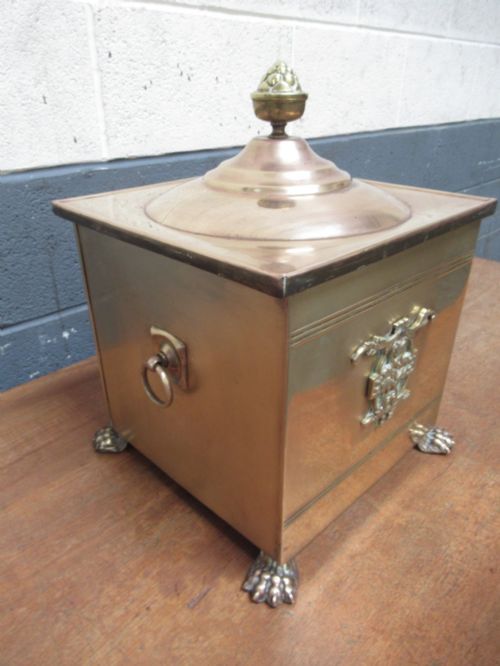
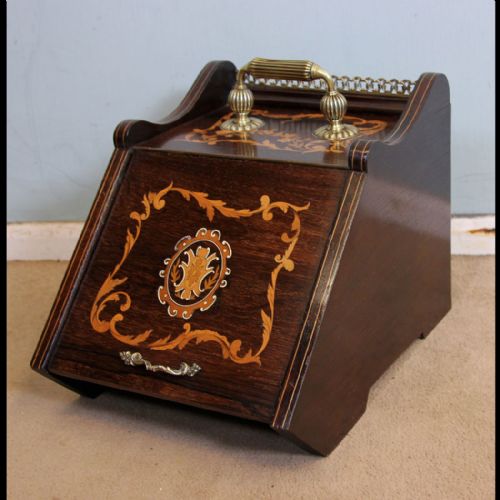
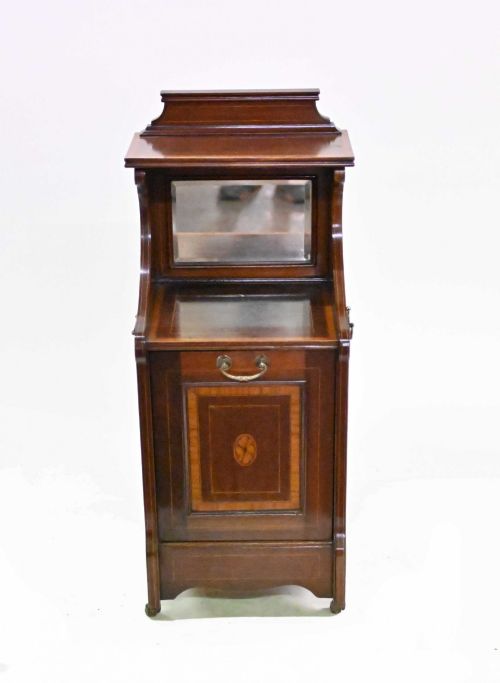
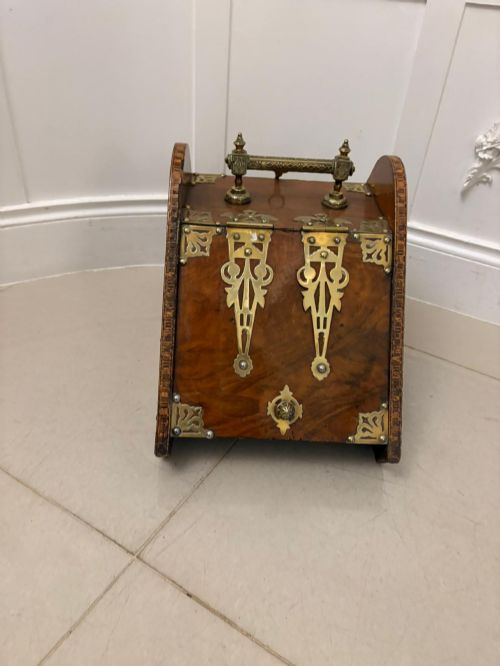
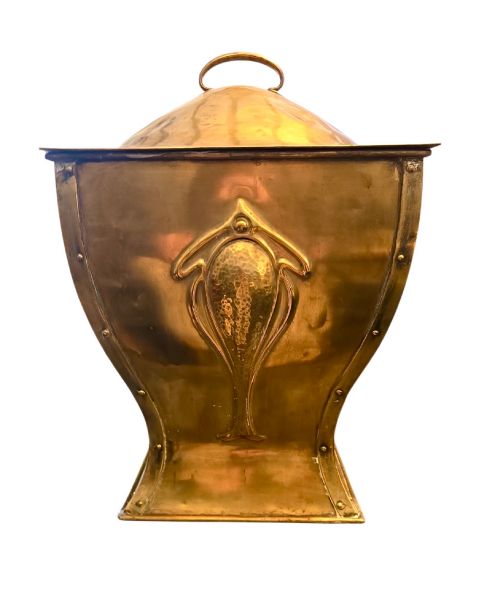
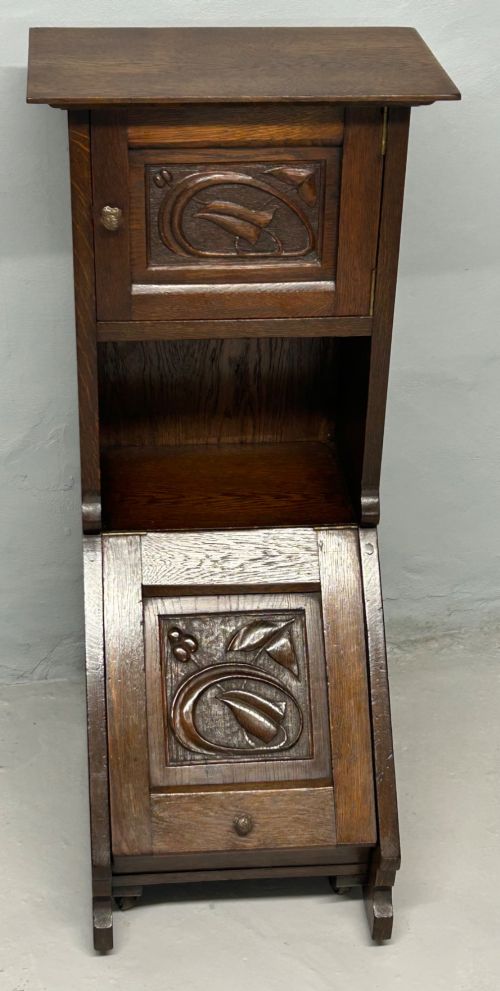
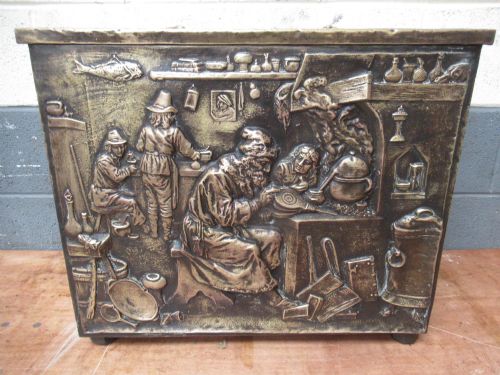
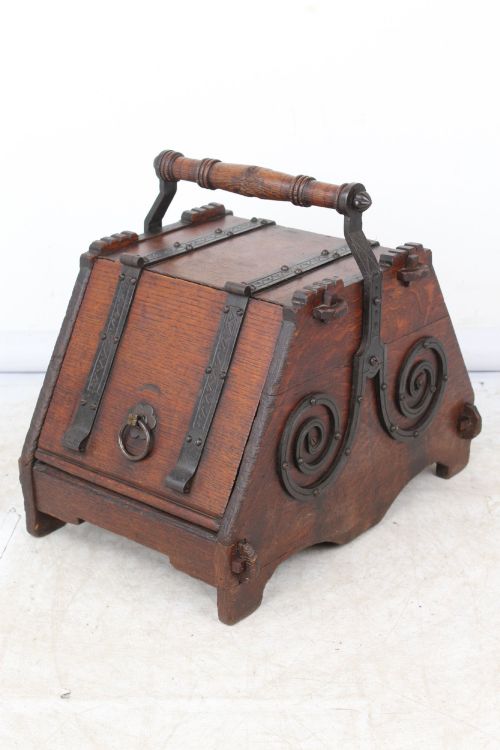
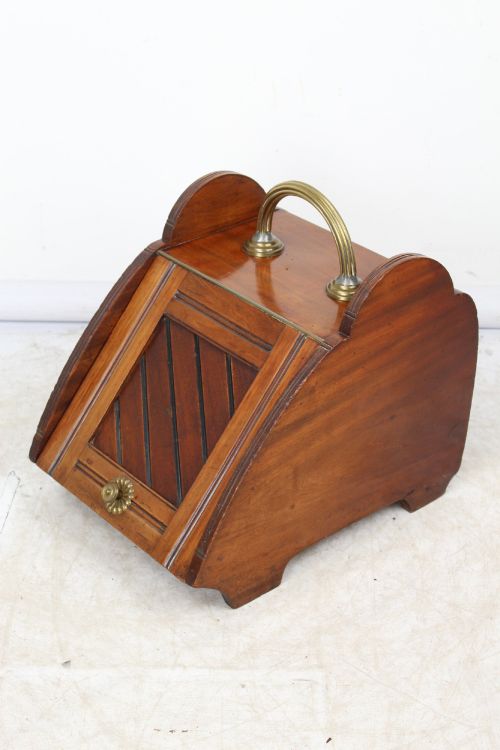
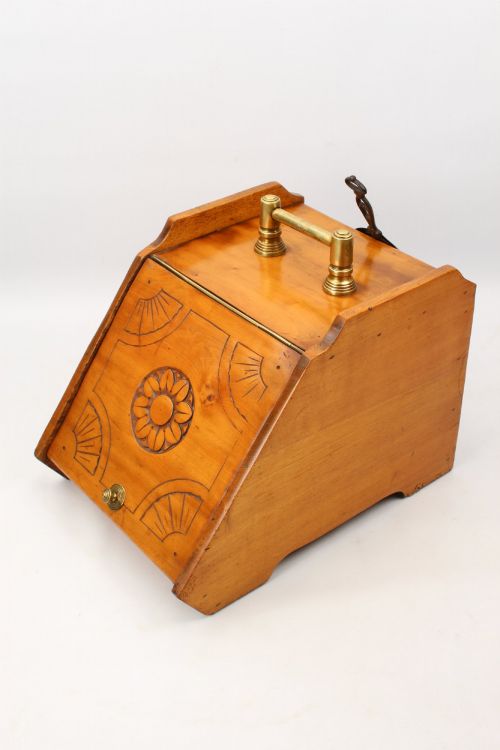
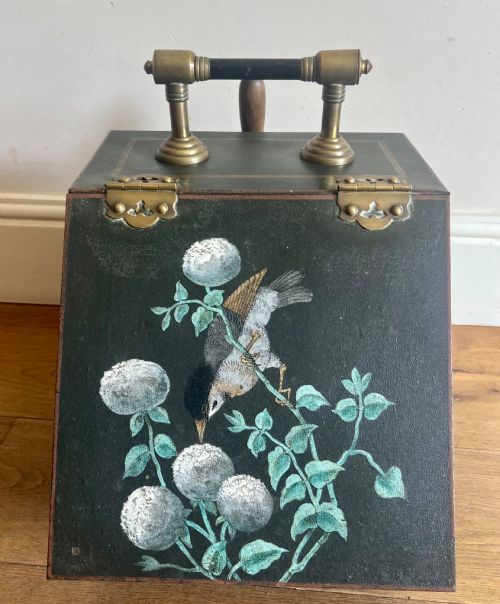
When searching for an antique coal scuttle box, collectors encounter a range of functional fireside vessels designed to hold solid fuel beside the hearth. The forms vary from traditional sloped-front wooden boxes and purdoniums to gleaming brass helmets and cylindrical bins dating predominantly from the Victorian and Edwardian eras.
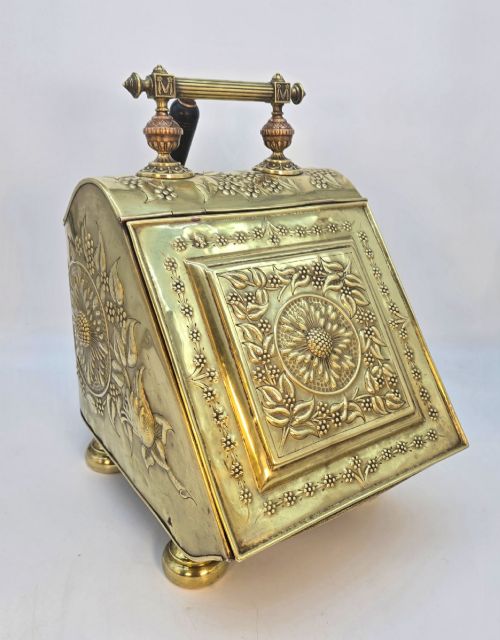
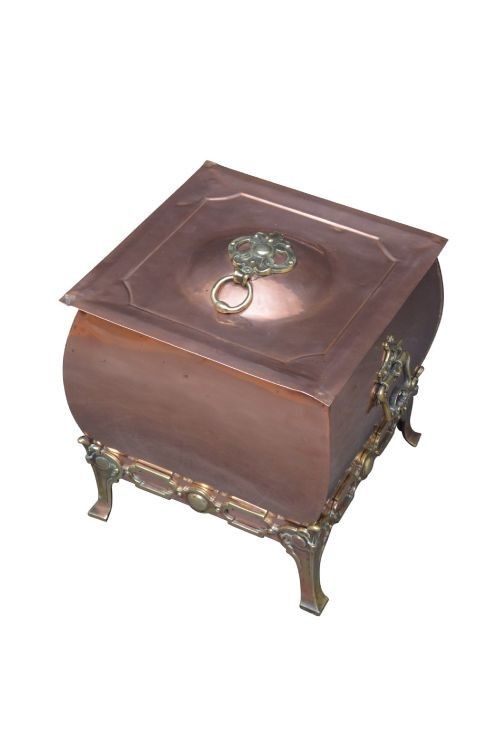
Wooden examples frequently utilise timbers like oak, mahogany, and walnut, often featuring carved panels or brass mounts. Metal versions rely on polished brass and copper, sometimes displaying Arts and Crafts or Art Nouveau detailing from the late nineteenth and early twentieth centuries.
Materials and construction
Cabinetmakers constructed wooden coal boxes and purdoniums using sturdy hardwoods, incorporating internal metal liners to catch debris and protect the timber from damp fuel. Dovetailed joints and brass carrying handles provided the necessary durability for daily fireside use.
Metal vessels utilised hand-beaten brass and copper, frequently paired with iron fixings and ceramic or wooden knobs. Skilled artisans employed spinning and riveting techniques to shape helmets and buckets, adding embossed decoration or strapwork in the manner of the Arts and Crafts movement.
Antique Coal Scuttle Box Retail Price Guide 2026
Typical asking prices for coal scuttle box among the pieces listed under this phrase on Sellingantiques today, from the lower quarter to the upper quarter. They describe what is for sale here now, not the wider market.
Distinctions in quality
Superior examples separate themselves through heavier gauge metals, thicker timber boards, and the retention of original matching shovels and metal liners. Finely carved wood panels or intricate repoussé metalwork indicate workshop production of higher standing.
Design sophistication distinguishes standard utilitarian coal containers from notable decorative pieces. Incorporation of identifiable stylistic elements, such as aesthetic movement brass mounts or inlaid rosewood surfaces, elevates an ordinary hearth accessory into a considered interior furnishing.
BENHAM AND FROUD·Christopher Dresser
The Antique Coal Scuttle Box Glossary
- Purdonium
- A specialised cabinet or box for coal featuring a sloping front flap and a hinged lid, popular in Victorian homes. It typically houses an internal metal scuttle or liner for easy fuel transport.
- Coal Helmet
- A metal vessel shaped like a classical helmet with a wide flared mouth and a raised handle at the back. This form allows steady pouring of fuel directly onto the fire.
- Liners
- The removable metal inserts fitted inside wooden coal boxes to contain soot, coal dust, and moisture. Original liners add authenticity and protect the surrounding wood.
- Arts and Crafts
- A design movement emphasising handcraftsmanship, simple forms, and honest materials. Pieces from this tradition often feature hammered copper surfaces and strap hinges.
Antique Coal Scuttle Box: Frequently Asked Questions
What is a purdonium?
A purdonium is an enclosed wooden coal box featuring a sloping front door and a shovel compartment. It emerged during the Victorian period to keep hearth fuel neatly concealed.
These cabinets usually contain a removable metal liner that lifts out for refilling. The design keeps coal dust off the carpet while sitting quietly beside the fireplace.
How do I clean brass coal scuttles?
Polished brass items require gentle dusting and occasional cleaning with a mild, non-abrasive metal cleaner. Avoid scrubbing stamped decoration or removing historic patination.
Maintaining the original surface finish preserves the character developed over decades of fireside use. Uncoated brass naturally darkens over time if left unpolished.
Did these boxes hold coal only?
While designed primarily for household coal or anthracite, many examples served to store logs and kindling. Larger cylindrical bins functioned equally well as umbrella stands or plant planters.
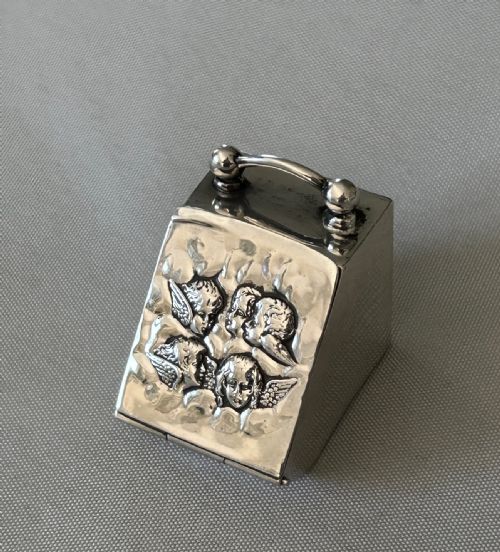
Smaller novelty versions even appeared in silver as thimble cases or ring boxes. The sturdy construction suited any heavy domestic storage requirement.
How do I date an antique coal box?
Dating relies upon timber selection, hardware construction, and stylistic motifs associated with specific decades. Victorian examples often display heavy carved oak or walnut, while Edwardian pieces lean towards inlaid rosewood and lighter proportions.
Arts and Crafts or Art Nouveau brasswork points towards the late nineteenth or early twentieth century. Original metal liners and matching shovels help confirm a piece remains complete.