
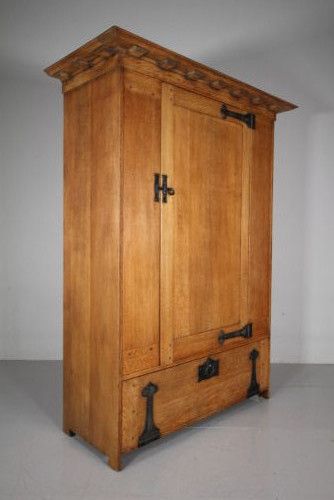
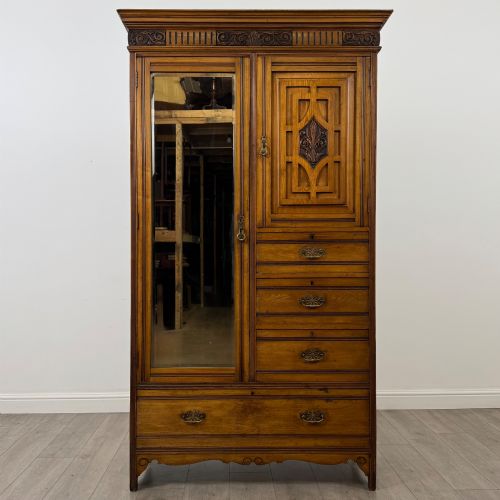
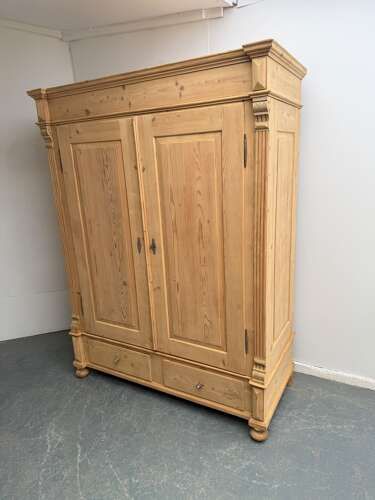
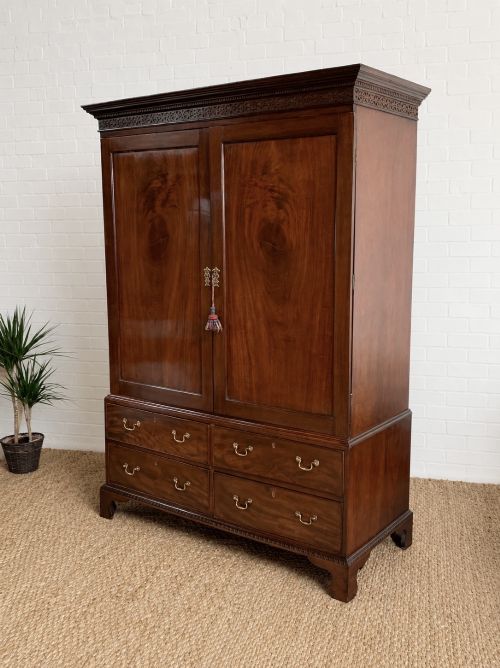
Antique Clothes Press Drawers
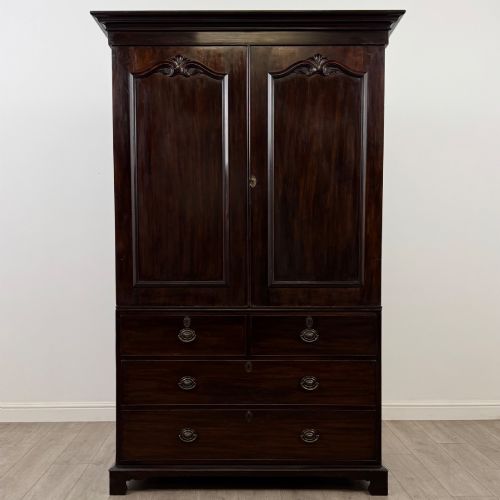
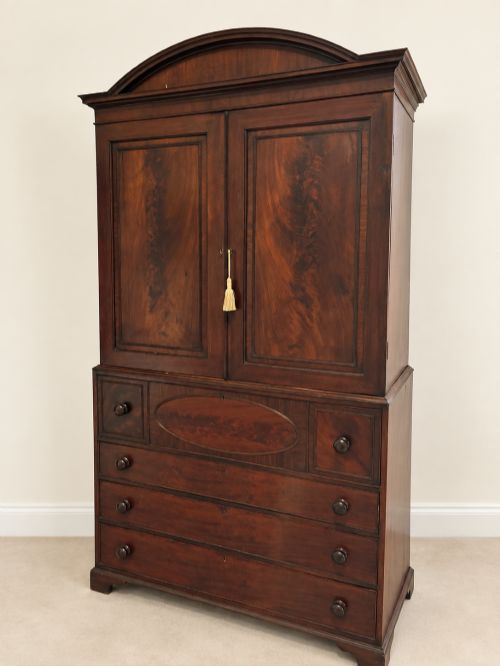
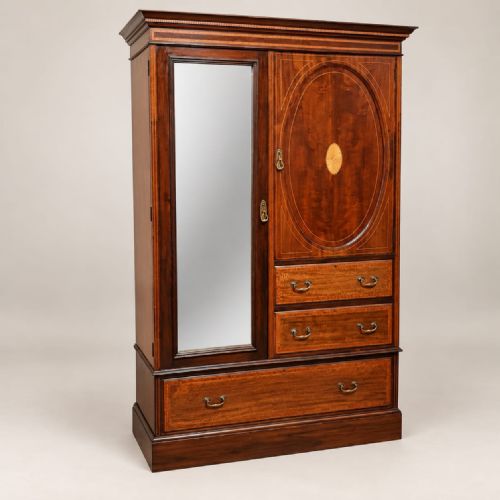
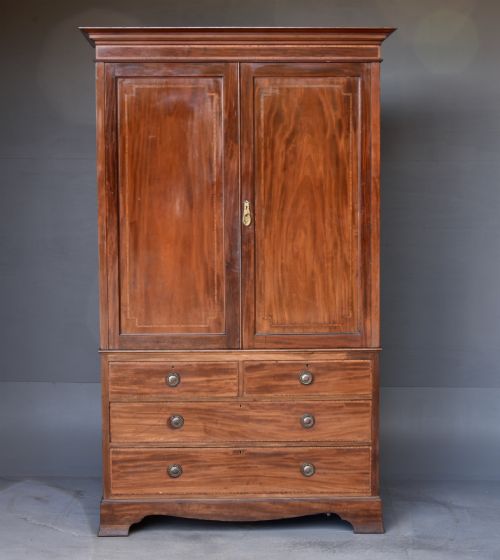
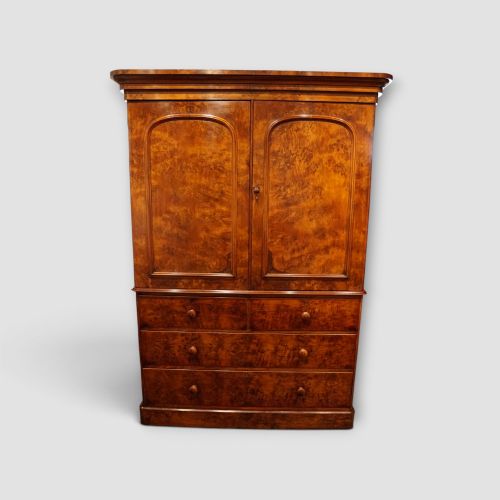
These antique clothes press drawers combine architectural hanging space with deep chest storage, offering serious presence and utility for any bedroom.
Antique Clothes Press Drawers
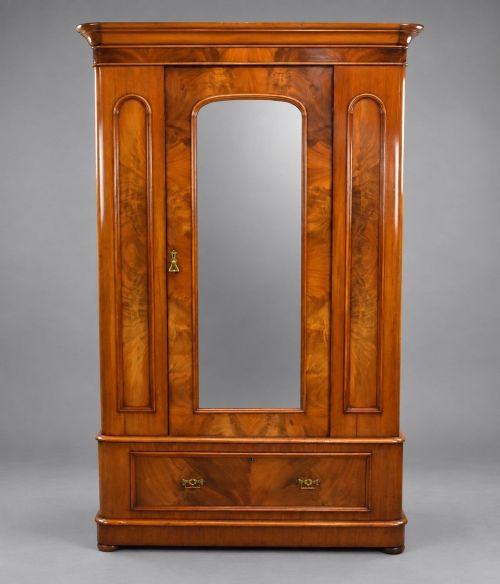
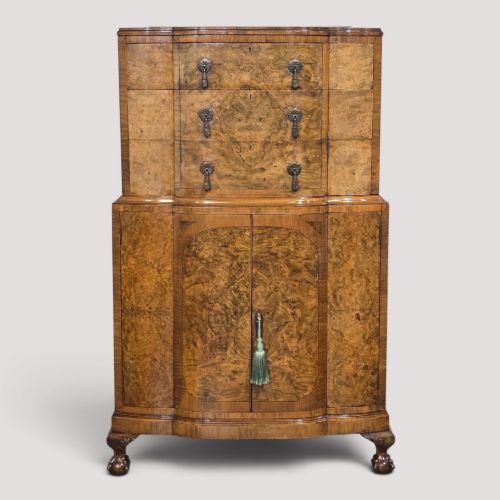
When you search for antique clothes press drawers, you encounter substantial storage furniture designed to hold folded linens and garments alongside hanging apparel. The pieces appearing here span from the 18th century through the early 20th century, encompassing Georgian, Victorian, and Edwardian periods.
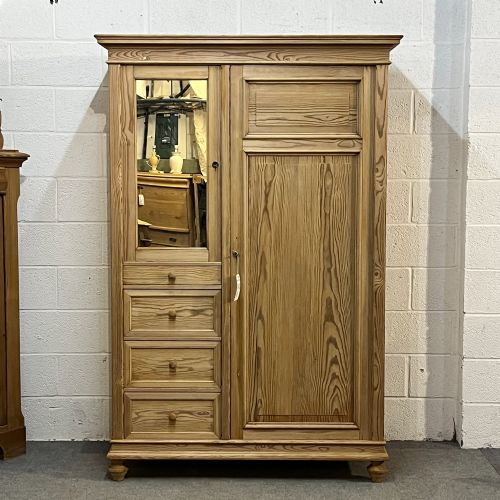
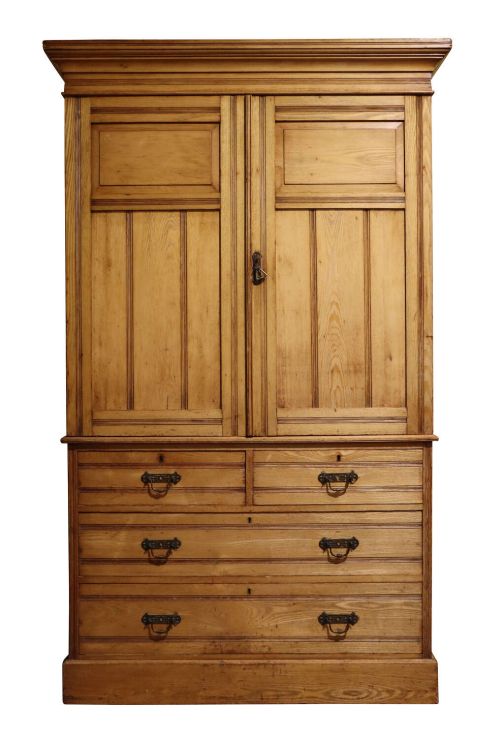
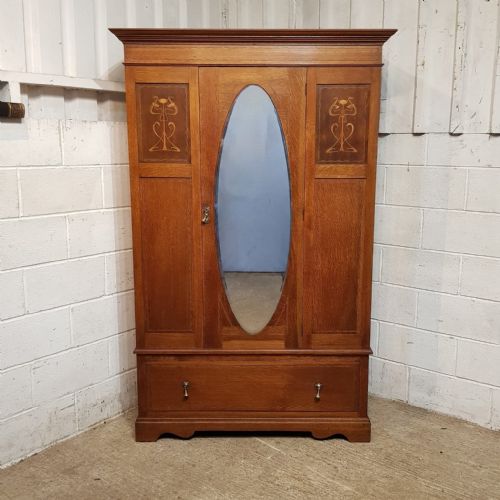
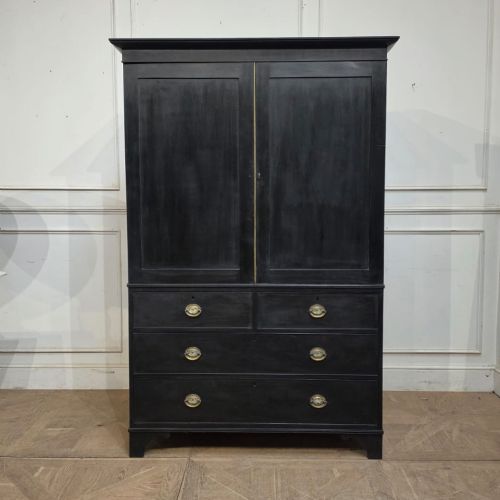
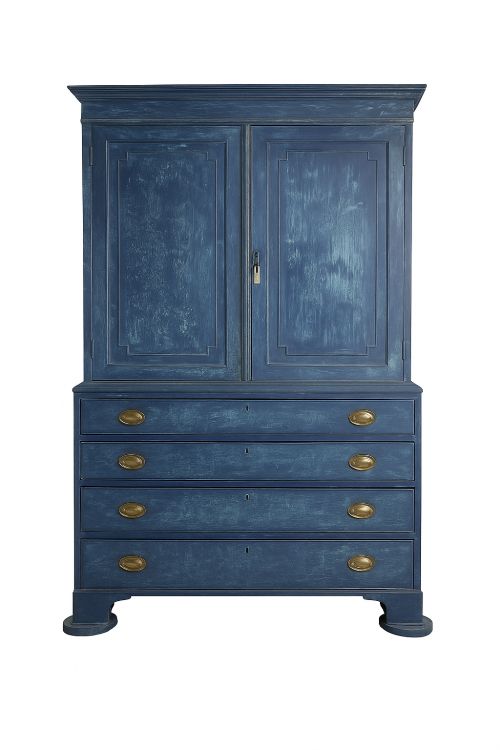
The form typically divides into an upper cupboard section enclosed by doors and a lower base fitted with horizontal drawers. Variations range from grand mahogany linen presses to compact pine wardrobes featuring a single bottom drawer.
Stylistic expressions shift from the formal blind fretwork cornices of Georgian examples to robust Arts and Crafts oak designs and painted country pine versions. Buyers will frequently meet wardrobe and compactum formats that integrate these traditional press elements.
Materials and Construction
Cabinetmakers utilised dense timbers such as mahogany, oak, and walnut, often selecting Cuban mahogany or burr walnut for prominent display surfaces. Secondary structural elements and vernacular pieces frequently employ solid pine or ash.
Construction techniques include traditional hand-cut dovetailing for drawer boxes and framed panel doors that accommodate wood shrinkage. Higher-end pieces incorporate decorative inlays, ebonised details, and carved cornices alongside brass hardware and glass mirrors.
Listings feature woods spanning mahogany, pine, oak, ash, satinwood, and walnut across Georgian, Victorian, and Edwardian periods.
Assessing Quality and Proportion
Quality reveals itself in the selection of timber figures, such as matched burr walnut veneers or finely grained mahogany panels. The crispness of carved cornices and the precision of inlaid stringing distinguish workshop-produced furniture from simpler vernacular items.
Proportion and scale dictate the visual weight of the piece, with better examples maintaining balanced drawer depths and door heights. The integration of interior linen slides, original brass handles, and stamped maker attribution further elevates the standing of individual presses.
maples & co·Heals·HARRIS LEBUS·Gillows
The Antique Clothes Press Drawers Glossary
- Compactum
- A multi-functional wardrobe combining hanging compartments, drawers, and shelving within a single unified case. This format gained popularity during the late 19th and early 20th centuries.
- Tallboy
- A tall chest of drawers consisting of a double chest stacked vertically. It provides substantial vertical storage with a relatively small floor footprint.
- Cornice
- The moulded projection that crowns the top of a cabinet or press. Georgian and Victorian examples often display dentil work or blind fretwork carved directly into this upper timber.
- Blind Fretwork
- Carved ornamentation applied to furniture surfaces to imitate pierced lattice work without cutting completely through the wood. It is commonly found on mid-Georgian mahogany cornices.
Antique Clothes Press Drawers: Frequently Asked Questions
What is a clothes press?
A clothes press is a tall storage cabinet that combines upper shelving or hanging space with a chest of drawers in the lower section. It evolved to store freshly laundered household linens and folded garments before modern wardrobes became standard.
These pieces typically separate into distinct upper and lower sections for easier transport and placement in historic homes.
How do I date a linen press?
Dating relies on timber selection, structural joinery, and prevailing decorative styles across different eras. Georgian pieces often feature solid mahogany with bracket feet, while Victorian examples show heavier proportions and burr walnut veneers.
Edwardian and later iterations introduce ash, oak, and compactum formats with mirrored doors or simpler Arts and Crafts lines.
Do these wardrobes dismantle?
Many larger examples were constructed as knockdown or sectional units to facilitate movement between rooms. These pieces use internal bolts, tongue-and-groove joints, or peg systems rather than permanent glue.
Listings often specify whether a particular double wardrobe or press dismantles for transport.
Where should I place a press?
These substantial cabinets require generous wall space and ceiling height, particularly Georgian and Victorian models with deep cornices. They function best in bedrooms or dressing rooms where their combined drawer and hanging capacity can be fully utilised.
Keep them away from direct heat sources to protect historic timbers and wood veneers from drying out.