





Antique Clock Signed
An antique clock signed by its maker brings centuries of individual craftsmanship and recorded heritage directly into a room.
Antique Clock Signed
When you search for an antique clock signed, you encounter a diverse range of horological instruments bearing the personal inscription of the maker or retailer. These pieces span centuries of design, reflecting the distinct technological and aesthetic priorities of their eras.
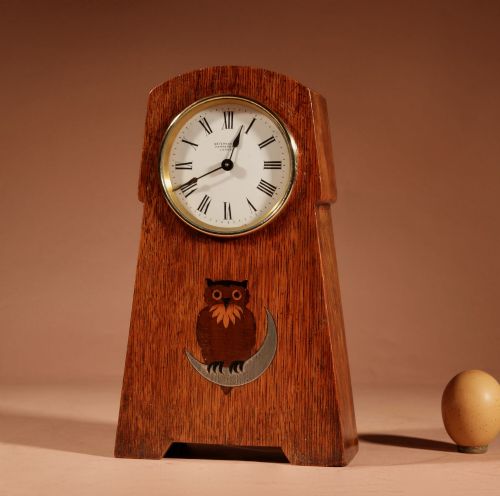
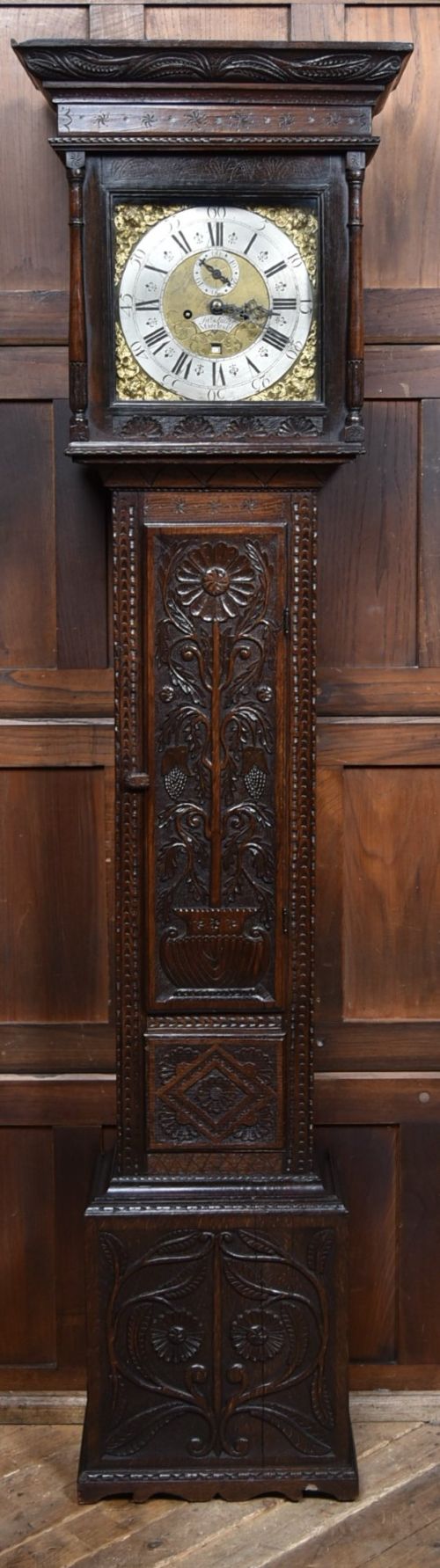
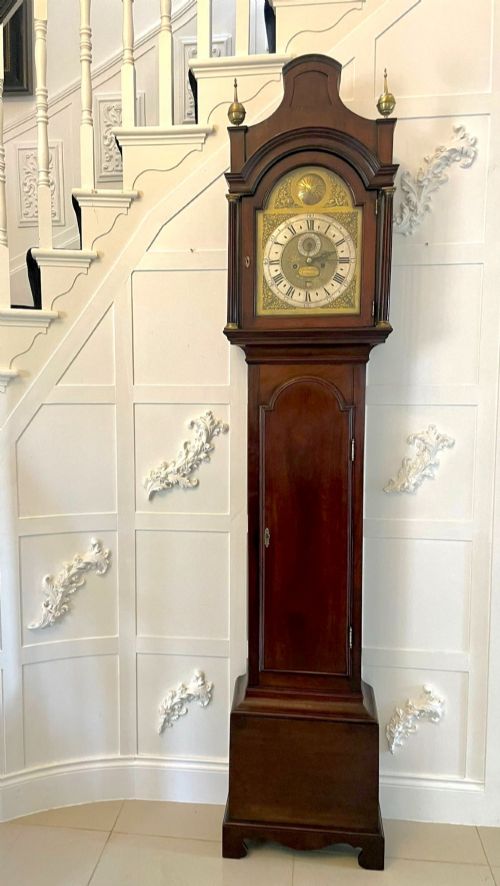
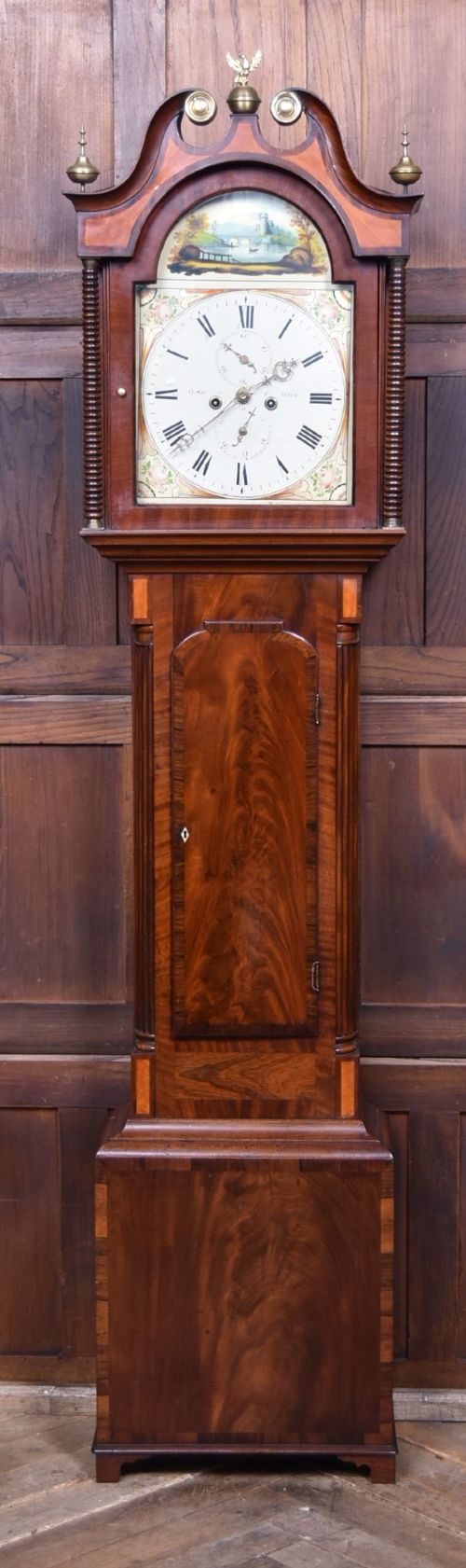
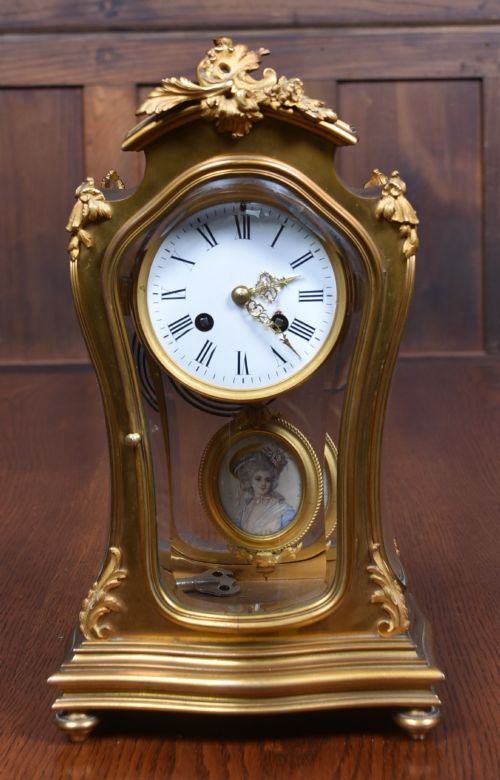
The selection on this page frequently centres on tallcase timepieces, including George III mahogany longcases and oak longcase clocks created by regional and London makers. Alongside these floor-standing pieces, you will find mantel clocks, wall dials, and carriage clocks bearing signatures on dials, movements, or miniature enamel panels.
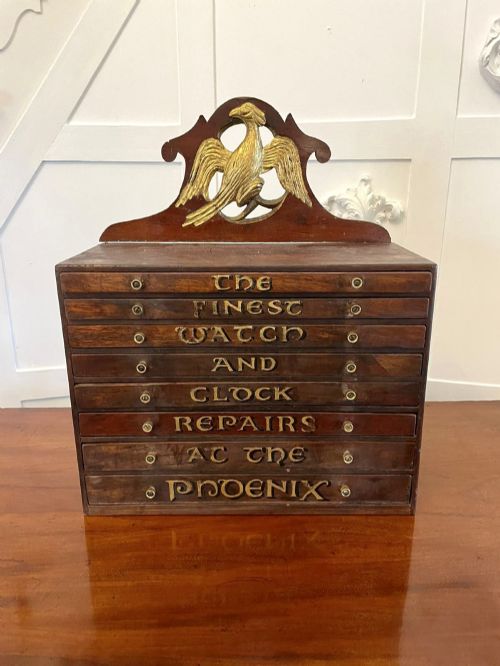
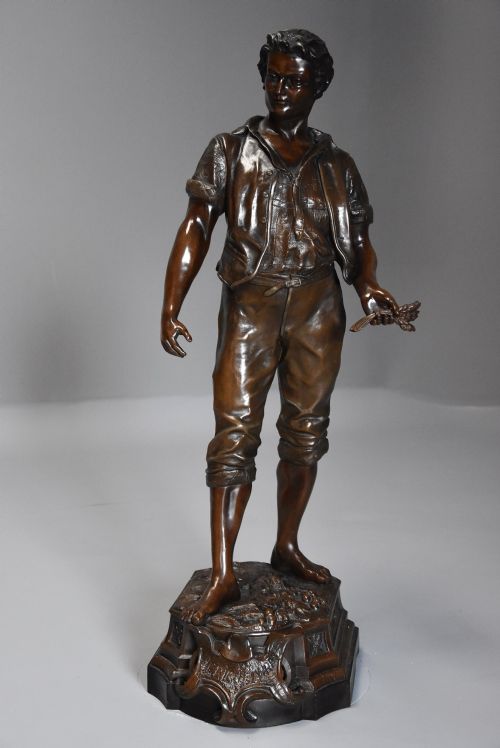
Beyond traditional timekeepers, the selection extends to related signed objects and advertisements, such as bronzed spelter figures with artist signatures, trade signs, and specialised repairers chests. The common thread is the presence of a distinct signature, which anchors the piece to a specific hand, workshop, or retailer.
Materials and construction methods
Cabinetmakers utilised robust hardwoods such as mahogany, oak, and walnut to house delicate brass and iron movements, often incorporating fine veneers and inlay work. Longcase and wall clock cases demand precise joinery to protect the internal weights and pendulums from environmental changes while maintaining structural balance over decades of operation.
Internal mechanisms combine brass wheels, steel pinions, and glass viewing panels, occasionally complemented by intricate bronze or spelter cast figures and enamel dials. Master horologists and casters shaped these metals by hand, cutting gear teeth and finishing plates individually to ensure accurate timekeeping and durable mechanical performance.
Antique Clock Signed Retail Price Guide 2026
Typical asking prices for clock signed among the pieces listed under this phrase on Sellingantiques today, from the lower quarter to the upper quarter. They describe what is for sale here now, not the wider market.
Factors distinguishing quality
The distinction between ordinary and exceptional pieces rests upon the crispness of the signature engraving and the original integrity of the movement. A cleanly signed dial coupled with untampered mechanical components elevates a piece significantly above examples with heavily worn or replaced internal parts.
Cabinet work also dictates overall merit, as finely figured mahogany veneers, subtle marquetry, and well-preserved brass dial furniture reveal the original tier of production. Pieces that retain their matching garniture sets, original glass panels, or documented maker attribution command greater appreciation among collectors.
Charles Shuckburgh·D. Straiton·Jn° Smith·Tait·F.Milliot·Odo·Rodier·Brunelot·B H A·John Denbigh·L. Morris·P.M.Favre·Josef Herzog·Smiths of London·McCabe·Henry Smith·Pearson & Price·Henry Massy·Francois Moreau
The Antique Clock Signed Glossary
- Longcase clock
- A tall, weight-driven timekeeper housed in a wooden floor-standing case, commonly referred to as a grandfather clock. These instruments often display the maker's signature prominently on the brass or painted dial face.
- Fusee
- A conical pulley used in spring-driven clocks to equalize the diminishing power of the mainspring as it unwinds. This mechanism ensures consistent torque is delivered to the gear train for improved accuracy.
- Garniture
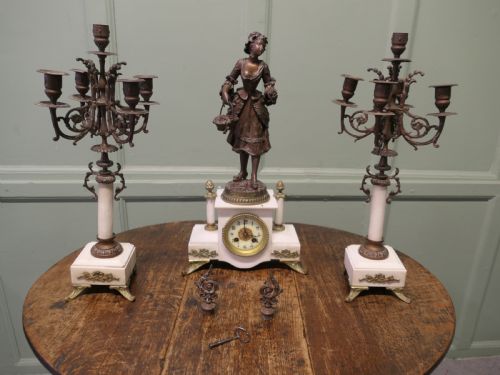
- A set of ornamental objects designed to match a mantel clock and be displayed together on a fireplace shelf. These sets frequently include flanking urns, vases, or figural bronzes executed in a unified style.
- Spelter
- An alloy of zinc used widely in the nineteenth century as a less expensive alternative to bronze for casting figures and clock mounts. It was typically given a bronze-coloured or painted finish to simulate heavier metals.
- Dial
- The face of the clock where the hours and minutes are indicated, often signed by the maker or retailer in script lettering. Dials can be constructed from engraved brass, silvered metal, or painted iron.
Antique Clock Signed: Frequently Asked Questions
What does a signed clock mean?
A signed clock bears the name of the horologist, maker, or retailer inscribed directly onto the dial, movement backplate, or case. This signature serves as a historical record of responsibility for the piece's creation or retail distribution.
Signatures help researchers trace the geographical origin and active working dates of the maker. Finding a clear signature adds significant documentary interest to the timepiece.
How do I identify eighteenth century longcase clocks?
Eighteenth century longcase clocks typically feature square or arched brass dials, heavy oak or mahogany floor-standing cases, and weight-driven movements. The proportions are generally robust and functional, reflecting the domestic architecture of the Georgian period.
Maker signatures from this era are frequently engraved in script across the centre or bottom of the brass dial plate. Movement construction involves hand-cut gear wheels and pendulum suspensions that require careful setting up.
Where were carriage clocks used?
Carriage clocks were originally designed as portable timepieces for travellers during the nineteenth century, housed in brass-framed glass cases to protect the movement. Wealthy individuals packed them in specialised leather travel cases for journeys by coach or train.
By the Victorian era, they transitioned into decorative mantel ornaments for domestic interiors. Their platform escapements allowed them to keep time reliably while resting on household furniture.
What is a clock garniture set?
A clock garniture set consists of a central mantel clock accompanied by two matching decorative side pieces, such as urns or figural sculptures. These matched groupings were popular in nineteenth century French interiors to create a symmetrical display on a mantelpiece.
The side pieces often echo the materials and decorative motifs of the central clock case, such as gilt bronze or marble. They were designed as decorative interior ensembles rather than functional timekeepers.