
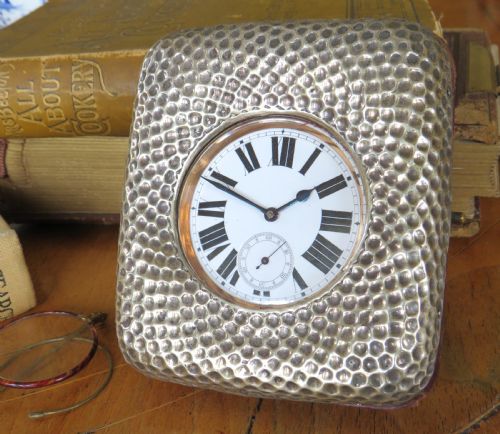

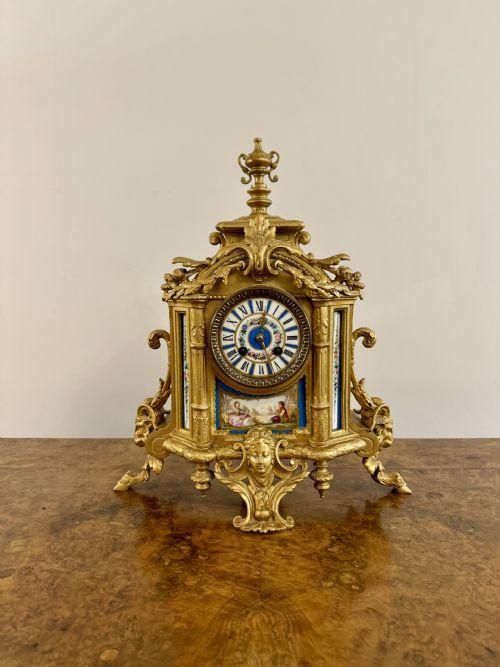

Antique Clock Hands
These antique clock hands are precise remnants of longcase and wall timepieces, offering a direct link to historic horology for collectors.
Antique Clock Hands
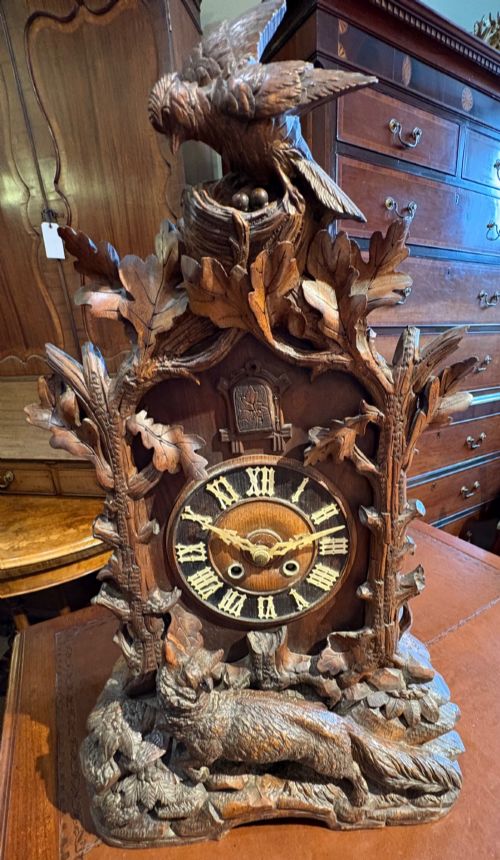
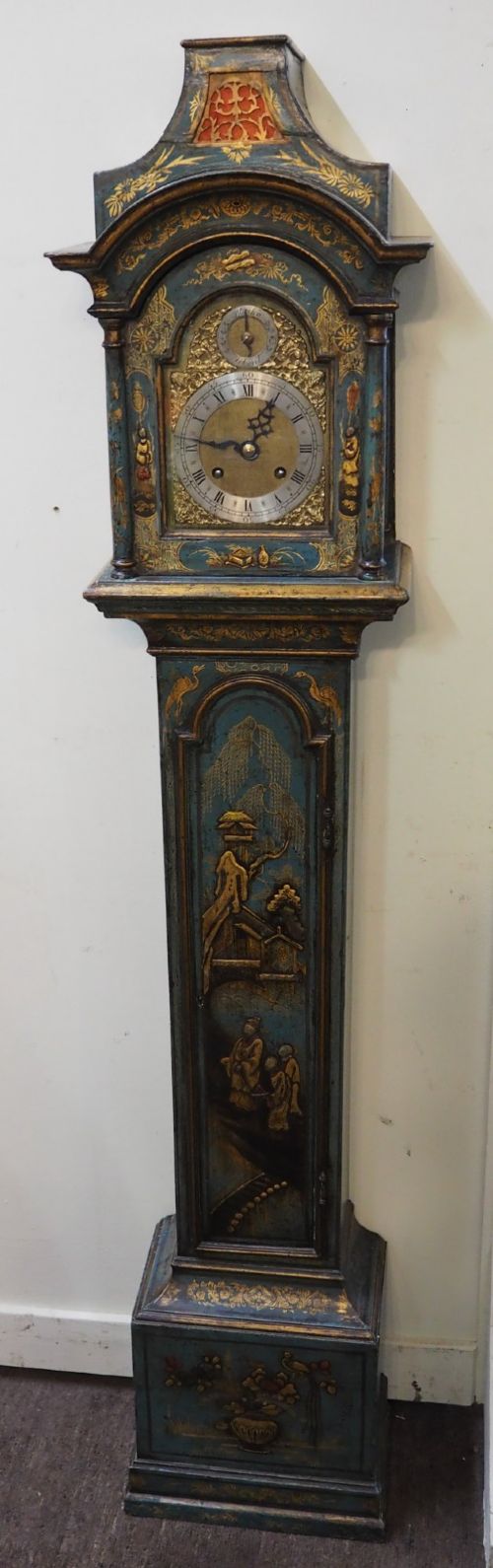
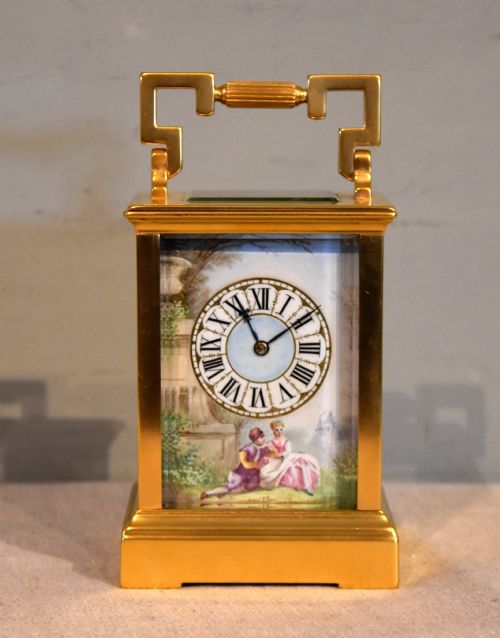
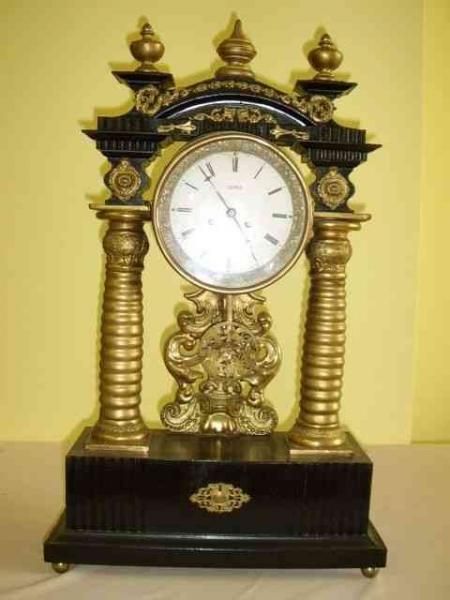
When you search for antique clock hands, you are looking at functional metal components salvaged or preserved from longcase, wall, and mantel clocks. The listings on this page reflect centuries of horological practice, with particular emphasis on Georgian and Victorian timepieces.
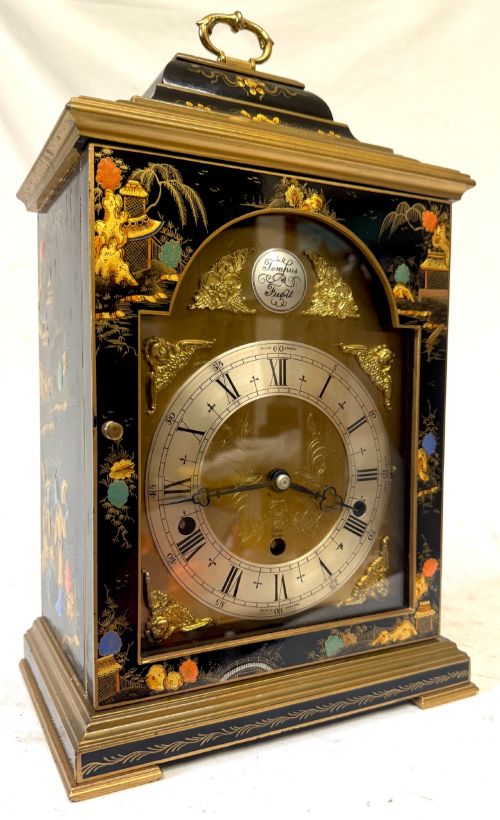
The version you are most likely to meet here includes copper and brass indicators designed for specific dial configurations, ranging from single-handed movements to complex moon dials.
How they were made
Makers fashioned these indicators primarily from metals such as brass and copper, utilising cutting and filing techniques suited to the period. Metalworkers shaped the raw stock by hand before finishing the edges for smooth rotation above the dial face.
Detailing on these pieces depended on the style of the clock, incorporating pierced work or counterbalanced designs to ensure the movement maintained accurate time without excessive weight.
Some single-handed clock indicators moved with such leisurely precision that owners relied on church bells for the minutes.
What varies in quality
Quality in these components is determined by the crispness of the filing and the integrity of the metal. Superior examples exhibit balanced proportions and clean piercing that reflect the skill of the original clockmaker.
Lower quality pieces often display crude alterations, replacement parts that do not match the period, or excessive wear around the arbor hole that compromises their fit.
Japy Freres·Edward Shepley·Benj Reeves·Peter Closon·James Ogden Senior·Bergen Co·PH Mourey
The Antique Clock Hands Glossary
- Arbor
- The rotational axis or shaft upon which the indicator is mounted. This central aperture must match the square or tapered pin of the movement.
- Counterbalance
- The heavier, often decorative section of the indicator opposite the pointer. It offsets the weight to prevent undue strain on the gear train.
- Moon dial
- A specialised calendar display showing the lunar phase. Indicators associated with these dials often feature intricate cutwork.
- Single-handed
- An arrangement typical of early clocks where one indicator tracks hours alone. This design required careful calibration of the motion work.
Antique Clock Hands: Frequently Asked Questions
How do I date antique clock hands?
Dating involves examining the metal composition, the filing technique, and the specific style of the pointer relative to known period movements.
Matching the design to documented clockmakers or regional patterns provides the most reliable chronological context.
Are these hands compatible with modern clocks?
Most antique indicators are sized for historical arbors and movements rather than contemporary mechanisms.
Fitting them to modern clocks often requires professional adjustment of the mounting hole.
What metals were used for these?
Makers predominantly utilised brass and copper for their durability and workability.
These metals resisted corrosion while allowing artisans to file intricate shapes.
How should I display loose clock hands?
Loose indicators are best mounted on custom archival backings or stored flat in controlled humidity environments.
Display cases with inert backing materials protect the delicate metalwork from handling damage.