
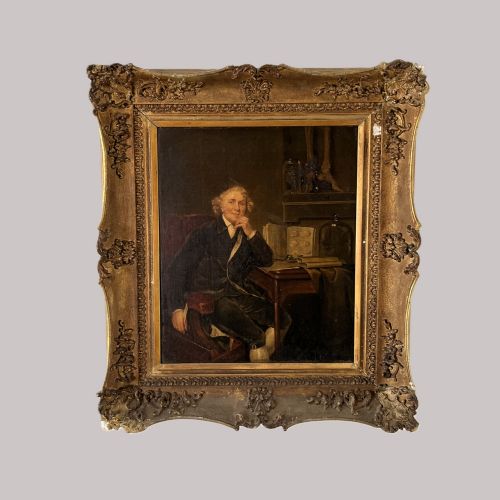


Antique Classical Portraiture
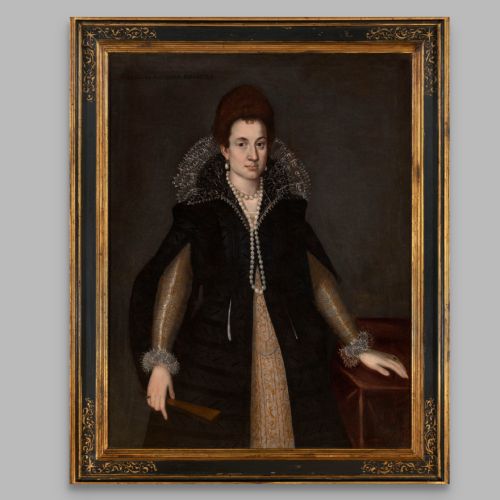
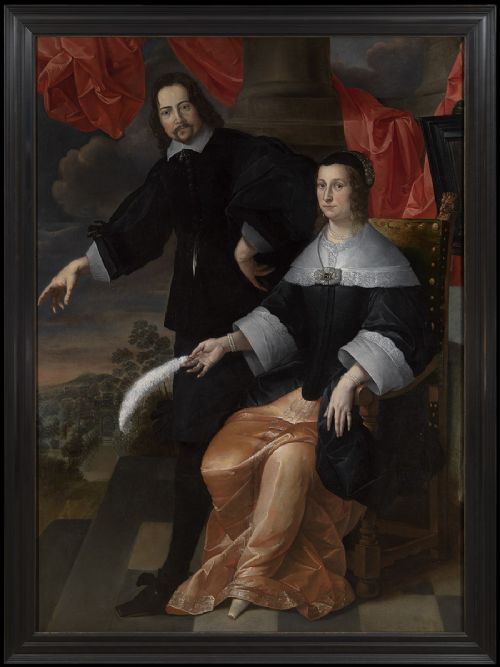
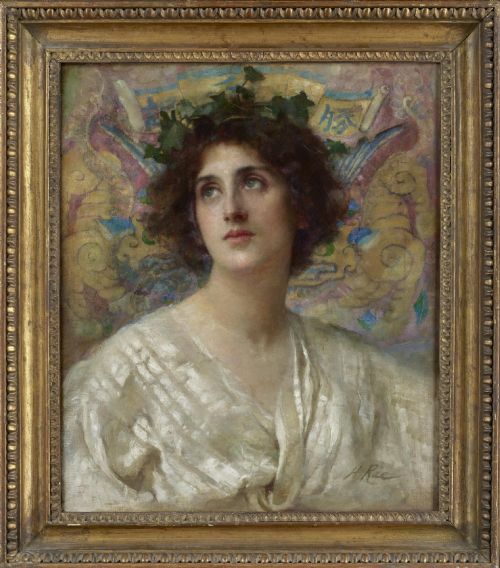
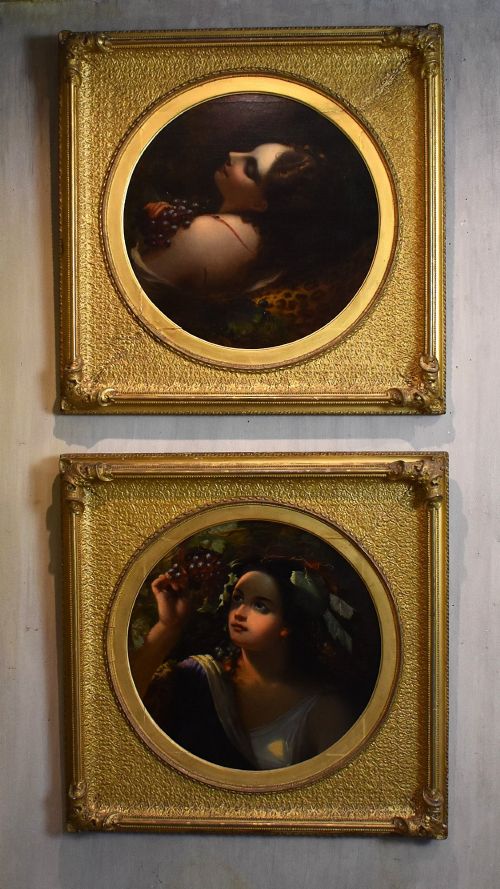
Antique classical portraiture brings the depth of historical character and refined brushwork into domestic spaces through enduring oil paintings and prints.
Antique Classical Portraiture
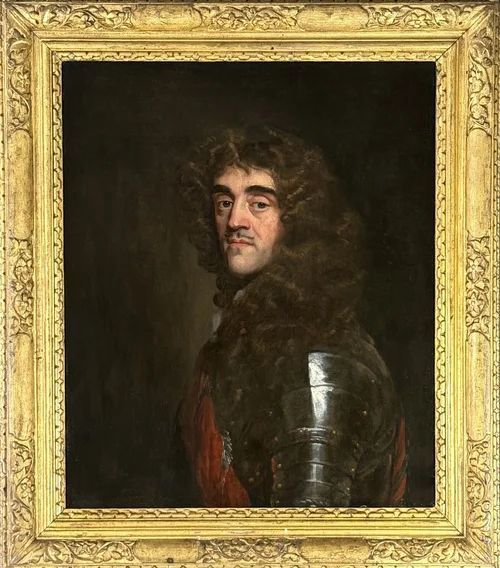
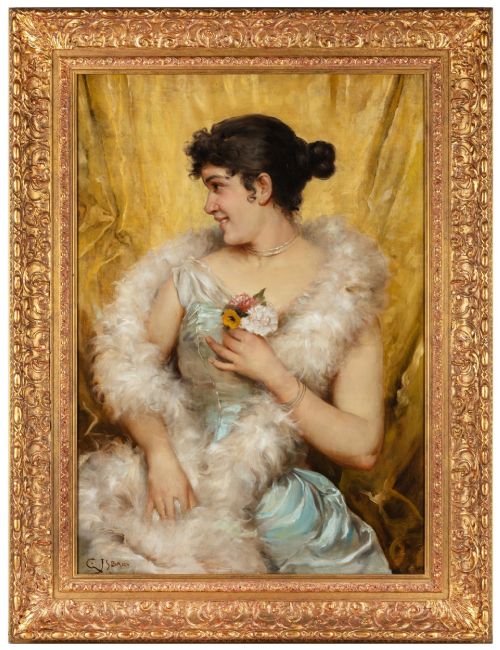
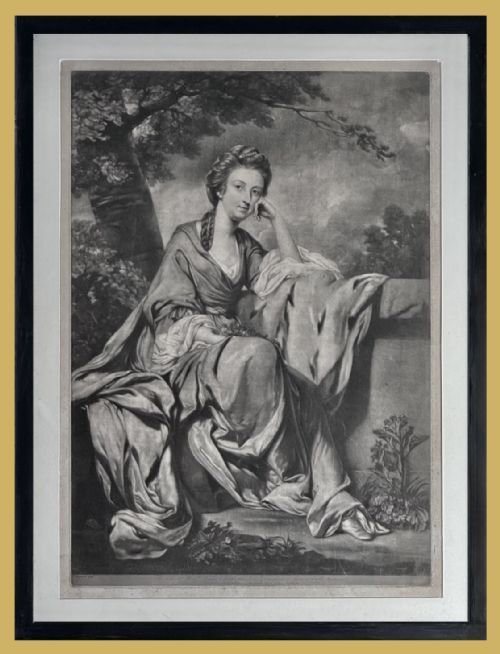
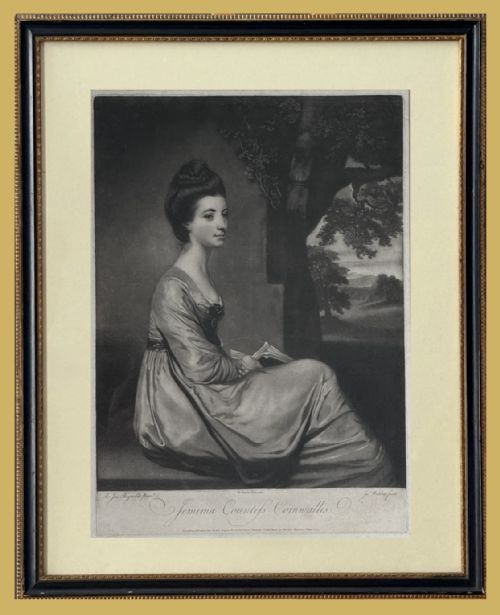
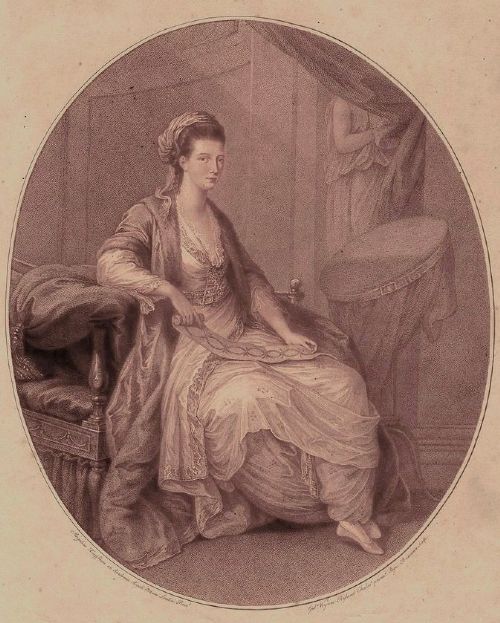
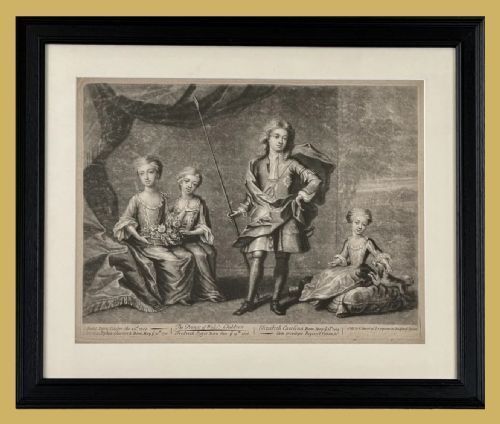
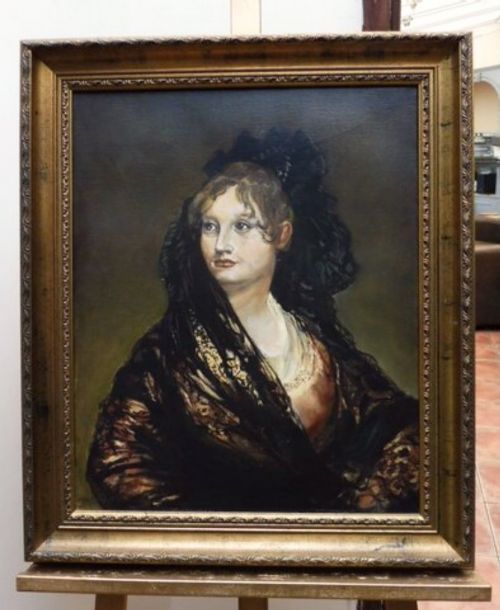
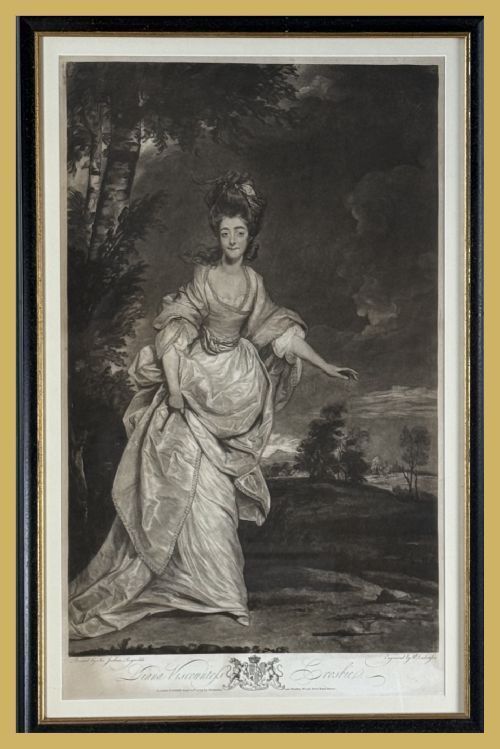
Buyers seeking antique classical portraiture encounter formal representations of sitters executed across several centuries, capturing aristocratic figures, family members, and historical personages. The selection spans the seventeenth, eighteenth, and nineteenth centuries, offering oil paintings on canvas or panel alongside period engravings and mezzotints.
Works attributed to regional schools sit alongside pieces produced in the style of prominent European portraitists, reflecting varied aesthetic currents from Baroque grandeur to Victorian romanticism. Most examples on this page are oil paintings, complemented by printed portraits that adapt celebrated canvases for broader circulation.
Materials and techniques
Painters utilised oil paint applied to prepared canvas or wood panels, building up rich tonal layers and delicate glazes to render fabrics and flesh with lifelike fidelity. Canvases are frequently housed within gilded wood or giltwood frames that complement the classical composition of the artwork.
Printmakers employed copper plates to produce detailed mezzotints and engravings on paper, translating complex oil paintings into monochromatic or tinted editions using fine hatching and scraping techniques.
Listings feature works spanning the seventeenth century to the mid-twentieth century, executed in oil on canvas, wood panel, and paper.
Distinctions in execution
Quality rests in the anatomical precision of the hands and face, the handling of drapery textures, and the psychological depth conveyed through the sitter's expression. Master works display confident draughtsmanship and sophisticated control of light and shadow, whereas lesser examples show stiffer brushwork and formulaic rendering.
The sophistication of the original composition and the skill of the translating printmaker determine the merit of paper editions, while the integrity of the support and the preservation of the pigment layers govern overall longevity.
Sir Joshua Reynolds·George Romney·Thomas Gainsborough·John Michael Wright·Franz Xaver Winterhalter
The Antique Classical Portraiture Glossary
- Mezzotint
- A printmaking process where the copper plate is roughened uniformly to achieve dark backgrounds, then scraped and burnished to create subtle tonal gradations. This technique allows for rich, velvety darks that suit theatrical portrait subjects.
- Panel painting
- A work executed on a flat piece of wood rather than stretched fabric. Panels offer a rigid, stable support favoured by artists working before the widespread adoption of canvas.
- Attributed to
- A term applied when a work shows the distinct characteristics of a specific master but lacks definitive documentation. It indicates strong stylistic evidence connecting the piece to a workshop or circle.
- Giltwood
- Timber treated with a thin layer of gold leaf or metallic powder applied over a prepared gesso base. It is commonly found on ornate period frames designed to enhance framed artworks.
Antique Classical Portraiture: Frequently Asked Questions
What defines antique classical portraiture?
These works are formal depictions of human subjects created during past centuries, drawing upon established academic traditions of European art. They capture the likeness and status of historical sitters through careful draughtsmanship and traditional oil or print media.
They reflect the shifting aesthetic priorities of periods from the seventeenth century through the Victorian era, utilising formal composition to convey character and social standing.
How do oil paintings differ from portrait prints?
Oil paintings are unique primary artworks created directly by an artist applying pigmented oil onto canvas or wood panels. Each brushstroke is singular, offering textural depth and layered colour.
Portrait prints, such as mezzotints and engravings, are multiple impressions pulled from a prepared metal plate. They were often produced to disseminate the likenesses of famous painted portraits to a wider audience.
How do you distinguish between original periods?
Dating relies on stylistic markers within the sitter's costume, the framing of the composition, and the physical characteristics of the canvas or panel. Seventeenth-century works often display Baroque drama, while eighteenth-century pieces favour refined elegance and Georgian poise.
Examinations of stretcher bars, framing methods, and the ageing of the ground layers provide further physical evidence for assigning a century or specific decade.
Where should these portraits be hung?
Classical portraits suit principal rooms where traditional furniture and restrained architectural details provide a complementary backdrop. They benefit from stable environmental conditions away from direct sunlight and excessive humidity.
Positioning them at eye level allows the viewer to engage properly with the scale and expression of the historical sitter.