
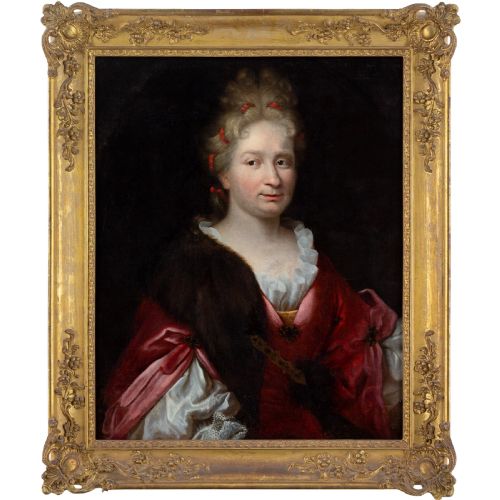
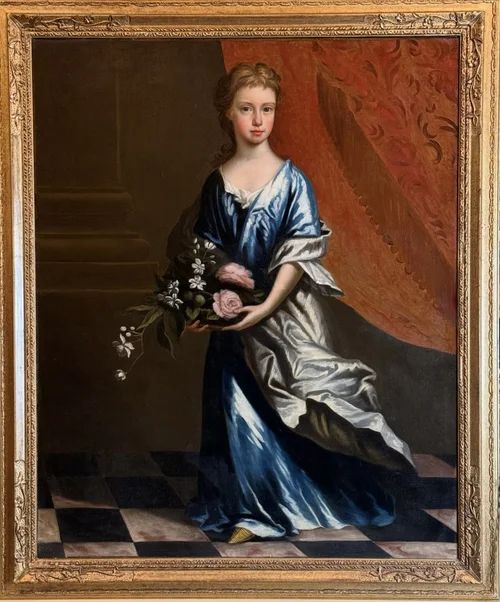
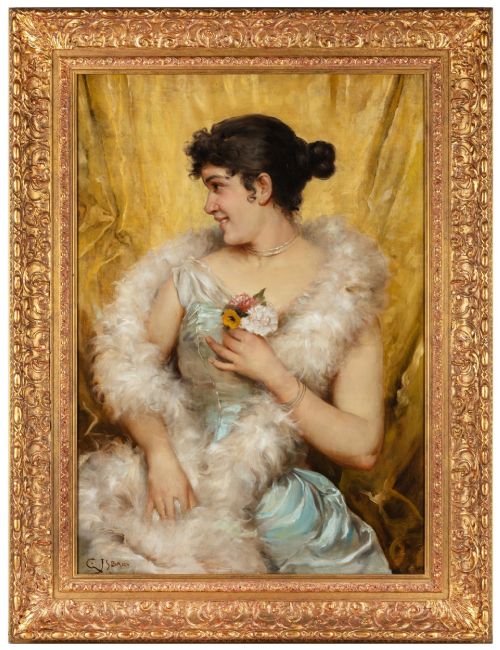
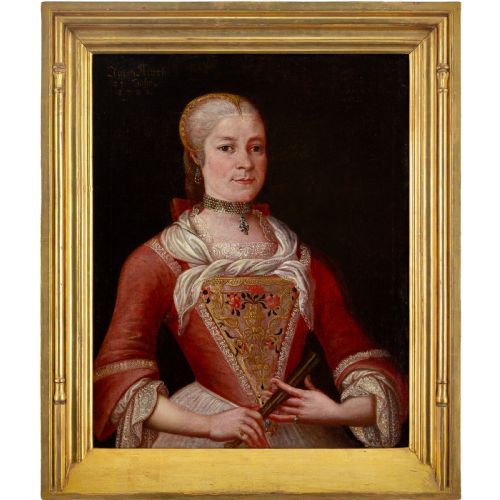

Classical Female Portrait Canvas
A classical female portrait canvas brings historical elegance into a room through oil paint rendered across centuries of distinct portraiture traditions.
Classical Female Portrait Canvas
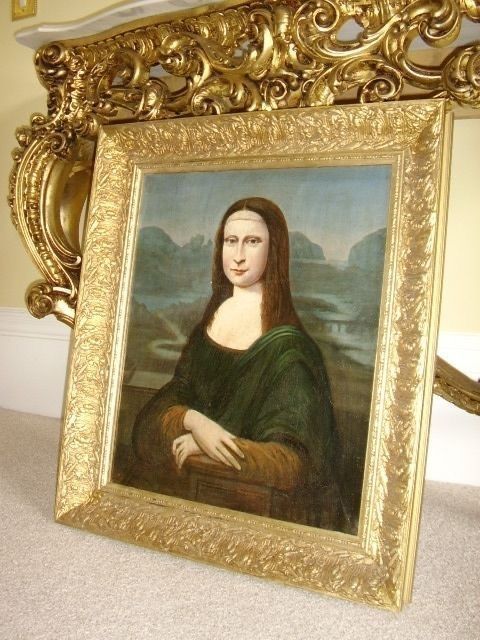
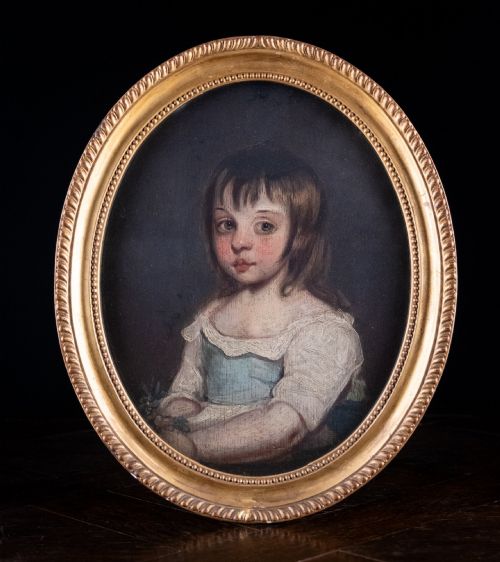
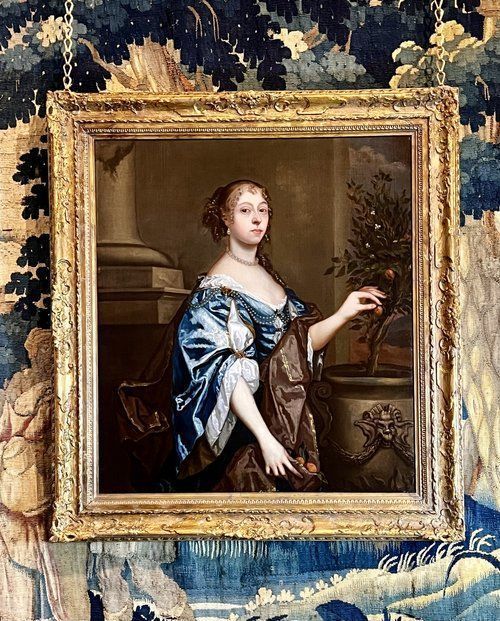
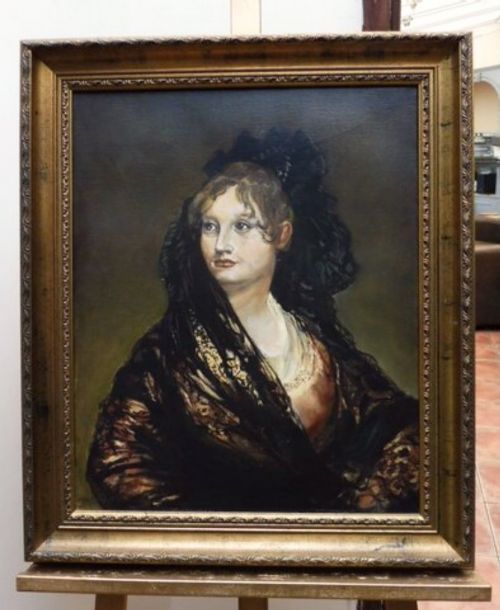
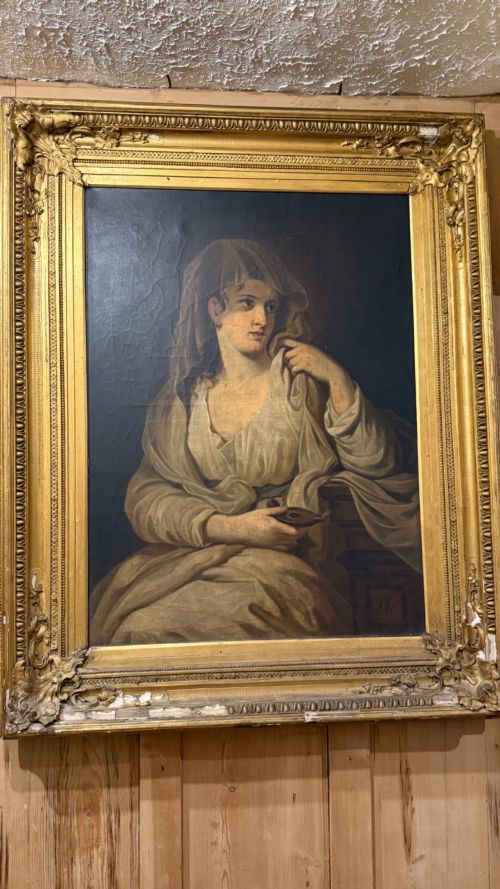
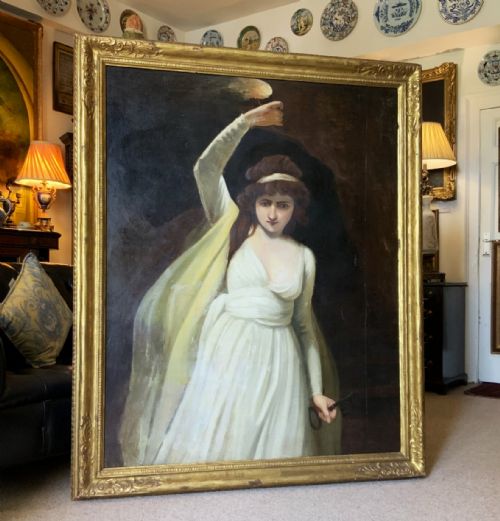
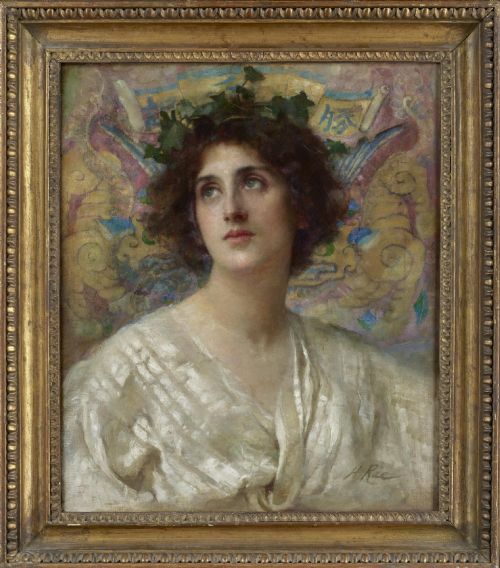
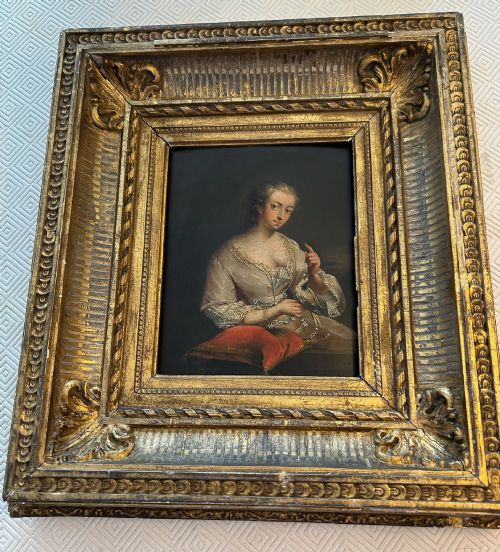
A classical female portrait canvas centres on depictions of women, ranging from grand 17th-century interpretations to 19th-century academic studies. Buyers searching this phrase encounter oil paintings created within European traditions, including works attributed to regional schools and followers of major masters.
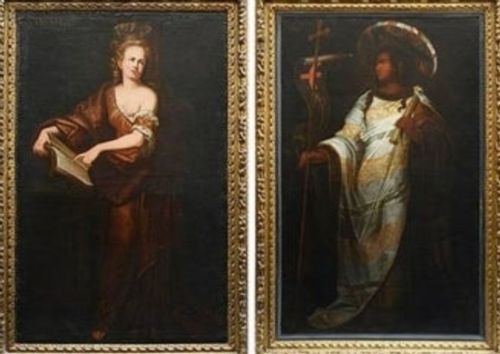
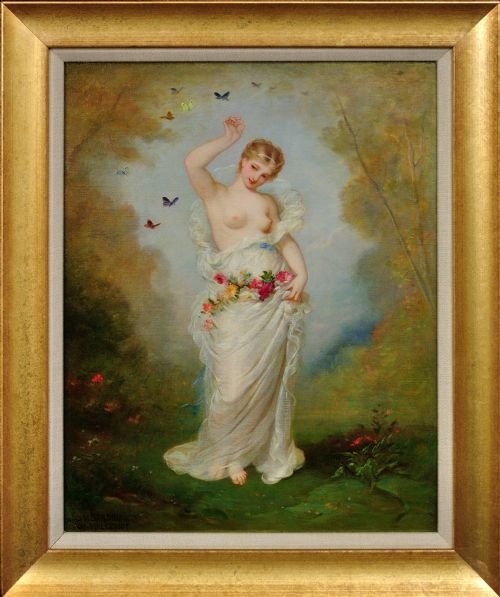
The selections span the 17th, 18th, and 19th centuries, alongside later pieces executed in historic styles like Baroque and French Academic. Subjects include mythological figures such as sibyls, goddesses, and local women captured in oil paint.
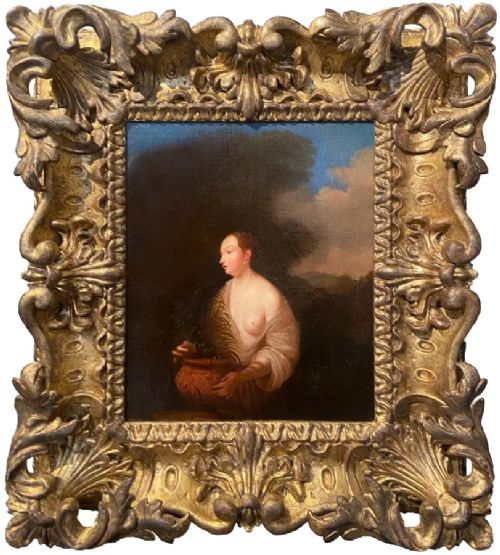
Most entries consist of framed canvases displaying subjects like young beauties, ladies with fruit or flowers, and historical personages. These works reflect the shifting portrait conventions of Georgian, Regency, and Victorian periods.
Materials and construction methods
The foundational medium for these artworks is oil paint applied to stretched canvas surfaces, allowing artists to build layered textures and rich colour depths. Frames accompanying the paintings frequently utilise wood, including giltwood and gilded wood finished with gold leaf.
Techniques range from studio output associated with established portrait painters to meticulous copies after masters like Leonardo da Vinci and Anthony van Dyck. Artisans and painters utilised traditional brushwork methods appropriate to periods spanning the Baroque era through to Victorian classicism.
A painted lady might hold oranges or a basket of fruit, bringing an enduring harvest indoors.
Factors defining execution and character
Quality in a classical female portrait canvas rests upon the precision of brushwork, the depth of expression in the subject's face, and the sophistication of the composition. Works executed by named artists or recognised circles display superior anatomical handling and fabric rendering compared to anonymous school pieces.
The integrity of the canvas support and the preservation of the original oil layers dictate the visual impact of the painting. Additionally, the craftsmanship of the surrounding gilt wood or gold leaf frame contributes to the overall standing of the piece.
G. J. S. Bary·Pieter Borsseler·Francisco José de Goya y Lucientes·Sir Allan Ramsay·Robert Byng·John Opie·Toussaint Gelton·Henrietta Rae·Jean-Baptiste Greuze·Jean-Baptiste van Loo·André Charles Voillemot·Thomas Edward Roberts·Nicolas Fouché·Jean-Marc Nattier·Thomas Gainsborough·Van Dyck·Fernand Jean Barbier·William Edward Frost·Sir Thomas Lawrence·Guido Reni·William Joseph Carroll·Guiseppe Mazzolini·Balthasar Denner
The Classical Female Portrait Canvas Glossary
- Oil on Canvas
- A traditional painting medium where pigments suspended in drying oils are applied to a woven fabric support. This combination permits subtle blending and luminous colour variations.
- Giltwood
- Wood that has been coated with a thin layer of gold leaf or powder. It provides ornate framing for historic portraiture.
- Circle of
- A designation indicating the artist worked during the same period and closely followed the style of a master, without necessarily being a direct pupil.
- Baroque
- An artistic style prevalent from the 17th century characterised by dramatic lighting, rich colour, and dynamic movement. Portraits from this period emphasise emotional intensity.
- Academic Style
- Art produced under the influence of European academies of fine art, adhering to strict standards of proportion, mythological themes, and polished technique.
Classical Female Portrait Canvas: Frequently Asked Questions
What periods do these paintings cover?
The listings encompass works from the seventeenth, eighteenth, and nineteenth centuries, along with pieces from the Victorian and Regency eras. Artists often adopted older classical or baroque conventions long after those periods ended.
Specific stylistic influences range from French Rococo and academic traditions to regional European schools operating across these centuries.
How were these portrait canvases framed?
Many paintings are housed in period frames constructed from wood, gilded wood, or giltwood featuring gold leaf applications. These frames range from simple wooden mouldings to ornate decorative designs suited to the artwork's era.
Original frames complement the aesthetic of the canvas, enhancing the visual presentation of the portrait.
Who are the subjects in these portraits?
Subjects include young ladies, country girls, historical figures, and mythological characters such as sibyls, nereids, and goddesses like Flora. Some portraits depict specific individuals documented by name, while others represent anonymous sitters or studies after famous masters.
Artists frequently used models to personify seasonal themes, virtues, or literary and mythological narratives.
How do I distinguish between an original and a copy?
Paintings described as "after" an artist, such as works after Leonardo da Vinci or Van Dyck, are period or later interpretations of famous compositions. Studio works or pieces by followers show the techniques and methods of a master's workshop rather than the primary hand of the master.
Examining the canvas texture, pigment maturity, and framing style helps determine the historical context of the execution.