

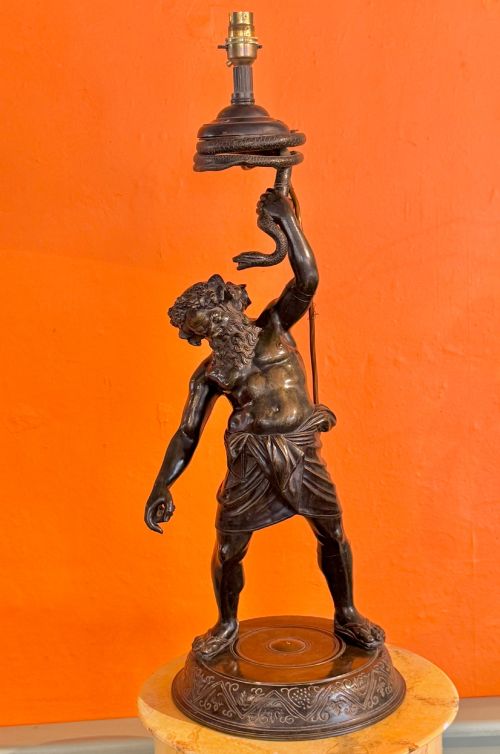
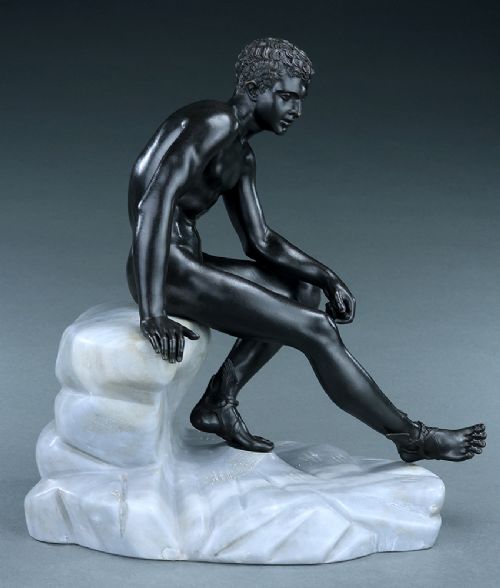
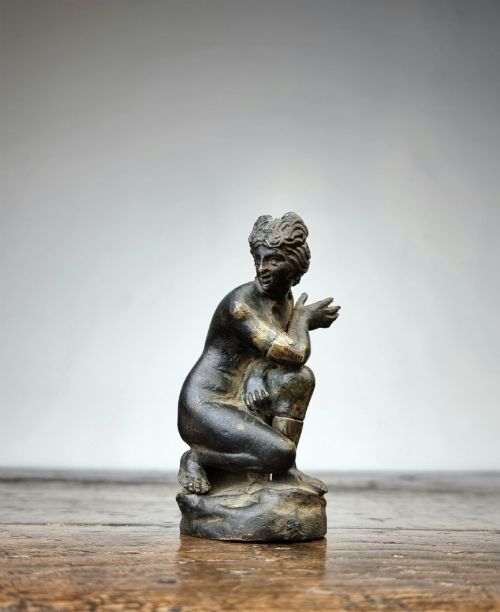
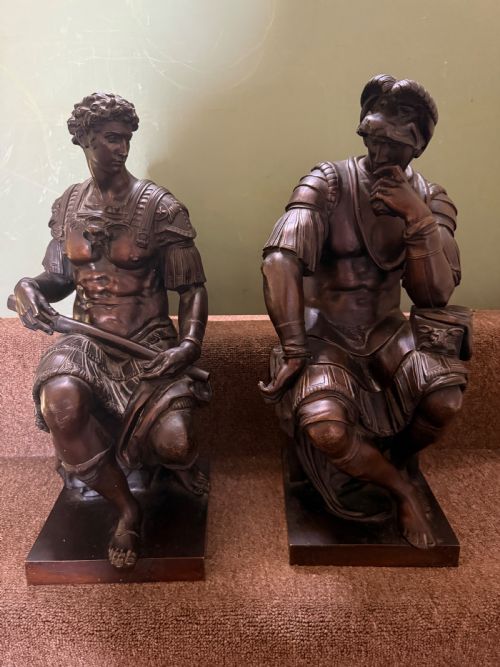
Antique Classical Desk Sculpture
Antique classical desk sculpture brings ancient mythology, literature, and architecture into the private study through small-scale metal and stone figures.
Antique Classical Desk Sculpture
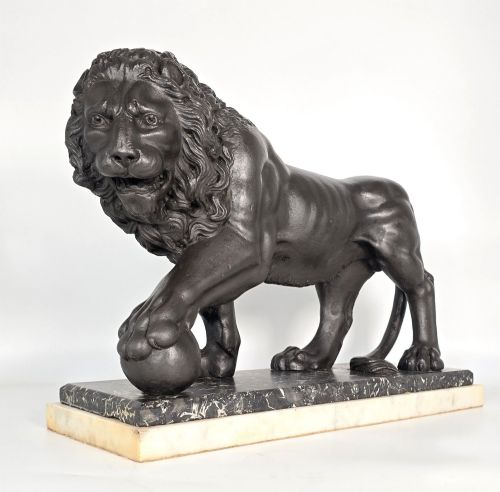
An antique classical desk sculpture serves as a small-scale artistic study for the writing table, mantelpiece, or library shelf. These works draw directly from ancient Greek and Roman antiquity, Italian Renaissance masters, and the Grand Tour tradition.
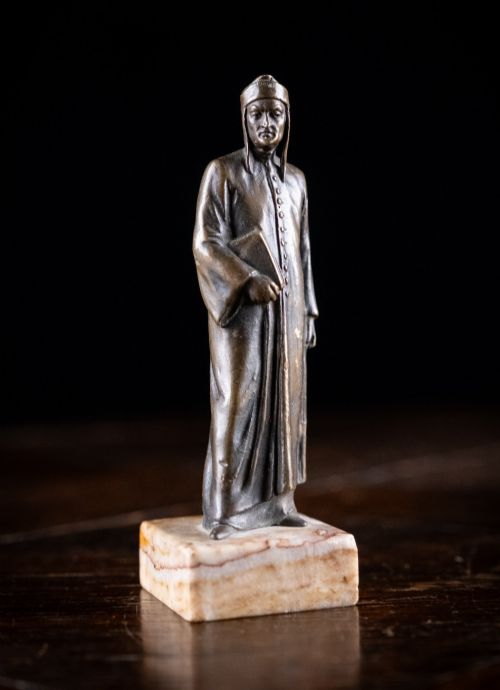
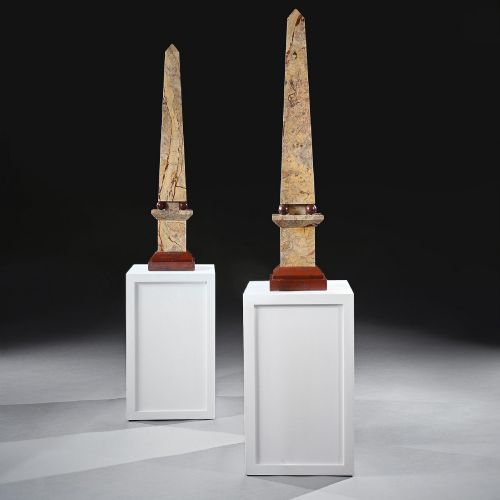
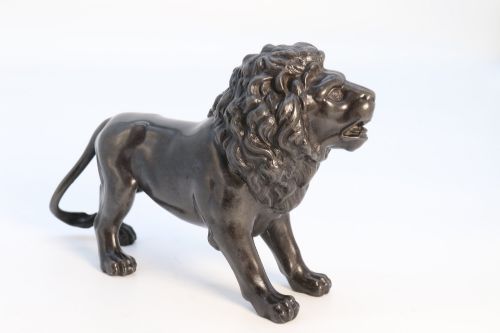
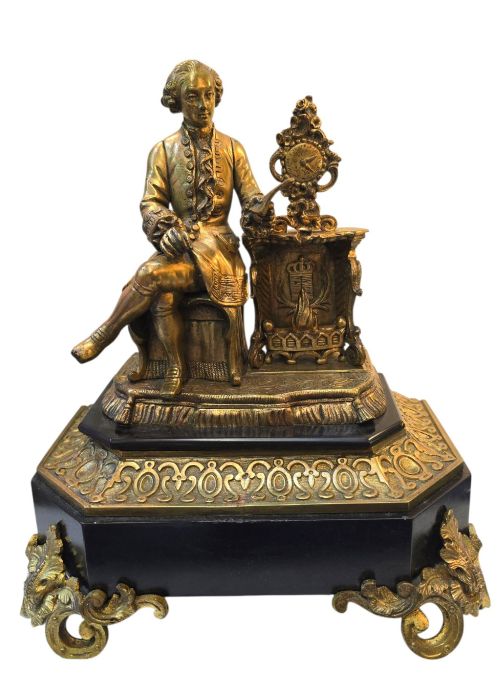
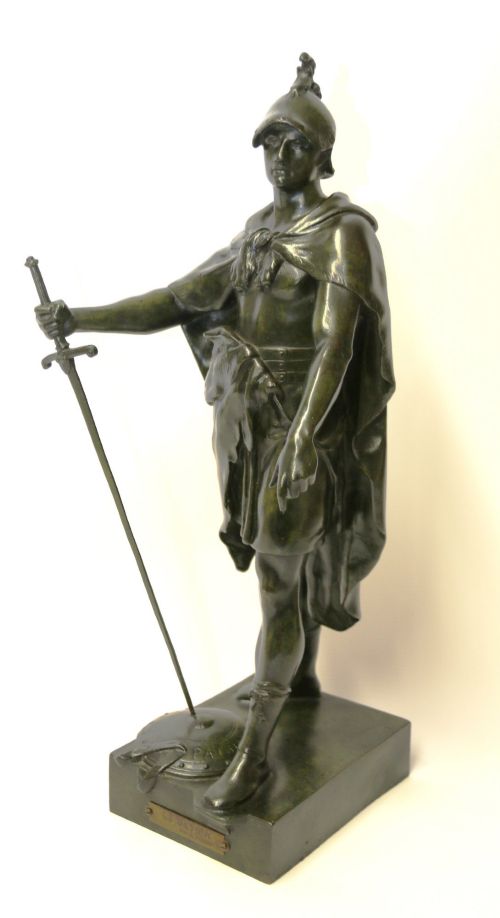
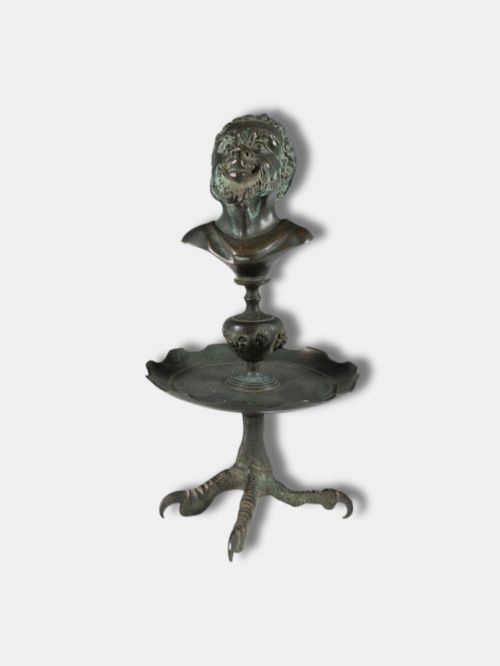
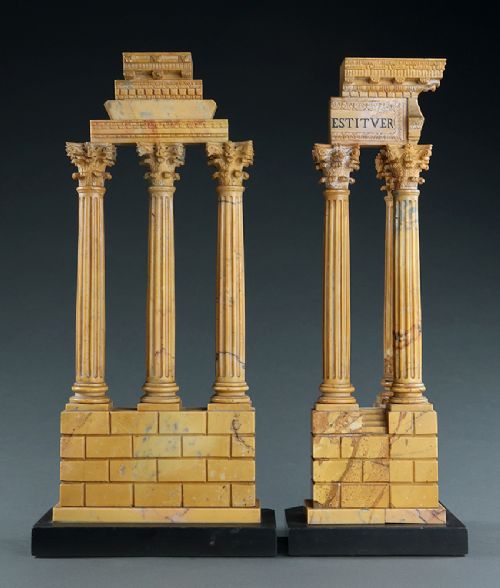
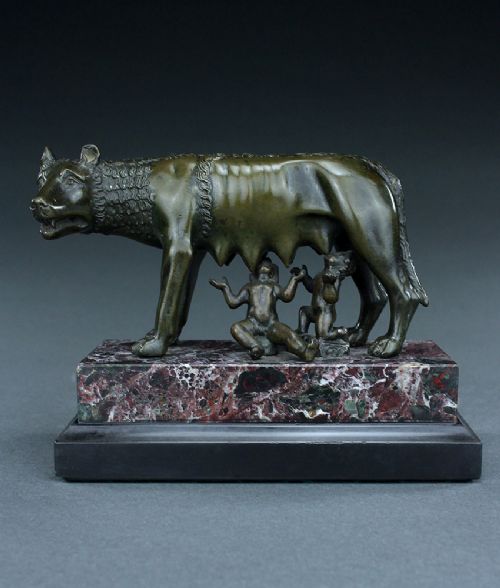
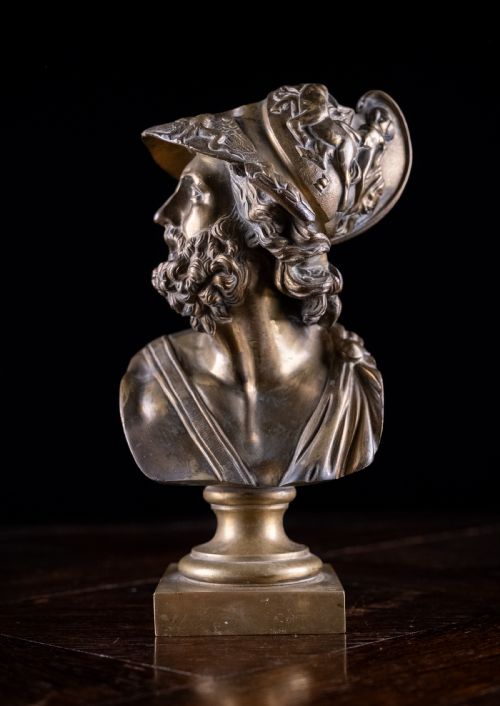
The pieces on this page appear primarily as patinated and gilt bronzes, carved marble obelisks, and plaster portrait busts dating across the nineteenth and early twentieth centuries. Common forms include mythological figures, historical personages, and architectural souvenirs intended for display in private interiors.
Buyers encounter distinct regional interpretations, ranging from Neapolitan souvenir bronzes and French academic figures to English cabinet studies and Venetian desk ornaments. Each piece translates monumental public art into a portable format suited for domestic contemplation.
How they were made
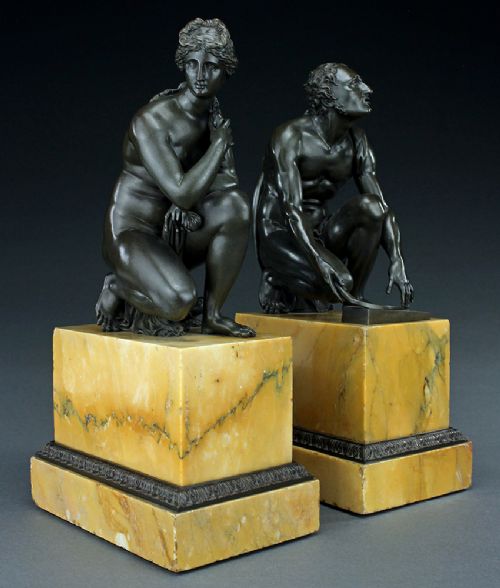
Makers mounted many metal figures onto heavy bases of Siena marble, Portasanta, or Rosso Antico to provide stability and visual contrast on a desk. Artisans applied chemical patination treatments to produce dark brown, green, or black surface tones that emulated excavated antiquities.
Plaster and alabaster works required careful carving or mould-pressing, followed by surface painting or smoothing to replicate solid stone and marble statuary. Gilt bronze andormolu elements received layers of gold amalgam or leaf to create contrasting bright highlights against dark patinated surfaces.
Subject matter ranges from Roman historical figures and mythological deities to architectural obelisks and literary characters.
What varies in quality
The choice and execution of the mounting base separate standard items from superior studio productions. High-grade examples feature dense, highly figured marbles with precise fitted channels and heavy gauge metal fixings that secure the sculpture firmly.
Signatures, foundry marks, and attribution stamps indicate workshop standards and individual artisan skill. Well-documented foundry output or named sculptors demonstrate greater mastery in metal alloy selection and patination longevity.
G. Amodio Naples·Émile Louis Picault·Barbedienne
The Antique Classical Desk Sculpture Glossary
- Grand Tour
- A traditional educational journey of Europe undertaken by wealthy young men in the eighteenth and nineteenth centuries. Travellers collected small bronzes, marble obelisks, and architectural models as physical souvenirs of classical sites.
- Patinated bronze
- Bronze metal treated with chemical solutions to produce a specific surface colour such as dark brown, green, or black. This finish protects the metal and simulates the appearance of buried classical antiquities.
- Ormolu
- Gilt bronze produced by applying a mixture of mercury and gold leaf to a bronze object and heating it until the mercury vaporised. The technique leaves a durable, brilliant golden layer across the metal surface.
- Siena marble
- A distinctive yellow decorative limestone quarried in Italy with dark grey or purple veining. It appears frequently as the plinth material for nineteenth-century cabinet sculptures and architectural souvenirs.
- Lost-wax casting
- A metalworking process where a molten metal is poured into a mould that has been created by melting away a wax model. This method allows for exceptional detail and undercut forms in small sculptural works.
Antique Classical Desk Sculpture: Frequently Asked Questions
What is a Grand Tour sculpture?
A Grand Tour sculpture is a miniature replica of a famous classical statue, ruin, or architectural monument produced in Italy or France during the nineteenth century. Wealthy travellers purchased these objects as scholarly keepsakes to decorate their libraries and writing desks.
These pieces brought classical education and artistic appreciation directly into the home. They allowed collectors to display familiar motifs from ancient mythology and Renaissance art on a domestic scale.
How were desk sculptures used historically?
Historical users placed these small bronzes and stone figures upon writing tables, mantelpieces, and library desks to serve as decorative objects and focal points for contemplation. Some dual-purpose items, such as oil lamps or inkstands, also served practical writing functions.
Scholars and gentlemen collectors used them to signal learning, taste, and familiarity with classical antiquity. The weight and tactile nature of bronze and marble added a sense of permanence to the working environment.
How do I care for a bronze desk sculpture?
Maintenance requires only gentle dusting with a soft, dry cloth to prevent particulate buildup on the metal surface. Avoid liquid cleaners, polishes, or abrasive cloths that can strip away the original patination and damage the underlying alloy.
Keeping the sculpture away from direct sunlight and high humidity preserves the stability of both the metal and any attached marble bases. Natural wax coatings applied by makers require no intervention unless the surface shows active dryness.
How can I tell the period of a classical sculpture?
Dating relies on examining the casting technique, the composition of the metal or stone, and the style of the mounting base. Nineteenth-century castings often exhibit hand-chased surface details and specific patination formulas distinct from later commercial reproductions.
Signatures, foundry stamps, and the wear patterns on the underside of marble plinths provide additional clues regarding age. Comparing the patina and material density against known period examples helps confirm the timeframe of manufacture.