

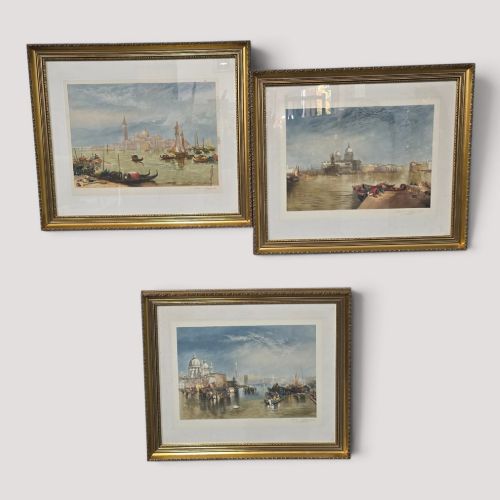
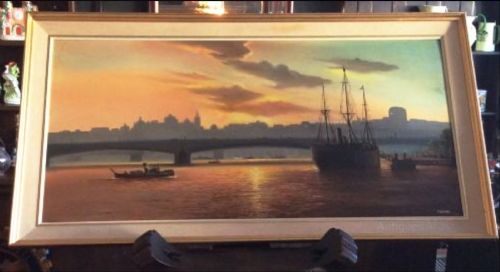
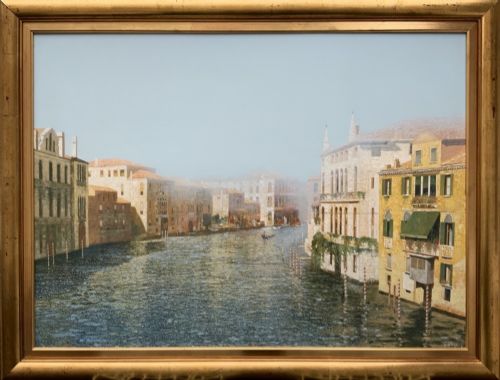
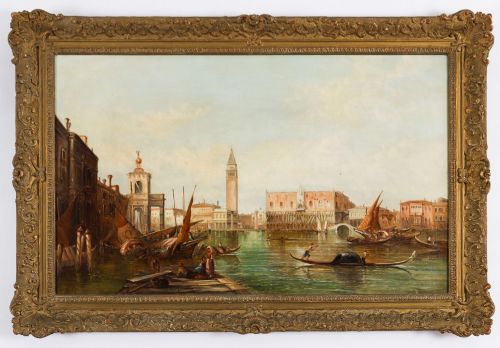
Antique Cityscapes Framed
Antique cityscapes framed bring historic streets and waterways into a room through oil, watercolour, and print.
Antique Cityscapes Framed
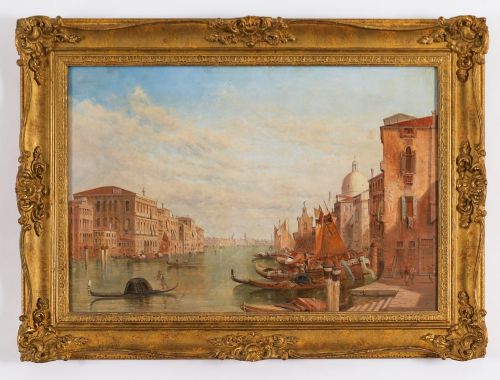
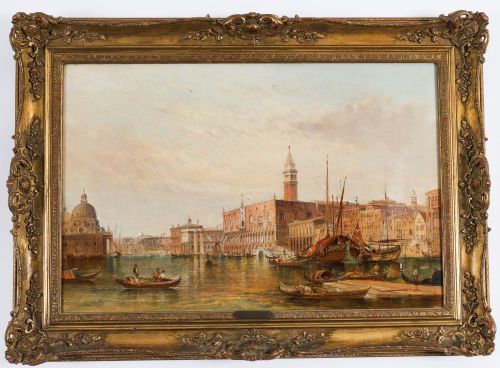
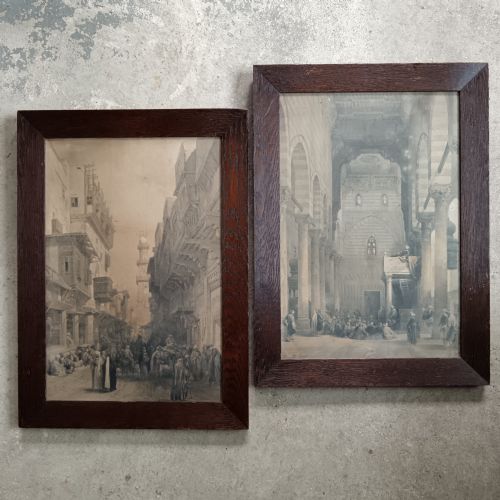
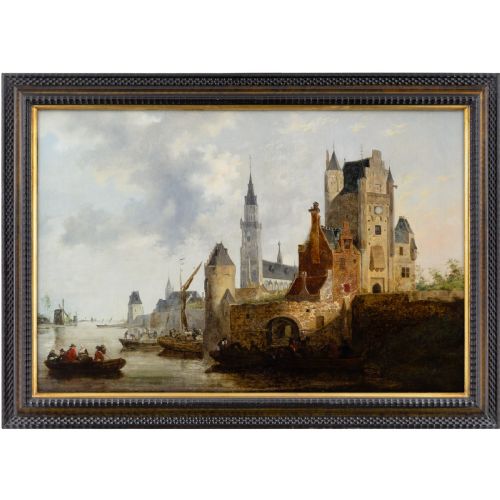
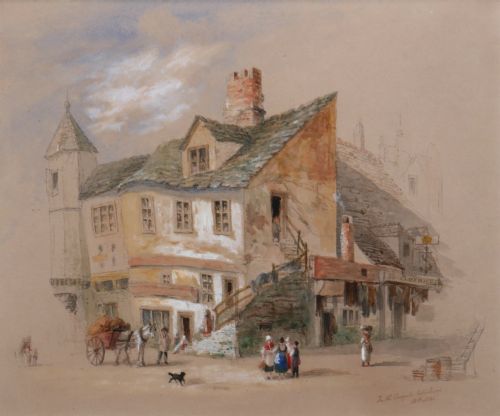
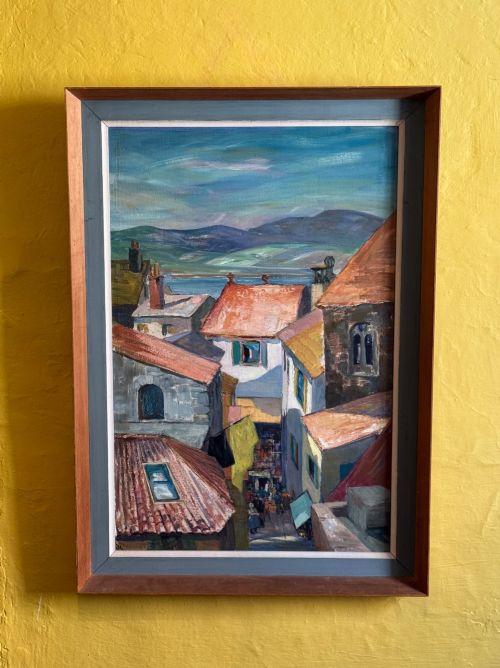
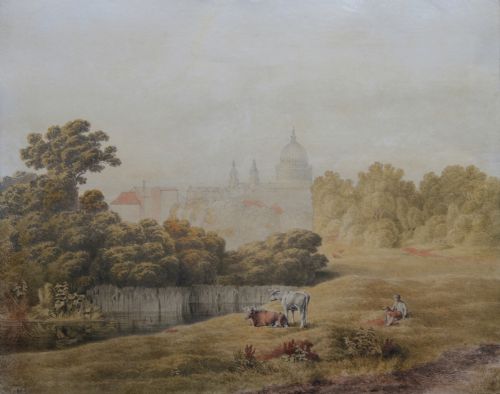
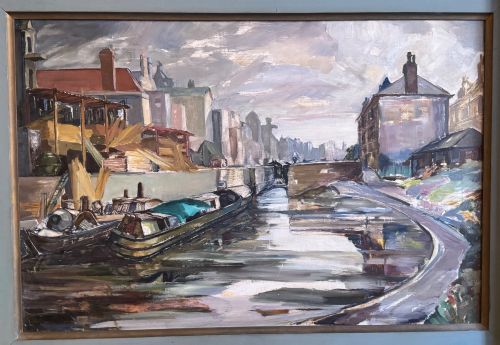
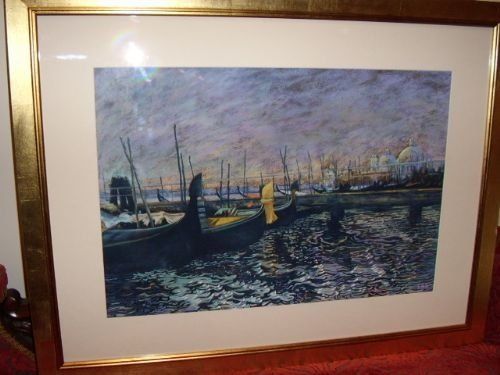
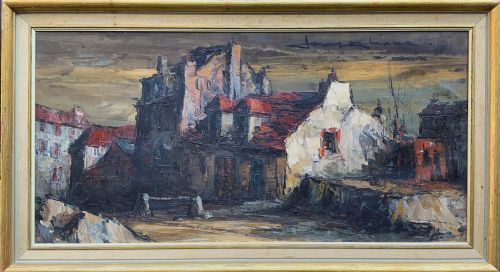
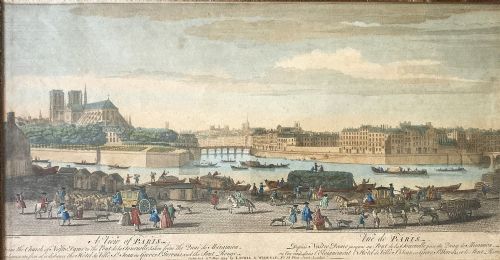
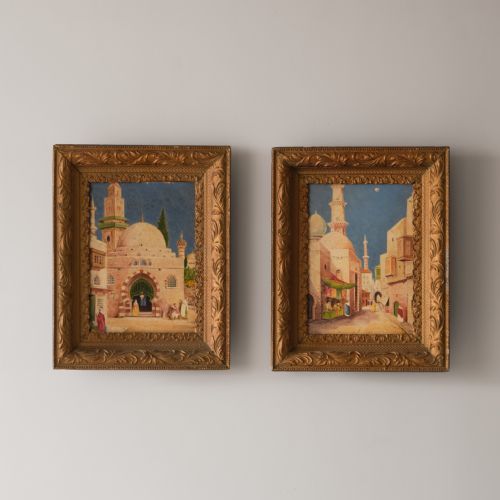
Antique cityscapes framed present urban views, rivers, and architectural landmarks from past centuries, capturing the changing character of locations such as London, Venice, Paris, and Cairo. These works preserve historical streetscapes and waterways through mediums ranging from detailed engravings to large oil paintings.
Buyers most frequently encounter 19th-century watercolours and oil paintings depicting familiar European capitals, particularly Venetian canals and London Thames scenes. These pieces frequently arrive ready to hang in period wood or gilt frames that complement the artwork.
How They Were Made
Artists painted on canvas, wood panels, and paper using oil paint, watercolour, pastel, and gouache, whilst printmakers utilised etching and lithography with hand colouring. These varied media allowed creators to render fine architectural details or capture atmospheric light effects across urban environments.
Framing utilised wood, giltwood, and gold leaf alongside glass to protect fragile works on paper, such as watercolours and engravings. Original frames often feature decorative mouldings that correspond to the period of the artwork.
Antique Cityscapes Framed Retail Price Guide 2026
Typical asking prices for cityscapes framed among the pieces listed under this phrase on Sellingantiques today, from the lower quarter to the upper quarter. They describe what is for sale here now, not the wider market.
What Varies in Quality
Quality rests in the precision of the draughtsmanship and the artist's ability to handle perspective and light within complex architectural compositions. Superior examples demonstrate confident brushwork or sharp, clear plate impressions that bring depth and atmosphere to the urban view.
The integrity of the framing and the preservation of the paper or canvas surface also distinguish works. Original period frames and well-preserved surfaces without heavy restoration hold greater visual and historical coherence.
Alfred Pollentine·David Roberts·Herbert Menzies Marshall·Victor Gabriel Gilbert·William Daniell
The Antique Cityscapes Framed Glossary
- Etching
- A printmaking process where lines are bitten into a metal plate with acid before ink is applied. This technique produces fine, detailed lines suited to architectural views.
- Lithography
- A planographic printing method based on the repulsion of oil and water on a stone or metal plate. It allows for tonal gradations often seen in panoramic topographical prints.
- Gouache
- An opaque water-based paint that provides solid colour and strong highlights on paper. It frequently appears alongside watercolour in nineteenth-century architectural sketches.
- Grand Tour
- A traditional journey through Europe undertaken by upper-class travellers to study art and architecture. Resulting watercolours and paintings documented classical ruins and foreign cityscapes.
Antique Cityscapes Framed: Frequently Asked Questions
How do I hang a heavy framed cityscape?
Heavy oil paintings require sturdy wall fixings screwed directly into masonry or wall studs using picture wire rated for the weight.
Ensure the hanging cord or D-rings on the original frame are secure before mounting the piece at eye level.
Are watercolours sensitive to sunlight?
Watercolours and prints on paper fade when exposed to direct sunlight over extended periods. Position these pieces away from bright windows to preserve the pigments and paper.
Using glass with UV-filtering properties offers additional protection against light damage.
How do I identify the date of a cityscape?
The clothing of figures, architectural additions, and vehicles depicted often provide clues to the era. Signatures, artist dates, and framing materials also help narrow down the decade of creation.
Comparative research into the depicted London or Venetian landmarks can confirm the historical context.
What is the difference between an oil painting and a print?
Oil paintings feature textured brushstrokes of applied pigment directly on canvas or board. Prints are mechanical or chemical reproductions on paper, such as engravings or lithographs.
Examining the surface closely with a magnifying glass reveals the ink dots of a print or the raised ridges of dried oil paint.