

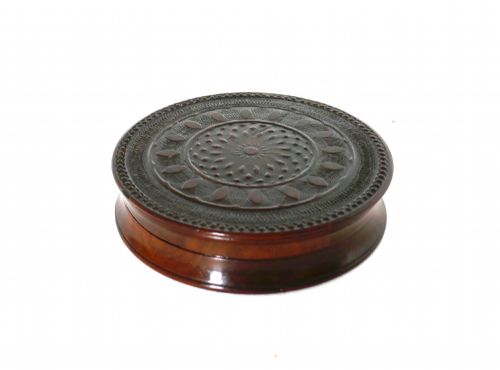


Antique Circular Snuff Box
An antique circular snuff box is a pocket-sized vessel designed for powdered tobacco, offering tactile craftsmanship in wood, metal, or papier-mâché.
Antique Circular Snuff Box
An antique circular snuff box is a small, portable container created to hold dry tobacco for inhalation, often shaped as a neat cylinder that fits easily into the palm or pocket. These objects date across the Georgian, Victorian, and later nineteenth-century periods, reflecting changing social habits and personal accessories.
While many were strictly intended for tobacco, similar circular boxes served as trinket or pill containers. The form remains collectible for its dense concentration of period craftsmanship in a miniature scale.
How they were made
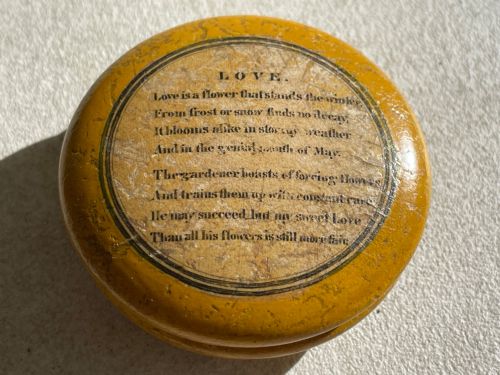
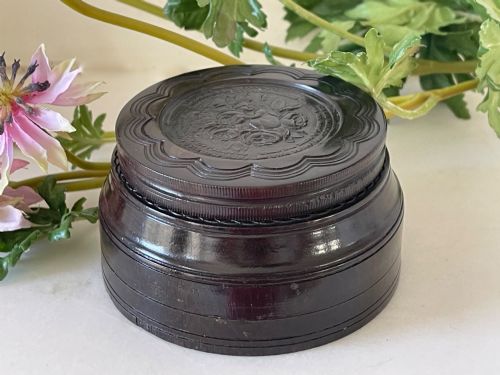
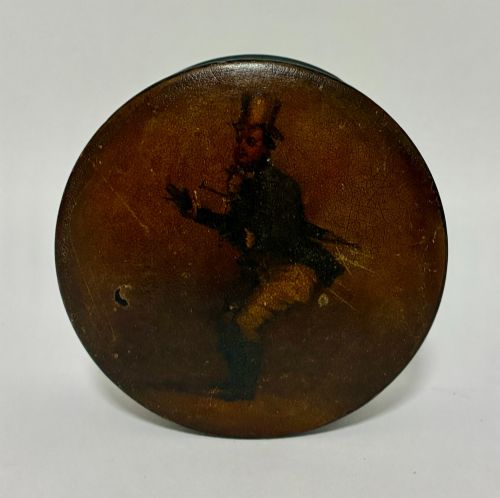
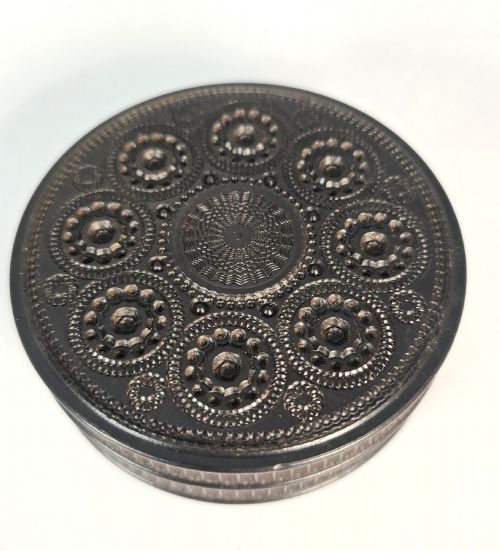
Makers shaped wooden examples using a lathe, producing fine grain patterns in dense hardwoods like laburnum and lignum vitae, occasionally adding engine-turned geometric decoration. Papier-mâché boxes were moulded from reinforced paper pulp, then dried, smoothed, and finished with dark lacquer or painted scenes.
Metal boxes utilised sterling silver, silver-gilt, and gold, often decorated with chased acanthus leaf motifs, vine details, or precise guilloche engraving. Artisans also combined materials, mounting tortoiseshell, gold, or painted miniature portraits into the lids of wooden and shell bodies.
Antique Circular Snuff Box Retail Price Guide 2026
Typical asking prices for circular snuff box among the pieces listed under this phrase on Sellingantiques today, from the lower quarter to the upper quarter. They describe what is for sale here now, not the wider market.
Some pocket snuff boxes feature concealed compartments once used for hidden love notes or secret political portraits.
What varies in quality
The standard of an antique circular snuff box rests upon the precision of its construction and the crispness of its surface decoration. Finely executed engine-turning remains sharp and regular, whereas lower quality examples show uneven pattern application or blurred detailing.
Material choice and structural integrity dictate the upper tier of pieces, particularly where precious metals, high-grade tortoiseshell, or intricate Tunbridge ware mosaics are employed. Well-fitted lids that close securely with a precise snap demonstrate superior original workmanship compared to loose or warped examples.
John Bettridge
The Antique Circular Snuff Box Glossary
- Engine turned
- Geometric patterns cut into metal or wood by a specialised lathe. This mechanical engraving creates repetitive, precise decorative textures across the surface.
- Papier-mache
- A composite material made from paper pulp or layers of paper bound with glue. It is moulded when wet and bakes hard to receive lacquer and paint.
- Guilloche
- A decorative technique where a precise, intricate pattern is mechanically engraved into a metal surface. It frequently appears beneath translucent enamel or on silver gilt boxes.
- Silver gilt
- Silver objects that have been coated with a thin layer of gold. This process provides the rich appearance of solid gold while utilising a silver base.
Antique Circular Snuff Box: Frequently Asked Questions
What were antique circular snuff boxes used for?
These vessels held finely ground tobacco known as snuff, which users inhaled through the nose as a social habit popular from the eighteenth century onward.
Over time, many of these pocket containers transitioned into general trinket boxes or receptacles for pills and small keepsakes as tobacco habits changed.
How do I date an old snuff box?
Dating relies on examining the materials, manufacturing techniques, and any hallmarks present on metal mounts. Papier-mâché and specific timber choices often point toward Georgian or Victorian production windows.
Stylistic cues such as Regency motifs or Art Deco silver designs further narrow the period of origin when specific dates are absent.
How should I care for a wooden snuff box?
Wooden and treen boxes require stable indoor humidity away from direct sunlight and extreme temperature fluctuations to prevent the timber from splitting.
Light dusting with a dry, soft cloth preserves the original polish and patina without introducing moisture that could damage historic finishes.