


Antique Circular Furniture
Antique circular furniture gathers round tables, tilt-tops and stools from Georgian, Regency and Art Deco periods, built to anchor a room with balanced proportions.
Antique Circular Furniture
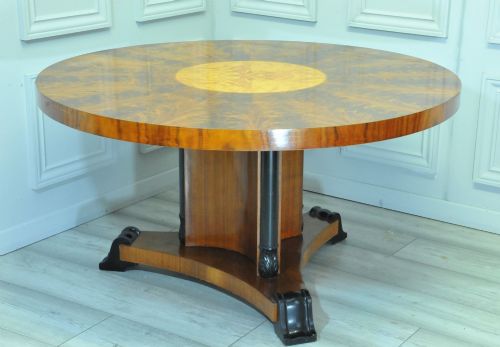
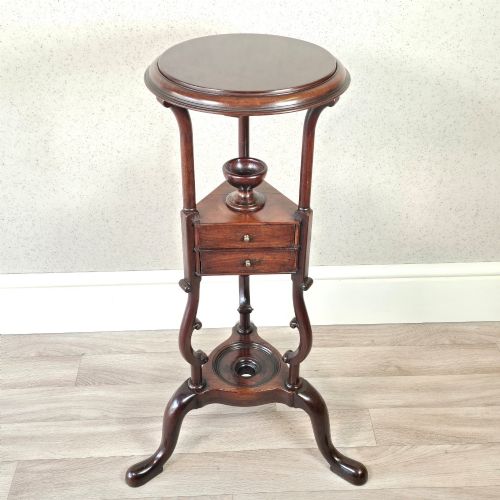
Antique circular furniture centres on tables and stools built with rounded tops, ranging from compact wine tables and occasional pieces to large dining tables and centre tables. These forms appear across Georgian, Regency, Victorian, Edwardian and Art Deco periods, reflecting changing domestic habits from intimate tea drinking to formal dining.
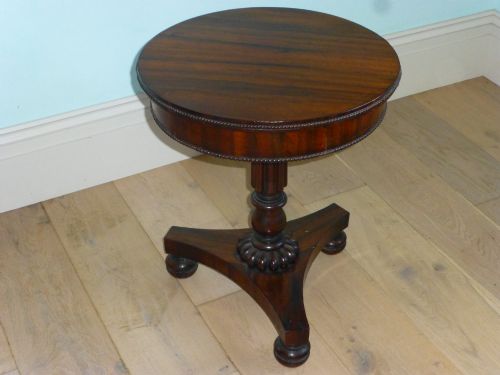
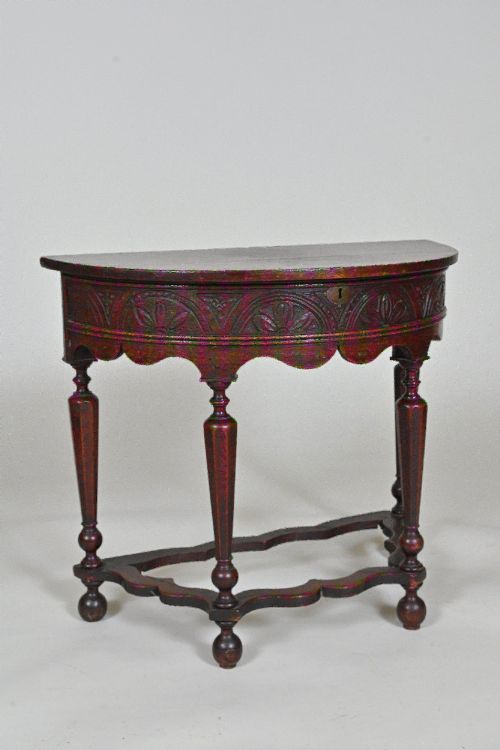
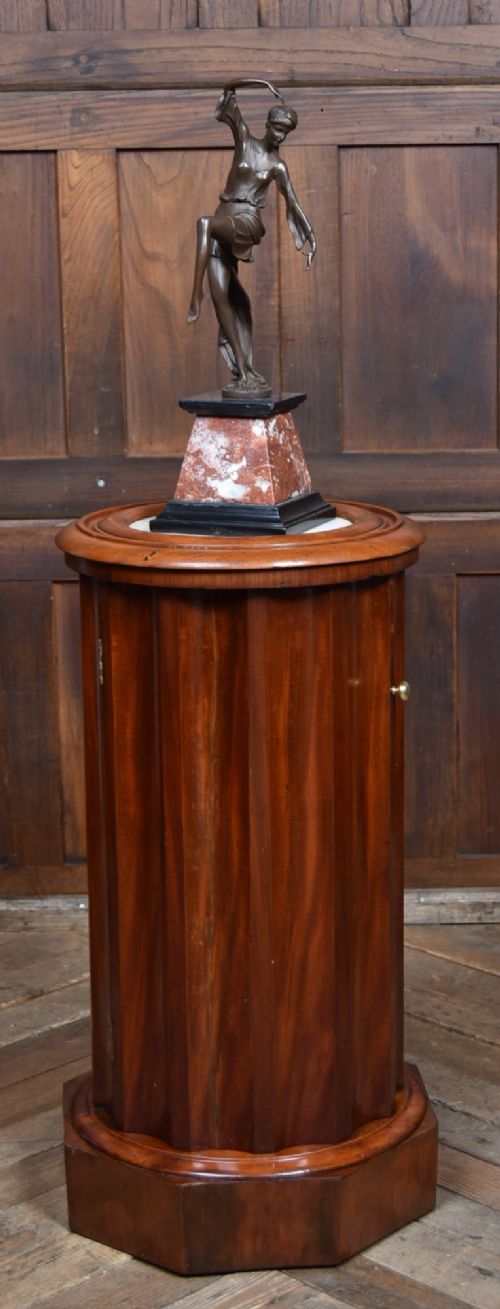
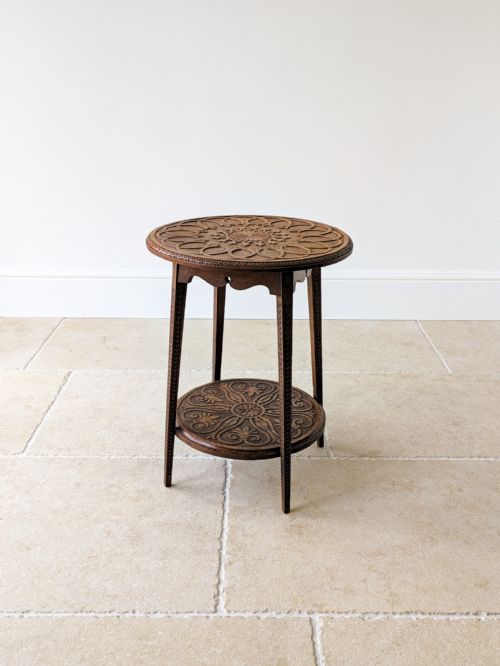
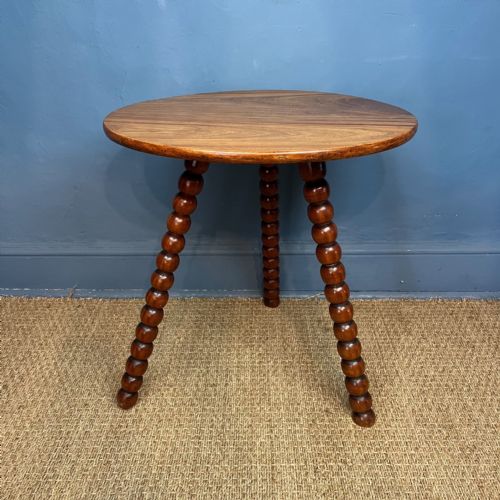
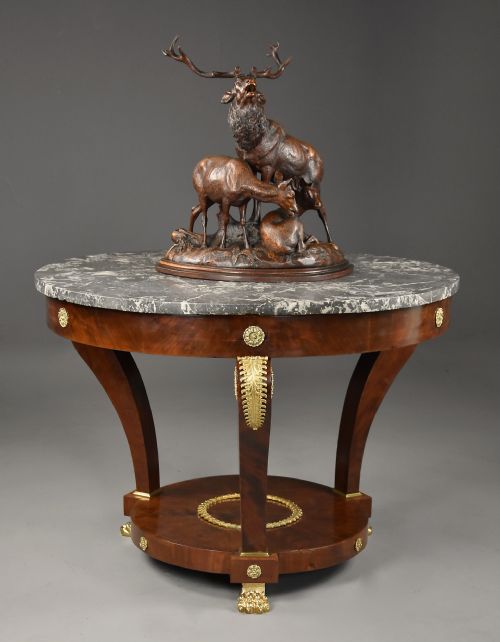
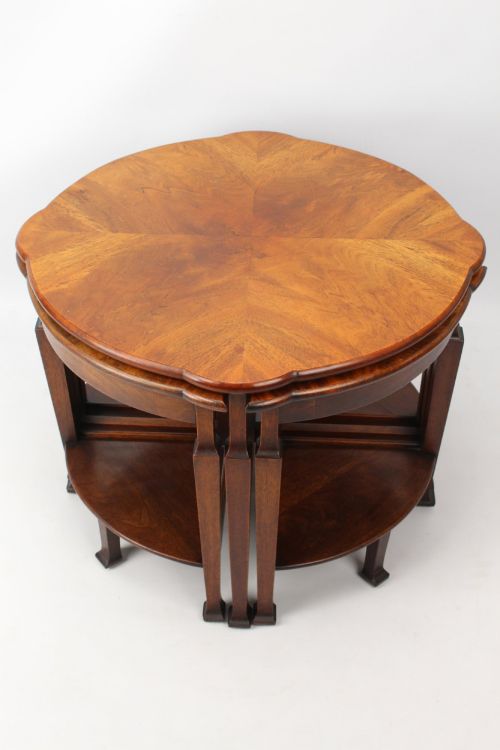
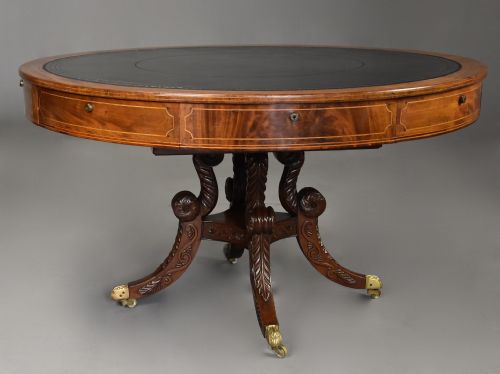
The pieces on this page lean heavily toward tables designed for specific domestic roles, including centre tables, lamp tables, breakfast tables and drum tables. Buyers encounter forms supported by tripod bases, carved pillars or central pedestals, constructed to sit comfortably in the middle of a room or against a wall.
Origins span English workshops, Dutch marquetry traditions, Swedish ateliers and Anglo-Indian production, bringing diverse regional aesthetics to the round format. Woods like mahogany, rosewood, walnut and satinwood dominate the selection, often enhanced with marquetry, inlay or brass details.
How they were made
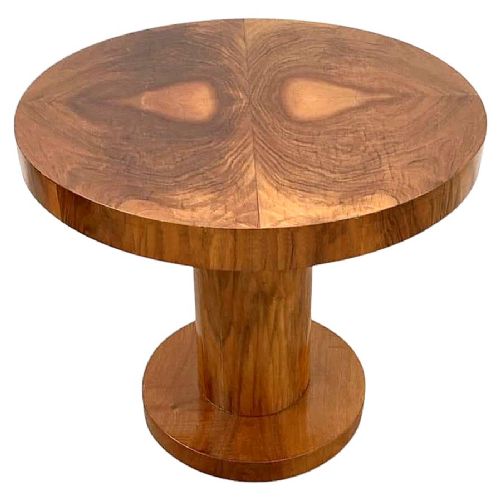
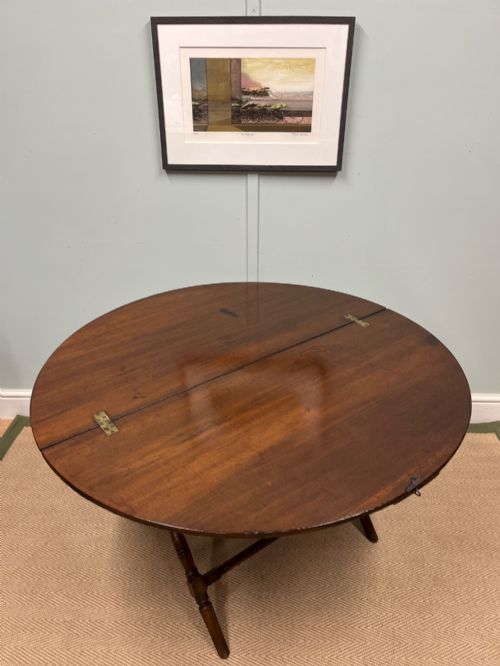
Cabinetmakers constructed these rounded tops using solid timbers such as mahogany, oak and elm, or applied figured veneers like burr walnut, satinwood and rosewood over secondary bases. Tilt-top mechanisms and drum table structures required precise joinery to allow tops to pivot or rotate smoothly on central pillars and tripod legs.
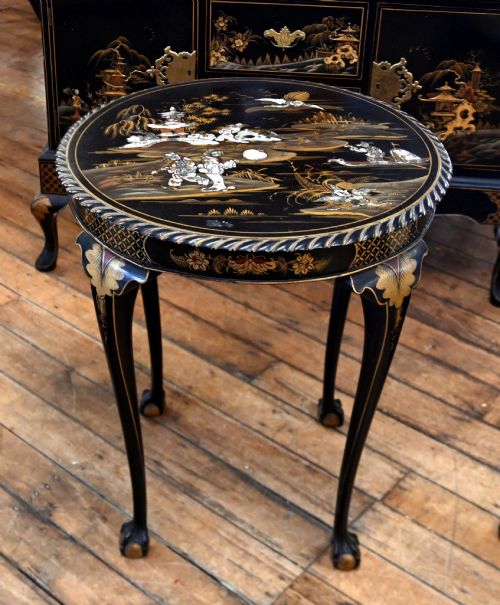
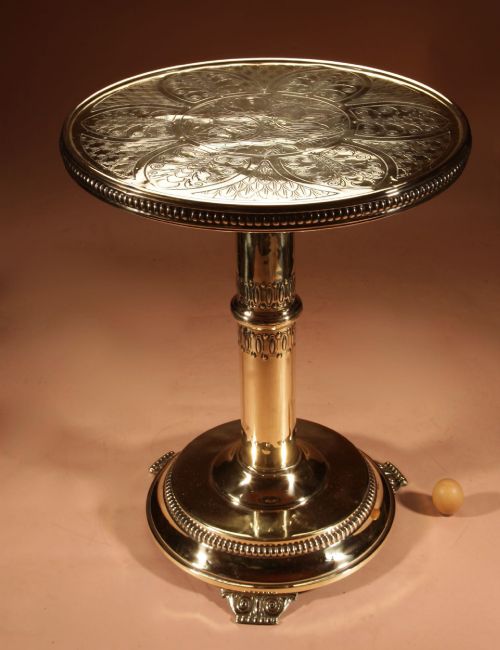
Decorative surfaces relied on marquetry, inlay, brass work and needlepoint, combining contrasting woods, engraved brass and textiles. Finishers applied French polish or oil to bring out the grain of woods like calamander, ebony, birch and yew.
Antique Circular Furniture Retail Price Guide 2026
Typical asking prices for circular furniture among the pieces listed under this phrase on Sellingantiques today, from the lower quarter to the upper quarter. They describe what is for sale here now, not the wider market.
Secret drawers tucked into nineteenth-century walnut tables offer hiding spots for old letters.
What varies in quality
Quality rests on the choice of timber and the execution of veneers, where heavily figured burr walnut, calamander or matched satinwood elevate a piece far above plain utility timber. The crispness of carved pillars, the precision of inlaid brass or marquetry, and the stability of tilt-top mechanisms distinguish finer examples from standard production.
Structural integrity in the pedestal base and joints dictates longevity, particularly on tripod tables and large dining formats where weight distribution matters. Maker attribution, through signatures or distinctive workshop design, further separates standard regional items from high-end pieces.
Francois Linke·Edwards & Roberts·Peters of Genoa
The Antique Circular Furniture Glossary
- Tilt top
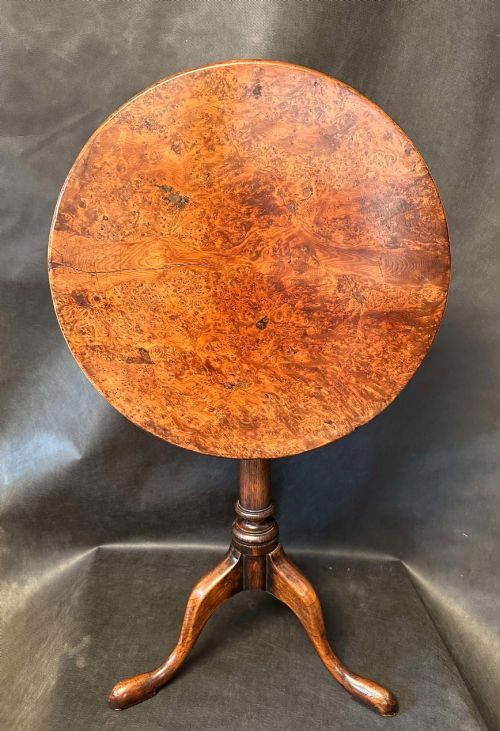
- A table top hinged to tilt vertically when not in use, allowing the piece to stand flat against a wall to save space.
- Centre table
- A freestanding table finished on all sides, designed to sit in the middle of a room rather than against a wall.
- Drum table
- A round table with a deep frieze containing drawers, resembling the shape of a drum and typically supported on a central pillar.
- Marquetry
- Decorative patterns formed by fitting together thin veneers of different wood, ivory or metal onto a structural carcase.
- Tunbridge Ware
- Small wooden items decorated with intricate mosaic patterns made from tiny wood blocks of various natural colours.
Antique Circular Furniture: Frequently Asked Questions
Where did people put antique circular tables?
These tables sat in the middle of principal rooms as centre tables, or functioned as occasional pieces next to seating.
Smaller wine tables and lamp tables moved easily around the home to hold lighting, books or tea.
What is a tilt top table used for?
The tilting mechanism allowed the table to be stored flat against a perimeter wall when floor space was needed for other activities.
In the nineteenth century, these tables combined display surfaces with practical space-saving utility.
Can I use an antique centre table daily?
Most pieces are robust enough for daily use as coffee, lamp or dining tables, provided they are treated with care regarding moisture and heat.
French polished surfaces benefit from coasters and careful cleaning to preserve the historic finish.