



Antique Circular Frame
An antique circular frame holds portraits, reflections, or dials, bringing symmetry and focus to a wall.
Antique Circular Frame
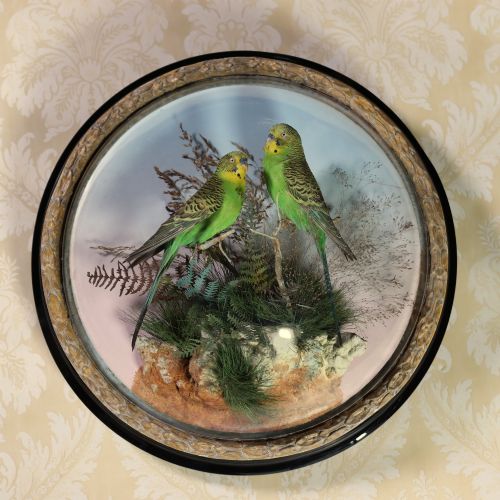
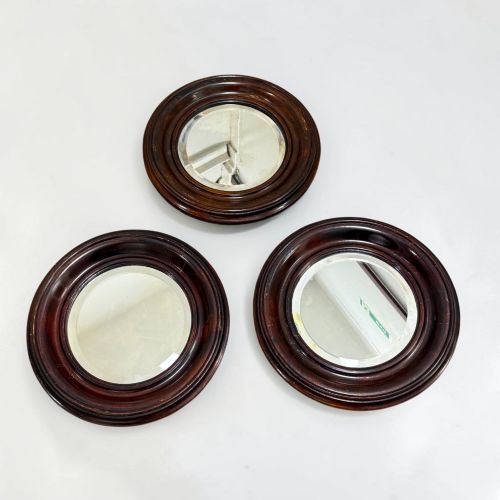
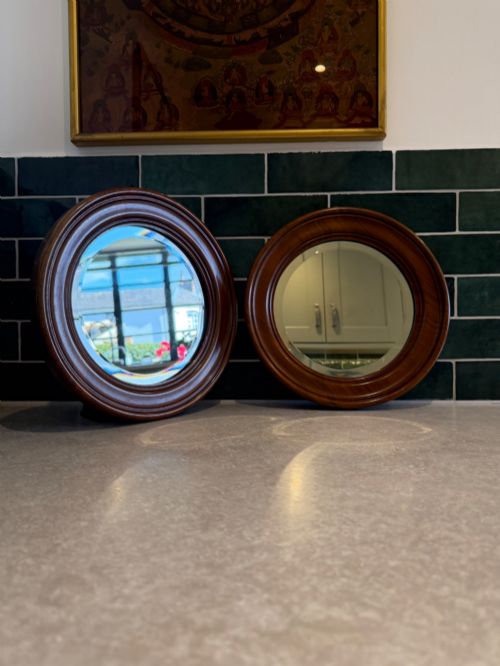
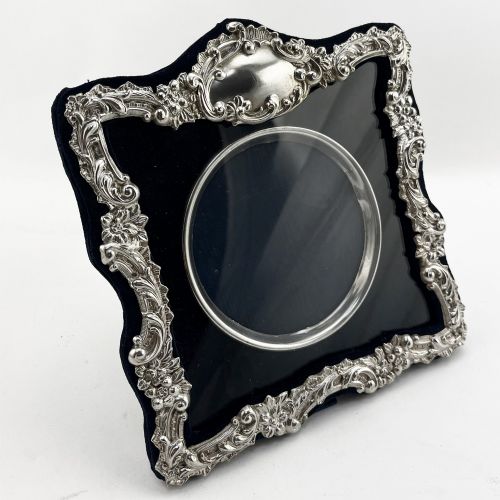
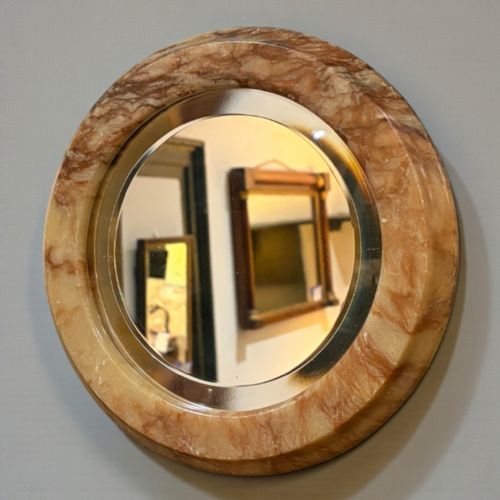
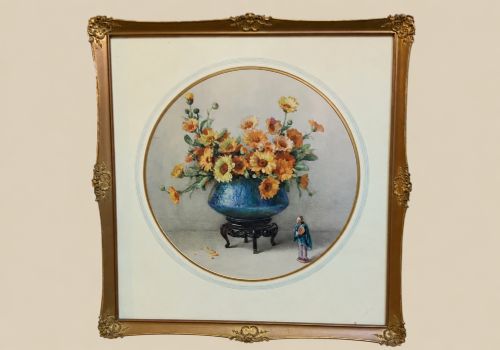
When searching for an antique circular frame, you encounter a diverse range of objects designed to hold mirrors, paintings, and photographs. The selection spans the Georgian, Regency, Victorian, and Edwardian eras, encompassing wall mirrors, picture frames, photo frames, and wall clocks.
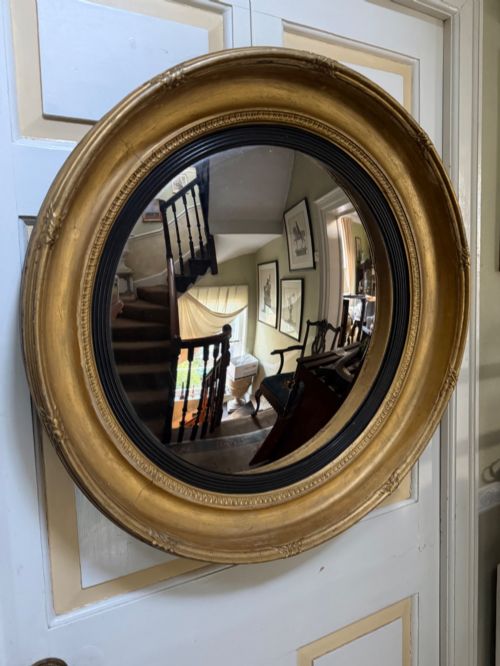
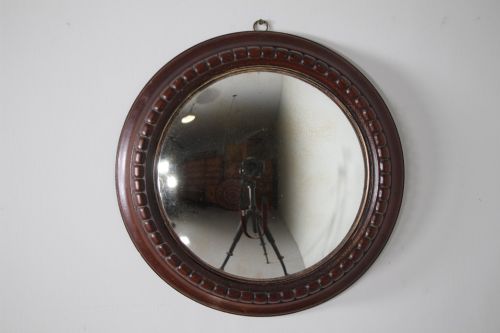
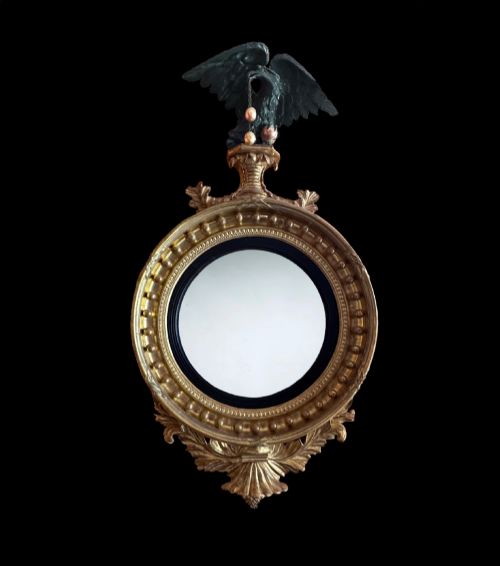
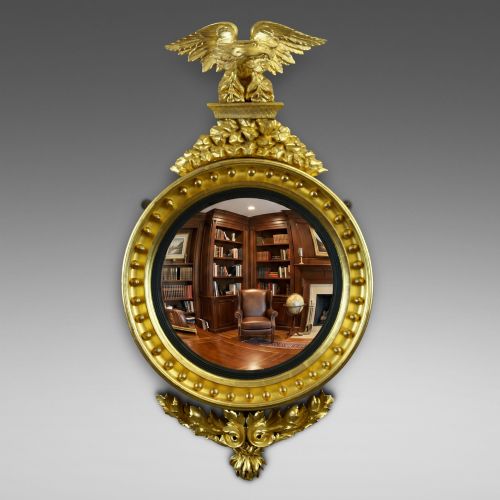
Convex mirrors represent a prominent group within these listings, taking forms such as porthole mirrors, witch's mirrors, and sorcerer's mirrors from the nineteenth century. Giltwood, mahogany, walnut, and sterling silver form the primary housings for these round compositions.
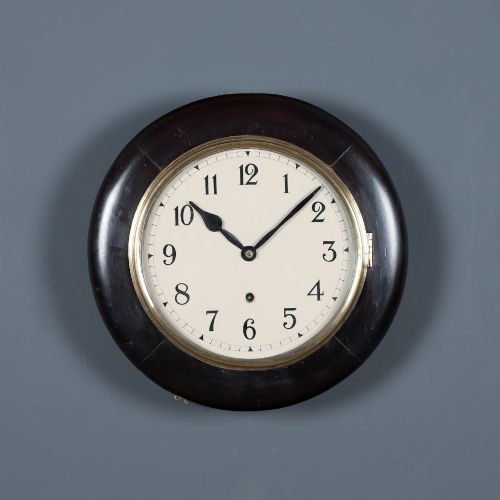
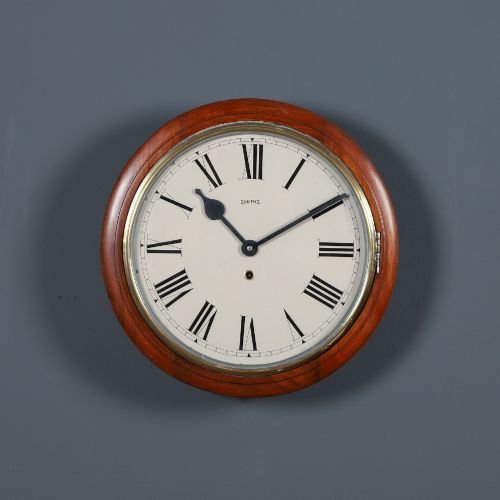
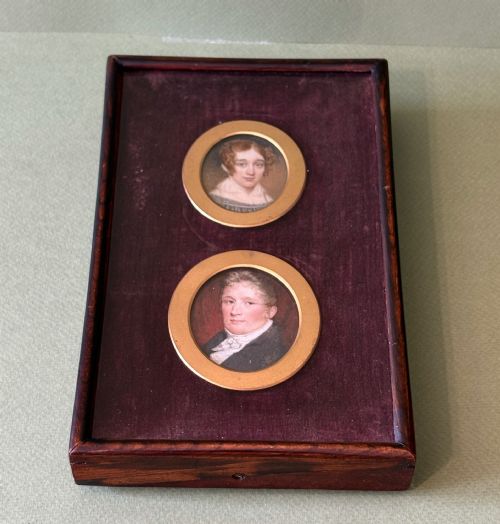
Beyond mirrors and pictures, the inventory includes wall clocks with round dials and small hanging roundels. These pieces function as focal points in a room, offering distinct geometric contrast to standard rectangular furniture.
Materials and construction methods
Makers shaped timber such as mahogany, walnut, and oak into rounded profiles, occasionally employing ebonised finishes to create striking contrast against gilt details. Giltwood and gesso application required meticulous skill to build up surfaces before applying gold leaf.
Antique Circular Frame Retail Price Guide 2026
Typical asking prices for circular frame among the pieces listed under this phrase on Sellingantiques today, from the lower quarter to the upper quarter. They describe what is for sale here now, not the wider market.
Victorian households once relied on convex witch's mirrors to keep a watchful eye on domestic staff without turning around.
Assessing craftsmanship and condition
The distinction between tiers rests upon the depth of hand-carved detail in wooden mouldings and the purity of the gilding. Superior examples display crisp definition in gesso ornament and stable joinery at the curved seams.
Glass quality separates standard productions from finer works, particularly in convex and spherical mirrors where distortion must remain uniform. Metal items show quality through the clarity of hallmarks and the weight of the cast components.
Henry Matthews·John Bell·Coalbrookdale
The Antique Circular Frame Glossary
- Convex mirror
- A round mirror with a curved outward glass surface that reflects a wide, circular field of view. These pieces were historically popular in Regency and Victorian interiors.
- Giltwood
- Timber coated with a thin layer of gold leaf over a prepared gesso ground. This finish provides a luminous metallic sheen.
- Tondo
- A Renaissance term for a circular work of art, typically a painting or a relief sculpture. Listings use this to describe round framed canvases and panels.
- Ebonised
- Wood finished with a dark stain or paint to imitate ebony. This treatment creates a dense, black surface often paired with gold highlights.
- Gesso
- A paint mixture consisting of a neutral binder mixed with chalk, gypsum, or pigment. Craftsmen applied multiple layers to wooden frames before gilding.
Antique Circular Frame: Frequently Asked Questions
What is a convex mirror used for?
Convex mirrors historically served to monitor activity across a room from a single vantage point. Their curved glass gathers light from a broad angle, illuminating darker corners.
Today, they function primarily as decorative art pieces that introduce depth and unusual perspective to interior spaces.
How do I date a silver photo frame?
Silver photo frames carry hallmarks stamped directly into the metal. These small marks indicate the assay office, such as Birmingham or London, alongside a specific date letter.
Matching the letter against official hallmarking tables reveals the exact year of manufacture.
Where should I hang a round mirror?
Round mirrors suit spaces that require relief from linear furniture and architectural angles. Placing one above a mantelpiece or an occasional table creates a natural focal point.
Ensure the wall fixings match the weight of the specific wood or metal frame.
What is the difference between a tondo and a standard frame?
A tondo is strictly circular, designed specifically to house round paintings or prints rather than rectangular canvases. This format demands specialised framing techniques to maintain structural integrity around the curve.
Historical examples often feature decorative bezels carved directly to complement the circular artwork.