




Antique Cigar Oil Lamp
An antique cigar oil lamp brings heavy silver and classical design to the smoking table, offering steady flame for a proper smoke.
Antique Cigar Oil Lamp
When you search for an antique cigar oil lamp, you are looking at functional smoking accessories designed to sit on a table and provide a reliable flame for cigars. These pieces combine utility with decorative form, serving as both instruments and conversation objects in period rooms.
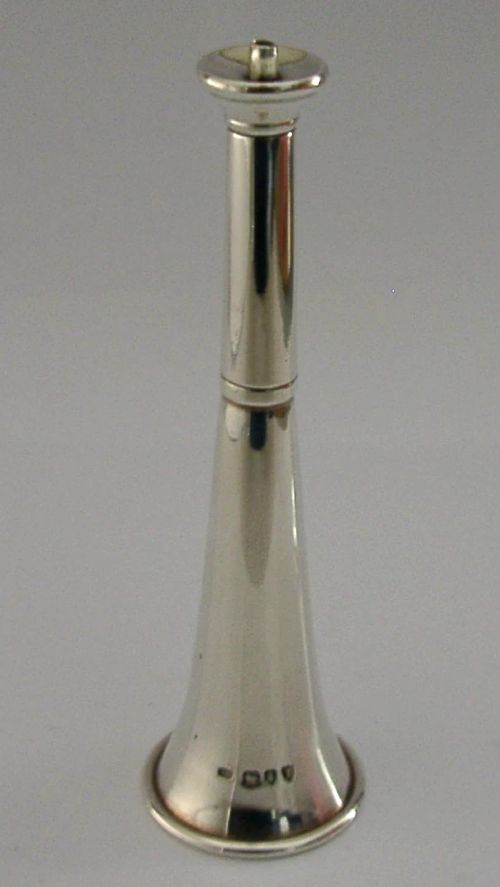
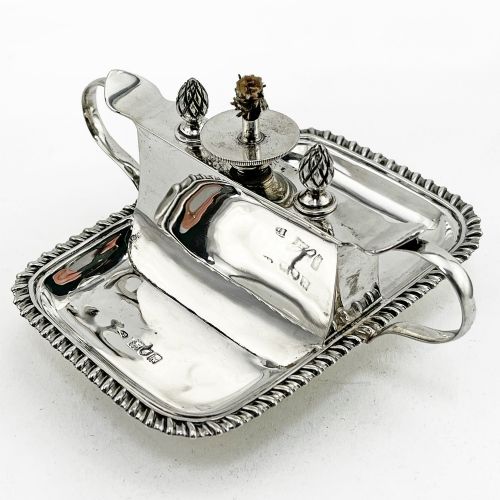
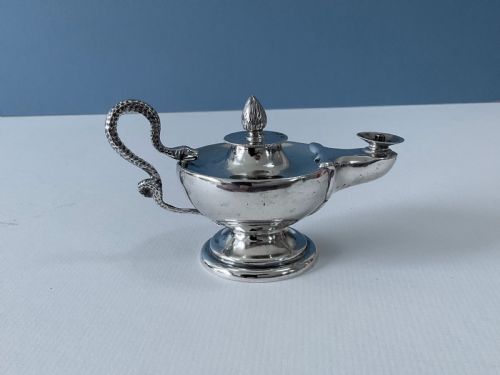
The versions most commonly met on this page take the form of table lighters fashioned in silver or silver plate, often modelled after classical oil lamps or novelty shapes like hunting horns. They span periods from the mid-nineteenth century through the Edwardian era and into the twentieth century, reflecting shifting domestic tastes.
Makers utilised various styles including Classical Revival, Neoclassical Revival, Art Nouveau, and Art Deco to shape these items. Whether plain or ornamented, each piece serves as a tangible link to historical smoking habits and metalwork traditions.
How they were made
Makers constructed these table lighters primarily from sterling silver, silver plate, and standard silver, utilising traditional silversmithing techniques to raise and form the metal bodies. Components such as cotton wicks and fitted burners were integrated to handle the oil fuel safely.
Some examples incorporate subsidiary materials like rattan for insulated handles, while others rely entirely on cast and chased metal. The construction balances structural stability on the table with delicate detailing around the spout and handle.
One clever Victorian maker shaped a cigar oil lamp precisely like a fox hunting horn.
What varies in quality
The distinction between standard examples and finer pieces rests on the weight of the silver, the crispness of the chasing, and the distinctiveness of the form. Heavier gauge metal and fully articulated novelties demonstrate superior workshop output.
Attribution to recognised makers or designers elevates a piece above anonymous production. The integrity of the original mounts and the presence of clear hallmarks further separate ordinary utility items from collectible specimens.
BRAHAM·Jan Eisenlöffel·WMF·Comyns·Elkington
The Antique Cigar Oil Lamp Glossary
- Sterling silver
- A silver alloy containing 92.5 percent pure silver and 7.5 percent other metals, usually copper, ensuring durability for table wares.
- Silver plate
- A base metal substrate coated with a thin layer of pure silver, offering the appearance of solid silver at a different cost.
- Table lighter
- A stationary lighting device intended for permanent placement on a desk, smoking table, or sideboard.
- Hallmark
- An official stamp applied by an assay office to precious metal items, indicating purity, maker, and year of testing.
- Classical oil lamp
- An ancient vessel shape featuring a reservoir, handle, and a projecting nozzle for a wick, widely revived in later decorative arts.
Antique Cigar Oil Lamp: Frequently Asked Questions
What is an antique cigar oil lamp?
An antique cigar oil lamp is a heavy table lighter designed to burn oil and provide a consistent flame for lighting cigars in a drawing room or smoking den.
These pieces typically date from the Victorian, Edwardian, and early twentieth-century periods, appearing in solid silver or silver plate.
How were these lighters used?
They sat permanently on tables, desks, or smoking stands, filled with oil and fitted with a cotton wick to remain ready for use.
Gentlemen used them to light cigars following dinner, utilising the steady flame rather than matches for a controlled burn.
How do I tell periods apart?
Periods are identified through hallmarks, design styles such as Art Nouveau or Neoclassical Revival, and manufacturing techniques recorded in the metal.
Victorian and Edwardian examples often display ornate chasing or classical revival shapes, while later pieces adopt cleaner modernist lines.
Are all these lamps made of solid silver?
No, materials vary between solid sterling silver, standard silver, and silver plate over base metal substrates.
Weight, hallmarks, and surface wear help distinguish between solid metal construction and plated items.